Climate Management


Supporting the Sustainable Development Goals (SDGs)


Goals and Performance Highlights
Goals


Performance



Commitment, Challenge, and Opportunity
Climate change is a critical issue that directly impacts the Company’s real estate business, it is affecting operational risks, project development costs, and stakeholder satisfaction. Key challenges include volatile climate conditions that affect construction processes and long-term habitation, increasing stringency of environmental laws and regulations, and the need to invest in clean energy technologies and infrastructure, which entails high costs. Additionally, fostering understanding and collaboration among both internal and external stakeholders is crucial to achieving success.
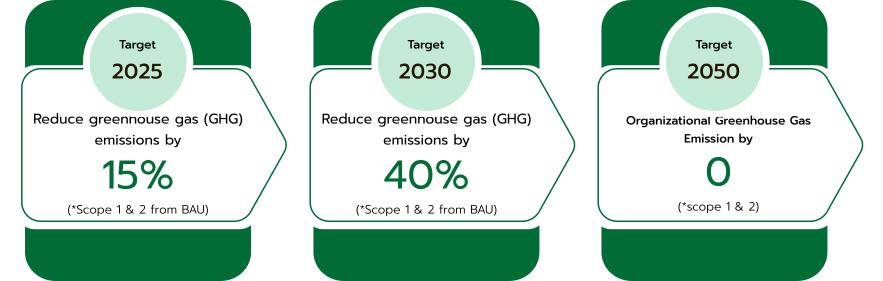
The Company is committed to being a sustainably growing organization that is prepared to address climate change, viewing it both as a source of opportunities and risks. The Company has set a target to reduce organizational greenhouse gas (GHG) emissions by 40% by 2030 and aims to become a carbon neutrality organization by 2050 for Scope 1 and 2 emissions.
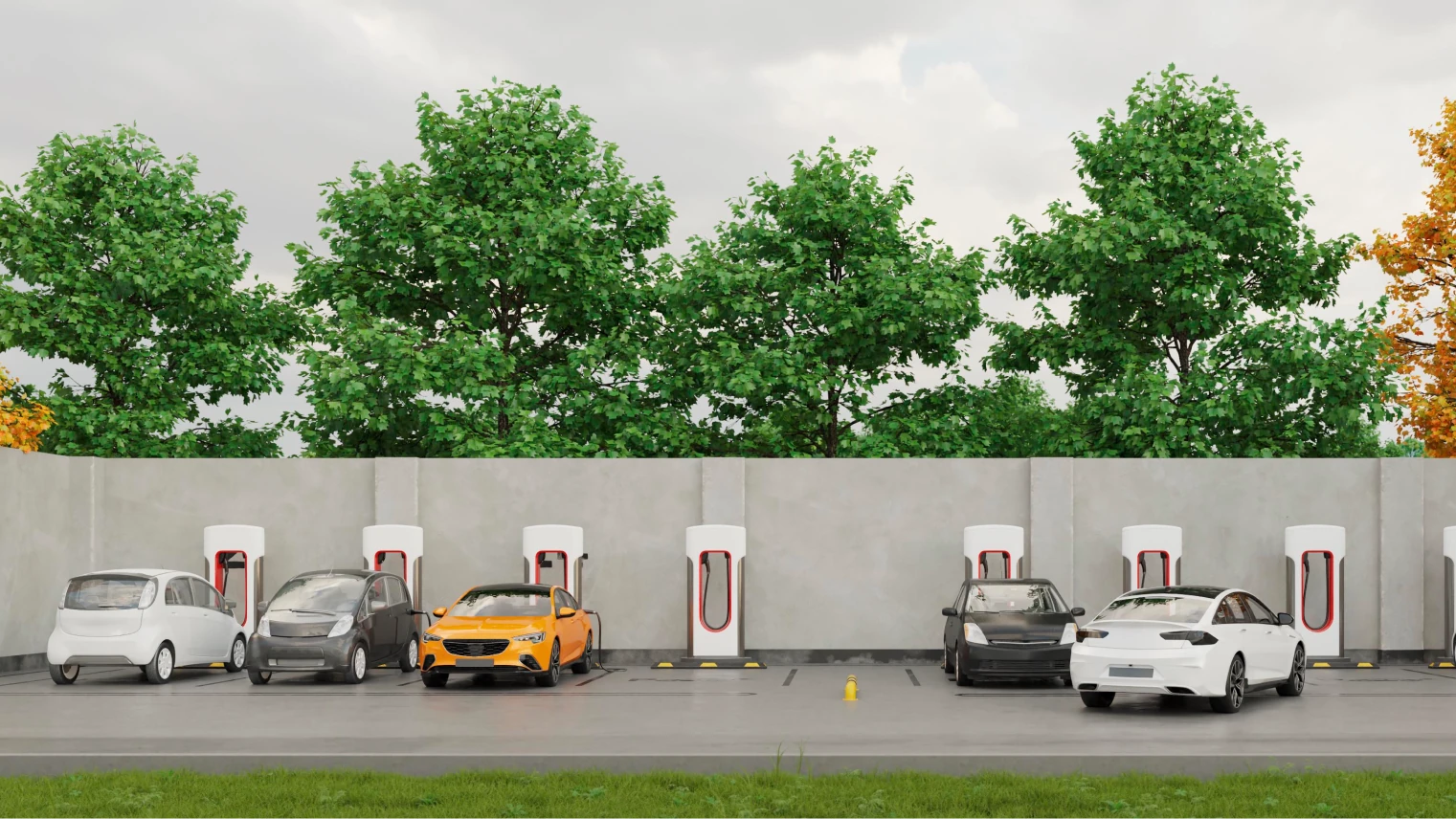
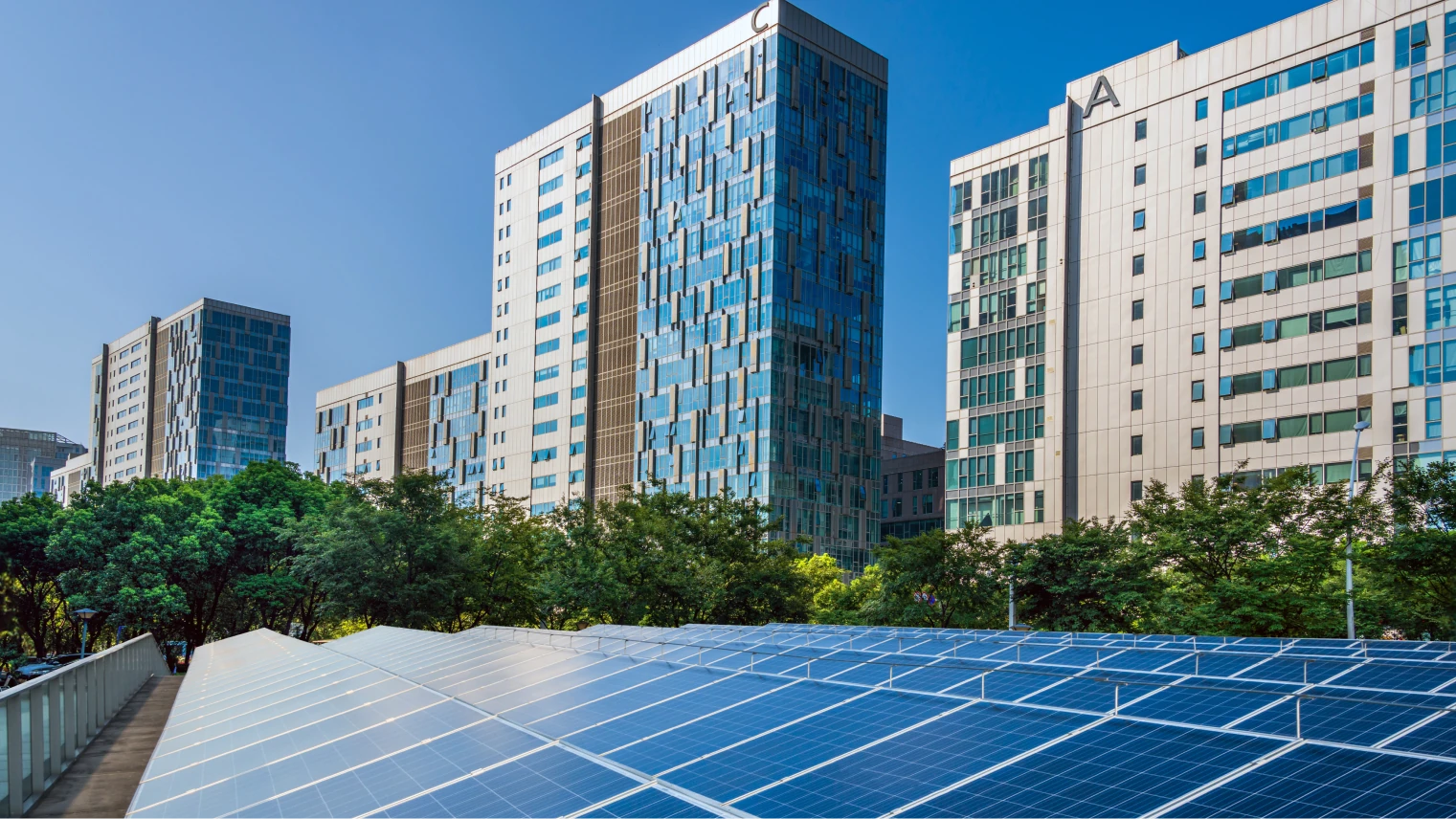
The Company places great importance on the use of renewable energy and improving energy efficiency across its projects, also focuses on environmentally friendly design to minimize impacts on communities, the environment, and ecosystems, while supporting the achievement of the Sustainable Development Goals (SDGs), particularly in the areas of clean energy, sustainable cities, responsible consumption and production, and climate action. Climate change also presents an opportunity for the Company to create a competitive advantage through the development of environmentally friendly projects and innovations. Examples include implementing Green Design and Green Product construction processes, installing clean energy systems such as solar cells and solar roofs, setting up EV charging stations, and converting Company vehicles to electric vehicles (EVs). The Company also applies innovations to reduce resource use and greenhouse gas emissions, such as using SCG Green Choice-labeled materials, managing organic waste to reduce chemical fertilizer use, and designing projects to preserve existing green spaces.
In addition, the Company fosters collaboration with various partners through initiatives such as the Care the Bear project, developing real estate projects certified with LEED Green Building standards, and co-developing technologies with business partners to better respond to government policies. These efforts enable the Company to adapt flexibly and drive growth in an era where climate change represents both a significant challenge and a key business opportunity.


Management and Strategic Approach
Setting Medium-Term and Long-Term Greenhouse Gas Reduction Targets
The Company places great importance on climate change management by establishing clear organizational greenhouse gas (GHG) reduction targets. This supports sustainable development practices and minimizes long-term environmental impacts.
The Company aims to reduce GHG emissions by 40% by 2030 (compared to Business-As-Usual, BAU) and strives to become a net-zero greenhouse gas organization.
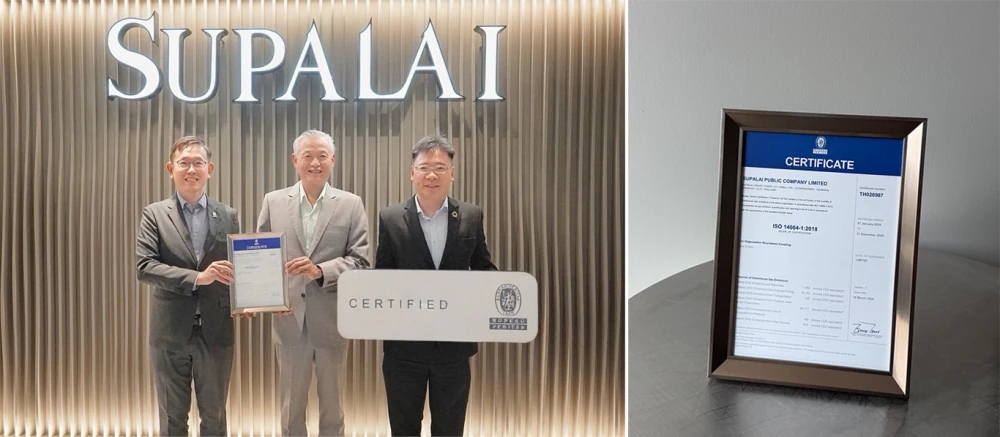
In the future, the management and monitoring of GHG reduction will be conducted in accordance with the standards of the Thailand Greenhouse Gas Management Organization (TGO) and ISO 14064-1, covering reporting across all three scopes (Scopes 1, 2, and 3). The total GHG emissions across these three scopes will serve as key data to track progress and implement measures to achieve the set targets.
The Company has set clear GHG reduction targets at all levels to create a balance between business growth and environmental responsibility, as follows:


Risk and Opportunity Management in Line with the Task Force on Climate-related Financial Disclosures (TCFD)
The Company manages climate-related risks according to the Task Force on Climate-related Financial Disclosures (TCFD) framework, covering both Physical Risks and Transition Risks to enable comprehensive identification, prevention, and response to potential impacts.
Physical Risks
involve assessing risks from natural disasters that are becoming increasingly severe, such as floods, heavy rainfall, storms, earthquakes, and toxic dust. These can damage infrastructure, buildings, and project assets, affect the safety of residents and employees, and cause indirect impacts through supply chain disruptions. Physical risks are categorized as:
-
Acute risks
such as flash floods, severe typhoons, and earthquakes that may disrupt projects or cause damage, as well as water-related risks (water stress/drought).
-
Chronic risks
arising from long-term climate changes, such as continuously rising temperatures, which may lead to sea-level rise, saltwater intrusion, or prolonged heatwaves, causing structural damage to buildings and requiring additional investments.
Transition Risks
refer to risks associated with the shift toward a low-carbon economy. This involves analyzing risks from adapting to environmental policies and regulations, such as construction delays due to environmental conservation measures, increased material and energy costs, and the need for investments in new technologies to support greenhouse gas emission reductions.
Implementation of Climate Change Mitigation and Adaptation Measures
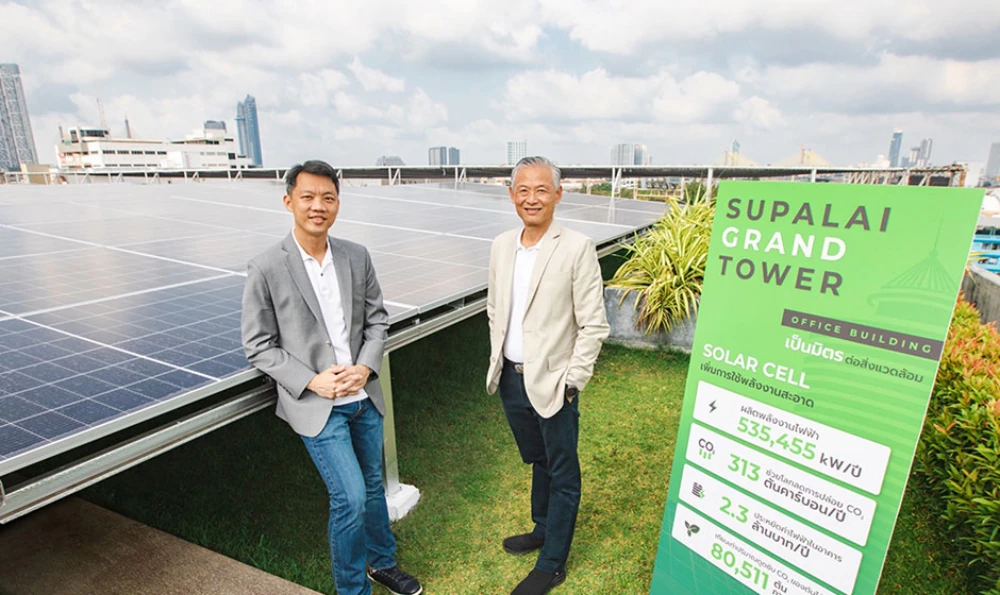
The Company place great importance on managing climate-related risks and opportunities by implementing both preventive and adaptive measures. These efforts aim to address increasingly extreme weather fluctuations, reduce greenhouse gas (GHG) emissions, and enhance long-term business sustainability. The Company applies environmentally friendly building and construction design standards in line with Green Building certifications, installs sub-meters and electrical control systems to monitor real-time energy usage, and promotes the use of eco-friendly materials to reduce organizational GHG emissions. Supalai also collaborates with business partners, such as TOA, to use heat-reflective paint, helping to reduce air conditioning energy consumption.
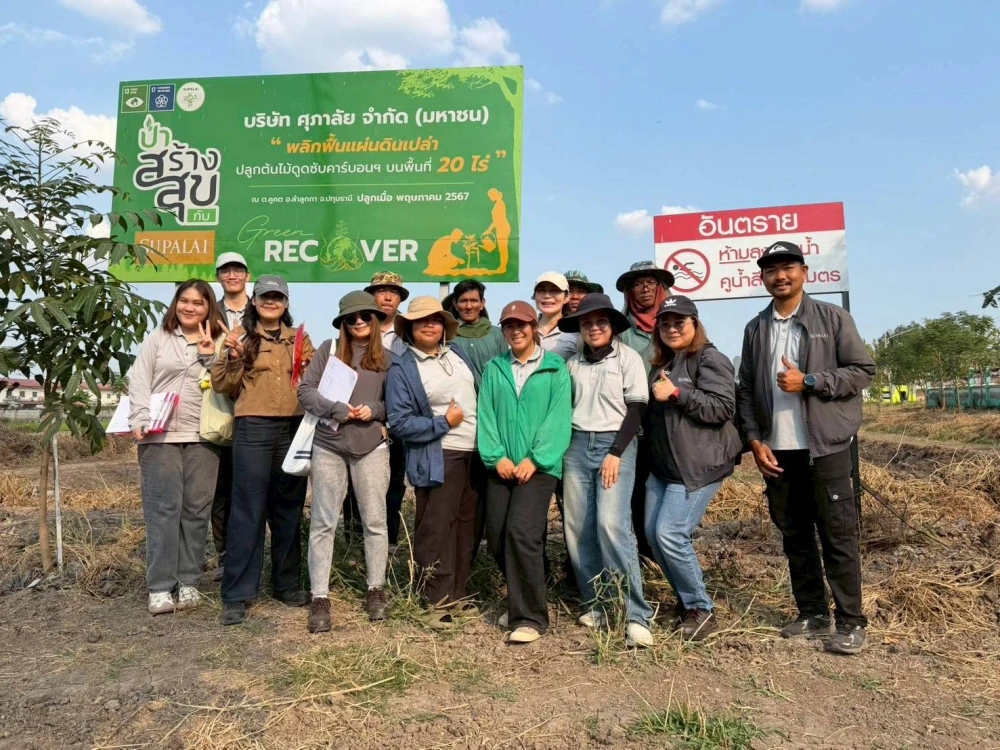
In terms of adaptation, the Company develops projects and infrastructure to address physical risks, including installing EV chargers to support the transition to clean energy, implementing reforestation and marine ecosystem restoration projects to enhance carbon absorption, and creating green spaces in real estate projects to reduce temperatures and provide shade.
Supalai has implemented projects and measures to reduce organizational GHG emissions and strengthen environmental sustainability through seven strategic approaches, as follows:

1. Transitioning the Company’s fleet from fuel-powered vehicles to electric vehicles (EVs)
Reduce fossil fuel consumption and CO2e emissions from internal transportation.

2. Use of environmentally friendly materials
Select certified materials, such as Low VOCs or recycled materials, to reduce environmental and health impacts.

3. Reducing construction waste
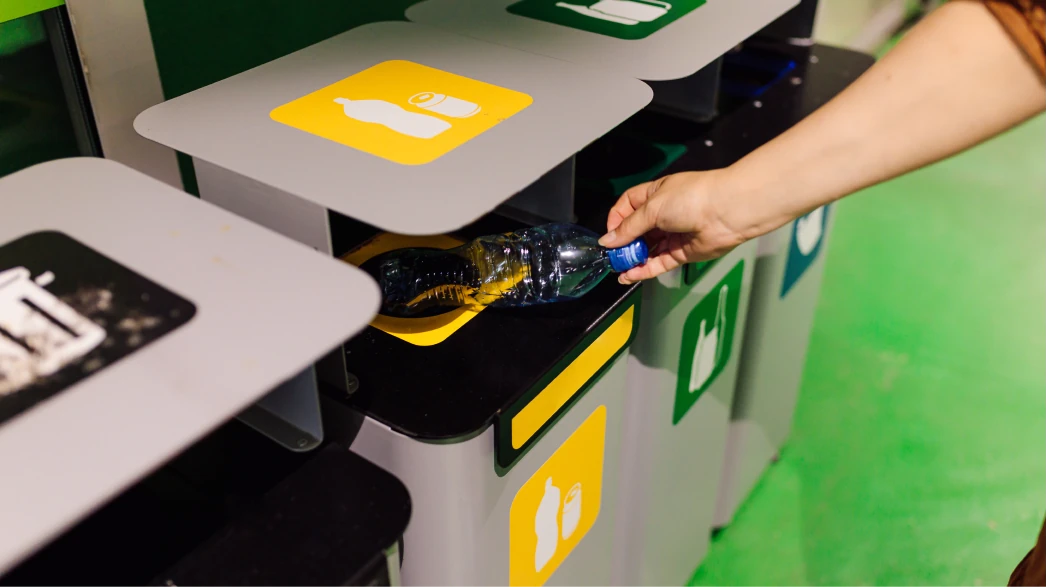
Implement waste management and separation systems at construction sites to increase recycling and reduce landfill waste.

4. Improving HVAC efficiency at Supalai Grand Tower
Replace large-scale air conditioning systems with smaller, energy-efficient systems.

5. Water conservation through reuse
Install water recycling systems within buildings to reduce freshwater use, including reusing wastewater to minimize the consumption of new water.

6. Reducing dust at high-rise construction sites
Help lower energy and fuel consumption by operating water-spraying and vacuuming machinery at optimal levels.

7. Replacing chemical fertilizers with biofertilizers in common garden areas
Help reduce N2O emissions from the soil, as nitrogen is released in a form that generates fewer greenhouse gases compared to chemical fertilizers.
These measures create business competitive opportunities by responding to the demands of environmentally conscious consumers and complying with international standards such as ISO 14064, the Thailand Greenhouse Gas Management Organization (TGO) guidelines, and the Taskforce on Climate-related Financial Disclosures (TCFD) principles. Collectively, they reflect Supalai’s commitment to conducting business based on sustainability and long-term social and environmental responsibility.
Summary of Supalai’s climate-related risk and opportunity management measures:
Mitigation Measures focus on reducing Greenhous gas emissions
With focus on improving efficiency, and using clean energy. Examples of implemented projects include:
- Installation of solar rooftop systems on office buildings and parking structures to reduce reliance on fossil-fuel-based electricity.
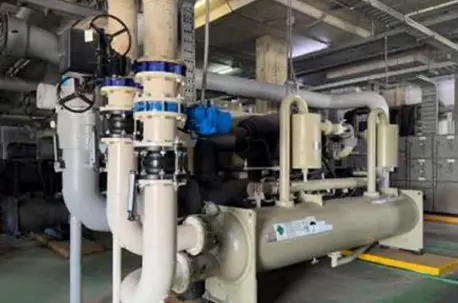
- Replacement of chillers with high-efficiency models to reduce electricity consumption.
- Regular maintenance of electrical systems and equipment to minimize energy loss and extend equipment lifespan.
- Installation of sub-meters and real-time energy control systems to manage energy usage efficiently.
- Campaigns promote the use of environmentally friendly materials to reduce the carbon footprint of construction projects.
- Collaboration with TOA to use heat-reflective paint reducing air conditioning energy consumption.
Adaptation Measures
For the impact, this is aimed to prepare infrastructure and activities to withstand the impacts of climate risks. Examples of implemented projects include:
- Residential design and the use of new construction materials to withstand extreme weather conditions, increased storm intensity, rising levels of toxic dust, heavier rainfall, flooding, earthquakes, and other climate-related hazards.
- Installation of electric vehicle (EV) chargers to support the transition to clean energy.
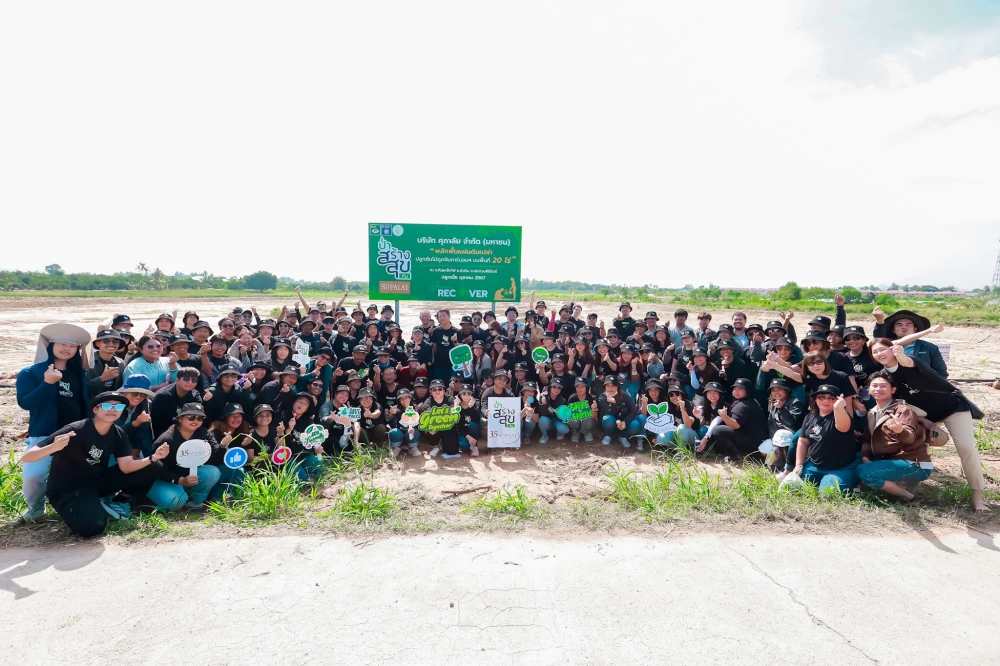
- Reforestation and Ecosystem Restoration Project such as Care the Wild project that aims to increase level of carbon sink and protect biodiversity.
- Development of green spaces within projects to help regulate microclimates, reduce the urban heat island effect, and increase shading.
- Building design in accordance with Green Building and Sustainable Design standards to withstand changing climate conditions.

Innovation & Technology Measures
Focus on applying new technologies and processes to improve efficiency and reduce impacts. Examples of implemented projects include:
- Selection of Green Products to make construction and living environments more environmentally friendly.
- Application of energy monitoring and data analytics technologies to enhance the accuracy of energy management.
- Energy Innovation Awards to encourage employees to develop methods to reduce energy consumption and GHG emissions.

Collaboration & Communication Measures
Emphasize stakeholder and business partner engagement. Examples of implemented projects include:
- Collaboration with external partners such as TOA and SCG, in projects like Green Mission and Low Carbon Solution.
- Internal communication and awareness campaigns to promote environmental consciousness.
- Disclosure and reporting according to international standards such as ISO 14064-1:2018 and the Task Force on Climate-related Financial Disclosures (TCFD).

Knowledge Building and Engagement
Supalai places great importance on enhancing climate change knowledge and awareness among employees, partners, and all stakeholders to foster a corporate culture that recognizes the importance of mitigating impacts and adapting to continuously changing climate conditions. Key activities and measures include:

Training, seminars, and awareness campaigns to improve understanding of greenhouse gas management and efficient resource use.

Supporting suppliers and business partners in applying sustainability practices within their operations and supply chains to raise shared sustainability standards.

Collecting and reporting greenhouse gas emissions data in accordance with international standards, such as ISO 14064-1:2018, the Task Force on Climate-related Financial Disclosures (TCFD), and GRI 305: Emissions, ensuring transparency and alignment with global ESG reporting requirements.

Linking operations to the United Nations Sustainable Development Goals (SDGs), particularly SDG 7 (Affordable and Clean Energy), SDG 11 (Sustainable Cities and Communities), SDG 12 (Responsible Consumption and Production), and SDG 13 (Climate Action).
Supalai’s knowledge-building and engagement activities are integrated with the Company’s environmental strategy, enabling comprehensive climate change management. This encompasses greenhouse gas mitigation, climate adaptation, and the creation of new environmentally friendly business opportunities for sustainable future growth.
Stakeholders Directly Impacted

Customer
Positive Impacts
- Receive environmentally friendly projects with energy-efficient systems and effective water management.
- Reduced central expenses from energy and water savings.
Expected Impacts / Risks
- Project development costs may increase, leading to higher selling prices.
- Create understanding of the benefits of environmental measures.

Employee
Positive Impacts
- An environmentally friendly, safe, and health-promoting work environment.
- Pride in being part of an organization with a Net Zero goal.
Expected Impacts / Risks
- The need to adjust work methods according to new technologies and measures may require additional training.

Supplier / Contractor
Positive Impacts
- Opportunities to develop and provide materials/technologies that reduce carbon, such as SCG Green Choice and Solar Roof.
Expected Impacts / Risks
- Adapting to the Company's environmental requirements may lead to increased costs.

Shareholder / Investor
Positive Impacts
- Enhanced corporate image, building trust in ESG and sustainability, and reducing business risks from climate change.
Expected Impacts / Risks
- Investing in green technology could have an impact on short-term profitability.

Community / Society
Positive Impacts
- Benefit from projects that reduce pollution and use resources sustainably.
- Participate in activities such as reforestation and the Care the Bear project.
Expected Impacts / Risks
- There is an expectation for the Company to play a greater role in community development."

Government Agency
Positive Impacts
- Operations aligned with Climate Action policies, SDGs 11/12/13, and environmental regulations.
Expected Impacts / Risks
- Regular data reporting and monitoring, which increases the burden of data collection.