Occupational Health and Safety


Supporting the Sustainable Development Goals (SDGs)



Goals and Performance Highlights


100% Employees receiving training on safety, occupational health, and workplace environment
Commitment, Challenge and Opportunity

Occupational Health and Safety (OHS) is a critical issue for both the Company and its stakeholders. Ineffective management of occupational health and safety may directly impact on the physical and mental well-being, safety, and quality of life of employees, as well as workers of suppliers and contractors operating within construction project sites and office buildings. Such risks not only lead to potential losses in human resources but may also disrupt business operations, affect project timelines and the delivery schedule of residential units to customers, and damage the Company’s reputation and stakeholder confidence. In addition, these impacts may result in increased project development costs and additional financial burdens arising from remediation, medical expenses, or penalties imposed under stringent legal and regulatory requirements.
Furthermore, the Company has conducted an integrated analysis linking occupational health and safety risks with climate change–related risks that may affect business operations and financial performance. Accident records, work-related illnesses, and workplace environmental factors are incorporated into the enterprise risk management process. The Company also assesses climate-related risks, such as rising temperatures and extreme weather events, and their potential impacts on the safety of employees and construction workers. The findings are used to support construction planning, cost management, and the development of proactive preventive measures.
Therefore, systematic management aimed at reducing workplace risks and promoting employee well-being represents a key opportunity to enhance operational efficiency, achieve zero workplace accidents, and elevate construction quality standards. This approach also strengthens confidence among customers and investors, reinforcing the Company’s position as a responsible real estate developer committed to sustainable business practices and the continuous improvement of quality of life for personnel across all sectors.
Governance Structure
Safety, Occupational Health and Working Environment Governance
The Company has established a governance structure for occupational safety, health, and workplace environment to ensure effective implementation of policies and continuous performance improvement. Safety management is considered the responsibility of employees at all levels under the supervision of key governance bodies as follows:
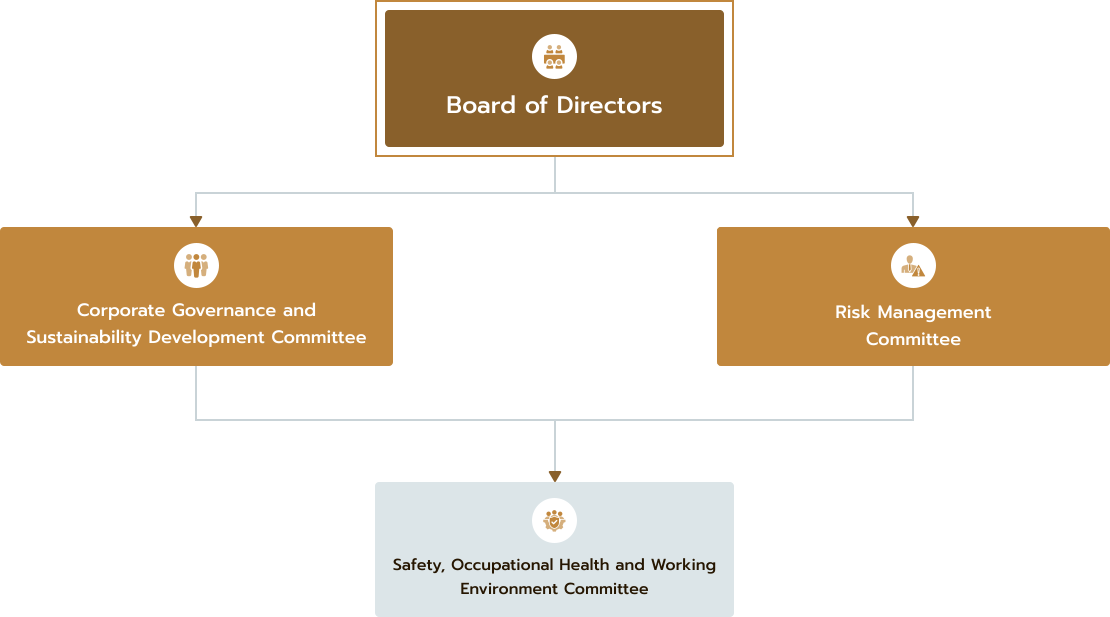
In 2025, the Company appointed the Safety, Occupational Health and Working Environment Committee, chaired by Mr. Chaipuk Subromyen, with a total of 10 members from various departments. The committee ensures strict compliance with safety standards, conducts monthly safety inspections, promotes workplace safety initiatives, and strengthens the Company’s safety culture.
The committee meets regularly and reports performance quarterly to communicate policies, engage with internal and external stakeholders, share improvement initiatives, and promote collaboration and safety awareness among employees, contractors, suppliers, regulators, and other stakeholders.


Strategies and Management Approaches
Policy and Commitment
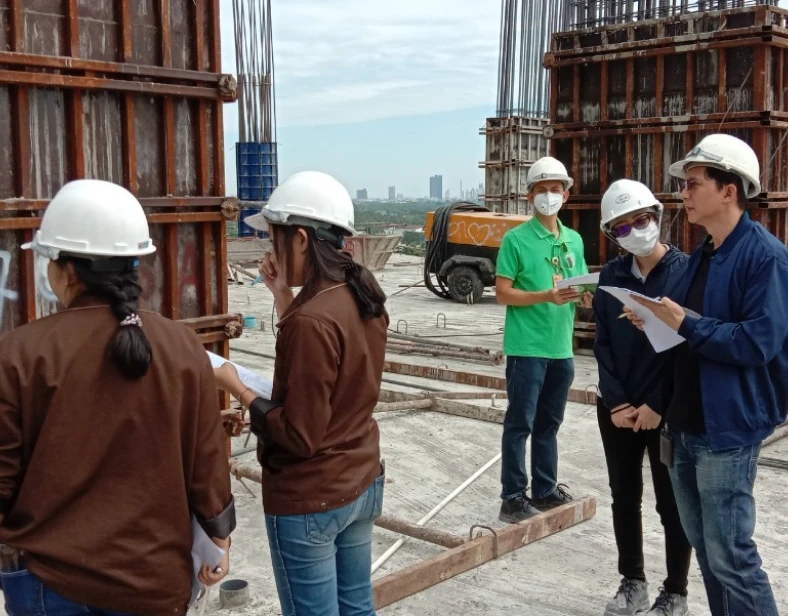
The Company is committed to fostering safety awareness among employees and ensuring safe working practices across the organization. To achieve this, the Company has established an Occupational Safety, Health, and Workplace Environment Policy, requiring all executives and employees to strictly comply with relevant laws and regulations.
The Company has developed operational guidelines aligned with Thailand’s occupational health and safety regulations, including the Occupational Safety, Health and Environment Act B.E. 2011, related ministerial regulations, and the Safety Management System Standards B.E. 2022. These frameworks support effective management of workplace health and safety within the organization.
The Company manages occupational health and safety through a Human Rights and Safety Due Diligence process covering employees, contractors, the value chain, and stakeholders who may be affected. This approach aligns with the United Nations Guiding Principles on Business and Human Rights (UNGPs).

Human Rights and Safety Due Diligence Process
Policy on Safety, Occupational Health and Working Environment
Supalai Public Company Limited places great importance on occupational safety, health, and workplace environment for employees at all levels, as well as for communities and society. All employees are required to strictly comply with relevant laws and regulations and actively participate in improving working conditions and fostering a safety culture within the organization. The Company supports knowledge sharing, safety training, and safety-related activities to ensure that workplaces remain organized, clean, and safe. Performance is continuously monitored, evaluated, and improved to prevent accidents, reduce risks, and create a safe and efficient working environment for all stakeholders.
For more information, please visit:
Policy on Safety, Occupational Health and Working Environment

Strategy and Management Approach
The company received the "Outstanding Establishment" award for labor relations and labor welfare at the national level for the year 2025 from the Department of Labor Protection and Welfare (DLPW), for the 8th consecutive year. This reflects an establishment that respects human dignity and conducts business truly based on international standards. Therefore, it can be assured that the company is completely free from labor practices that violate human rights, and all processes, including recruitment, hiring, training, and compensation, are conducted equally, based on ability and experience, without discrimination based on any personal factors, to promote stable livelihoods and improve the quality of life for employees at all levels.
The Company discloses sustainability information in accordance with the GRI Standards, particularly GRI 403: Occupational Health and Safety (2018). The Company has established operational strategies for occupational health, safety, and workplace environment management to ensure policy implementation across the organization.
The Company promotes employee participation in workplace safety by providing opportunities for qualified employees to apply for positions as safety representatives in the occupational health, safety, and workplace environment function. These representatives participate in meetings between employers and employees to identify issues, provide recommendations, and monitor the progress of corrective actions.
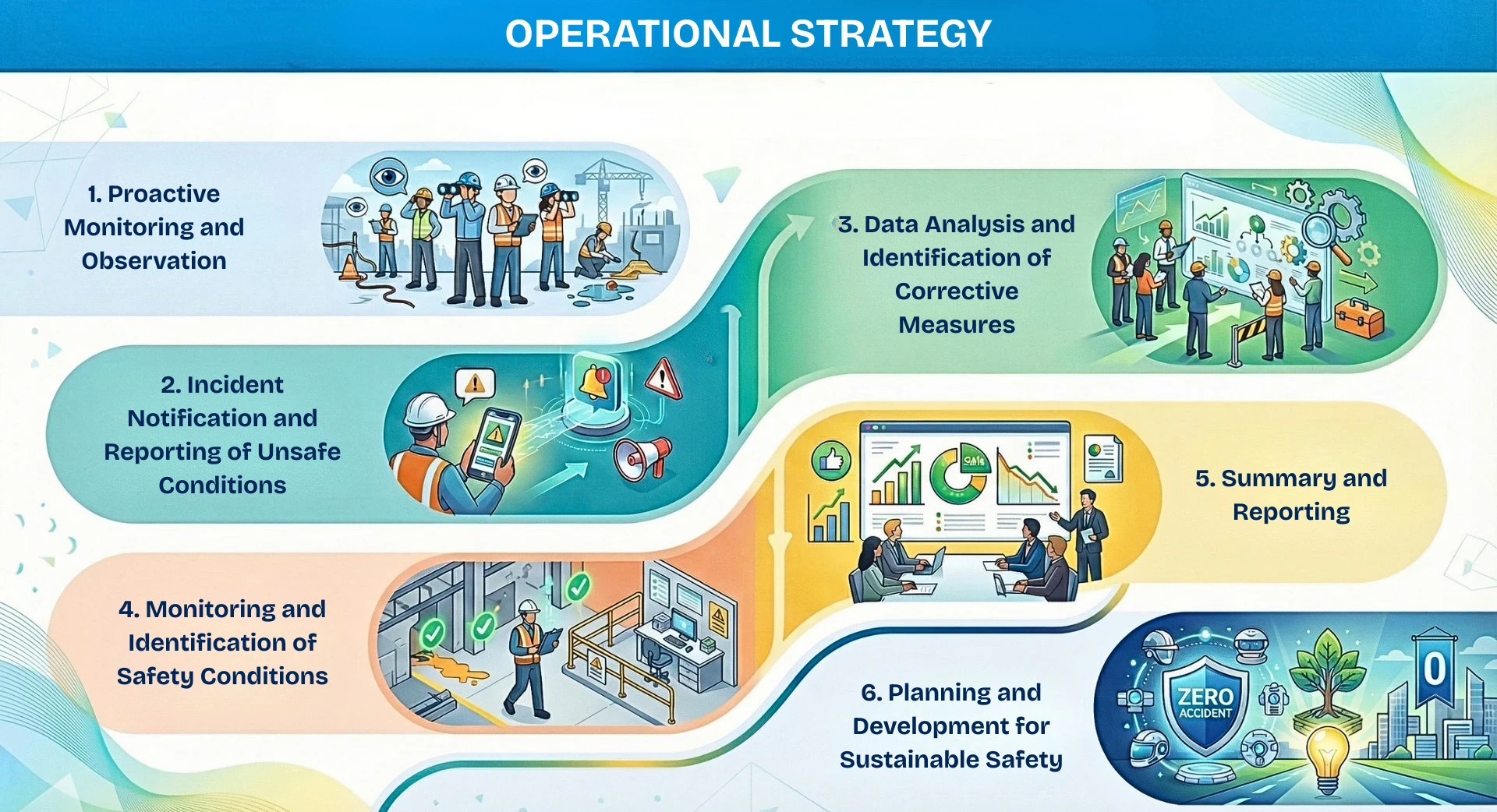
To strengthen workplace safety management, the Company has established an Unsafe Working Condition Reporting System for employees and contractors working within Company premises. This system supports proactive identification and management of safety risks and promotes sustainable workplace safety through the following process:
Stakeholders Directly Impacted

Customers
Positive Impacts
- Receive services and housing that meet safety standards, with a good environment that reduces the risk of accidents and health issues.
Expected Impacts / Risks
- If safety measures are insufficient, it may affect customer confidence, satisfaction, and purchasing decisions.

Employees
Positive Impacts
- Receive occupational safety, appropriate protective equipment, health check-ups, and a safe working environment.
Expected Impacts / Risks
- Lack of care may lead to accidents, injuries, or occupational illnesses, impacting morale and performance.

Business Partners and Suppliers
Positive Impacts
- Gain confidence in collaborating with an organization that prioritizes safety and environmental care, fostering positive relationships.
Expected Impacts / Risks
- Unsafe incidents may affect cooperation and the reputation of suppliers.

Shareholders and Investors
Positive Impacts
- Be assured that the Company has a robust management system, reducing risks from accidents and legal disputes, and enhancing reputation and sustainability.
Expected Impacts / Risks
- Poor management may adversely affect share value, confidence, and the long-term sustainability of the organization.

Community and Society
Positive Impacts
- Benefit from the Company’s environmental controls, which reduce impacts such as pollution, noise, and ensure proper waste management.
Expected Impacts / Risks
- Inadequate environmental management may result in complaints, and affect the health and quality of life of the community.

Government Agencies
Positive Impacts
- Receive cooperation from a Company that complies with laws and safety and environmental standards.
Expected Impacts / Risks
- Non-compliance with laws may result in fines, legal penalties, and scrutiny from authorities.
Performance Results
The Company systematically manages occupational health and safety risks while promoting employee well-being. Safety performance is regularly monitored and evaluated by the Safety, Occupational Health and Working Environment Committee.
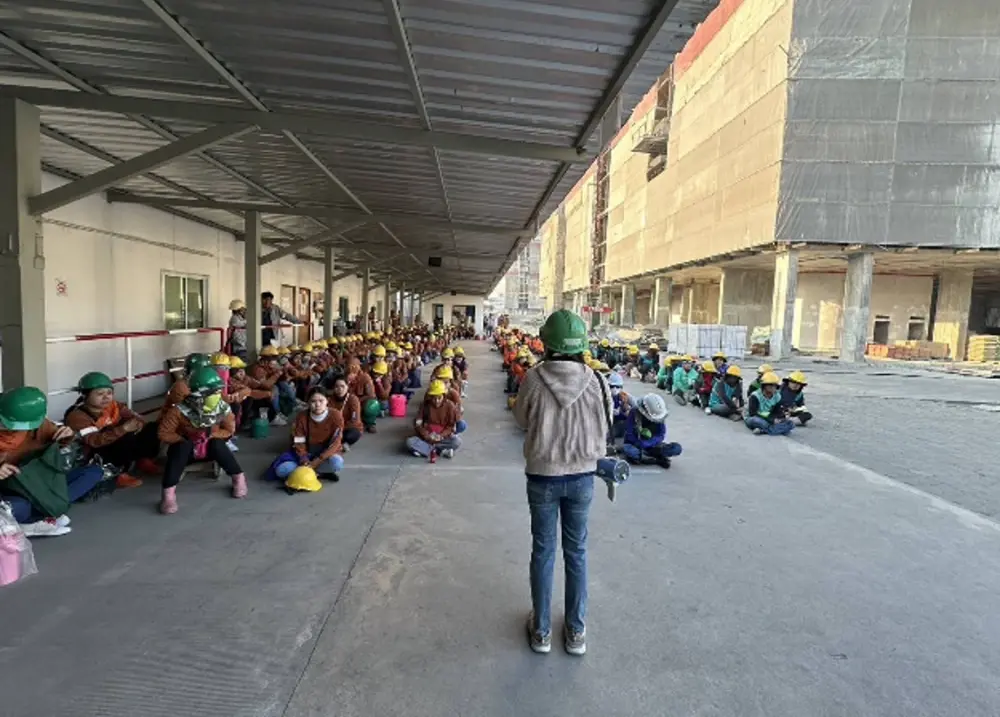
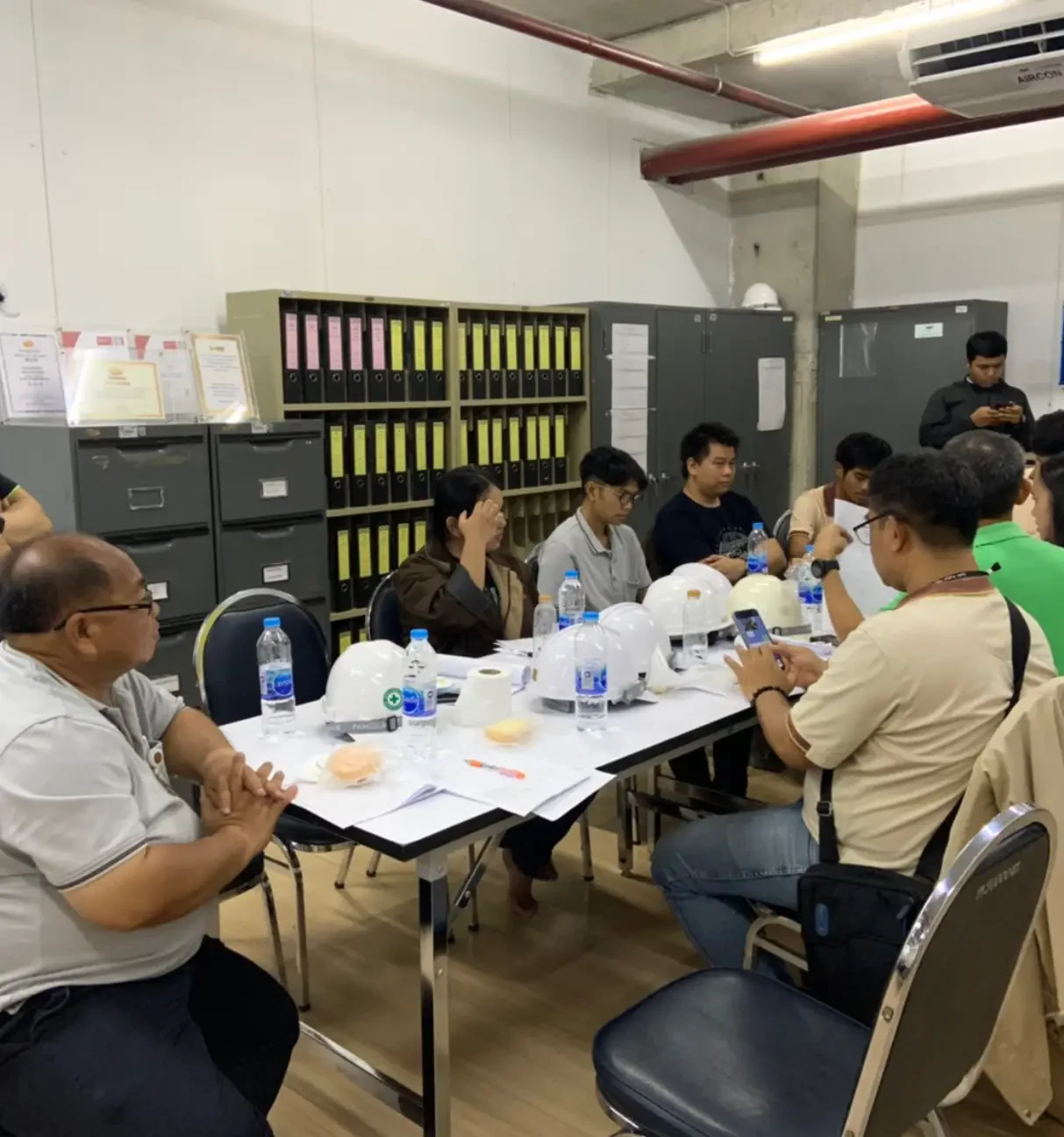
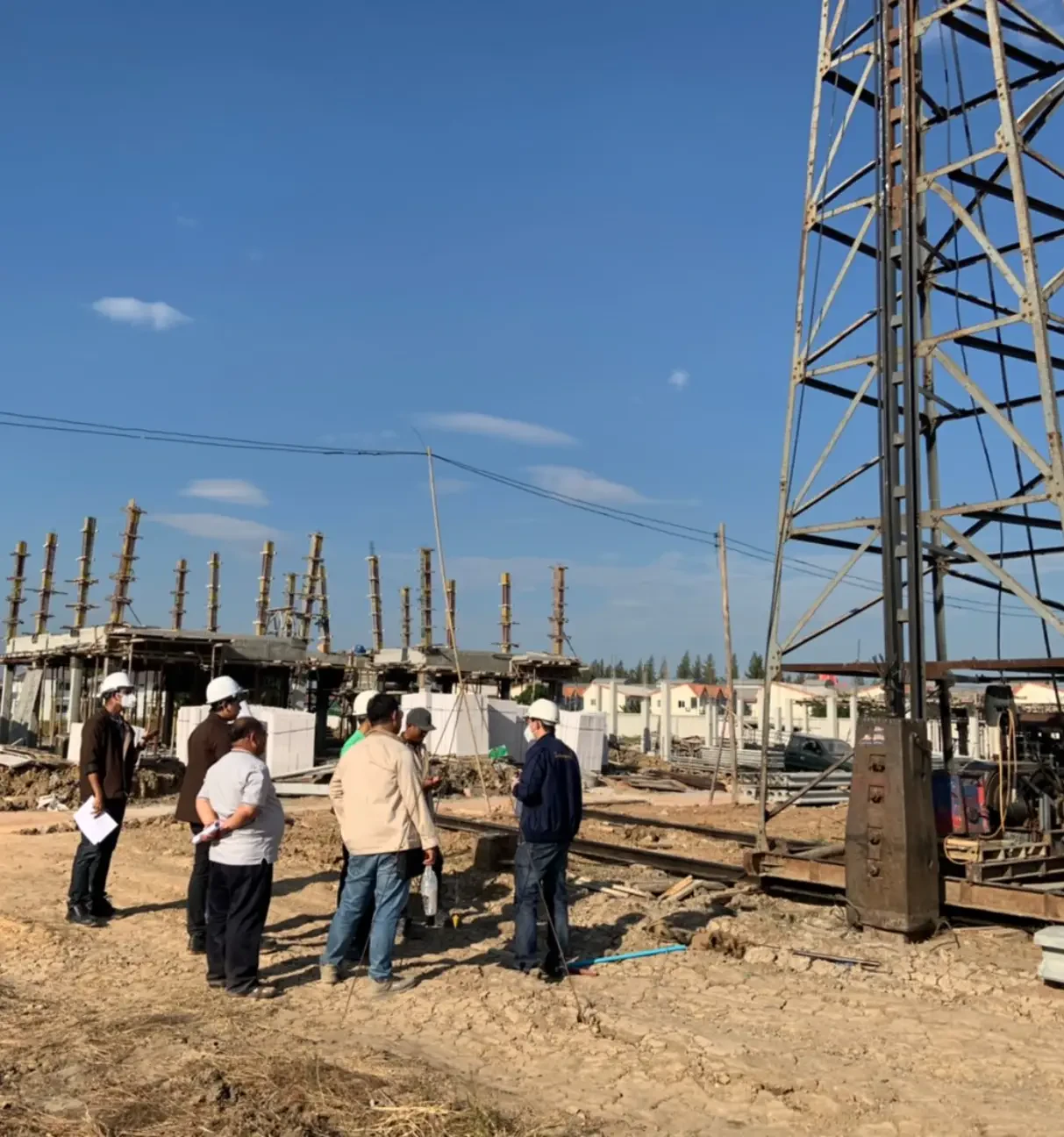
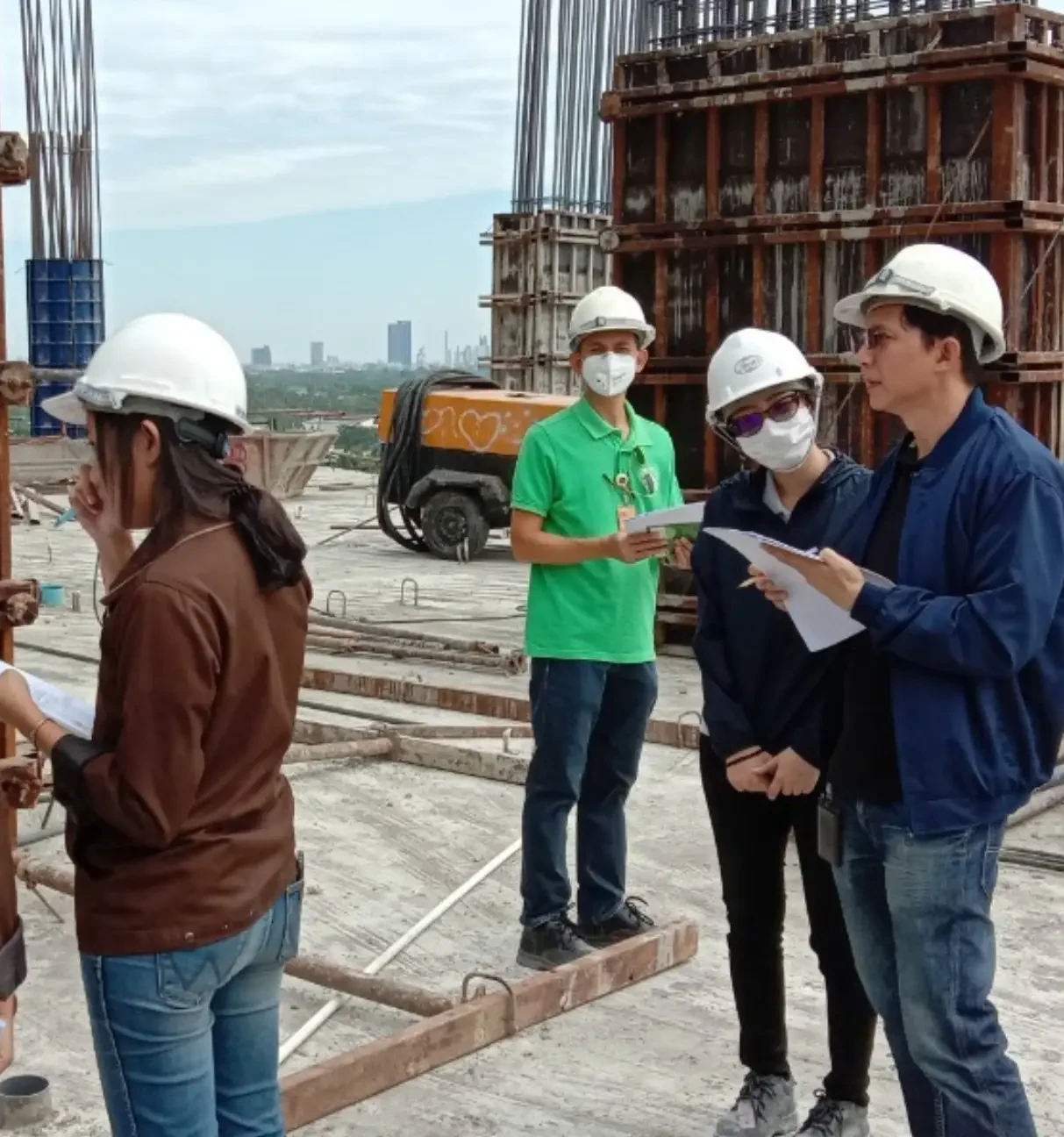
In 2025, safety inspections were conducted across 60 construction projects, comprising Low Rise Projects and High Rise Projects, as well as the Company’s headquarters. Several improvement opportunities were identified, including enhancements to the occupational health, safety, and environmental management system, such as training plans and management reviews.
During the year:
- 100% of employees received training on safety, occupational health, and workplace environment.
- No work-related accidents resulted in severe injury, permanent disability, or fatalities among employees.
| Key Risk Factors | Affected Stakeholders | Potential Impacts | Preventive Measures |
|---|---|---|---|
| 1. Workplace Safety and Working Environment |
|
Working at height, falls from height, severe injuries or fatalities |
|
| Falling construction materials injuries caused by impact or crushing |
|
||
| 2. Construction Machinery and Equipment |
|
Injuries from being caught in, struck by, or impacted by machinery |
|
| 3. Occupational Health | Contractor workers | Fatigue, fainting, or heat-related illnesses such as heatstroke due to hot weather conditions |
|
ESG-Integrated Safety Audit Plan
Safety inspections cover three key operational areas:


| Audit Items | E: Environment | S: Social | G: Governance |
|---|---|---|---|
| Workplace environment conditions |  |
 |
 |
| Structural safety inspection of site offices | |
|
|
| Fire prevention and protection readiness | |
||
| Storage and organization of construction materials | |
||
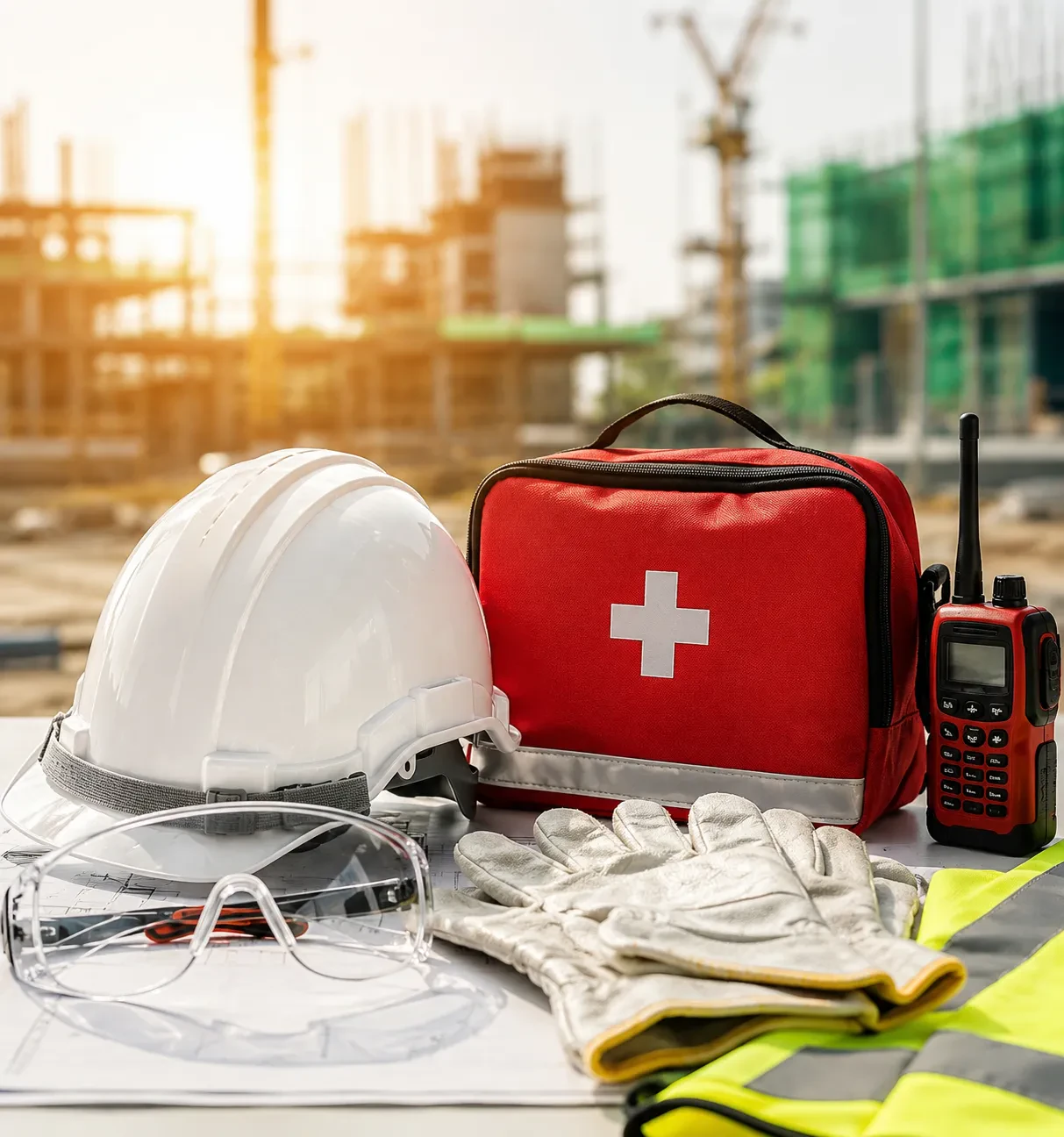
| Availability of first aid kits | |
||
| Availability of personal protective equipment (PPE) | |
||
| Electrical system and wiring inspection | |
||
| Working-at-height safety inspection | |
||
| Safety warning signage | |
||
| Inspect accommodation hygiene (cleanliness, ventilation) | |
|
|
| Availability of basic facilities (toilets, lighting) | |
|
|
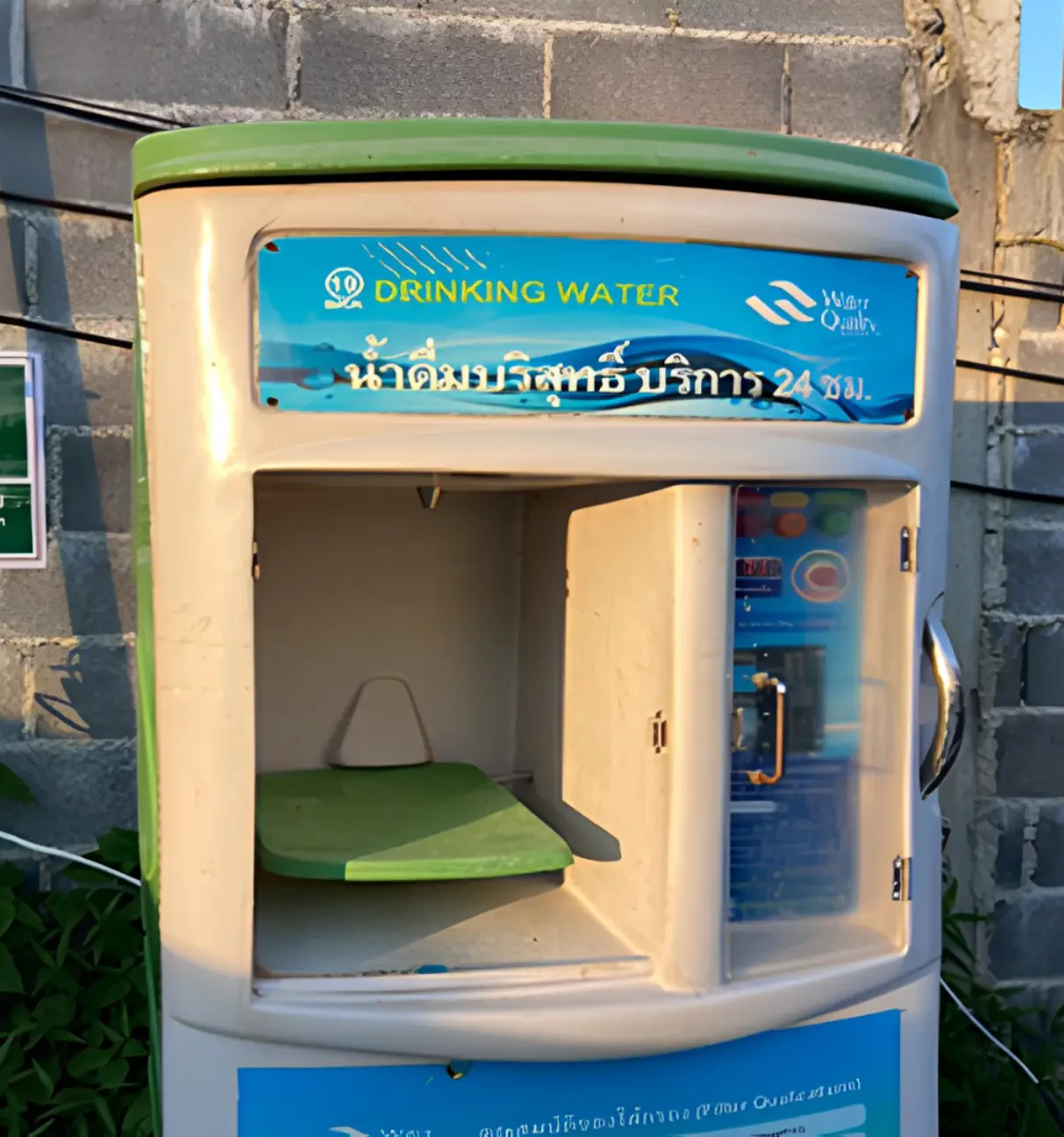
| Access to clean and hygienic drinking water | |
||
| Waste and waste management | |
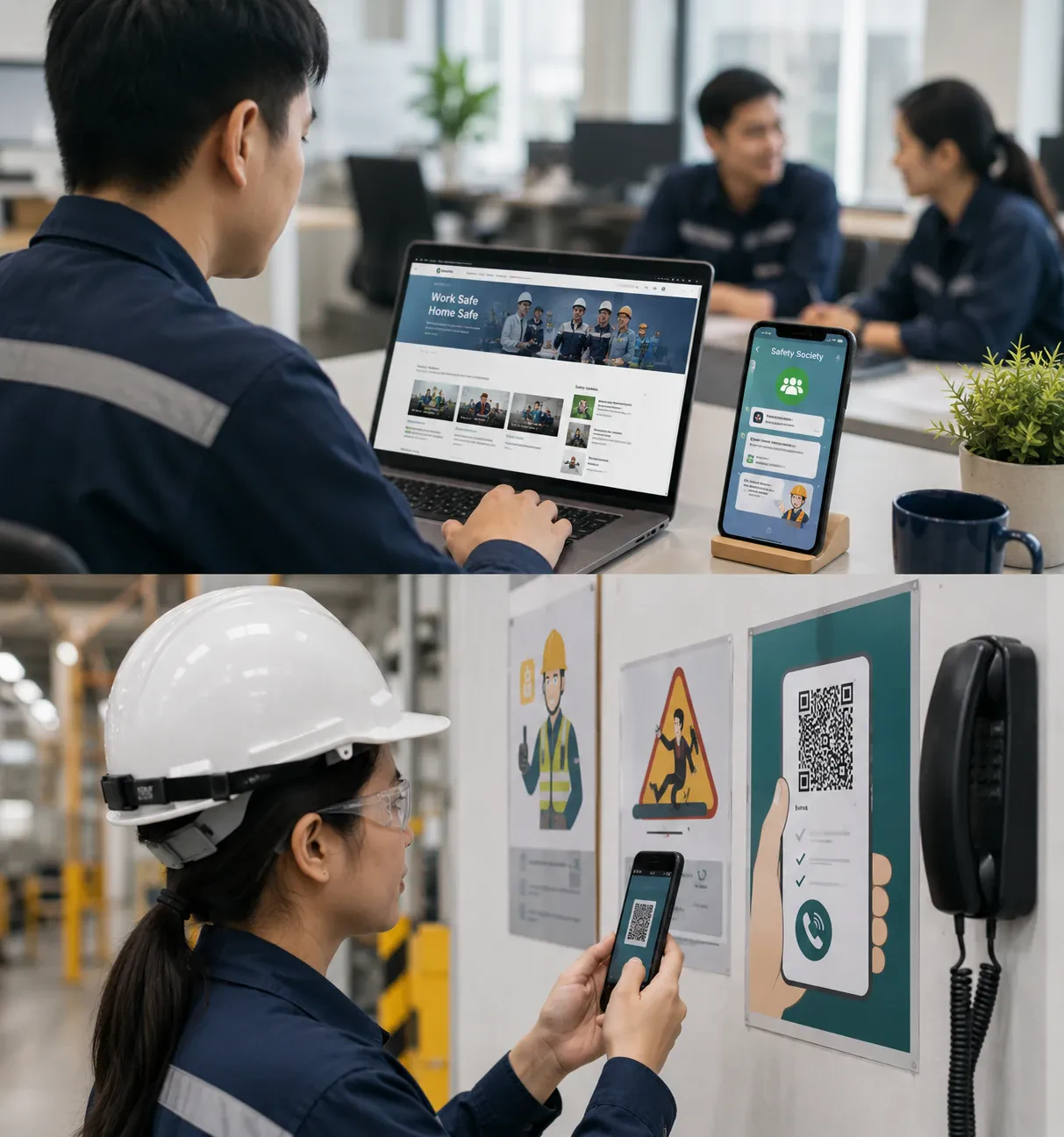
The Company has established a system to collect occupational health and safety audit results from each project. The assessment results are reported and communicated to employees through the Companys internal Intranet Safety Society system, serving as a guideline for collaborative and safe working practices across the organization.
| ESG Assessment Results | Number of Projects Assessed | Contractors Passing the Assessment | |
|---|---|---|---|
| Number (persons) | Proportion (%) | ||
| High Rise Projects | 3 | 2 | 100 |
| Low Rise Projects | 57 | 140 | 100 |
Occupational Health, Safety and Workplace Environment Communication Channels
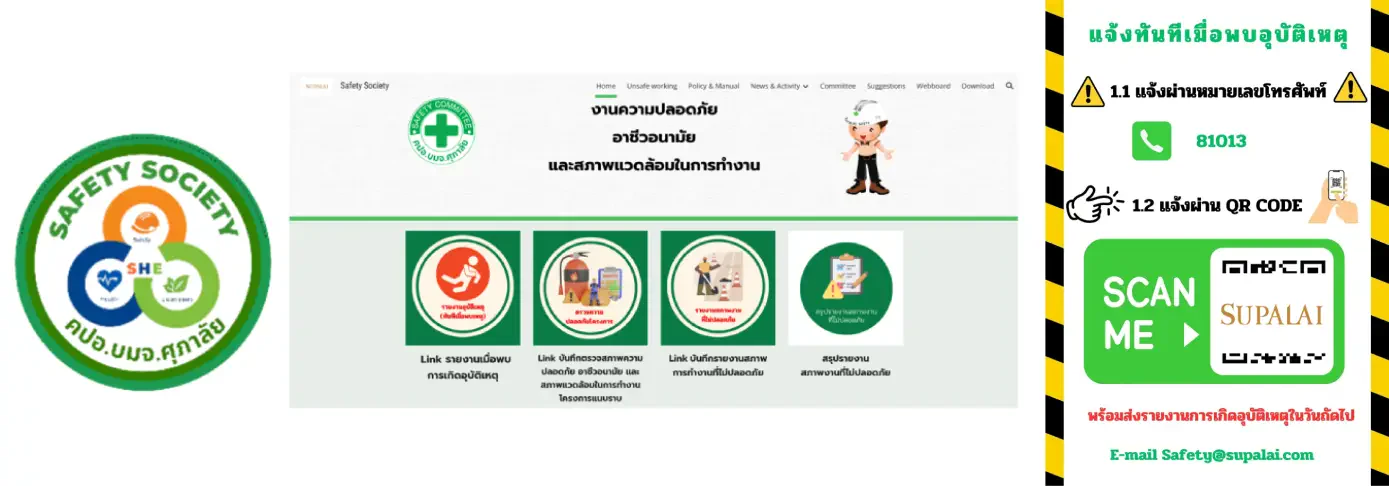
- Internal Communication Platforms: The Company communicates safety-related information through its internal intranet platform, Safety Society, as well as the Safety Society LINE Group, which serves as a channel for sharing safety updates and workplace safety information among employees.
- Safety Awareness and Reporting Channels: Safety awareness is promoted through informational posters and safety performance statistics displayed in the workplace. These materials communicate reporting channels for unsafe working conditions and encourage timely corrective action to reduce and prevent workplace accidents. Employees and contractor workers can report unsafe conditions via telephone or QR Code reporting systems.
Occupational Safety, Health, and Environmental Statistics
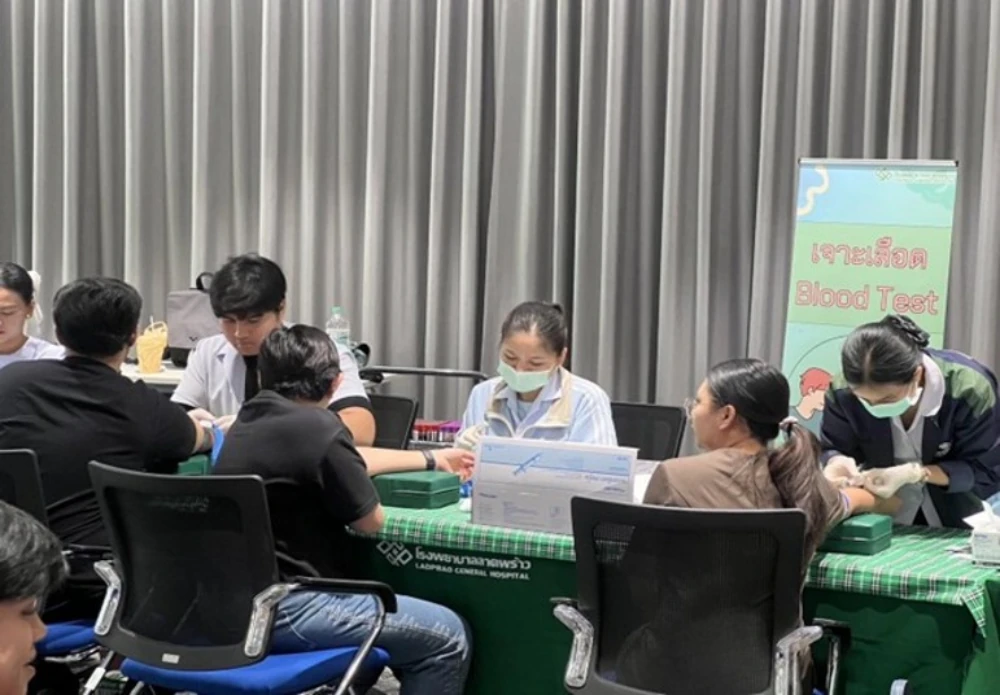
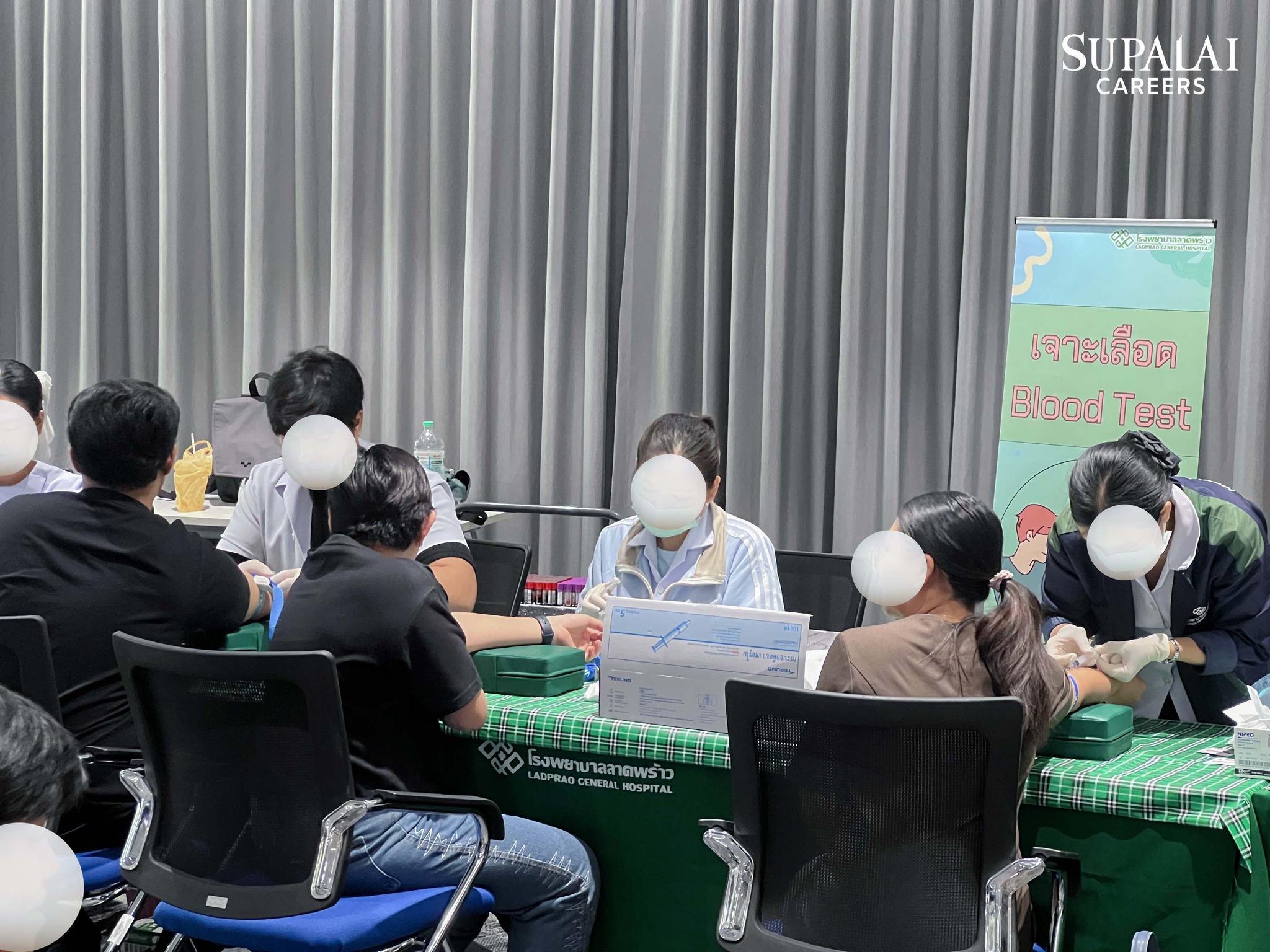
The Company places great importance on creating a safe working environment and promoting the well-being of employees to prevent and reduce work-related illnesses. Various initiatives have been implemented, including improvements to workplace conditions such as temperature, lighting, noise levels, and dust control, safety and health training programs, annual health check-ups, and health promotion activities. The Company also provides employee welfare and medical benefits covering both physical and mental health. As a result of these efforts, no cases of work-related illnesses were reported in 2025.
The Company is committed to creating a safe working environment and promoting the health of all personnel. The Company's health and safety management system covers employees, construction workers, and contractors as follows:
| Number (Persons) | Proportion (%) | |
|---|---|---|
| Providing Safety Training on Construction Work to New Employees | 31 | 100% |
| Providing Appropriate Personal Protective Equipment (PPE) for the Task and Risk | 550 | 100% |
| Arranging an Annual Health Check-up for Personnel | 1,370 | 97%* |
*Percentage calculated based on the total number of employees in 2025.
Occupational Health, Safety and Workplace Environment Statistics 2025
The Company monitors the Lost Time Injury Frequency Rate (LTIFR or LTIR) and work-related fatalities among employees and contractors/suppliers operating within the Companys premises. In 2025, no work-related illnesses were reported. However, records of occupational accidents and work-related injuries were reported as follows:
| Lost Time Injury Frequency Rate: LTIFR | 2025 |
|---|---|
| Total | 0.90 |
| Employees | 1.86 |
| Contractors/Suppliers | 0.17 |