Energy Management


Supporting the Sustainable Development Goals (SDGs)


Goals and Performance Highlights




Strategies and Management Approaches
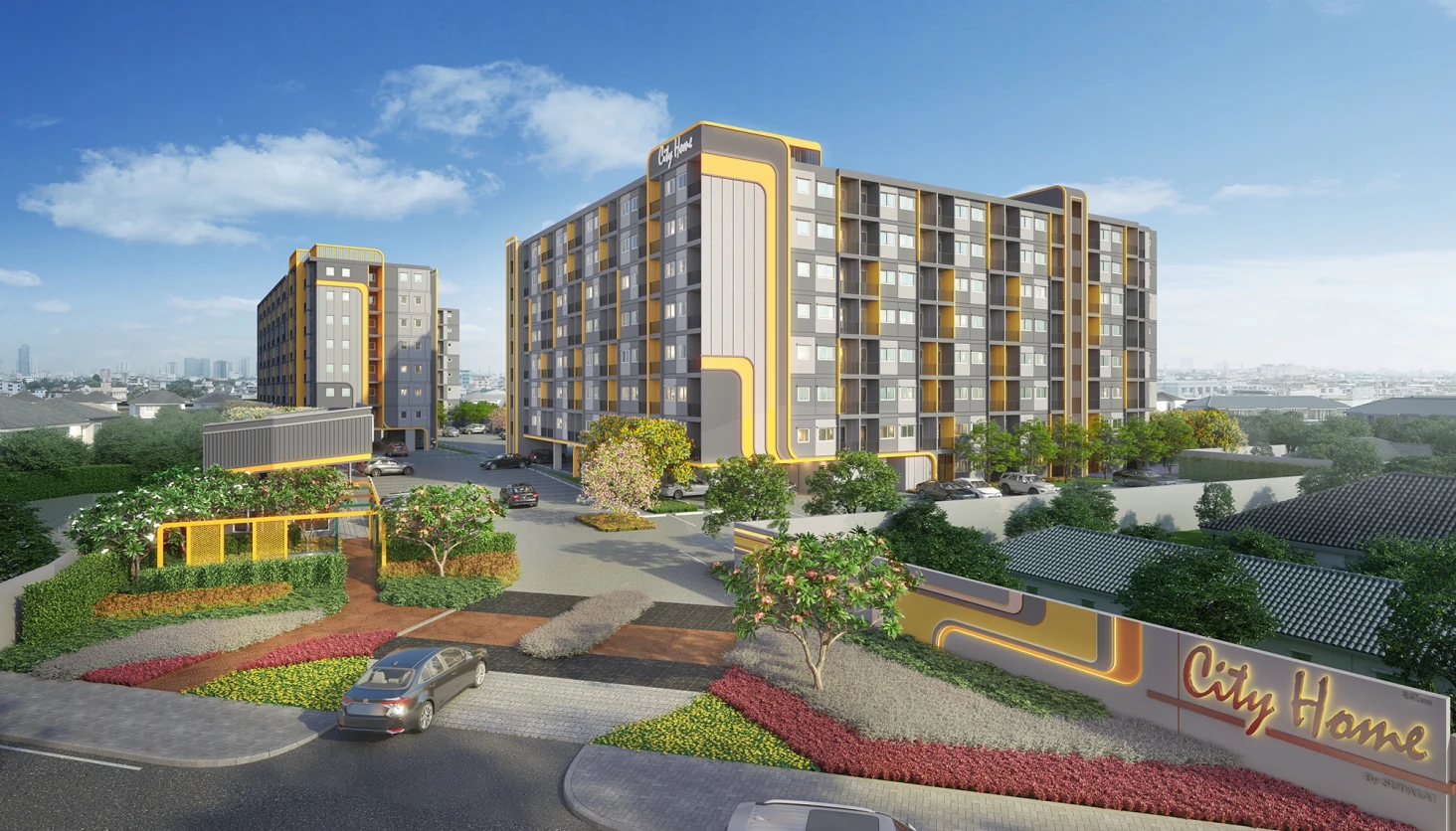
The Company places great importance on designing and developing projects with energy efficiency in mind at every stage, from project planning, building design, material selection, to the installation of various systems within the building, to ensure that projects can concretely reduce energy consumption. The organization has adopted Green Building design principles according to international standards, such as LEED, as a key guideline in design, covering aspects of efficient energy use, resource management, and creating an environment conducive to the well-being of residents.
Furthermore, in building construction and decoration, the Company prioritizes the installation of energy-saving systems and equipment, such as high-efficiency air conditioning units that reduce energy consumption, air conditioning systems that can appropriately control energy usage according to the actual needs of each area, and LED lights that consume less energy but provide high brightness. The Company also selects construction materials that help reduce heat accumulation and improve ventilation, such as thermal insulation materials, energy-saving glass, and heat-reflective materials, to enable occupants to use energy most efficiently, reduce cooling loads, decrease reliance on fossil fuels, and increase the production and use of energy from renewable sources, as well as promote and support partners in efficient energy management to reduce greenhouse gas emissions throughout the supply chain.
The Company has established policies and guidelines for efficient resource utilization, covering various company policies such as electricity and lighting usage policy, office equipment usage policy, air conditioning and ventilation fan usage policy, to ensure that all directors, executives, and employees, including subsidiaries, operate in a concrete and unified manner.
For more information, please visit :
Policy on Efficient use of Resources
Stakeholders Directly Impacted

Employees
Positive Impacts
- Gain knowledge and skills in energy conservation, enabling participation in cost reduction and energy efficiency improvement.
Expected Impacts / Risks
- If they lack knowledge or failure to follow guidelines may result in energy-saving measures not achieving the intended targets.

Suppliers / Retailers
Positive Impacts
- Have opportunities to develop environmentally friendly energy products/services and build long-term relationships with the Company.
Expected Impacts / Risks
- If they are unable to comply with energy measures, they may be restricted as business partners or loss of business opportunities.

Customers
Positive Impacts
- Reside in energy-efficient buildings, reduce utility costs, and enjoy an improved quality of life.
Expected Impacts / Risks
- If they do not participate in the use of energy-saving equipment, this may reduce system efficiency and increase costs.

Community / Society
Positive Impacts
- Benefit from projects that reduce energy consumption and greenhouse gas emissions, supporting the Company’s environmentally responsible image.
Expected Impacts / Risks
- If projects use energy inefficiently, they may cause environmental impacts and undermine community trust.

Government Agencies and External Regulatory Bodies
Positive Impacts
- Receive cooperation in complying with energy laws and policies, and gain data to support the development of new measures.
Expected Impacts / Risks
- If the Company fails to comply with regulations, it may face legal penalties or lose opportunities to participate in government-supported projects.

Shareholders / Investors
Positive Impacts
- Gain confidence that the Company manages energy efficiently, reduces costs, and enhances competitiveness.
Expected Impacts / Risks
- If energy management is inefficient, it may affect performance and investment attractiveness.

Performance Results
House Design and Selection of Energy-Saving Materials
Smart Energy-Saving Homes
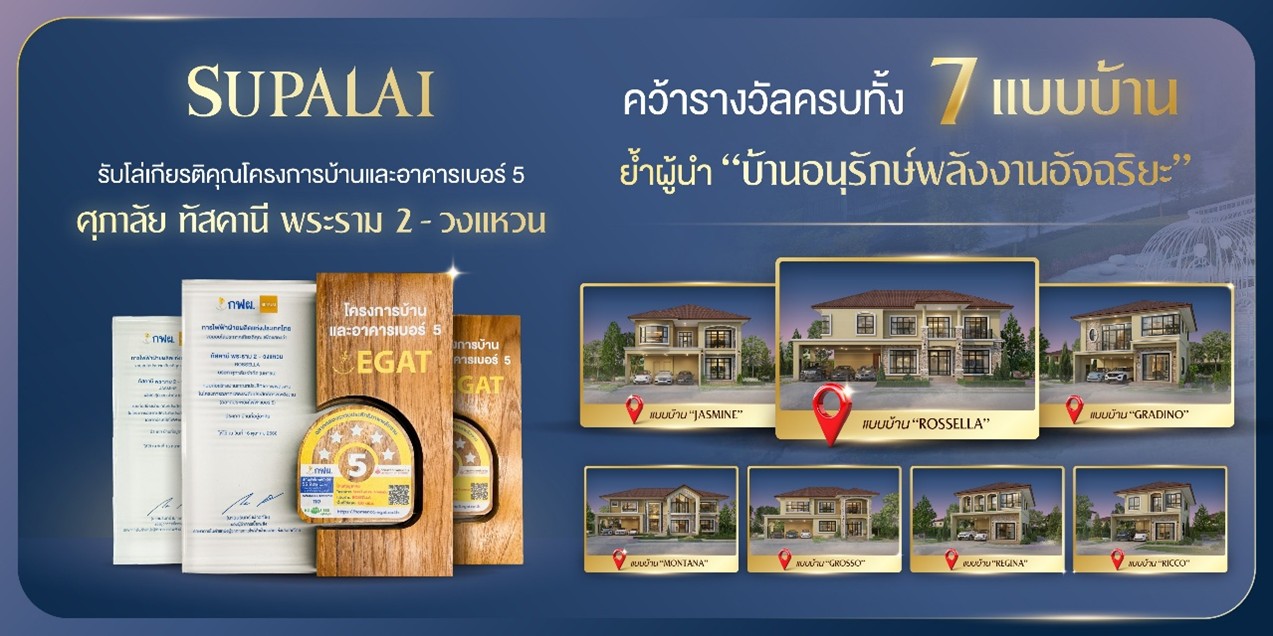
The Company is committed to developing sustainable residential projects. Every component of each home is designed to be environmentally friendly and support future technologies, reflecting the concept of "Smart Living for Sustainable Future," which integrates intelligent living with energy and environmental conservation for long-term sustainability. The Company has designed smart energy-saving home projects, such as Supalai Tuscany Rama 2–Wongwaen, which received efficiency certification with an honorary shield for cooperation in promoting sustainable energy conservation from the EGAT No. 5 House and Building Project by the Electricity Generating Authority of Thailand (EGAT).
The Company received the EGAT No. 5 House and Building Project Award, emphasizing enhanced energy efficiency. Homes must achieve a total score of no less than 85% or a combined score of 100-125 points from energy efficiency criteria such as walls, roofs, lighting, air conditioning, and nature-dependent design innovations. In 2025, all 7 house types, namely MONTANA, ROSSELLA, GROSSO, JASMINE, GRANDINO, REGINA, and RICCO, received the award.
| Energy Efficiency Criteria | Innovation and Nature-Dependent Design Criteria | Evaluation Result | Selection of Renewable Energy |
|---|---|---|---|
| 1. Building envelope system for walls | 1. Passive Design | Meets criteria | 1. Home system installation Automation & Security reduces electricity consumption and enhances convenience and safety within the home. |
| 2. Building envelope system for roofs | (Designed to reduce heat) | Meets criteria | 2. Installation of Solar Cell systems to help save electricity. |
| 3. Lighting System | 2. Electricity Generation | Meets criteria | 3. Installation of EV Chargers to support the continuous growth of electric vehicle usage. |
| 3. Air Conditioners | (Self-generated electricity, e.g., solar cells) | Meets criteria | |
| 5. Smart control system | Meets criteria |
Enhancing Energy Efficiency

Use of Renewable Energy
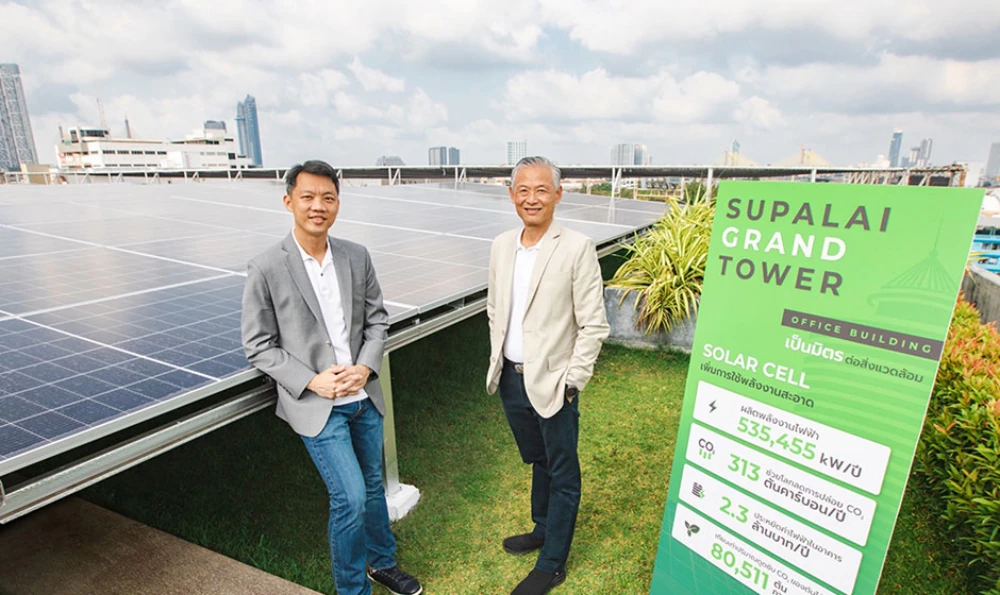
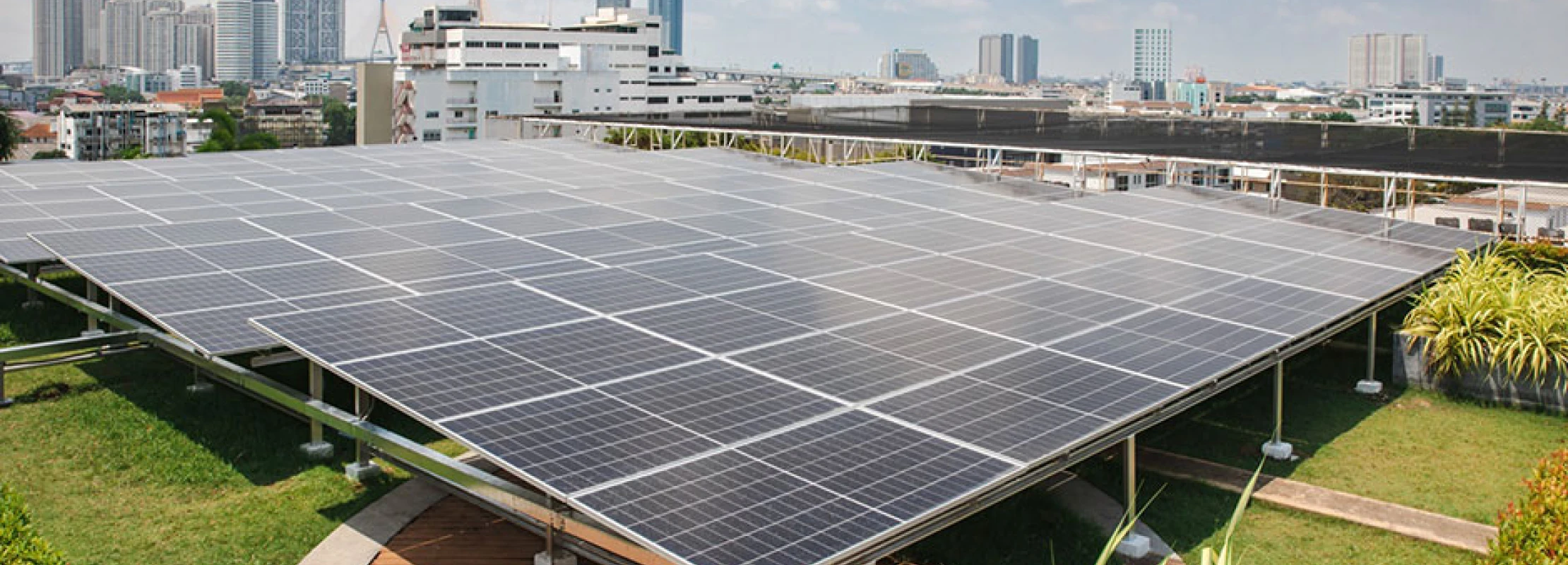
The Company promotes the use of renewable energy by installing solar power generation systems (Solar Cells) within its projects to integrate clean energy into its operations and enhance energy efficiency. This also helps reduce reliance on fossil fuels, lower greenhouse gas emissions, and mitigate environmental impacts. Furthermore, the Company has incorporated the concept of clean energy into its design and marketing communications to add value to its products, encourage energy saving among residents, and foster participation in environmental care, aligning with long-term climate change goals and sustainable development.
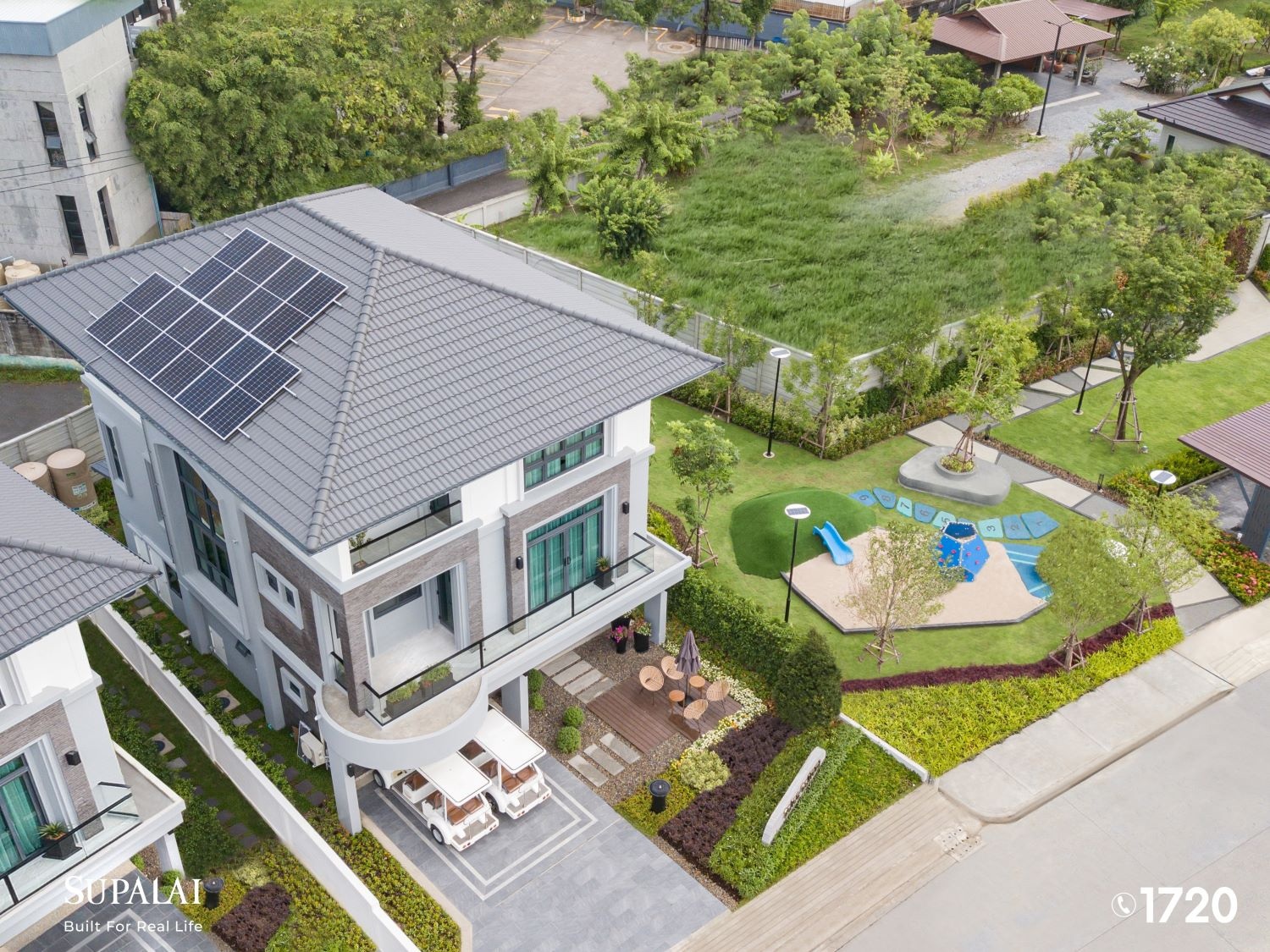
In 2025, the Supalai Primo Anusawari Phuket project was developed, featuring a project layout and wind direction design, as well as the selection of construction materials that help reduce global warming, such as lightweight bricks and insulation to cool down indoor temperatures, leading to electricity savings. Renewable energy is also utilized through the installation of a 3.3 kW solar power generation system per house, reducing greenhouse gas emissions by 3.0 tCO2e and saving electricity costs* of 22,000 Baht/year.
(*Referencing the calculation results for greenhouse gas emission reduction and annual electricity generation in residential homes by the Thailand Greenhouse Gas Management Organization: TGO)
Reducing Reliance on Fossil Fuel Energy Sources
Transition to Electric Vehicles (EVs)
The Company is committed to sustainable business operations, supporting efficient energy use, and transitioning to a low-carbon economy in the long term. By 2025, it promotes the adoption of Electric Vehicles (EVs) to replace fossil fuel-powered vehicles in its operations, aiming to enhance energy efficiency and reduce environmental impacts from transportation activities, which are significant sources of greenhouse gas emissions. This helps reduce fuel consumption, carbon dioxide emissions, air pollution, and noise from vehicle use.
| Department | Original quantity (Units) | Increased quantity (Units) | Total (Units) |
|---|---|---|---|
| 1. Headquarters | 3 | 1 | 4 |
| 2. Project Department | 1 | 2 | 3 |
| Total | 4 | 3 | 7 |
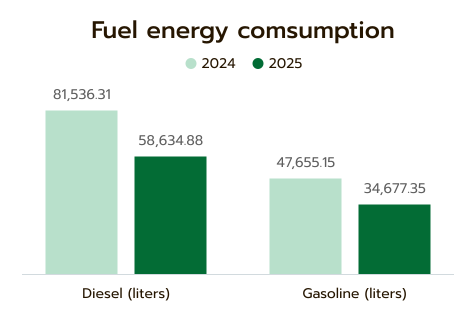
Reduces long-term fuel and maintenance costs.
Reduction of direct greenhouse gas emissions from transportation activities (Scope 1) 91.33 tCO2e
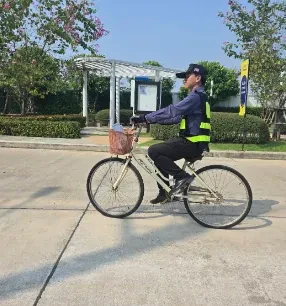
Promoting the Use of Fuel-Efficient Vehicles for Security Operations
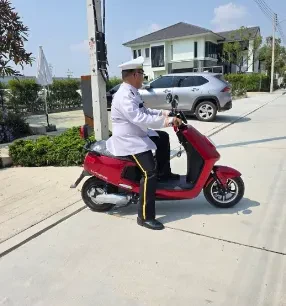
The Company encourages partners to reduce fuel consumption from oil use to support sustainable development and minimize environmental impact, while also focusing on reducing noise and air pollution. by using bicycles 3 units and Electric Motorcycles 34 units A total of 37 units are used for security operations in projects, such as tracking external contacts and patrolling within the project area, which aligns with sustainable development guidelines.
- Reduces greenhouse gas emissions and air pollution caused by motorcycle fuel combustion.
- Reduces noise pollution disturbing residents, especially during night patrols.
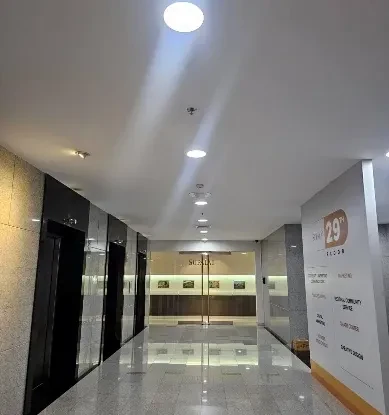
Energy Conservation in Office Buildings and Rental Properties
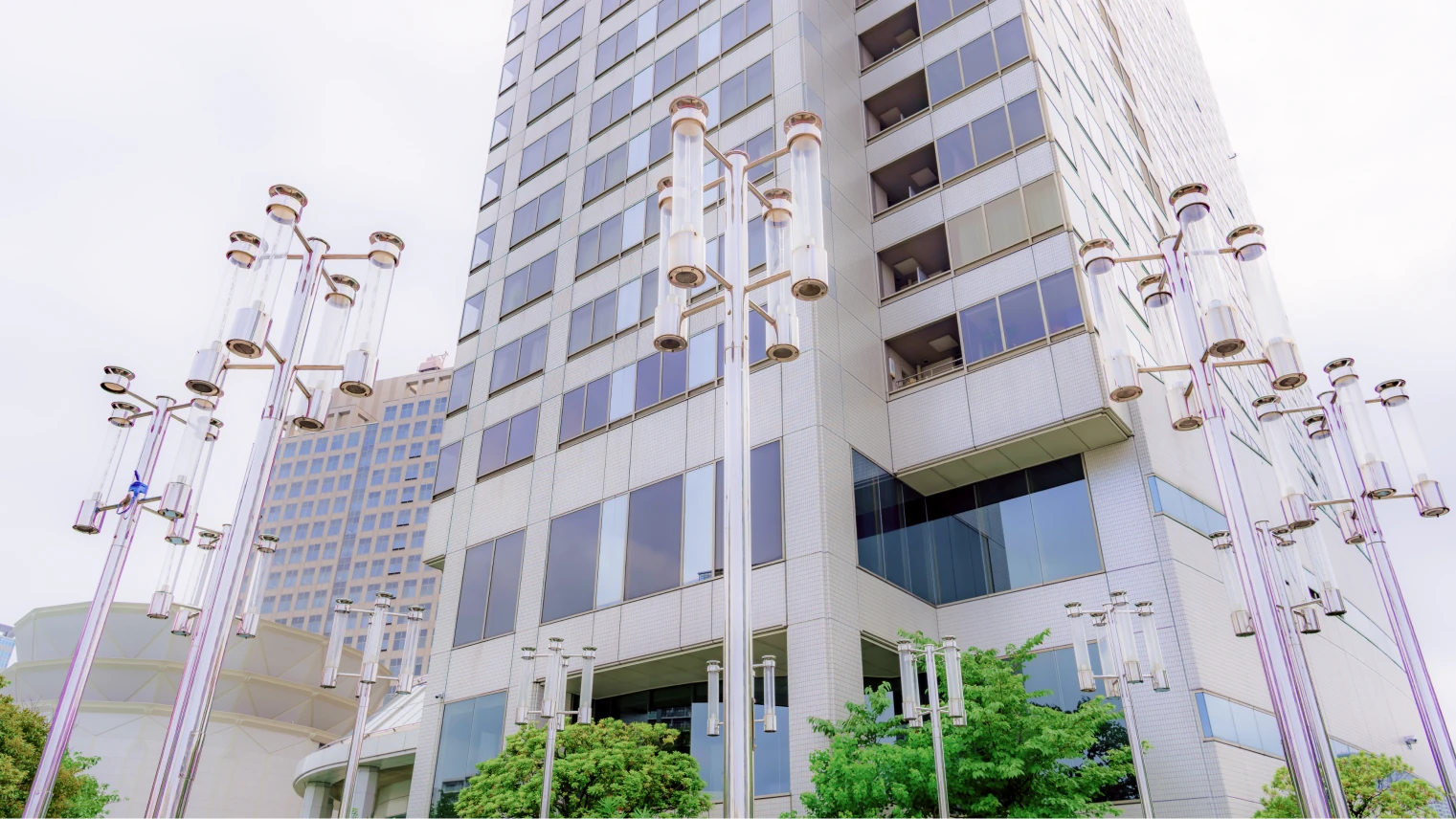
The Company promotes efficient electricity use by selecting standard and energy-saving light bulbs, such as LED bulbs, to conserve energy in common areas and restrooms of Supalai Grand Tower, replacing older, less efficient bulbs. Additionally, light intensity is regularly measured to ensure appropriate lighting levels for work, and light bulbs are checked for cleanliness to reduce unnecessary energy consumption, aiming for energy savings, reduced organizational costs, and fostering a culture of efficient and sustainable energy use.
Energy management: Electricity consumption
| Supalai Grand Tower | (Kilowatt-Hours) | ||
|---|---|---|---|
| 2023 | 2024 | 2025 | |
| Total electricity consumption within the organization | 35,493,036.38 | 28,721,821.12 | 23,459,920.10 |
| Electricity purchased for consumption from non renewable energy sources | 33,984,186.56 | 26,978,401.91 | 21,976,054.48 |
| Electricity purchased or generated for consumption from renewable energy sources | 1,508,849.82 | 1,743,419.21 | 1,483,865.62 |