Customers and Stakeholders Responsibility


Supporting the Sustainable Development Goals (SDGs)




Goals and Performance Highlights


Commitment, Challenge and Opportunity

The Company is committed to conducting its business responsibly toward customers and stakeholders. Operations are managed in accordance with the ISO 9001:2015 quality management standard, covering processes from planning and design to operational control, quality inspection, and data analysis. This systematic approach supports continuous improvement and enhances operational efficiency across the organization.
The Company strives to continuously improve the quality of its products and services to meet customer needs and expectations while delivering maximum value. At the same time, the Company upholds transparency, integrity, and accountability to maintain stakeholder trust. Stakeholder feedback and recommendations are regularly considered and integrated into policy development and operational practices to further strengthen service quality and sustainable business performance.
The Company has conducted a Materiality Assessment by evaluating Impacts, Risks, and Opportunities related to customers in accordance with the Double Materiality principle. The assessment considers both impacts on consumers and potential business risks that may affect the Company’s reputation, human rights-such as the rights to safety, privacy, and access to accurate information-stakeholder confidence, and financial value.
Key risks identified include product quality risks, consumer safety, data privacy and protection, communication that may lead to misunderstanding, and legal risks related to consumer protection. To address these risks, the Company has established preventive measures and internal control systems and continues to monitor their effectiveness through executive-level oversight to ensure effective risk management and continuous improvement.


Strategies and Management Approaches

Responsible Production and Services for Customers
The Company discloses sustainability report data according to international GRI Standards criteria for customer responsibility, marketing, and communication, under GRI 416: Customer Health and Safety, GRI 417: Marketing and Labeling, and GRI 418: Customer Privacy. The company operates under the international standard ISO 9001:2015, emphasizing every process from planning and design, Control, inspection, and data analysis to continuously improve and develop work systems by the company is committed to continuously improving product and service quality for the benefit of consumers and considering the company's stakeholders, as declared in the quality policy and communicated to all employees for awareness and compliance.
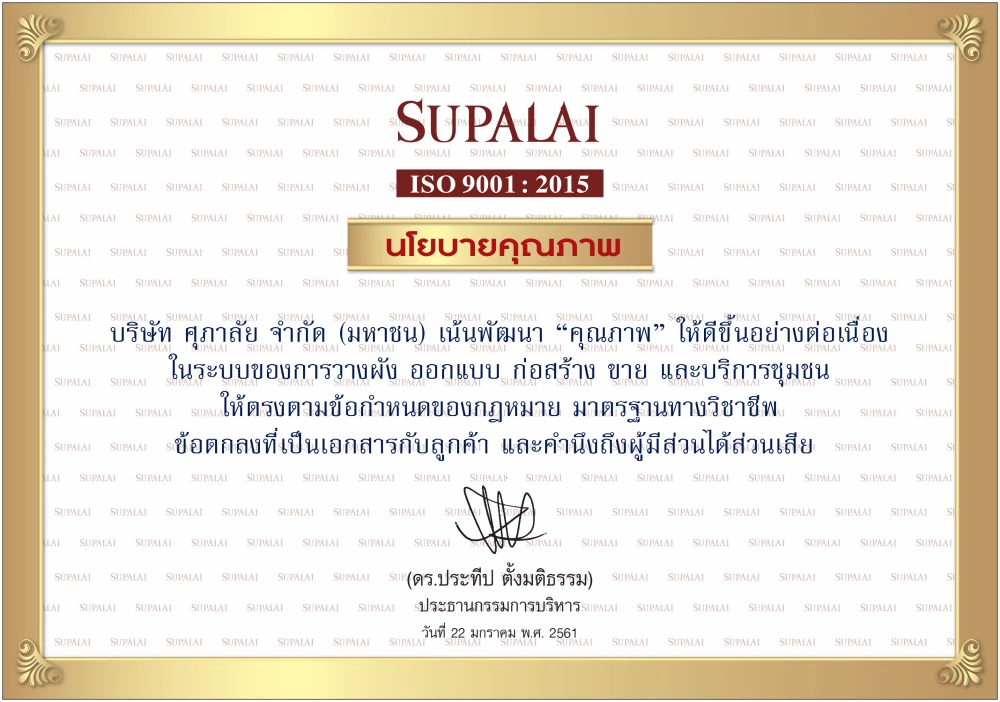

The Company is certified with ISO 9001:2015, which focuses on systematic management processes in all operations, allowing for traceability. It recognizes the organizational context that reflects the relationship between the business and its stakeholders, understanding their needs and expectations to align operational direction. Furthermore, it emphasizes risk management and considers operational opportunities as a fundamental basis for fostering a company-wide risk management culture, leading to the company's continuous sustainable development.

Continuous Operational Improvement and Development
The Company continuously improves various processes in all departments.
- Define the organizational context regarding quality objectives, strategies, and the impact on the organization's ability to achieve expected outcomes, considering issues related to legal, social, cultural, environmental, knowledge, and organizational capabilities.
- Identify key stakeholders of the company, including employees, customers, shareholders/investors, communities/society, suppliers/retailers, contractors, government agencies, external regulatory bodies, banks, and media, who impact the company's ability to deliver products in accordance with agreements with customers, legal requirements, and relevant regulations.
- Define the necessary organizational knowledge for the operation of all processes, with knowledge being regularly reviewed and updated.
- Consider risks and opportunities in all processes to ensure that all employees are aware of risk management approaches and opportunities that can lead to product and service development. This is to promote a risk management culture and enable the quality management system to achieve its defined objectives.
- Review the "Quality Policy" to align with organizational goals and context, thereby supporting the organization's sustainable strategic direction and complying with ISO 9001:2015 requirements.
Stakeholders Directly Impacted

Community / Society
Positive Impacts or Expected Impacts
- Preservation of the Environment, Local Lifestyles, and Area Quality

Government Agencies
Positive Impacts or Expected Impacts
- Ensuring that developed projects are in line with relevant local laws, regulations, and related requirements

Employees and Contractors / Suppliers
Positive Impacts or Expected Impacts
- Safety and Work Knowledge

Shareholders / Investors
Positive Impacts or Expected Impacts
- Sustainable Returns and Risk Reduction

Customers
Positive Impacts or Expected Impacts
- Quality of Life, Aesthetics, and Property Value
Performance Results
Product Quality and Standard Development
The Company assesses product health and safety risks covering 100% of projects under construction and customer delivery, considering the entire Project Life Cycle from design, construction, delivery, and service.
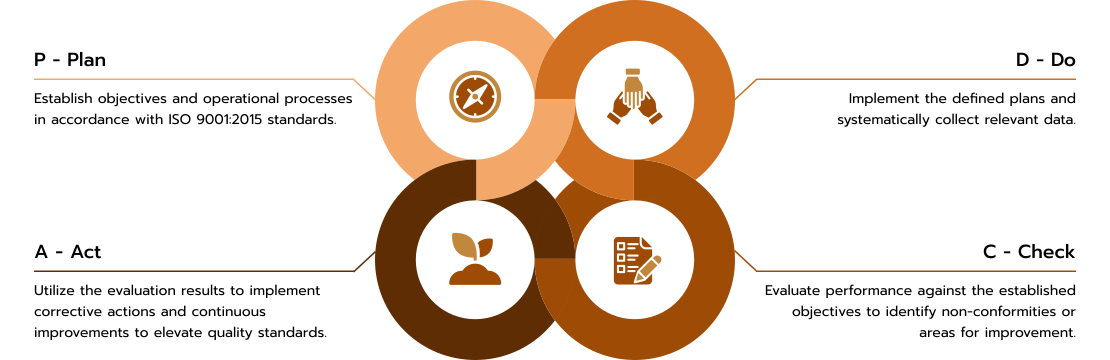
The Company is committed to delivering quality products and services and therefore strives to develop production processes to elevate standards. products to international standards, for which the company has been certified. Quality according to international standards. ISO 9001:2015. The company has a problem analysis process to lead to corrective actions, system improvements, risk management guidelines, and prevention of recurring problems. It also has tools for continuous improvement of work systems to connect all organizational processes, enabling the most efficient planning of sales, construction, and delivery of houses and condominiums, as follows.
Setting Key Performance Indicators (KPIs) to reflect operational efficiency and effectiveness, by reviewing indicators and targets of all departments to align with the company's policies and goals. This also includes emphasizing customer needs and expectations, focusing on measuring performance based on the principle that "customers are important individuals," encompassing both internal and external customers, to foster collaboration in all aspects and continuously improve the company's quality and service standards, such as.
- Measuring customer satisfaction in terms of after-sales service, repair services, project management, information provision, and service speed.
- The process for receiving complaints from customers and stakeholders, ensuring that all departments respond to complaints and resolve issues promptly. The company analyzes customer complaints, defines preventive measures for recurrence, and continuously monitors corrective actions. Furthermore, the company has established procedures, work instructions, and communicated them to all employees for awareness and compliance with the defined steps.
- Measurement of the process for delivering houses/condominiums to customers, by evaluating quality and delivery time to ensure adherence to agreed-upon schedules with customers.

Requiring all departments to continuously improve their work systems in accordance with ISO 9001:2015 standards, with improvements and developments resulting from the following actions.
- Data analysis and operational performance review.
- Performance Measurement (KPIs: Key Performance Indicators).
- Data collection and customer satisfaction measurement.
- Improvement and development of work systems based on recommendations from ISO 9001 system monitoring: 2015, from both the Certifying Body and the company's Internal Quality Auditors (IQA).
- Requires periodic review of the system and management processes in the operating principles (Work Instructions, operational procedures, and other related documents) to ensure that the management system is appropriate, sufficiently comprehensive, and continuously developed.

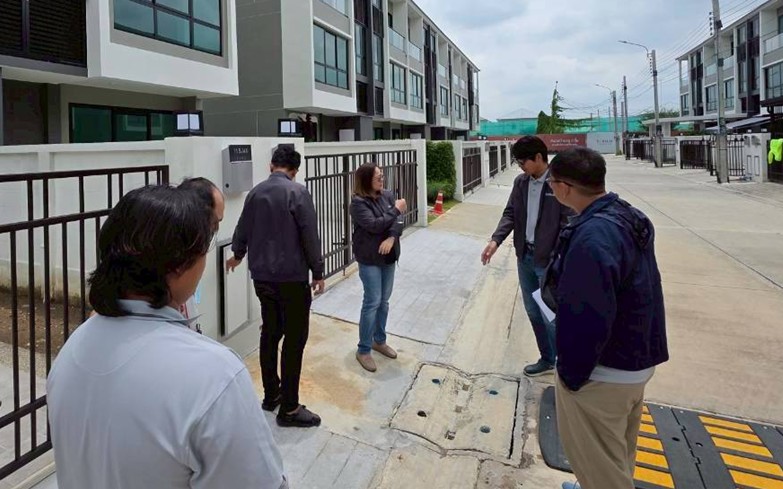
Establishing criteria for selection, procurement, operational control, and evaluation, covering all outsourced processes to ensure that external contractors engaged by the company meet the specified quality and qualifications, and that procurement is conducted transparently.

Close control and monitoring of operations by senior management in various forms, such as.
- ISO 9001 System Monitoring.: 2015 by the ISO 9001 certifying body.
- Internal quality system monitoring by company-appointed employees (Internal Quality Audit / IQA), with audit results used to continuously review and improve processes.
- Monitoring the resolution of customer complaints and tracking ongoing complaints from the previous month to ensure that responsible parties are urged to take immediate corrective action.
- Bringing issues related to work processes and operational-level risks to the Quality System Review and Improvement Committee meeting, where representatives from management of all departments discuss and then improve work procedures and define risk management guidelines.
- In every meeting, risk issues are discussed to define risk management approaches that are crucial for business operations, such as Operations impacting the environment, society, community, operations non-compliant with legal requirements or external regulatory criteria, customer satisfaction, product quality, company reputation, safety, corruption.
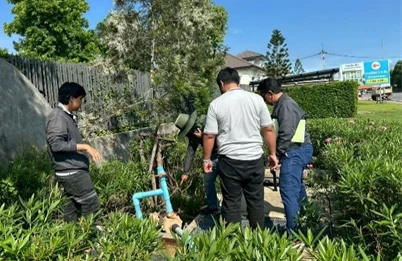
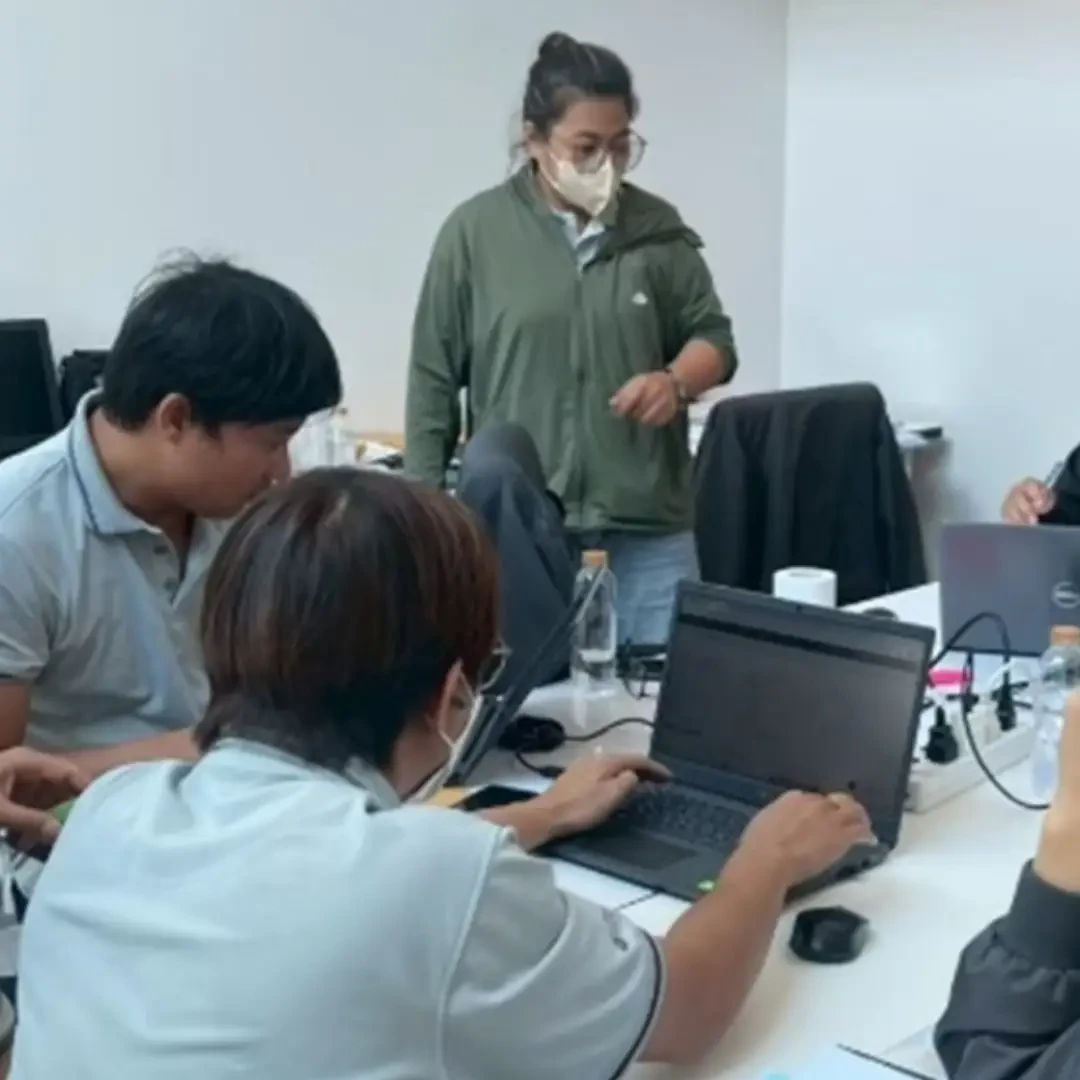
This approach reflects the company's commitment to conducting business responsibly, transparently, and in compliance with consumer protection requirements, both in terms of internal governance and managing risks related to reputation and stakeholder trust.
In 2025, the Company had no significant violations related to marketing communications or labeling.
The Company is committed to delivering quality products and services and therefore enhances employee engagement. Over 250 experienced, knowledgeable, capable, and skilled employees from all departments have been appointed as ISO 9001:2015 system auditors (Internal Quality Audit / IQA) Employees thus participate in monitoring the operations of other departments to ensure compliance with ISO 9001 standard requirements: 2015 and the operational procedures defined by the Company. This allows both auditors and auditees to learn and understand inter-departmental work processes, resulting in more efficient internal coordination.
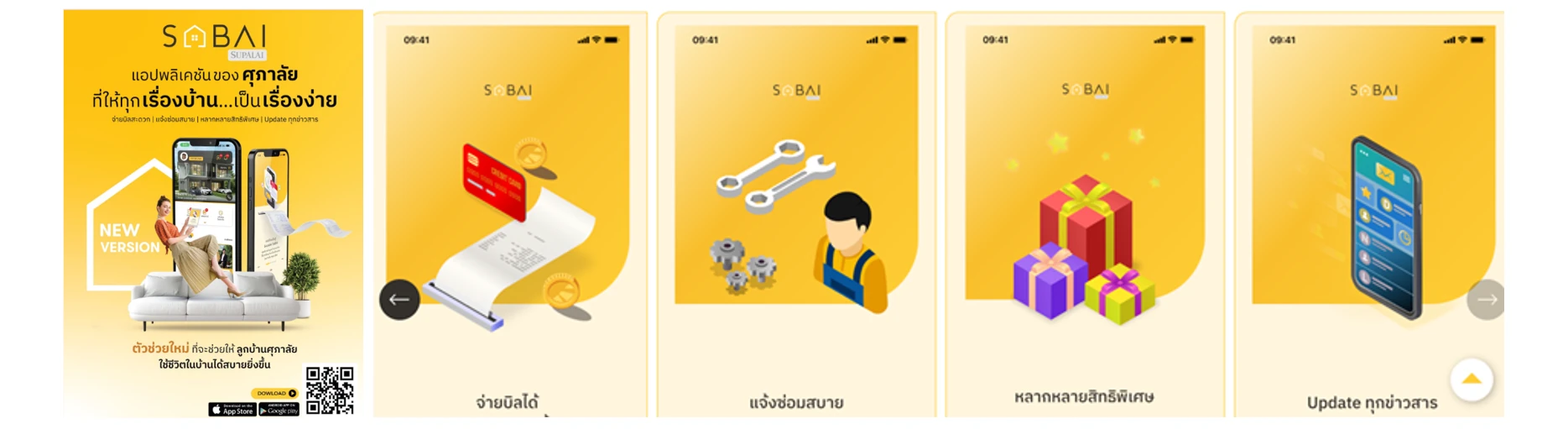
The Company developed the "SUPALAI SABAI" application, a comprehensive home management application that enhances living convenience in all dimensions. It supports two operating systems, iOS and Android, and is available in two languages, Thai and English, to improve service accessibility and speed for customers. This includes After-Service, a comprehensive after-sales customer care service for reporting repairs, scheduling appointments, and checking repair statuses, among others. The Company focuses on marketing and communication approaches that encompass ethical principles, sustainability, and social responsibility, prioritizing the best interests of customers.



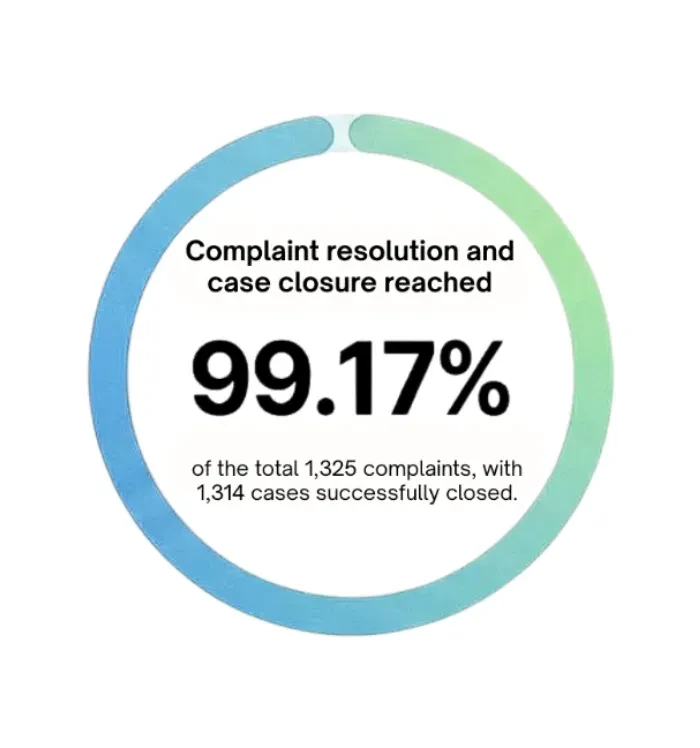
In the event of customer complaints, the company closely controls and monitors operations through senior management. Follow-up on results. Resolving customer complaints and tracking ongoing complaints from the previous month to ensure that responsible parties take immediate corrective action. This also includes bringing issues related to work processes and operational-level risks to the Quality System Review and Improvement Committee meeting, where representatives from management of all departments discuss and then improve work procedures and define risk management guidelines to maximize customer satisfaction.


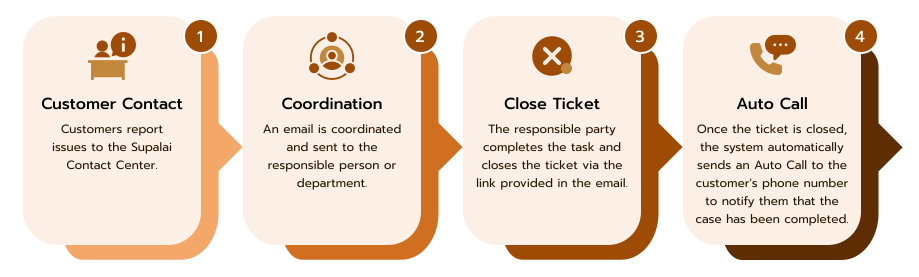
In cases where customers report problems or complaints via Supalai Contact Center 1720, the company has a Ticket Expire SLA (Service Level Agreement) system. Employees must close cases within 48 hours of receiving them. The service SLA consists of 4 main processes:
- Receiving and handling complaints.
- Coordination with responsible parties.
- Corrective actions and complaint management.
- Notifying progress and inquiring about satisfaction.

Customer Satisfaction Evaluation
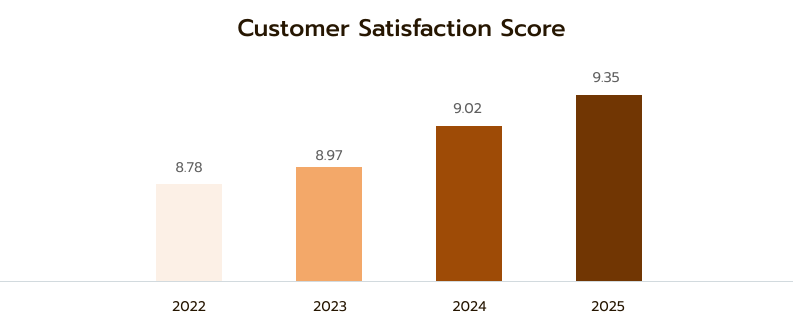
The Company mandates monthly customer satisfaction evaluations through surveys to rate customer satisfaction in terms of information/communication, service, and quality. In 2025, with a perfect score of 10, the Company achieved a customer satisfaction score of 9.35, which is higher than the target score of 9.25 and represents a 3.66% increase from 2024. The Company has analyzed customer recommendations from these evaluations and held meetings with relevant departments to plan the development and improvement of products, services, and business processes to further enhance the customer experience.
The trend of customer satisfaction scores during the past three years has shown continuous improvement, reflecting the efficiency of the quality management system and responsiveness to customer feedback.
The Company utilizes these survey results as one of the strategic indicators reported to senior management and links them to the performance evaluations of relevant departments.
Customer Satisfaction Survey Results Comparison Over the Past 3 Years

Continuously Developing and Improving Based on Customer Feedback
In 2025, the company focuses on listening to the Voice of Customer (VOC) and customer insights, exploring ways to utilize customer feedback to improve products and services as a core driver for the organization to become a Customer-Centric Organization, aiming to enhance satisfaction and create sustainable value in 6 areas, namely:
- Communication Enhance listening to channels through Supalai Contact Center 1720 and the Supalai SABAI application, as well as various online channels such as Facebook, e-mail, etc., along with developing a tracking system feature for customers to monitor work status in real-time for transparency and speed in communication.
- Quality and Excellent Service Utilize satisfaction survey results to improve repair work standards, focusing on reducing operational time and implementing a post-completion follow-up system to prevent recurring issues.
- Residential Design that Meets Lifestyle Needs Apply Universal Design principles to develop flexible living spaces for all customer groups, ensuring safety and practical usability for members of all ages, thereby creating long-term residential value.
- Digital Innovation Enhance convenience with an online repair notification system and digital loan transactions to streamline processes and create a modern, seamless experience.
- Sustainability and Social Responsibility (ESG & Sustainability) Integrate environmentally friendly concepts into project development and organize stakeholder engagement activities to create a balance between business and community impact.
- Resident Care in Emergency and Crisis Situations Establish measures to assist residents and ensure internal communication readiness to provide support during emergencies or disasters such as earthquakes or floods, thereby ensuring the company is prepared to care for and stand by residents in all situations.