Corporate Governance, Business Ethics and Tax Policy


Supporting the Sustainable Development Goals (SDGs)




Goals and Performance Highlights
Goals




Performance


ESG Governance
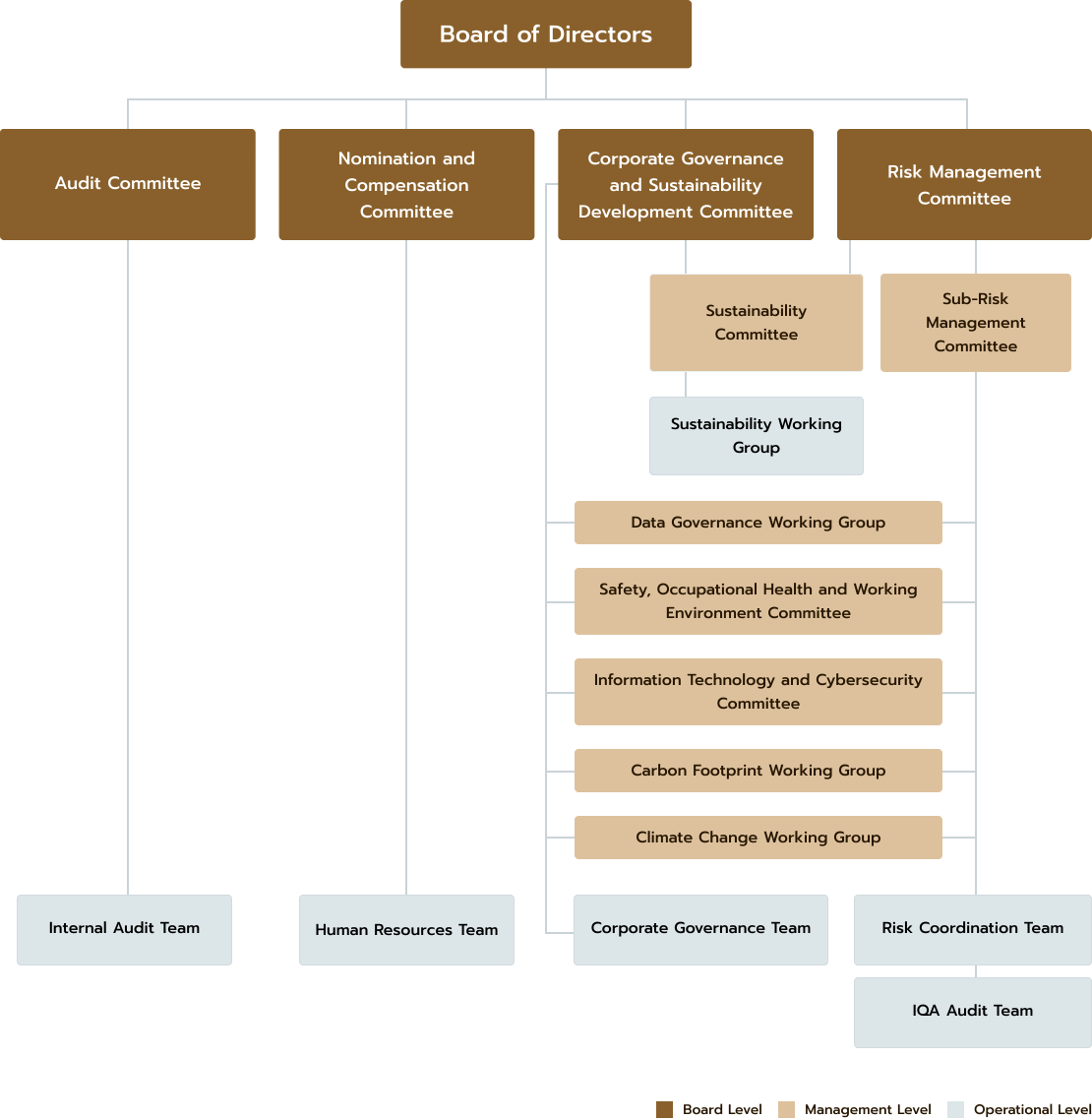
1. ESG Governance Framework
Supalai places great importance on sustainability governance by establishing a governance structure that ensures all ESG-related policies are effectively put into practice. This includes systematic processes for measurement, reporting, and monitoring. We integrate governance issues into the charters of the Board of Directors and all working committees, categorizing the structure into three levels: 1) Board Level, 2) Management Level, and 3) Operational Level.
1) Board Level (Board Oversight)
Supalai places significant emphasis on sustainability governance at the Board level by mandating the Audit Committee to review internal control processes. The Committee is also responsible for overseeing the transparency, risks, and accuracy of ESG information disclosed to stakeholders, while ensuring that ESG aspects are integrated into the internal audit plan.
Corporate Governance and Sustainability Development Committee is responsible for establishing directions and strategies, overseeing organization-wide ESG operations, and reporting performance to the Board of Directors. Furthermore, ESG matters are consistently included in the Board Agenda.
Risk Management Committee is responsible for analyzing strategic risks, including ESG-related risks. This involves reviewing Net Zero targets, the Biodiversity Action Plan, and Climate Risk Assessments in accordance with the TCFD guidelines prescribed by the Securities and Exchange Commission.
Nomination and Compensation Committee oversees human capital and incentives, which are vital drivers for achieving tangible ESG outcomes. Key responsibilities include recruitment, aligning performance evaluations with ESG targets, and fostering Diversity, Equity, and Inclusion (DEI).
2) Management Level
Additionally, the Company has established a management-level structure to implement operations in accordance with three core sustainability policies: 1) Policy on Sustainable Environment 2) Policy on Sustainable Society 3) Policy on Sustainable Corporate Governance. These policies align with GRI Standards, UN SDGs, and FTSE criteria, driving the execution of sustainability strategies through the following bodies:
- The Sustainability Committee
- Sub-Risk Management Committee
- DATA Governance Committee
- The Occupational Safety, Health and Environment Committee
- Technology and Cybersecurity Committee
- Carbon Footprint Working Group
- Climate Change Working Group
3) Operational Level
- The Sustainability Working Group
- And other relevant working groups
2. ESG-Linked KPIs
Supalai integrates ESG goals into operational policies, clearly defining the actions required across various departments. This includes linking ESG-related Key Performance Indicators (KPIs) to the performance evaluations of the Chairman of the Executive Committee, senior management, and operational staff. These performance metrics are measured and reported annually to the Nomination and Compensation Committee to ensure a transparent alignment between outcomes and incentives, thereby achieving tangible results.
3. Integration of ESG into Business Decision
“ESG considerations are integrated into core business decision-making processes, such as project development that prioritizes Climate Resilience and Biodiversity Zones. Furthermore, to enhance transparency and accountability throughout the supply chain, ESG Risk Assessment criteria are utilized in the selection of suppliers and contractors. Specifically, the Company evaluates critical suppliers and new suppliers via a platform titled 'Supplier Sustainability Assessment'.”
4. Future Enhancement
Moving forward, Supalai aims to develop an ESG Data Platform to support quantitative data reporting in alignment with additional international standards, such as TCFD, ISSB, GRI, and the FTSE ESG Model. Furthermore, the Company is committed to establishing an ESG Talent Pipeline to cultivate a new generation of talent who possess a comprehensive understanding of both business operations and sustainability.
Commitment, Challenge and Opportunity

Corporate Governance
The Company places great importance on good corporate governance as the foundation of transparent, fair, and accountable management. It is committed to promoting business operations that are structured, efficient, and capable of building trust among shareholders, investors, and all stakeholders. The Company also encourages all employees at every level to uphold ethics, transparency, and responsibility for the impacts arising from business activities.
The Company participated in the 'JUMP+' Project (Promoting Value Addition for Listed Companies) organized by the Stock Exchange of Thailand. In alignment with this initiative, we have comprehensively developed business and corporate governance plans. These plans encompass strategy formulation, objectives, key initiatives, and risk management guidelines, all designed to elevate operational capabilities and create sustainable value for stakeholders across all sectors. The Company has established a Compliance Unit responsible for overseeing, monitoring, and evaluating the compliance with the Company’s good corporate governance policies. The unit provides regular reports to the Board of Directors, management, and employees at all levels to ensure comprehensive risk management related to governance matters.
Although the current business landscape is rapidly changing and increasingly complex, creating various challenges in maintaining strong corporate governance standards, it also presents an opportunity for the Company to further enhance its governance framework. This will support sustainable growth and strengthen its long-term competitiveness.
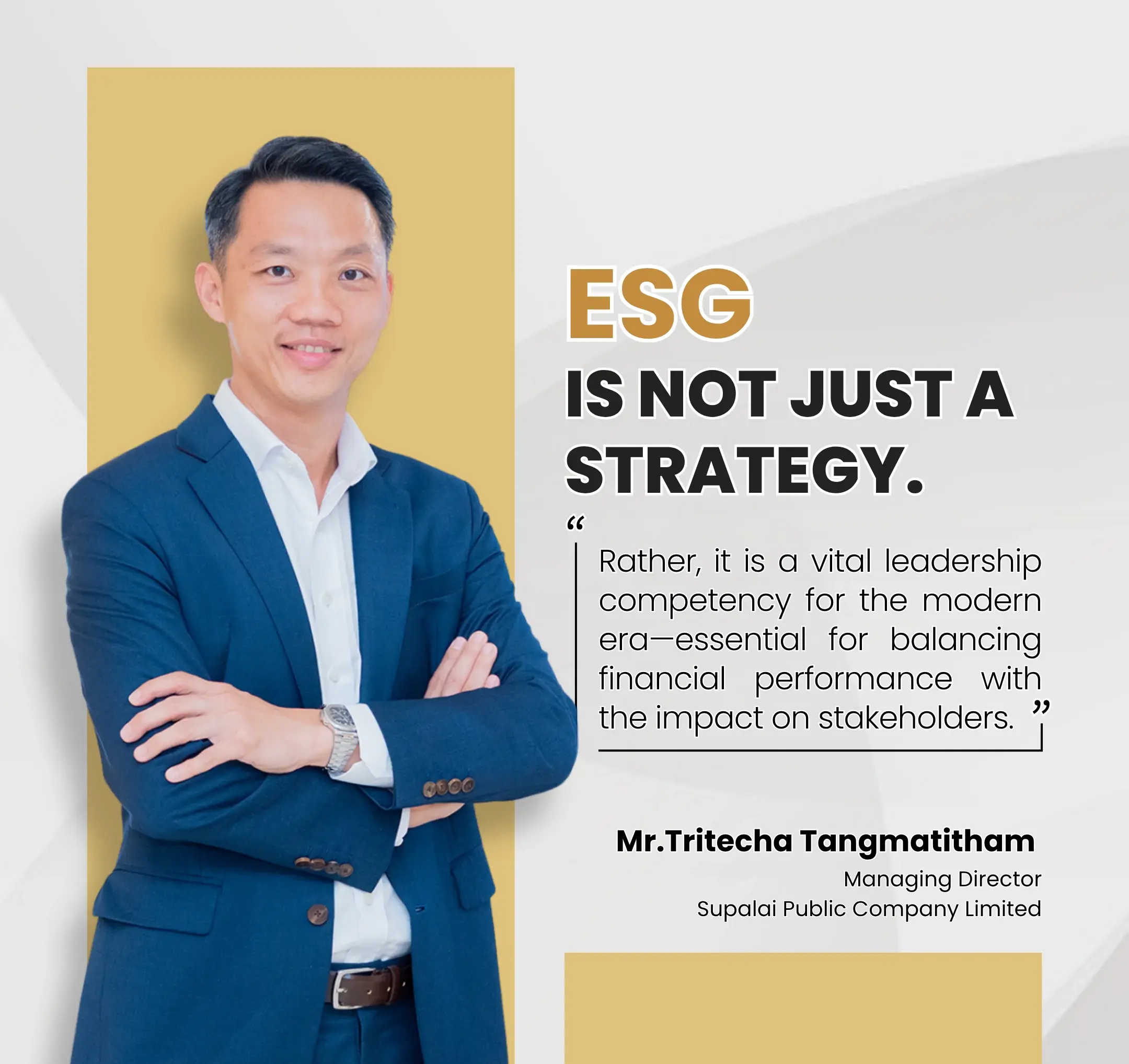
“Supalai Inspires Corporate Spirit to Advance ESG and Transform Momentum into Sustainable Growth”
Senior management plays a key role in inspiring employees to become ESG Leaders and turning ESG principles into action by setting goals and performance indicators and monitoring progress in alignment with internationally recognized sustainability standards, including FTSE Russell. This helps enhance the Company’s operations and entire value chain to achieve sustainable growth. Supalai emphasizes that every employee has a shared responsibility to collaborate in driving the Company’s sustainability efforts. The Company has also introduced an ESG Data Platform to systematically and timely collect data, providing an accurate reflection of Supalai’s actual sustainability performance.
Tax Governance
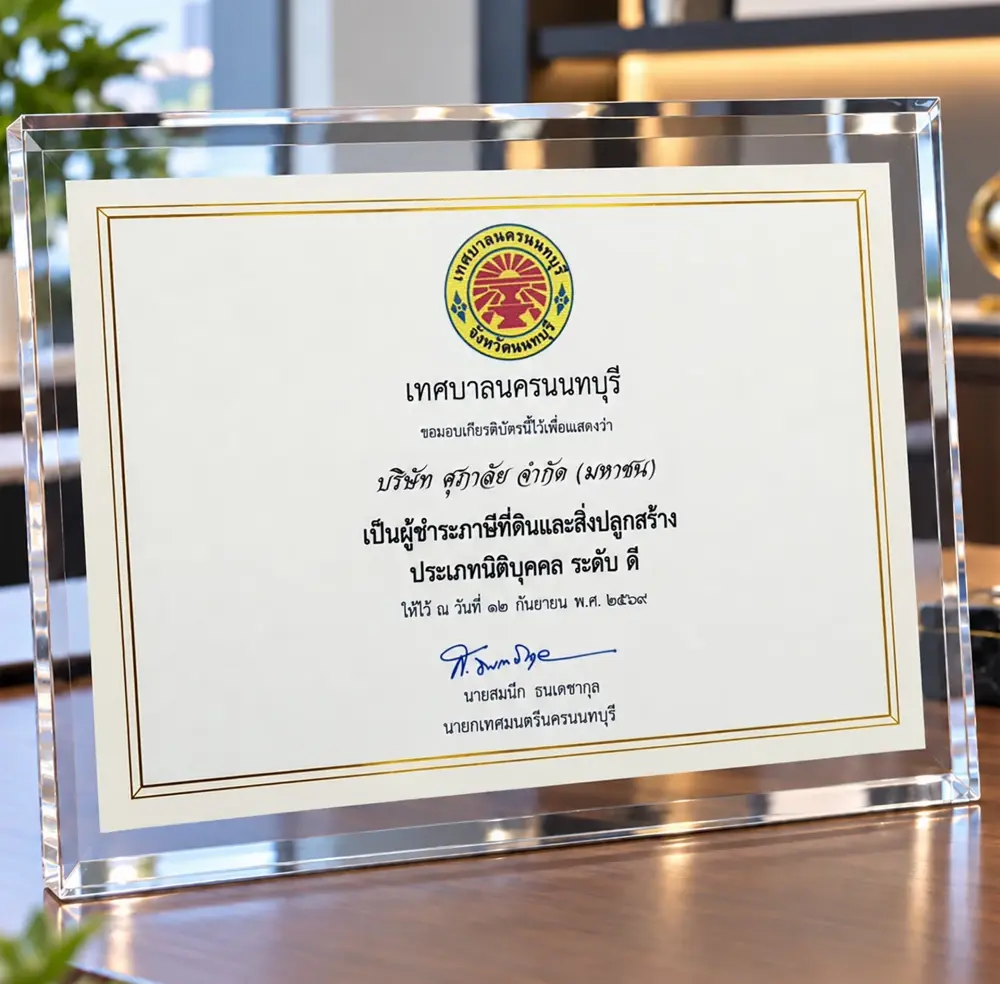
The Company recognizes that complying with tax laws accurately and transparently is not only a legal obligation but also an important driver of the country’s and society’s sustainable development. The Company is therefore committed to managing taxes in an ethical, transparent, and verifiable manner, under a clear define framework for tax planning and management framework that aligns with both national and international legal requirements.
At the same time, the Company is aware of the challenges in balancing efficient tax cost management and strict adherence to legal requirements. This presents an opportunity to demonstrate social responsibility and strengthen long-term trust among stakeholders.


Strategies and Management Approaches

Corporate Governance Policy

Respecting Shareholders’ Rights and Ensuring Equitable Treatment
- The Company places utmost importance on respecting the rights of all shareholders. Shareholders’ meetings are conducted with complete documentation provided in both Thai and English so that both domestic and international shareholders have equal access to information.
- An independent volunteer is appointed at every shareholders’ meeting to jointly inspect the vote-counting process. The voting results are disclosed transparently by reporting them to the Stock Exchange of Thailand and publishing on the Company’s website on the same day as the meeting, reinforcing accuracy and verifiability.
- The Company promotes shareholders’ rights to participate by allowing them to nominate qualified candidates for directorship positions in accordance with criteria announced on the Company’s website (e.g., the announcement dated 9 September 2025). The nomination process is overseen by the Nomination and Compensation Committee to ensure a fair and transparent selection process.
- The Company’s shareholding structure is designed to prevent domination of control. There is no cross-holding or pyramid structure, and the Company maintains a free float of more than 40% of total outstanding shares to ensure balanced governance and equitable treatment of minority and foreign shareholders.

Consideration of Stakeholders and Sustainability
- The Company has established the Corporate Governance and Sustainability Committee, chaired by an Independent Director, responsible for overseeing that the Company’s operations comply with the Stock Exchange of Thailand’s corporate governance principles and OECD guidelines, as well as monitoring and evaluating the implementation of the annual corporate governance and sustainability plans.
- A Compliance Unit has been established to ensure that the Board of Directors, executives, and employees at all levels strictly comply to all relevant laws, regulations, and internal policies. The unit operates under a formal monitoring and reporting system to ensure that the Company’s business operations comply with legal requirements and international standards.

Disclosure and Transparency
- The Company discloses information in full and on a timely in accordance with the requirements of the Stock Exchange of Thailand (SET) and the Securities and Exchange Commission (SEC), covering financial information, operational information, related-party transactions, and connected y transactions to build confidence among investors and stakeholders.
- The Company prepares its Annual Report and Form 56-1 e-One Report, including notes to the financial statements, in accordance with applicable criteria to demonstrate transparency and high standards in disclosure.
- Minutes of shareholders’ meetings are prepared and published promptly for shareholders to review them in a timely manner, reflecting the Company’s commitment to transparency and accountability to investors.

Responsibilities of the Board of Directors
- The roles and responsibilities of the Board of Directors and management are clearly separated. The Board determines the strategic direction and policies of the Company, while management is responsible for implementing these policies and executing day-to-day operations.
- At least one-third of all directors, and no fewer than three members, must be Independent Directors. The Audit Committee must also consist of at least three independent directors to ensure proper checks and balances and enhance transparency in decision-making.
- The Company the qualifications of an “Independent Director” more stringent than regulatory requirements. For example, independent directors must hold no more than 0.5% of the Company’s total issued shares of the Company, in order to strengthen independence and reduce the risk of conflicts of interest.
- A systematic mechanism is in place to manageconflicts of interest. Any transaction that may give rise to a conflict must be disclosed to the Audit Committee, which then reviews the appropriateness of pricing and terms to ensure decisions are made in the best interests of the Company and its shareholders.
- The Company continuously promotes the development of the Board’s competencies, targeting an achievement of at least 80% of the Board Skill Matrix. The Board also reviews the charter of the Nomination and Compensation Committee (NCC), evaluates the independence of directors, and acknowledges the organization’s human resource development plan.
- A Company Secretary is appointed to professionally support the Board in carrying out its corporate governance duties, with qualifications and responsibilities as prescribed by law. The Company secretary serves as a key contact point for shareholders, regulators, and stakeholders and other stakeholders (the Company Secretary can be reached at secretary@supalai.com).
Corporate Governance Structure and Key Board Information

Board of Directors and Meeting Attendance
The Board of Directors consists of 10 members, which is considered an appropriate size for effective corporate governance. All directors attended the Annual General Meeting of Shareholders held on 21 April 2026, achieving 100% attendance (10/10). This demonstrates the Board’s commitment and highest sense of responsibility toward shareholders, as well as its dedication to making policy decisions that influence the Company’s direction.
Structure and Balance of Power
The Company clearly separates the roles and responsibilities of the Board of Directors and management. The Board is responsible for determining strategies, policies, and overall governance, while management is responsible for day-to-day operations in accordance with the approved policies. This separation prevents role duplication and strengthens effective checks and balances.
The Company maintains at least one-third of all directors (and not fewer than three) be independent directors. The Audit Committee must also consist of at least three independent directors, in accordance with capital market regulations. Additionally, the Company definition of an “Independent Director” is more stringent than that of the SEC and the Stock Exchange of Thailand, such as share ownership to no more no more than 0.5% of the total issued shares, in order to preserve neutrality and minimize the risk conflicts of interest.
Shareholding Structure and Anti-Takeover Measures
The Company maintains a transparent and fair shareholding structure, with no cross-holding or pyramid structures that could lead to control over the business. At the same time, the Company maintains a free float shareholding of more than 40% of the total issued shares to ensure balanced governance, reduce the risk of dominance by major shareholders, and strengthen investor confidence both domestically and internationally.
Reporting and Control Systems
The Company has established strict reporting and control systems in accordance with SEC and SET requirements, covering key areas such as:
-
Reporting of securities holdings by directors and executives,
enabling transparent monitoring of any changes in shareholding structure.
-
Insider trading prevention measures,
designed to protect investors and ensure that directors and executives do not misuse inside information for personal benefit.
-
Oversight of related-party transactions and connected transactions,
which must be reviewed and approved by the Audit Committee, with full disclosure provided in the 56-1 e-One Report and financial statement notes, allowing shareholders and stakeholders to monitor and assess the appropriateness of such transactions.
Sub-Committees
To ensure comprehensive, transparent, and verifiable corporate governance, the Board of Directors has appointed several specialized sub-committees. Each committee has clearly defined composition, roles, and operating mechanisms designed to enhance the Company’s governance system in alignment with international standards and the principles of good corporate governance (CG Code).
Composition and Qualifications
The Audit Committee consists of four Independent Directors:
- Assoc. Prof. Dr. Virach Aphimeteetamrong (Chairman of the Audit Committee) with a solid educational background and expertise in accounting
- Mr. Anant Gatepithaya
- Assist. Prof. Asawin Pichayayothin
- Assoc. Prof. Dr. Somjai Phagaphasvivat
All committee members possess the necessary knowledge and expertise in accounting, finance, and corporate governance to perform their duties independently and effectively.
Key Roles and Responsibilities
- Review the annual financial statements to ensure accuracy, transparency, and compliance with internationally accepted accounting standards.
- Review related-party transactions and connected y transactions to prevent conflicts of interest and ensure that all transactions are conducted at fair market value under appropriate terms.
- Review internal controls and oversee Information Technology (IT) and cybersecurity risks
- Review the charter and operations of the Internal Audit Unit to ensure independence and completeness of the audit processes.
- Oversee and approve guidelines for the use of Artificial Intelligence (AI) for Internal Audit
- Report the number of non-compliance incidents regarding the Code of Business Ethics for Directors, Executives, and Employees; oversee investigation processes; and monitor the implementation of preventive measures to prevent recurrence, while reporting findings to the Board of Directors.
Reporting Structure and Independence
- The Internal Audit (IA) unit reports directly to the Audit Committee, and the Audit Committee reports the findings to the Board of Directors after every meeting. This structure helps preserve independence and credibility in the audit process.

Composition and Qualifications
The Committee consists of three members:
- Assoc. Prof. Dr. Virach Aphimeteetamrong – Chairperson (Independent Director)
- Assoc. Prof. Dr. Somjai Phagaphasvivat – Member (Independent Director)
- Mrs. Ajchara Tangmatitham – Member (Director)
The majority of NCC members are Independent Directors, and the Chairperson must be an Independent Director with strong qualifications and extensive experience.
If any NCC member is nominated for reappointment, that member will abstain from attending the meeting on the relevant agenda item to ensure transparency and neutrality.
Key Roles and Responsibilities
1. Nomination and Succession Planning
- Review the criteria and procedures for director nomination to ensure transparency, clarity, and alignment with the nature of the Company’s business.
- Assess qualifications, experience, Board Expertise (Board Skill Matrix) across 14 areas, ensuring a collective Board expertise average of no less than 80%
Target 2024 Performance 2025 Performance ≥80% 88% 86% Levels of Knowledge, Skills, Experience, and Expertise of the Board of Directors Levels of Knowledge, Skills, Experience, and Expertise of the Board of Directors Levels of Knowledge, Skills, Experience, and Expertise of the Board of Directors - Support the nomination process for minority shareholders and utilize professional director databases (Director Pools) to broaden opportunities for selecting high-caliber candidates.
- Review the qualifications and role of the Chief Executive Chair in accordance with the succession plan to ensure continuity and stability in leadership.
2. Compensation Determination
For the Board of Directors and Sub-Committees
- Criteria for the compensation of the Board of Directors and Sub-Committees have been established. The Nomination and Compensation Committee is responsible for reviewing compensation rates and proposing them to the Board of Directors, subsequently seeking approval from the Shareholders' Meeting.
- Ensure compensation is linked to responsibility; for example, those serving on subcommittees receive additional compensation.
- Prohibit any payment of compensation or benefits beyond what has been approved by the shareholders’ meeting.
Executive Directors and Senior Management
- Approved performance evaluation criteria for the Executive Committee that incorporate ESG performance. Key indicators include climate change, customer satisfaction, and achieving an FTSE Russell ESG Score of 3 or higher.
- Review and propose compensation guidelines for Directors and Senior Management to ensure appropriateness and alignment with the Company’s performance, industry standards, and individual performance based on the scope of roles and responsibilities. In the event that the Chairman of the Executive Committee or executives commit fraud or breach business ethics, the Company reserves the right to reclaim any benefits and profits received (Claw back).
- Disclosed the compensation of Executive Directors and Senior Management, consisting of both fixed and variable components, to ensure management transparency and build confidence among shareholders and stakeholders.
3. Development and Performance Evaluation
- Review and update the NCC Charter to align with current circumstances and corporate strategy.
- Consider and monitor development plans for both new and existing directors, as well as senior executives, to ensure readiness for their roles.
- Conduct performance evaluations of the Board of Directors and subcommittees—both individual self-assessments and collective assessments—at least once a year.
4. Transparency and Reporting
- Hold at least two meetings per year; in 2025, the committee met every time as scheduled, with the Company Secretary providing support in documentation and annual reporting.
- Report meeting outcomes and recommendations to the Board of Directors after every meeting, including disclosures in the Annual Report (56-1 e-One Report).

Composition and Qualifications
The Committee consists of four members:
- Assoc. Prof. Dr. Somjai Phagaphasvivat – Chairman (Independent Director)
- Mr. Atip Bijanonda – Member (Director)
- Mr. Prasas Tangmatitam – Member (Director)
- Mr. Tritecha Tangmatitham – Member (Director)
The Committee Secretary is Ms. Toopthong Hirunyanaruk.
Define clear qualifications for committee members, with at least one member required to have knowledge and understanding of corporate governance and sustainability. The Chair must be an Independent Director to ensure neutrality and transparency.
Key Roles and Responsibilities
- Establish core principles and key practices for effective corporate governance.
- Oversee the performance of the Board and management to ensure alignment with Good Corporate Governance principles (SET and OECD). and the Code of Business Ethics for Directors, Executives, and Employees.
- Monitor the implementation of the corporate governance and sustainability plan, including performance against the Business Code of Conduct, and promote employee awareness regarding ESG issues.
- Promote a corporate culture rooted in transparency, fairness, responsibility to stakeholders, and a robust system for accurate and complete disclosure.
- Acknowledge and review ESG assessment results, CGR gap analyses, ASEAN CG Scorecard, and sustainability assessment outcomes from the Stock Exchange of Thailand to drive continuous improvement.
- Ensure that suppliers sign an acknowledgment of the Supplier Code of Conduct and Non-Disclosure Agreement (NDA) to guarantee compliance with ethical standards and transparency.
Meetings
- Hold at least one meeting per year, with full attendance from all committee members.
- Each meeting must review progress on corporate governance and sustainability initiatives and consider updates aligned with international standards.
- Present meeting results and observations to the Board of Directors after every meeting for acknowledgement and further action.

Composition and Qualifications
- Members are appointed by the Board of Directors and must possess qualifications that allow them to provide independent opinions on risk considerations, without any characteristics that may hinder their duties.
- Committee members are entitled to attend training or participate in activities to enhance their knowledge in risk management, with support from the Company’s resources.
- A Sub-Risk Management Committee has been appointed and has been in operation since 2017, responsible for defining in-depth and practical risk management approaches.
Key Roles and Responsibilities
- Establish risk management policies and provide recommendations covering strategic, operational, financial, compliance, market, anti-corruption, cybersecurity risks, as well as emerging risks and ESG-related risks.
- Oversee and monitor the development of innovations and resource management in risk practices to ensure the Company has plans to address environmental changes, climate impacts, social issues, and governance (ESG).
- Review and approve the Risk Map and Risk Radar Chart to assess the interrelationships and impacts of various risks.
- Define the Company’s Risk Appetite and monitor the development of the Business Continuity Plan (BCP).
- After each meeting, the Chair summarizes the committee’s conclusions and submits them to the Board of Directors for acknowledgement and/or consideration.

Composition and Qualifications
The Committee consists of five members:
- Assoc. Prof. Dr. Virach Aphimeteetamrong (Chairman of the Independent Director)
- Assoc. Prof. Dr. Somjai Phagaphasvivat
- Mr. Anant Gatepithaya
- Assist. Prof. Aswin Bijayayodhin
- Prof. Emeritus Dr.Sahas Bunditkul
Is qualified as an Independent Director and has been appointed as an Independent Director by the Company’s Board of Directors or by a resolution of the Shareholders’ Meeting.
Key Roles and Responsibilities
- Review and provide recommendations and opinions regarding strategies and sustainability practices that are appropriate and beneficial to relevant stakeholders, for proposal to the Board of Directors.
Meetings
- Hold at least one meeting per year with all Independent Directors required to attend.

Composition and Qualifications
The Committee consists of eight members:
- Assoc. Prof. Dr. Virach Aphimeteetamrong
- Assoc. Prof. Dr. Somjai Phagaphasvivat
- Mr. Anant Gatepithaya
- Assist. Prof. Aswin Bijayayodhin
- Prof. Emeritus Dr.Sahas Bunditkul
- Mr. Atip Bijanonda
- Mr. Prasas Tangmatitam
- Mr. Krid Chancharoensuk
All of whom are excluded from the executive list under the SEC’s definition.
Key Roles and Responsibilities
- To exercise independent oversight and monitor management's performance, ensuring that corporate operations strictly align with designated strategic directions.
Meetings
- Hold at least one meeting per year with all Non-executive Director required to attend.

Through the structure and functioning of these sub-committees, the Company strengthens a comprehensive governance mechanism encompassing audit, transparency, nomination and compensation, sustainability, and risk management—forming a solid foundation for stable and sustainable long-term business operations.
Tax Governance and Tax Operation Policy

The Company recognizes that tax responsibility is crucial for sustainable development. We focus on tax fairness, tax transparency, and alignment with global sustainability standards under a good corporate governance structure covering global operations. The key guidelines are as follows:
Governance Structure and Tax KPIs
- The Board of Directors has oversight of Tax Operation Policy and the management of tax risks through its sub-committees (the Risk Management Committee and the Audit Committee). The Company provides evidence of board oversight of these processes. Furthermore, the Audit Committee is responsible for oversight of implementation of the Company's Corporate Tax Operation Policy and reports on its oversight activities at least once a year.
- Establish tax KPIs for relevant employees to enhance operational efficiency and instill responsibility.
Risk Management and Transparent Tax Planning
- Regularly monitor and analyze the impacts of changes in domestic and international tax laws.
- Commitment to align tax payments with revenue generating activity and avoid using complex structures for tax evasion.
Tax Compliance and International Transactions
- Commitment to comply with the tax law in all operating countries and engage in tax fairness in all operating countries.
- Refrain from the use of Secrecy Jurisdictions Offshore for the purposes of tax planning.
Transparency and Tax Disclosure
- Transparently disclose tax information in financial statements and the 56-1 One Report according to reporting standards.
- Ensure the disclosure of corporation tax paid globally, with country-by-country breakdown or with at least domestic and international breakdown.
- Provide external verification of tax data for global operations by an independent external party to certify the accuracy of globally disclosed information.
Raising Awareness and Building Corporate Culture
Goals and Performance
Target
Performance
Performance
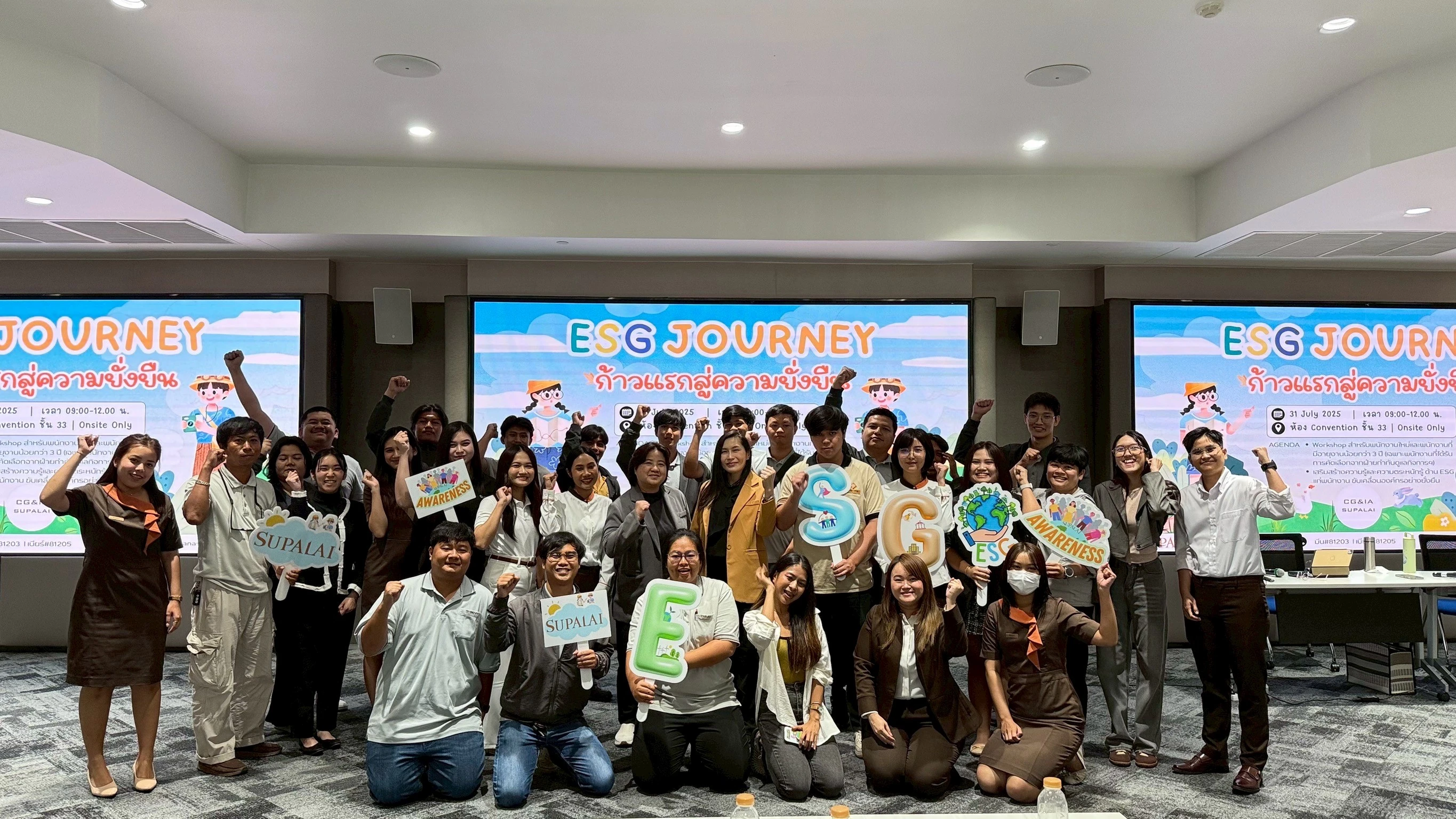
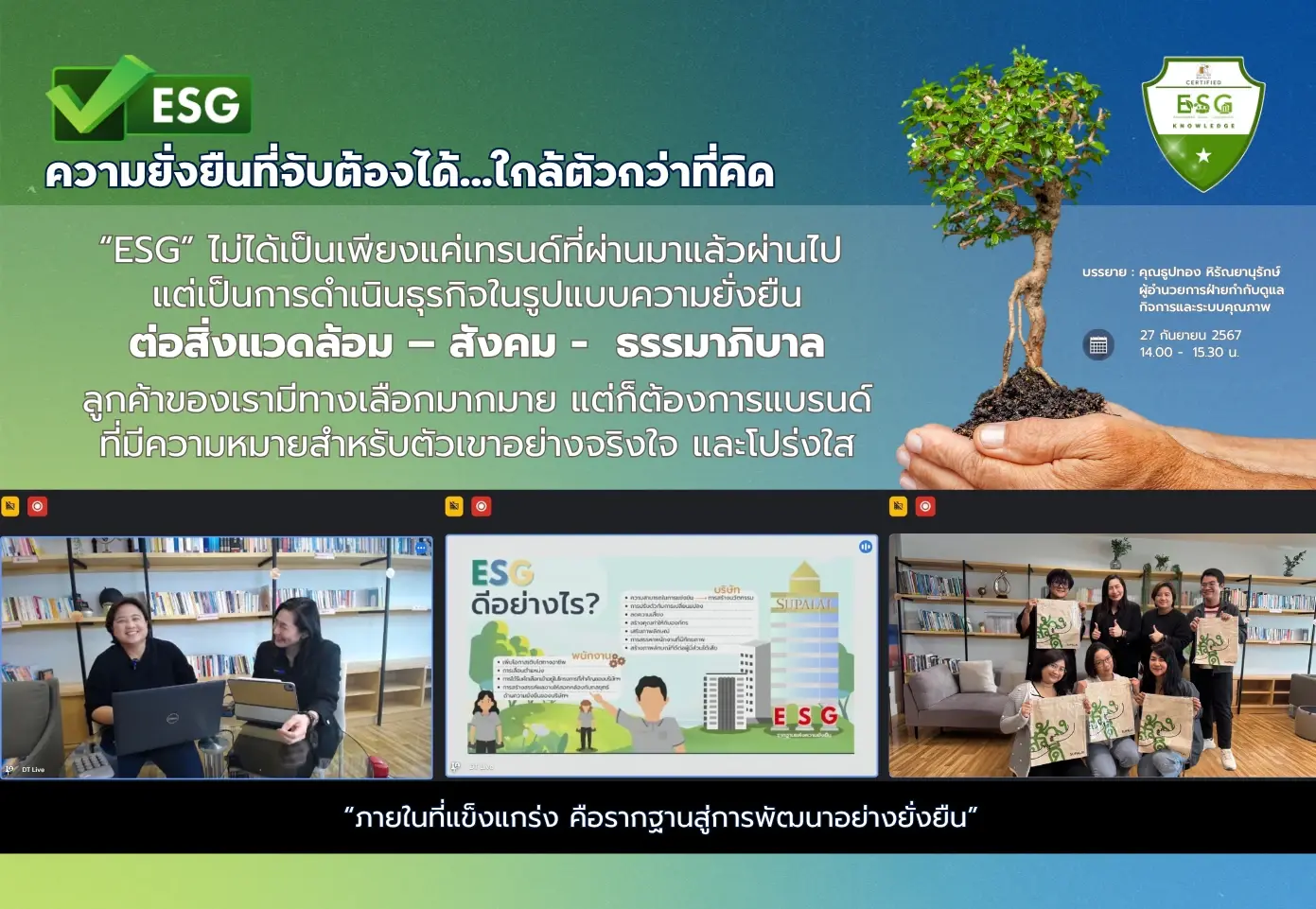
Supalai Public Company Limited is committed to driving the organization toward sustainability in line with ESG principles (Environmental, Social, Governance). The Company fosters an organizational culture of ethics and regulatory compliance, emphasizing awareness at all levels through a variety of activities that encourage active participation from all employees. The goal is to ensure ESG is not just a policy or an image, but a deeply rooted and genuinely integrated part of the Company’s operational practices.
Organizational Culture Begins with Leadership: ESG Is Not Just a Mission, but a Mindset
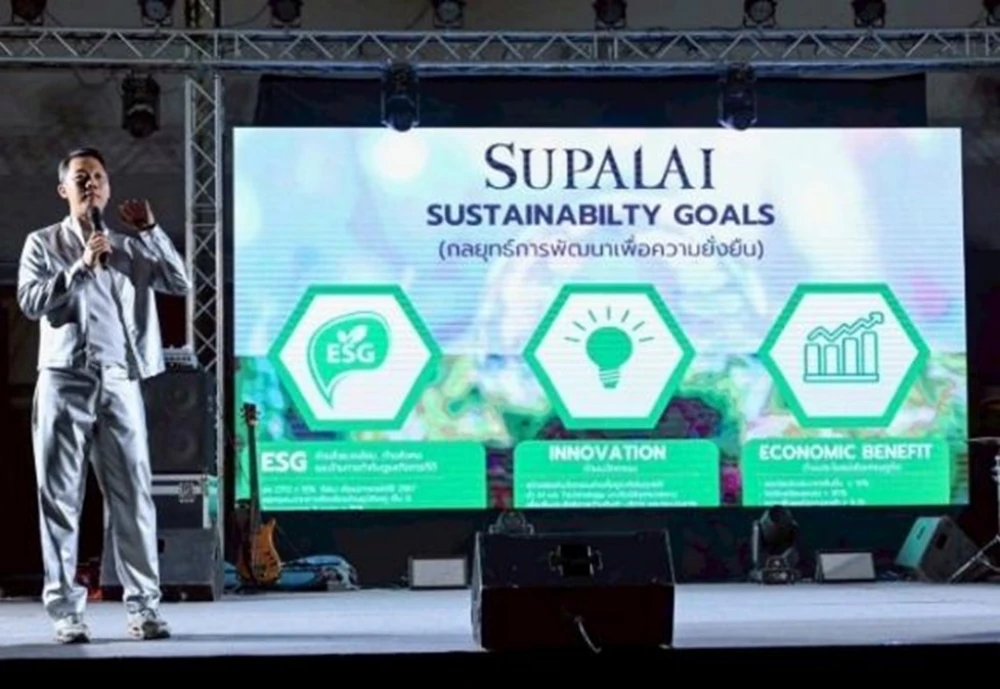
"From MD to Chief CG & Sustainability Officer: A Visionary Leader" The commitment of senior executives to ESG reflects a deep understanding of the evolving business landscape and a readiness to lead the organization toward a future that balances profitability with responsibility. They serve as role models who shape and embed the right values through active participation in initiatives that promote and cultivate organizational culture, thereby enhancing awareness and encouraging meaningful engagement among employees at all levels in a continuous and sustainable manner.
Value Creation and Management Approach
The communication of vision, the exchange of insights, and the presentation of practical and actionable approaches serve to clearly convey management’s commitment to supporting the organization’s implementation of ESG principles and good corporate governance.


The Company is committed to conducting business under the principles of Good Corporate Governance, emphasizing transparency, accountability, and alignment with international standards. Key performance highlights are as follows:
Corporate Governance Report (CGR) Assessment
- In 2025, the Company achieved an “Excellent” (5-Star) Corporate Governance rating for the 13th consecutive year, as assessed by the Thai Institute of Directors (IOD), the Stock Exchange of Thailand (SET), and the Securities and Exchange Commission (SEC).
- This achievement reflects the organization’s unwavering commitment to upholding high standards of corporate governance, as well as the trust and confidence placed in the Company by investors and stakeholders.
Enhancement of Related Policies and Handbooks
- Reviewed and updated the Corporate Governance Policy and Employee Code of Conduct to ensure they are concise, user-friendly, and easily accessible.
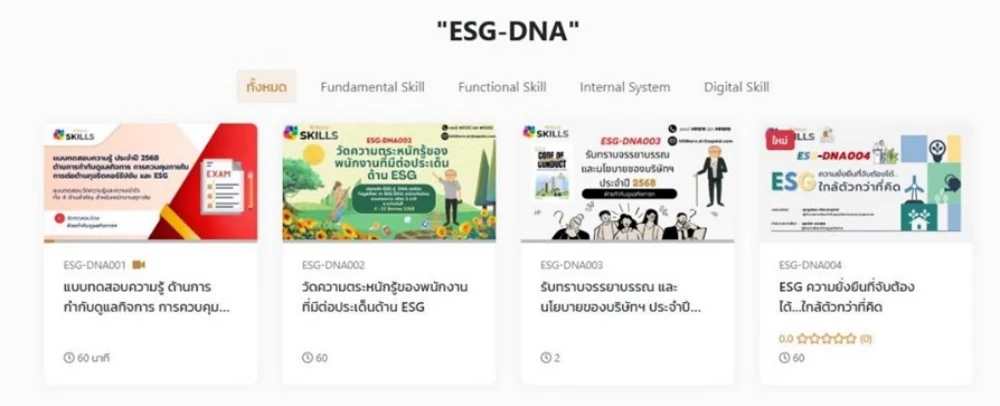
- Ensured that all employees acknowledged and confirmed their compliance through the Supalai Skill.
- Supported continuous professional development for directors through both internal and external training programs to enhance their oversight capabilities.
Fostering an Ethical and Governance Culture (CG Culture) as an integral part of the organization's ESG DNA
- Organized awareness-raising activities and training sessions covering key topics, including Business Ethics, Corporate Governance, Internal Control, and Anti-Corruption.
- Utilized the 'Supalai Coin Application' for learning, accumulating points, taking quizzes, and earning certificates to incentivize and foster engagement among employees at all levels. Achieved 100% employee participation, demonstrating the successful cultivation of a corporate culture anchored in integrity and transparency.
- The Company leveraged the 'Supalai SkillLane' platform to implement the 'Fundamental of Corporate Sustainability and Sustainable Development' course as a mandatory curriculum for all employees. This initiative is designed to establish foundational knowledge regarding sustainability, ensuring employees comprehend the role of ESG in corporate operations and its impact on stakeholders, while aligning their capabilities with the Company’s sustainability strategy and long-term business direction to elevate operational standards towards greater responsibility and transparency, thereby tangibly supporting the organization’s sustainable growth goals.
Organizing Annual General Meeting for Shareholders in Accordance with International Standards
- Conducted the Annual General Meeting of Shareholders on April 21, 2026, with full attendance by the Board of Directors (10 out of 10 directors).
- Attended by 1,131 shareholders, representing 69.2073% of the total paid-up shares.
- Ensured transparency and accountability by providing bilingual documents, appointing an independent inspector to verify vote counting, and disclosing resolutions to the Stock Exchange of Thailand (SET) and the Company’s website on the meeting day.
Internal Control System: Oversight of Connected Transactions and Conflicts of Interest
- Maintained a robust internal control system, with the Internal Audit (IA) unit reporting directly to the Audit Committee (AC) to ensure independence.
- Established policies, regulations, and procedures for considering and approving related party transactions. All connected/related party transactions are reviewed for the reasonableness of price and conditions by the Audit Committee and approved by the Board of Directors and/or the Shareholders' Meeting prior to execution, ensuring the best interest of the Company and its shareholders.
- Required Directors and Executives to report their interests, including those of related persons. Furthermore, reports on securities holdings of Directors and Executives are submitted to the Board of Directors on a quarterly basis.
- Enforced a "Blackout Period" prohibiting the trading of Company securities during the 12-month period.
Complaint and Whistleblower Protection Mechanism
- Established independent and accessible channels for filing complaints and whistleblowing, including telephone, email, and the Company’s website.
- Maintained strict confidentiality of all information, disclosed only on a "need-to-know" basis. Measures are in place to protect complainants or informants against retaliation or unfair treatment.
- Implemented a fair and transparent fact-finding investigation and remedial process.
Board Evaluation and Continuous Development
- Conducted annual performance evaluations for the Board of Directors and all Sub-committees via self-assessment, covering both the board as a whole and individual directors (at least once a year).
- The assessment covers 6 key categories: (1) Structure and Composition, (2) Roles and Responsibilities, (3) Board Meetings, (4) Performance of Duties, (5) Relationship with Management, and (6) Self-development.
- Utilized assessment results to continuously enhance director capabilities and elevate corporate governance standards.
In conclusion, the Company conducts its corporate governance operations in a comprehensive and transparent manner, fully aligned with international standards. We prioritize fostering a highly ethical corporate culture, ensuring transparent information disclosure, and maintaining effective oversight. These efforts serve to strengthen the trust and confidence of shareholders, investors, and all stakeholder groups.
Remark: For those interested in the full details of the Corporate Governance Policy (CG Policy), including the governance structure, key information regarding the Board of Directors and Sub-committees, and past performance, these are fully and transparently disclosed in the Form 56-1 e-One Report
Stakeholders Directly Impacted

Employees
Positive Impacts
- Gain confidence that their work is conducted under clear ethical and governance standards, supported by a Code of Conduct that provides guidance and reduces legal and reputational risks.
Expected Impacts / Risks
- If the Company fails to comply with the Code of Conduct or governance measures, it may result in disciplinary action, loss of career opportunities, and damage to personal credibility.

Suppliers / Retailers
Positive Impacts
- Receive fair and transparent treatment through a just procurement process, supported by a clear Supplier Code of Conduct, helping to establish shared standards on ethics and sustainability.
Expected Impacts / Risks
- If the Company does not comply with ethical, anti-corruption, or tax requirements, it may result in contract termination and loss of business opportunities.

Shareholders / Investors
Positive Impacts
- Gain confidence that the Company is governed effectively, operates transparently, and manages taxes responsibly in accordance with legal requirements—supporting stable and sustainable returns.
Expected Impacts / Risks
- If the Company violates tax laws or fails to adhere to governance principles, it may negatively impact financial performance, investment value, and long-term investor confidence.

Customers
Positive Impacts
- Receive products and services produced under ethical, transparent, and responsible standards, ensuring confidence in quality and legal compliance.
Expected Impacts / Risks
- In cases of corruption, consumer exploitation, or tax issues that indicate a lack of transparency, there is a risk of losing trust and satisfaction.

Government Agencies and External Regulators
Positive Impacts
- Recognize the Company’s responsibility in complying with laws, tax regulations, and good corporate governance principles, reinforcing its image as an organization that supports public policy.
Expected Impacts / Risks
- If the Company fails to comply with corporate governance or tax regulations, it may face scrutiny, investigations, legal penalties, or fines.

Communities / Society
Positive Impacts
- Benefit from transparent and accountable operations, including correct tax contributions that support local development and socioeconomic progress.
Expected Impacts / Risks
- Corruption, tax evasion, or non-transparent operations can undermine trust, damage the Company’s reputation, and negatively impact relationships with the community.