Biodiversity and Ecosystems


Supporting the Sustainable Development Goals (SDGs)


Goals and Performance Highlights

By 2030, the Company aims for 100% of projects located in high biodiversity-risk areas to implement Biodiversity Loss Mitigation Plans. These plans are designed to manage, prevent, and mitigate the impacts of business operations on biodiversity. To ensure measurable outcomes, the Company utilizes Habitat Area, Habitat Condition, and the Species Richness Index as its primary Key Performance Indicators (KPIs).
Commitment, Challenge and Opportunity
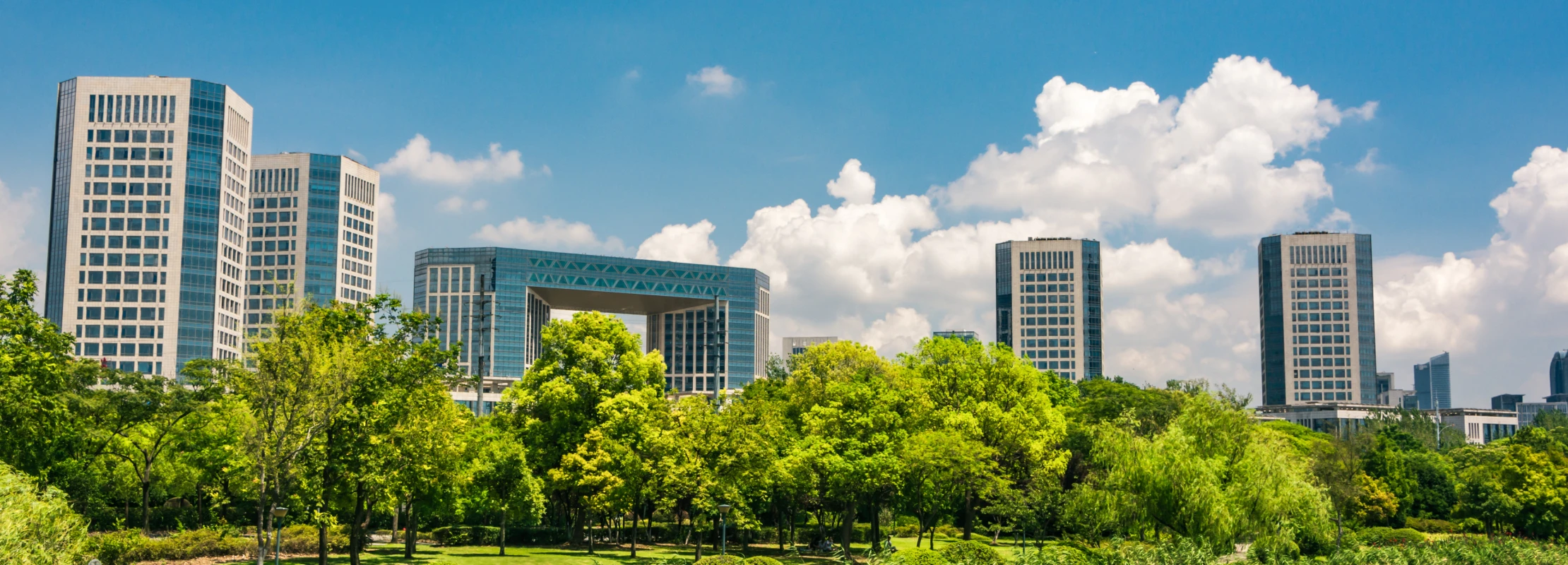
The Company places the highest priority on environmental management and biodiversity conservation, recognizing that maintaining natural balance is fundamental to the quality of life for residents and surrounding communities. The Company is committed to operating under the concept of “sustainable development alongside the preservation of natural value” by integrating plant and animal conservation, appropriate land utilization, and ecosystem restoration to achieve completeness.
The approaches covers land selection and acquisition processes, project planning and design that avoids impacts on habitats, the creation of interconnected green spaces, as well as continuous environmental maintenance and monitoring. This ensures that biodiversity within the project area can be sustained and developed in the long term, thereby creating value for residents, communities, and the environment as a whole.


Strategies and Management Approaches
Policy and Commitment
The Company has established the "Biodiversity Management Policy" and implemented board-level oversight to manage significant sustainability risks, including biodiversity issues. This aligns with the sustainability disclosure principles of IFRS S1. The Risk Management Committee is assigned the responsibility of providing governance oversight on the following areas:
- Material issues, nature-related risks, and opportunities.
- Integration of biodiversity into strategies, investment decisions, and project designs.
- Risk management processes and internal controls, including Internal Control & Disclosure Readiness.
- Metrics, targets, and monitoring of results.
The Committee reviews these matters at least once a year, or upon the occurrence of significant events or changes, and regularly reports to the Board of Directors. Meanwhile, the management team is responsible for driving implementation, allocating resources, and enhancing the capabilities of relevant departments to ensure operations align with the policy.
The Company has integrated biodiversity issues into its Enterprise Risk Management (ERM) and investment decision-making processes. This ensures that Nature-related Risks both Physical Risks and Transition Risks are assessed and managed at a strategic level. Furthermore, cross-functional collaboration has been fostered to co-establish biodiversity risk and opportunity assessment criteria for new and significant projects.
The Company has established a strategic commitment to achieving a Net Positive Impact on biodiversity or implementing offsets for unavoidable impacts in high-biodiversity risk areas. The Mitigation Hierarchy (Avoid–Minimize–Restore–Offset) serves as the core operational framework. The Company requires the reporting of Biodiversity Habitats within and adjacent to project sites and the development of a Biodiversity Action Plan (BAP), verified by the Sustainability Department. This process involves establishing baseline biodiversity conditions prior to project development and monitoring changes in Habitat Area, Habitat Condition, and Species Richness Index to evaluate quantitative outcomes, with progress disclosed annually.
Additionally, the Company collaborates with external stakeholders, including government agencies, the private sector, and non-profit organizations, to collectively reduce biodiversity loss across all operational areas.
To achieve authentic sustainability outcomes, the Company prioritizes building a knowledge foundation and continuously developing the capabilities of personnel and business partners regarding biodiversity to ensure accurate understanding and practice. The Company is also committed to transparent disclosure by preparing reports aligned with the recommendations of the Taskforce on Nature-related Financial Disclosures (TNFD) and disclosing sustainability data in accordance with the international GRI Standards (GRI 101: Biodiversity 2024). The Company firmly believes that managing biodiversity with integrity and transparency is a vital foundation for passing on a rich natural heritage to future generations alongside stable business growth.
For more information, please visit:
Policy on Biodiversity Management
Strategies and Management Approaches
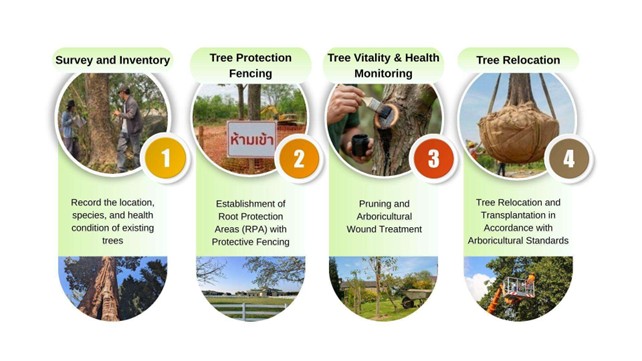
Green Space and Ecosystem Management through Big Tree Management Techniques
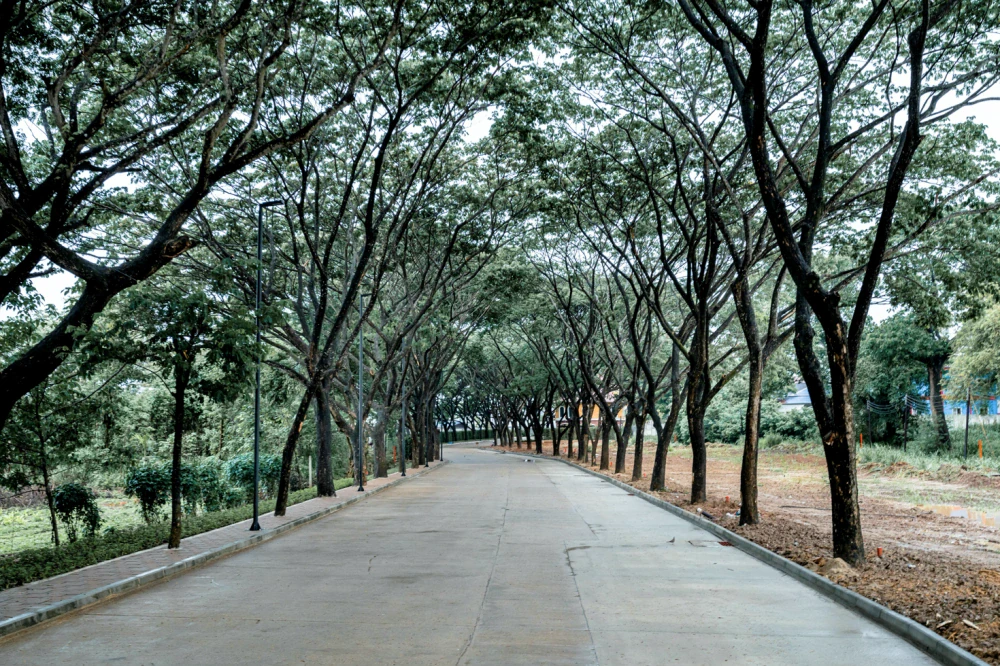
The Company recognizes that large trees are invaluable natural assets, offering immense ecological and economic benefits. Beyond being long-lived flora, these trees serve as the pillars of the ecosystem and are vital to creating lush, resilient landscapes. Consequently, the preservation and professional relocation of large trees generate a net positive impact on biodiversity by providing essential habitats, shelters, and breeding grounds for diverse urban wildlife, thereby maintaining the balance of the urban food chain.
Furthermore, their root systems and expansive canopies play a crucial role in stormwater management by slowing runoff, preventing localized flooding, and mitigating soil erosion. From a business perspective, preserving these natural features enhances real estate value and elevates the long-term quality of life for residents. To safeguard existing trees within project development areas, the Company integrates strategic species selection tailored to functional utility with advanced tree transplanting and relocation techniques, ensuring the continuity of precious natural resources.
Biodiversity Conservation and Restoration
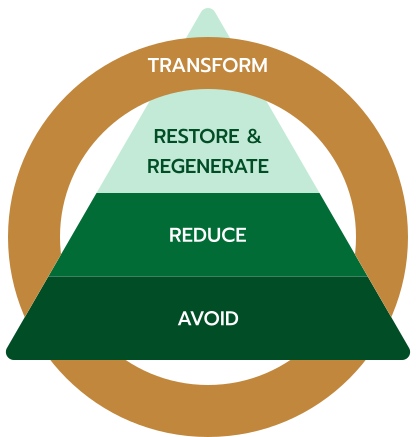
The Company has established comprehensive guidelines for the conservation and restoration of biodiversity across all current and future development projects. These measures are integrated throughout the entire project lifecycle from land acquisition and construction to post-construction phasesto mitigate potential negative impacts on biodiversity. Our framework is aligned with the International Union for Conservation of Nature (IUCN) standards regarding Biodiversity Offsets and strictly adheres to the Mitigation Hierarchy. This structured approaches consists of four sequential levels designed to manage environmental impacts effective: Avoidance, Minimization, Restoration, Offsetting

Biodiversity Risk Assessment Process
The Company recognizes that nature and biodiversity are fundamental factors that directly influence the quality of life for our residents and the long-term growth potential of our business. Consequently, we have integrated nature-related risk and opportunity assessments into our corporate strategy. Our approaches is aligned with the international framework of the Taskforce on Nature-related Financial Disclosures (TNFD), ensuring that project development proceeds in harmony with the natural context and meets the evolving expectations of our stakeholders.
The company conducts assessments using the LEAP Approach (Locate, Evaluate, Assess, Prepare), which begins with considering the project's location and its connection to the surrounding ecosystem (Locate); analyzing the dependence on and impacts on natural resources and biodiversity (Evaluate and Assess); and utilizing the assessment results to manage biodiversity risks, coupled with strategic planning to enhance business opportunities and long-term value (Prepare).
The assessment covers the Double Materiality principle, considering both (1) the impact of the Company's activities on nature (Impact Materiality) and (2) the risk or opportunity that degradation of nature may affect the Company's operating results, cash flow, asset value at risk, and cost of capital (Financial Materiality). The analysis is currently in the process of data collection and uses scenario analysis consistent with the TNFD and IFRS S1 frameworks to assess the resilience of the business model under nature-related transition risks.
The results of these assessments are utilized to analyze Business Model Resilience under various Scenario Analyses. These scenarios specifically focus on ecosystem changes and water-related risks, ensuring that the Company can adapt and maintain operational continuity amidst evolving environmental challenges.
Furthermore, this approaches enables the Company to mitigate operational and environmental transition risks. It also serves as a catalyst for designing and developing residential projects that prioritize green space enhancement, urban ecosystem restoration, and resource efficiency. These initiatives collectively generate added value for our projects, bolster consumer and investor confidence, and drive sustainable business growth while preserving the intrinsic value of nature for the long term.
Spatial Connectivity and Natural Value Assessment
The Company prioritizes land selection and project development rooted in the responsibility toward natural resources. We conduct systematic spatial assessments involving nature and biodiversity data to gain a profound understanding of the environmental context and the natural value of a site prior to development. This process is carried out in tandem with identifying design and development opportunities that harmonize with the site’s unique natural characteristics.
The assessment process encompasses a comprehensive review of both national and international reference data. This includes verifying the presence of Reserved and Protected Wildlife as mandated by the Ministry of Natural Resources and Environment (MNRE), as well as identifying rare or endangered flora and fauna listed by the Office of Natural Resources and Environmental Policy and Planning (ONEP) under the Thailand Red List and the IUCN Red List. This rigorous screening supports project planning by proactively identifying legal constraints and enhancing business decision-making clarity from the initial stages.
Furthermore, the Company evaluates the context of water resources by utilizing water risk maps from the United Nations (UN) as a key decision-support tool. This ensures that project developments do not exacerbate water stress in local areas and enables effective long-term water management planning.
Regarding ecosystem structure, the Company prioritizes analyzing the areas surrounding its projects to avoid impacts on protected or sensitive areas. This includes carefully considering migration corridors, foraging grounds, and habitat connectivity to maintain ecological balance alongside urban development.
The Company operates with full respect for the rights of local communities and their traditional use of natural resources. We ensure that access to resources is not restricted without proper engagement and consent, adhering to the principle of Free, Prior, and Informed Participation. Furthermore, the Company provides dedicated channels for environmental and community-related grievances, ensuring a systematic monitoring and resolution process through the Supalai Contact Center 1720
Identification of Dependencies and Impacts on Nature and Biodiversity
The company recognizes that real estate development projects are interconnected with nature in many dimensions, both as a user of resources and as a potential impact on ecosystems. Therefore, the company conducts analyses of the dependencies and impacts of project development activities on nature and biodiversity in order to comprehensively identify business risks and opportunities.
The assessment encompasses dimensions of natural resource utilization, such as water, soil, and ecosystem services, as well as potential impacts from land restructuring, construction, and project operation, including habitat loss, alterations to ecosystem structure, and impacts on the capacity to withstand natural disasters such as floods, storms, or landslides.
Furthermore, the Company prioritizes strict pollution control and rigorous compliance with environmental laws and policies. We also meticulously consider potential reputational risks arising from biodiversity-related issues. These risks are formally integrated into the Enterprise Risk Management (ERM) framework for systematic monitoring and evaluation. The assessment results are utilized to formulate robust prevention and mitigation measures, supported by continuous risk monitoring and review. This ensures that all strategic decision-making and project implementations are deeply rooted in the consideration of nature and biodiversity, fostering long-term resilience and sustainability.
The scope of the Company’s biodiversity management and disclosure encompasses the entire project development lifecycle: from site selection and land acquisition to design, construction, and post-occupancy management. This also extends to material issues within the value chain, including contractors, material suppliers, and the management of green spaces and water resources within the projects. To ensure the accuracy and auditability of its disclosures, the Company employs an evidence-based approaches and utilizes material assumptions tailored to the specific context of each project site. This commitment to data integrity supports transparent reporting and enables stakeholders to verify the Company’s environmental performance effectively.
Risk Level Analysis and Biodiversity Action Plan (BAP)
The company systematically analyzes biodiversity risk levels using data from spatial assessments and impact identification, considering key factors such as project location, distance from areas of high natural value, and the importance of plant and animal species that may be affected.
For projects identified as high-risk, the Company mandates the development of a Biodiversity Action Plan (BAP). This plan establishes comprehensive measures for the prevention, mitigation, and monitoring of impacts throughout the entire project development lifecycle. Beyond risk management, the BAP serves as a strategic framework that enables the Company to innovate in design and management, ultimately generating added value for both the development site and the surrounding communities.
The operational plan will be based on the mitigation hierarchy principle, prioritizing avoidance as the first priority, followed by reduction, restoration, and compensation, in that order. This ensures that the company's operations do not cause significant loss of biodiversity and are consistent with international best practices in sustainable development.
Implementation of the Mitigation Hierarchy for Impact Prevention and Reduction
The Company implements stringent management protocols in areas identified with high biodiversity impacts and risks, strictly adhering to the Mitigation Hierarchy. Our primary objective is to ensure that residential development results in minimal ecological disruption while actively supporting long-term nature restoration. By integrating these protective measures into our operational workflow, we strive to balance urban expansion with the preservation of vital ecosystem functions.
Avoid
The company prioritizes planning from the initial stages of each project, selecting locations and designing project layouts that harmonize with the natural context of the area. This includes preserving existing vegetation and topography as much as possible, avoiding the cutting down of large and valuable trees, and emphasizing the use of innovative construction methods such as low-carbon concrete and precast systems. For High Rise Projects, pile driving techniques are employed to minimize the risk of dust, noise pollution, and environmental contamination.
Minimize
The Company implements rigorous control measures for construction activities and project management to minimize impacts on the environment and surrounding communities. These include systematic management of dust, noise, construction waste, soil, materials, and wastewater. Furthermore, the Company prioritizes the selection of energy-efficient appliances and equipment, reducing resource consumption and mitigating footprints on local ecosystems. In addition to operational controls, the Company promotes sustainability throughout its value chain through Green Procurement. We prioritize the sourcing of eco-friendly building materials and products that minimize natural resource depletion, ensuring that our commitment to environmental stewardship extends to our partners and suppliers.
Restore and Regenerate
The Company designs its green spaces with an ecological-centric approaches, aiming to restore ecosystem functions that support both biological diversity and human well-being in a balanced manner. Our operational framework focuses on creating ecological corridors that integrate seamlessly with the surrounding natural context. This includes the strategic selection of native plant species and vegetation suited to the local environment, which reduces resource consumption and enhances long-term ecosystem resilience.
Offset
The Company is committed to elevating its operations beyond mere impact mitigation toward driving systemic transformation. Our goal is to scale up positive outcomes for nature and biodiversity in the long term by integrating this transformative mindset into every stage of project design, development, and management. By embedding ecological restoration into our core operational fabric, we ensure that our growth contributes meaningfully to the resilience and regeneration of the natural environment.
The Company’s operational approaches extends to active collaboration with diverse stakeholders, including local communities, government agencies, and civil society organizations. This synergy aims to develop and expand ecological green spaces, restore natural habitats, and enhance urban ecosystem connectivity.
Furthermore, the Company fosters innovation in resource and waste management, prioritizing eco-friendly materials throughout the value chain. We also emphasize transparent communication and awareness-building among employees, business partners, contractors, and residents. These collective efforts ensure that our residential developments play a pivotal role in delivering a Positive Contribution to Nature and supporting long-term sustainable urban development.
Regular Monitoring, Evaluation, and Auditing
The Company consistently monitors, measures, and reviews its performance regarding biodiversity and ecosystem services. This ensures that the environmental measures and management guidelines established during the project assessment phase are effectively implemented. By maintaining this rigorous oversight, the Company guarantees that its operational actions remain fully aligned with its overarching corporate sustainability goals, enabling continuous improvement in environmental stewardship.
Covers 100% of projects within the company's environmental assessment scope, verifying the compliance of project development with relevant environmental conditions, measures, and requirements related to land use, green spaces, water resource management, and biodiversity mitigation at least once a year or whenever significant changes occur during the project development phase.
The Company utilizes results from its monitoring and evaluation processes as critical input for reviewing project-level environmental performance. This review serves to confirm total compliance with relevant measures and regulations. Furthermore, these insights act as a primary reference for refining future design and development approaches. By leveraging this feedback loop, the Company aims to enhance operational suitability and focus on preventing and mitigating environmental and biodiversity risks to an acceptable level. This proactive approaches ensures that lesson learned from current developments drive superior environmental outcomes in all future projects.
Audit findings and lessons learned are systematically reviewed to continuously refine future project design and development guidelines. This commitment aims to elevate compliance with environmental measures, minimize risks to nature and biodiversity, and reinforce corporate transparency in sustainable business practices. By institutionalizing these insights, the Company ensures that every new development reflects an evolved standard of environmental stewardship.
Stakeholders Directly Impacted

Community / Society
Positive Impacts or Expected Impacts
- Preservation of the landscape and shade from existing trees, maintenance of waterways for agricultural use, and enhancement of local pride.

Government Agencies
Positive Impacts or Expected Impacts
- The developed project complies with regulations and contributes to the conservation of local resources.

Employees and Contractors / Suppliers
Positive Impacts or Expected Impacts
- Gained knowledge and skills in conservation work, and improved safety when working near large trees.

Customer
Positive Impacts or Expected Impacts
- Improved quality of life from green spaces and natural landscapes, and increased project value.
Performance Results
The Company is steadfast in its commitment to conducting business in harmony with the preservation of natural resources. We prioritize comprehensive Environmental Impact Assessments (EIA) at every stage of development to prevent and mitigate potential negative impacts on biodiversity. This process is not merely a protocol for establishing targeted prevention and mitigation measures from the outset; it serves as a critical governance mechanism in the project approval process. By embedding biodiversity considerations into our core decision-making, we ensure that every project contributes to genuine, long-term sustainability.
In 2025, the Company continued to demonstrate full compliance with national environmental regulations. A total of 6 projects successfully received official approval for their Environmental Impact Assessment (EIA) reports from the Office of Natural Resources and Environmental Policy and Planning (ONEP). This milestone ensures that these developments have met rigorous government standards for environmental protection and biodiversity mitigation before commencing construction.

Biodiversity Risk Assessment
The Company conducted a comprehensive biodiversity due diligence and risk assessment for future project developments, specifically within the Lum Sam Kaeo Forest Park area in Pathum Thani Province. This assessment involved a detailed survey of local species to evaluate their extinction risk levels. The Company utilized the internationally recognized IUCN Red List of Threatened Species as the primary benchmark to categorize the conservation status of all identified flora and fauna. This proactive measure ensures that the Company has a clear scientific baseline to develop appropriate mitigation and conservation strategies prior to any site development, thereby minimizing potential impacts on vulnerable species and their habitats.
| EX | Extinct | |
| EW | Extinct in the Wild | |
| CR | Critically Endangered | |
| EN | Endangered | |
| VU | Vulnerable | |
| NT | Near Threatened | |
| LC | Least Concern | |
| DD | Data Deficient | |
| NE | Not Evaluated |
Environmental Context and Land Use
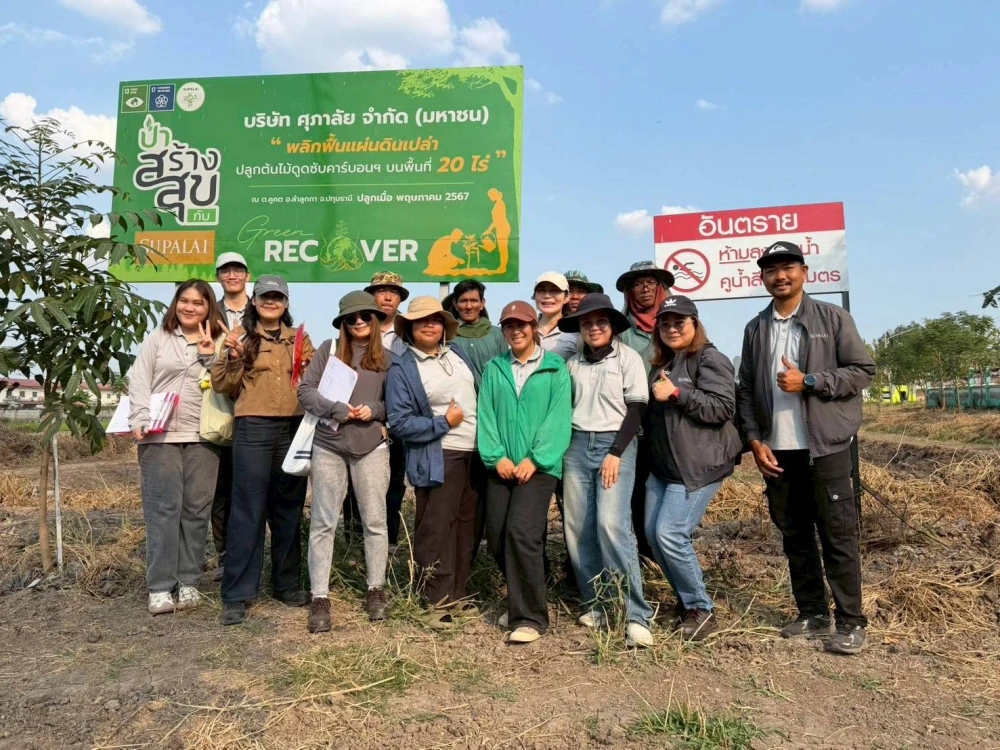
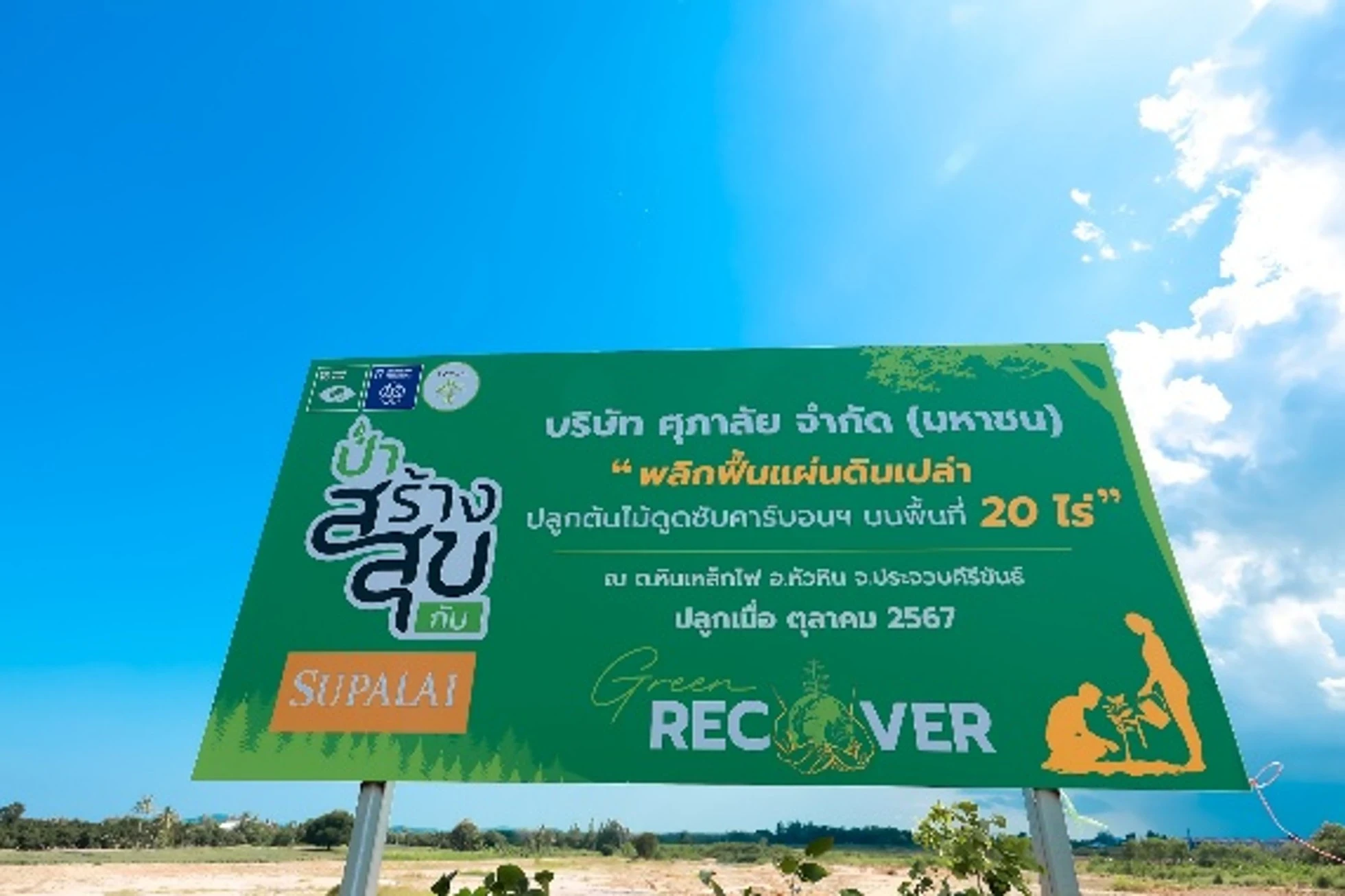
The surveyed area is situated in Lum Sam Kaeo Sub-district, Lam Luk Ka District, Pathum Thani Province. The site encompasses a rectangular plot totaling 20 Rai (approximately 3.2 hectares). This land has undergone a significant transformation under the Company’s operations, evolving from an underutilized vacant plot into a dedicated green space designed to enhance the local environment and community well-being. The site’s development incorporates strategic environmental engineering, including the afforestation of perennial trees and the integration of interconnected water channels. These features serve multiple critical functions: providing a sustainable irrigation system for the vegetation, acting as temporary detention basins to manage stormwater runoff during the rainy season, and establishing aquatic sanctuaries for the natural breeding and habitat of local species.
Furthermore, given its strategic locationbordered by residential communities, commercial hubs, agricultural zones, and government officesthis ecological development holds profound significance for the surrounding stakeholders in the following aspects:
Social and Community Benefit
- Serves as infrastructure that helps trap PM 2.5 particulate matter and acts as a carbon sink in the city.
- Helps reduce the urban heat island effect, lowering the surrounding temperature.
- Serves as a recreational area for relaxation, leisure, and exercise for the community, contributing to improved quality of life and mental health for its residents.
Enhancement of Infrastructure and Public Utilities
- Water distribution stations and flood protection routes utilize ditches dug in the temporary water storage areas of the Public Republic during periods of high water levels. Problems occurring on roads and access points to surrounding communities can be investigated.
- Wastewater treatment using physical and biological methods Channels allow suspended solids to settle, and plants around the channels absorb organic matter, resulting in cleaner water before it is released into natural water sources or public canals.
- Maintaining water security is crucial. Storing water for watering plants reduces reliance on public water supplies, ensuring the long-term sustainability of green spaces without depleting public water resources.
Safety and Long-term Sustainability
- The survey found that most trees have high structural stability due to their strong root systems and adequate water supply, which reduces the likelihood of causing damage to buildings or community infrastructure during storms.
- Well-managed green spaces with organized drainage systems enhance the aesthetics and increase the value of land or residential projects in the surrounding area.
Biodiverse Habitats
Variety of Plant Species
A survey of understory and herbaceous plants in the Lam Sam Kaeo forest area revealed a total of 5 plant species. These can be classified into 2 main groups based on their cotyledon structure, reflecting the diversity of food sources and shelters for insects and soil organisms, as follows:
- The survey identified four species of dicots: Water Dead-and-awake, Black honey shrub, Sensitive Plant, and Coat buttons. These plants play a crucial role in soil cover. They typically have taproot systems that help anchor the soil and prevent erosion, especially Sensitive Plant and Coat buttons, which are highly resistant to environmental conditions and help retain soil moisture.
- The biodiversity survey identified 1 key species of monocotyledonous plant: Para Grass (Brachiaria mutica). Despite being a single species, it plays a disproportionately significant role in the project’s ecological balance, particularly within the riparian and wetland zones
| No. | Local/Vernacular Names | Scientific name | Plant Habit | Status IUCN | Role in the ecosystem |
|---|---|---|---|---|---|
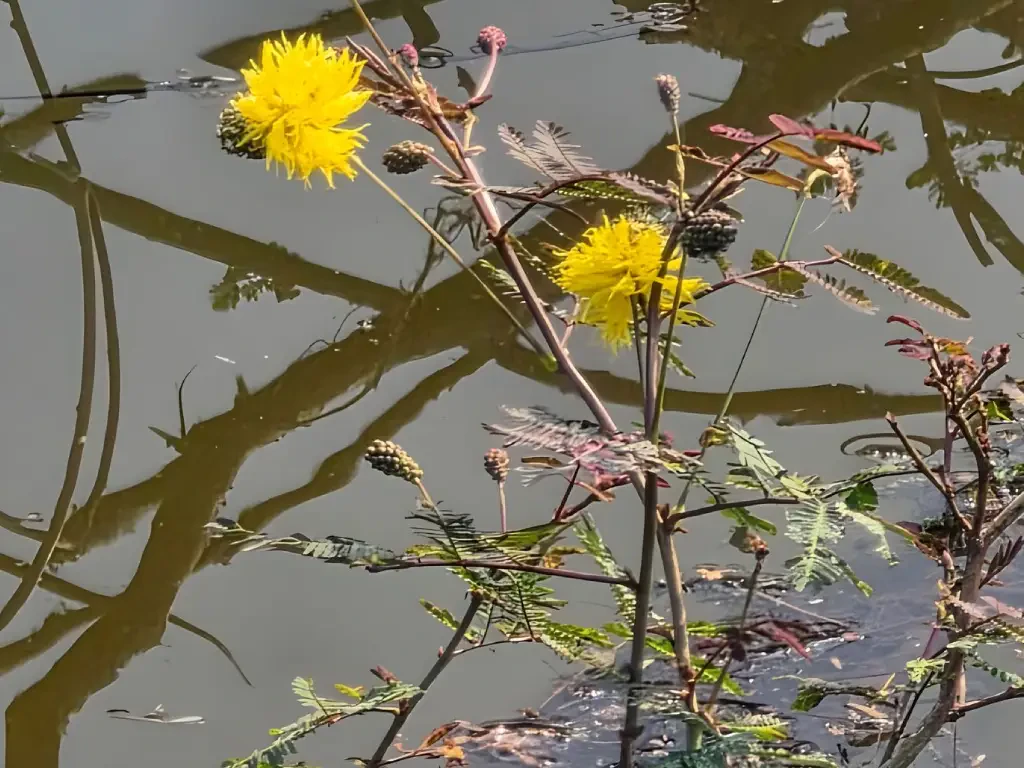
| 1 | Water Dead-and-awake | Neptunia plena (L.) Benth. | Herbaceous Plants | NE | Helps maintain water quality and serves as a food source and habitat for insects and small animals. |
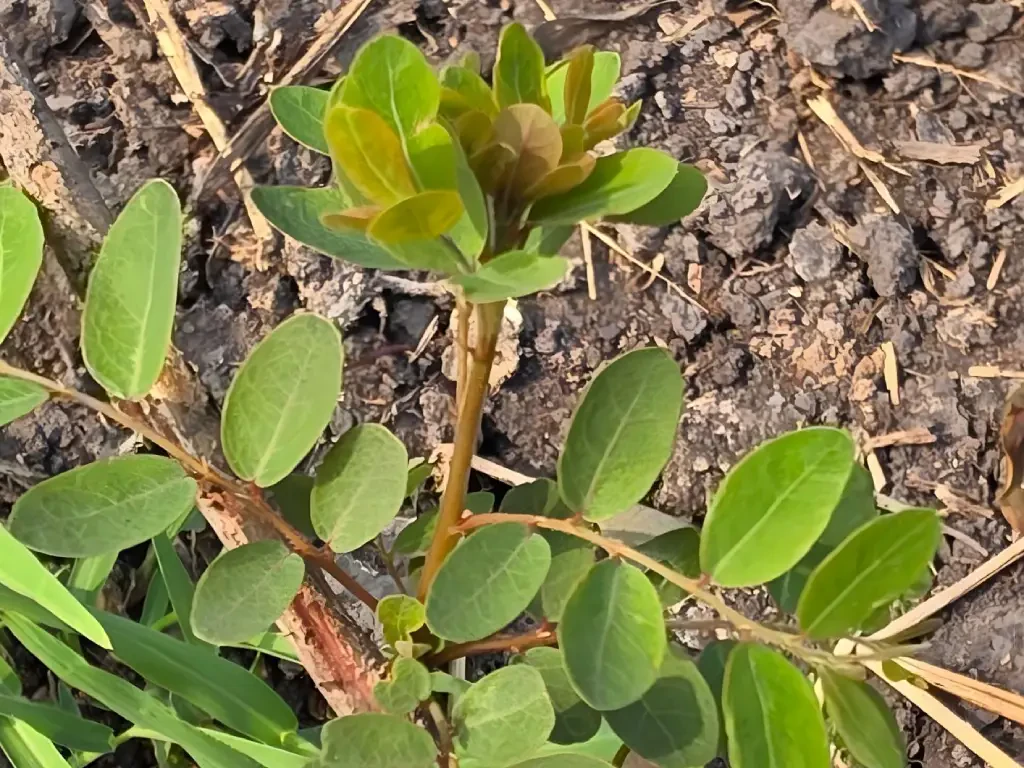
| 2 | Black honey shrub | Phyllanthus reticulatus Poir. | Small Shrubs | LC | It helps to stabilize the topsoil and protect it from erosion. |
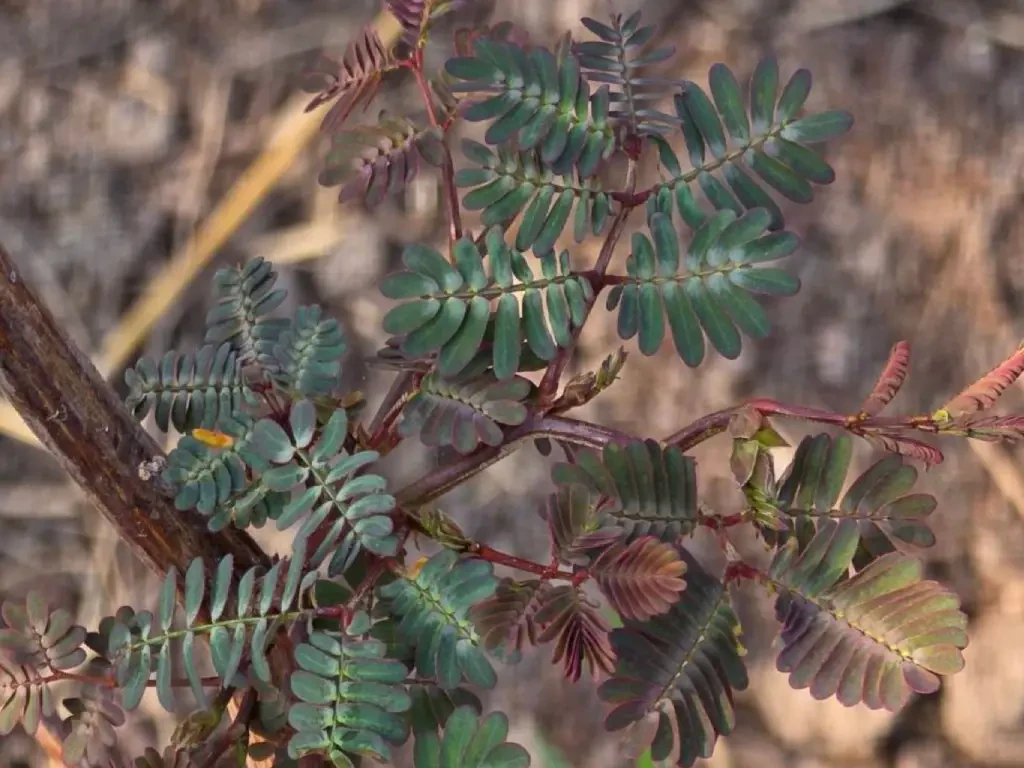
| 3 | Sensitive Plant | Mimosa pudica L. | Herbaceous Plants | LC | It helps fix nitrogen and improve soil quality. |
| 4 | Coat buttons | Tridax procumbens L. | Herbaceous Plants | LC | It is an important source of nectar for pollinating insects. |
| 5 | Para Grass | Brachiaria mutica (Forsk.) Stapf. | Amphibious plants | LC | Protects riverbanks from erosion and provides a hiding place for animals. |
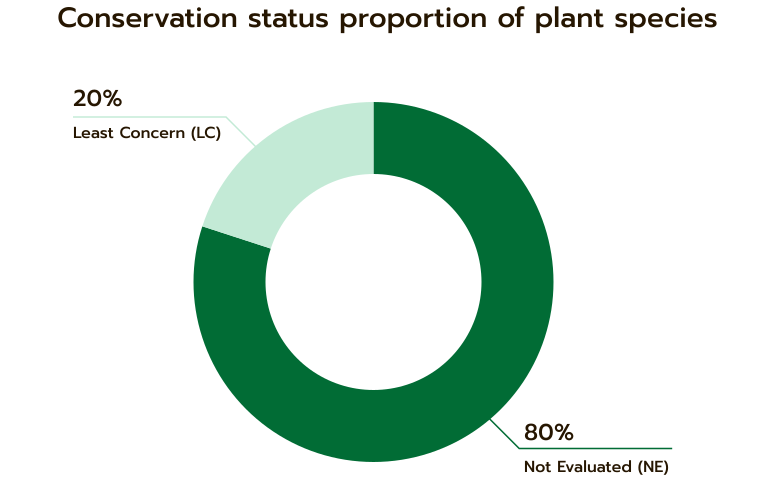
Based on the conservation status assessment of the 5 identified plant species within the project area, the Company has verified that there is currently no immediate risk of species loss. The survey results indicate that the predominant plant species found on-site are categorized as Least Concern (LC). The assessment confirms that all identified species are aligned with IUCN international standards, reflecting their status as robust local flora with high adaptive capacity.
Water Dead-and-awake
Black Honey Shrub
Sensitive Plant
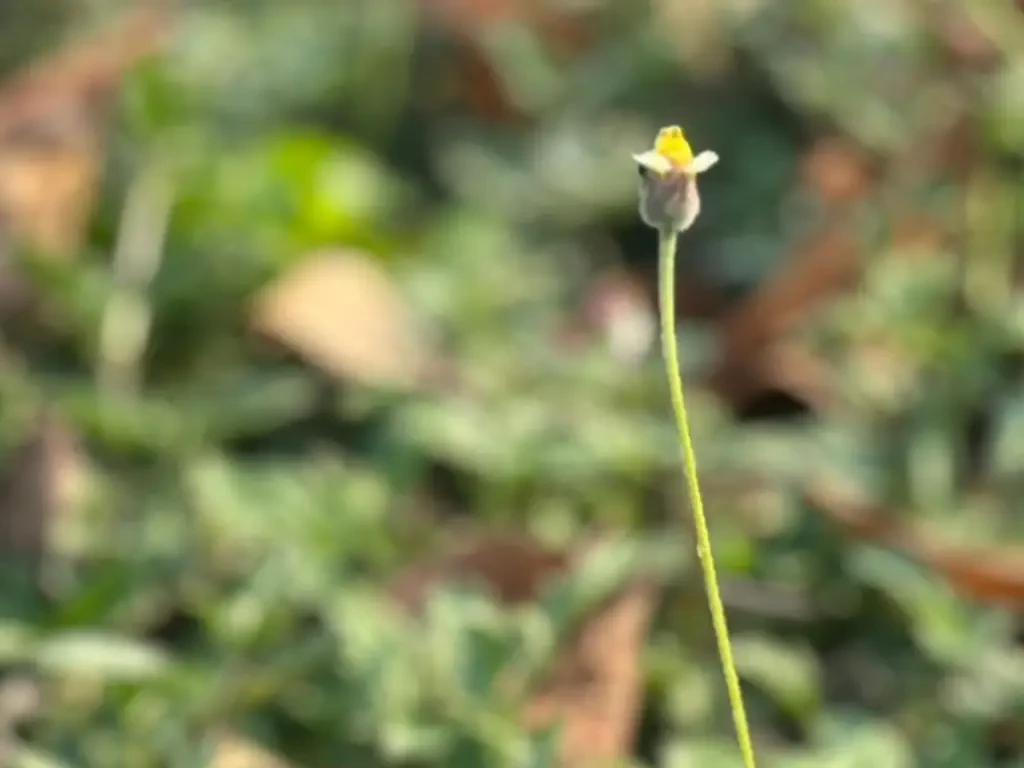
Coat Buttons
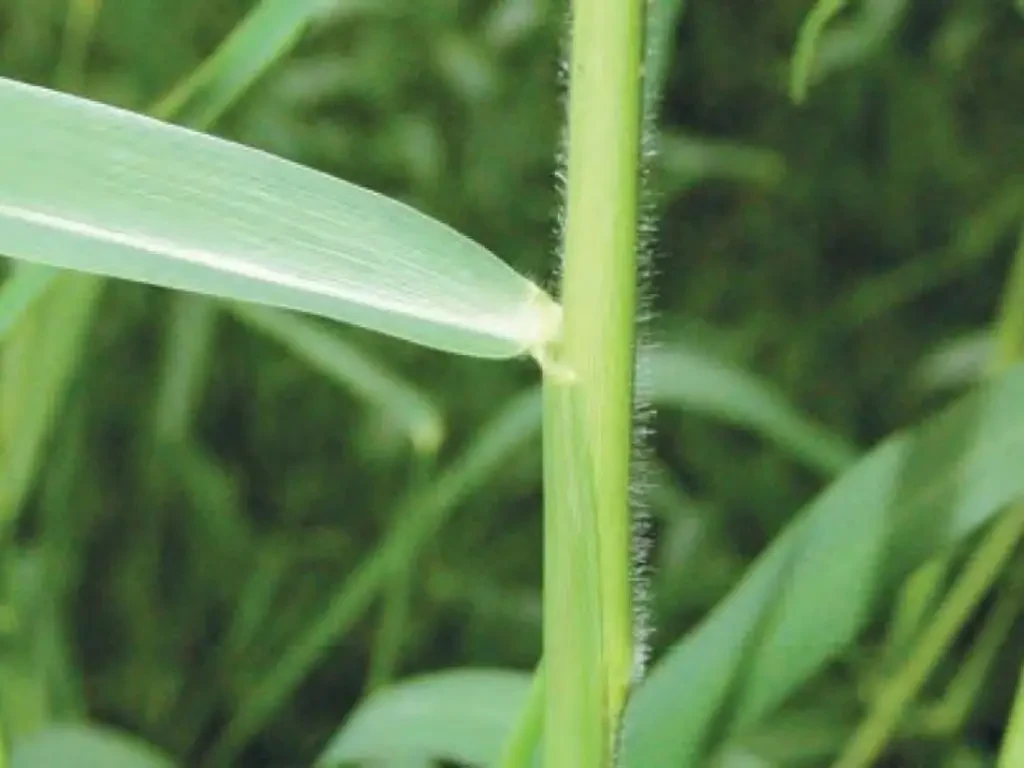
Para Grass
Although classified as Not Evaluated (NE), Water Dead-and-awake is a common plant with a crucial role in ecosystem restoration. These plants are not only secure in terms of conservation status but also serve as vital ecological foundations, supporting insect pollination through the provision of nectar, helping to retain moisture, and preventing soil erosion.
Variety of Animal Species
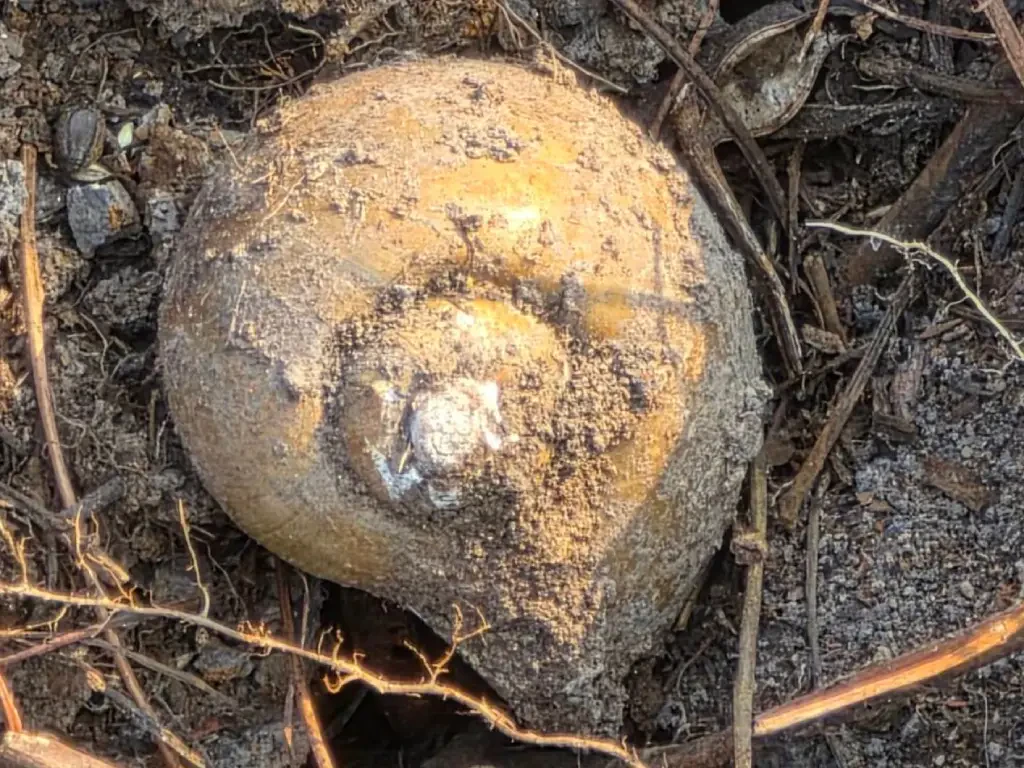
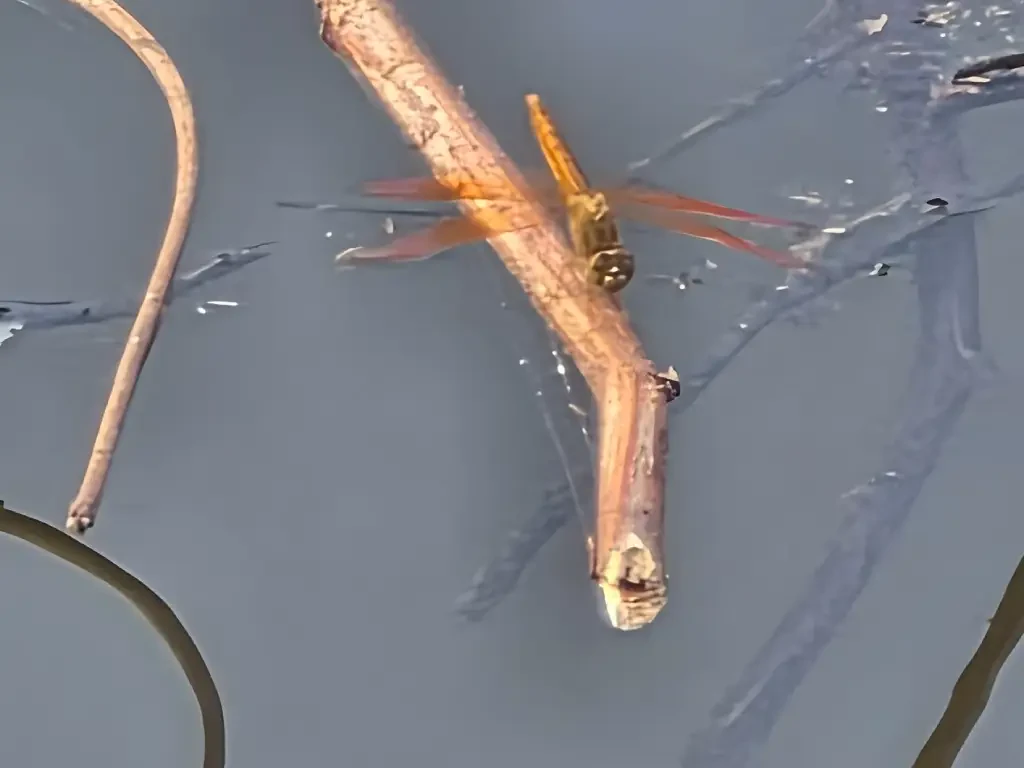
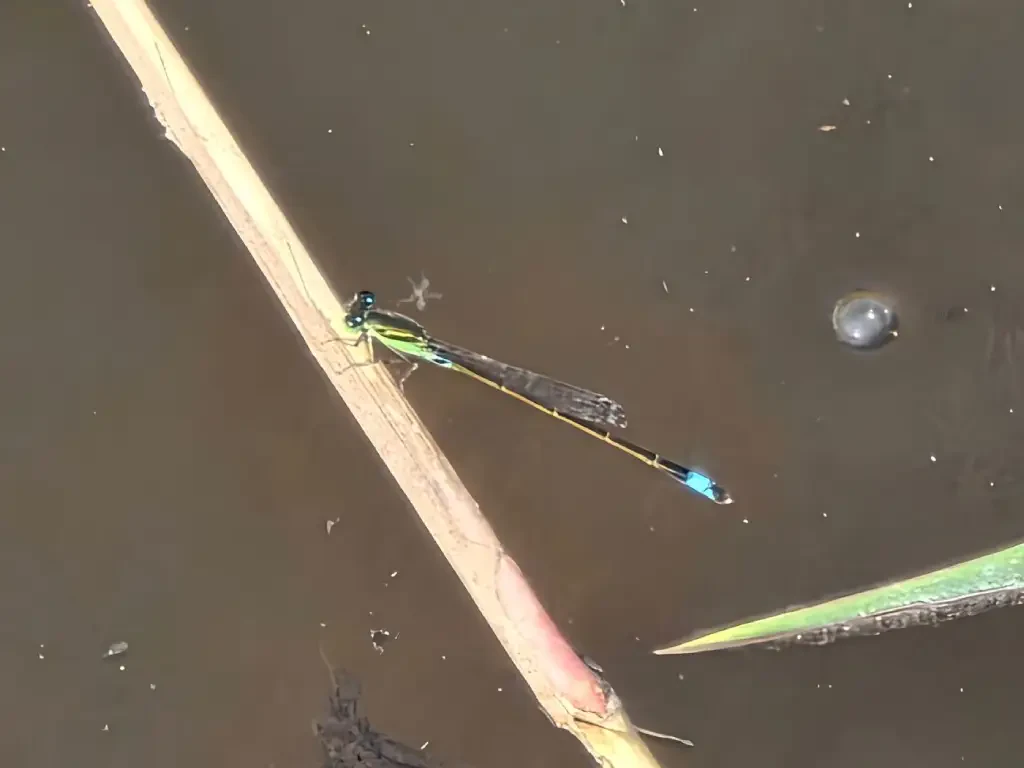
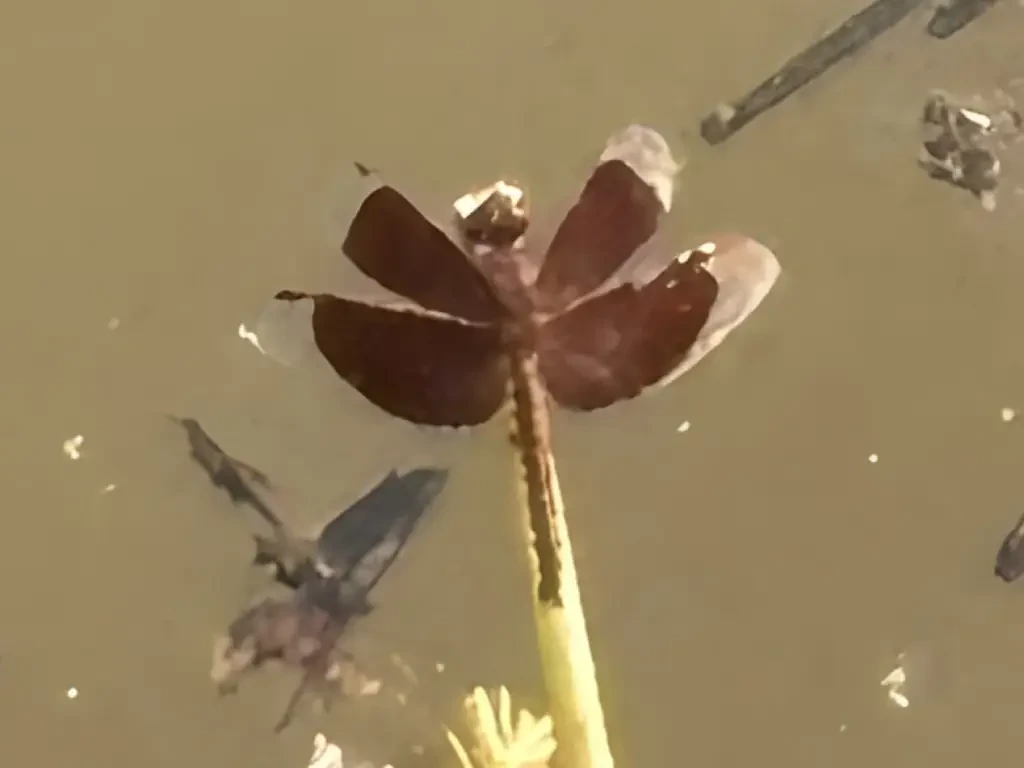
The biodiversity survey within the project area identified a total of 18 fauna species of ecological significance. These species can be categorized by their populations and specific roles within the food web, reflecting the overall biological richness and ecological health of the site as follows
| Group of animals | Species name | Scientific name | Status IUCN | Role in the ecosystem |
|---|---|---|---|---|
| Poultry | Common Tailorbird | Orthotomus sutorius | LC | Controls insect populations and helps in the dispersal of plant seeds. |
| White-breasted Waterhen | Amaurornis phoenicurus | LC | ||
| Rock Pigeon | Columba livia | LC | ||
| Eurasian Tree Sparrow | Passer montanus | LC | ||
| Aquatic animals | Striped snakehead | Channa striata | LC | It is an indicator of water quality and a component of the food chain. |
| Minnow | Rasbora borapetensis | LC | ||
| Siamese fighting fish | Betta splendens | DD | ||
| Golden Apple Snail | Pomacea canaliculata | LC | ||
| Insect | Dragonfly | Pantala flavescens | LC | They function in pollination and act as natural predators, preying on insect pests for food throughout their lives, as well as being decomposers in the ecosystem. |
| Damselfl | Pseudagrion microcephalum | LC | ||
| Common Parasol | Neurothemis fluctuans | LC | ||
| Arboreal Bicolored Ant | Tetraponera rufonigra | NE | ||
| Black Garden Ant | Paratrechina longicornis | NE | ||
| Lesser Mealworm | Alphitobius diaperinus | NE | ||
| Lesser Grass Blue | Zizina otis otis | LC | ||
| Reptile | Mekong snail-eating turtle | Malayemys subtrijuga | NT | They help maintain the balance of the ecosystem because they are both consumers and natural food sources for other predators. |
| Changeable Lizard | Calotes versicolor | LC | ||
| Small aquatic animals | Water Striders | Aquarius remigis | NE | Small aquatic animals Water Striders Aquarius remigis NE Indicates the cleanliness of the water surface and surface tension. |
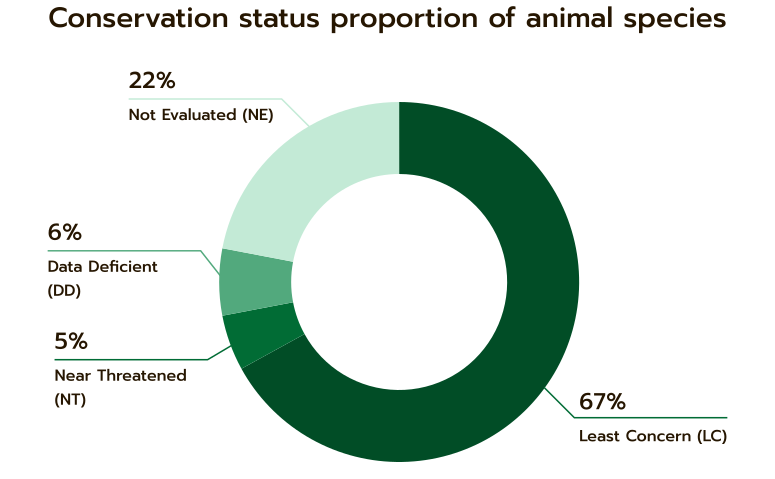
The biodiversity assessment confirms that the project area serves as a safe and thriving habitat for various species. Evaluation based on the IUCN Red List of Threatened Species indicates that the majority of the identified fauna are classified as Least Concern (LC). Key groups include: Common Tailorbird, White-breasted Waterhen, Striped snakehead, Minnow, Siamese fighting fish, and Various groups of dragonflies
In addition, some important organisms were found during the survey: The rice field turtle, which is classified as Near Threatened (NT) This includes the Siamese fighting fish, which, although classified as Data Deficient (DD), is considered an endemic species in the area. Because they may be less common or no longer found in some urbanized areas, their presence indicates the creation of urban ecosystems that can serve as natural refuges, helping to preserve local animal species. In addition, groups of insects and small aquatic animals, although not yet evaluated (Not Evaluated: NE), such as Water striders, were found, which are indicators of water cleanliness in the project area.
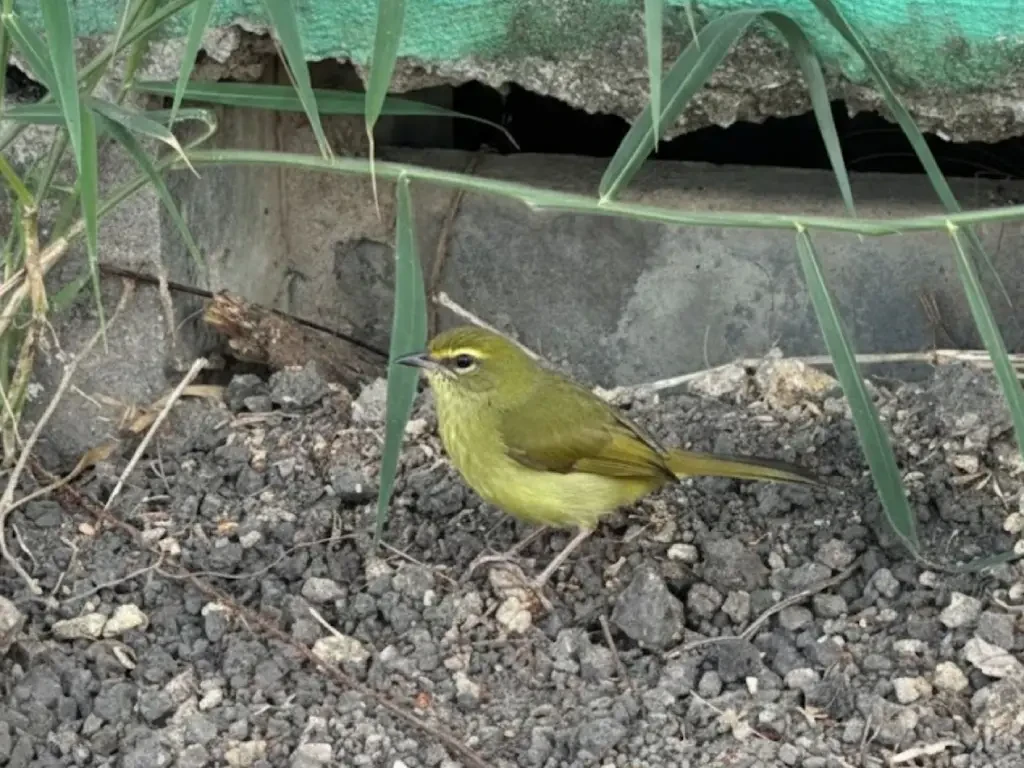
Common Tailorbird
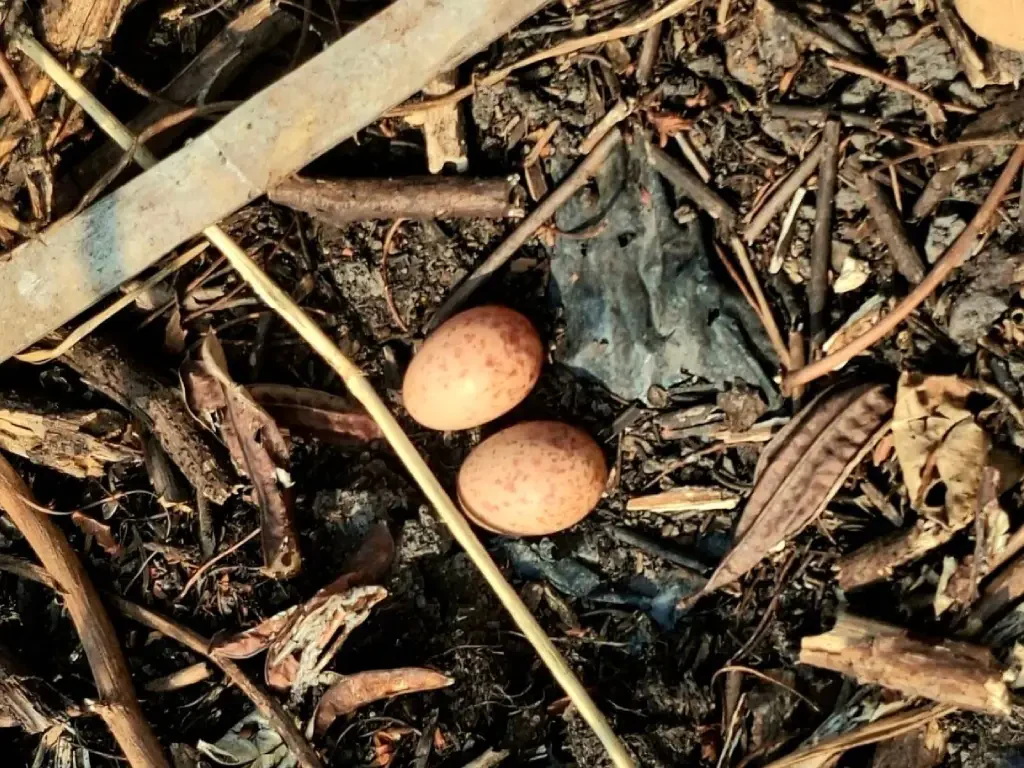
White-breasted Waterhen (egg)
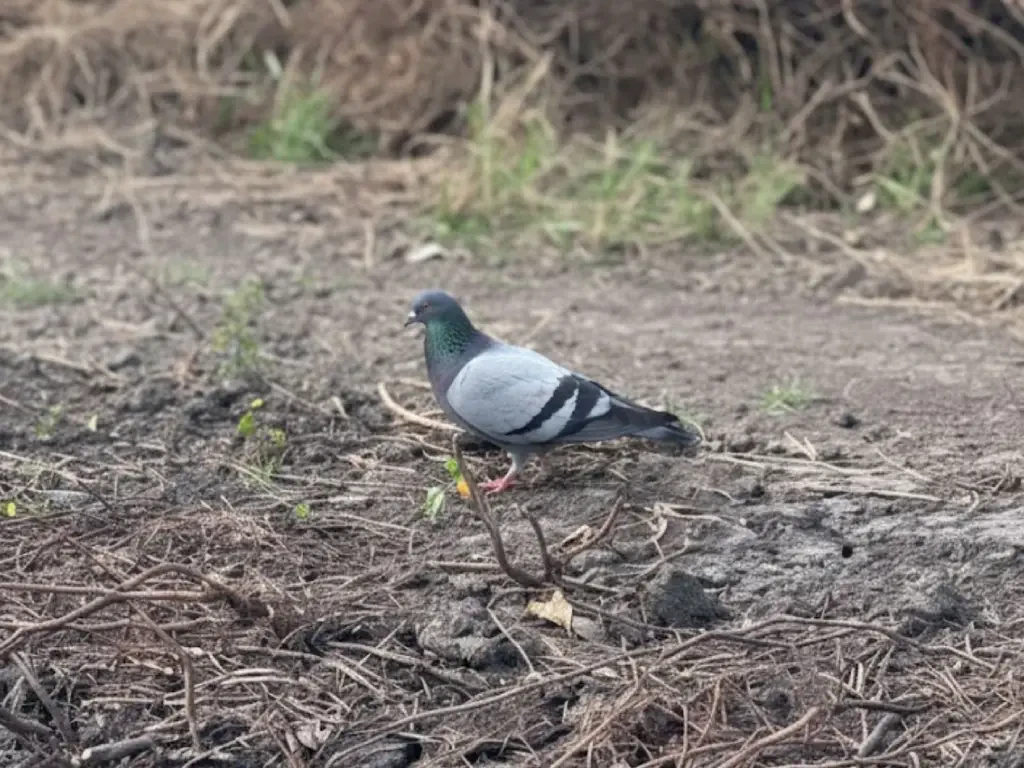
Rock Pigeon
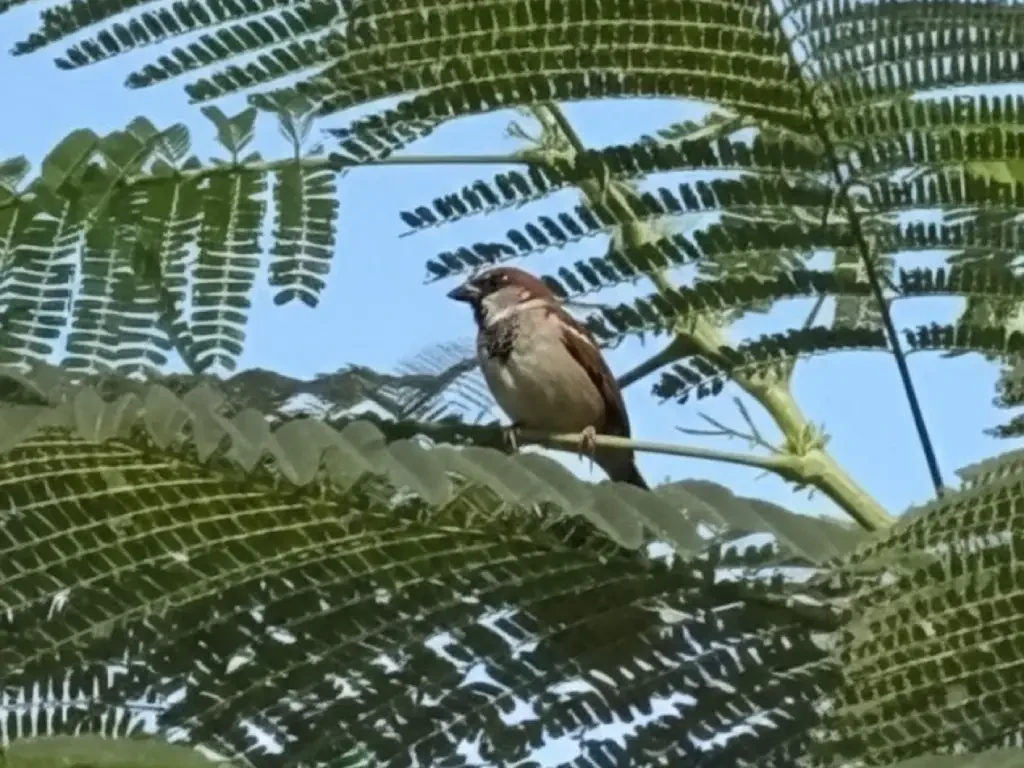
Eurasian Tree Sparrow
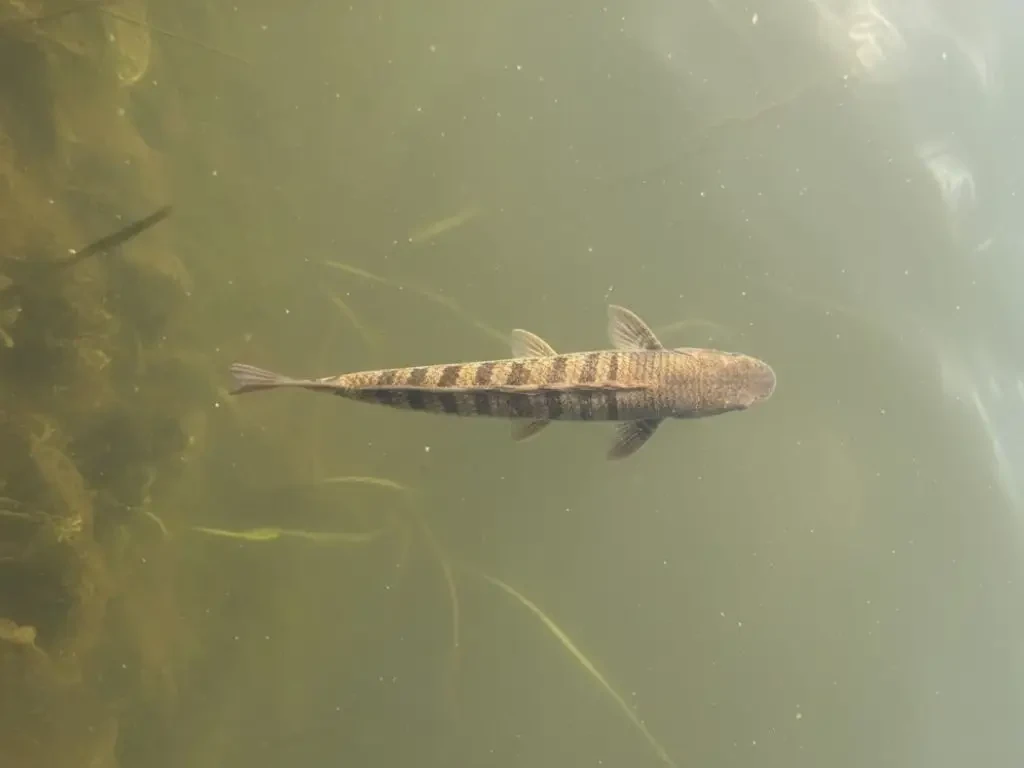
Striped Snakehead
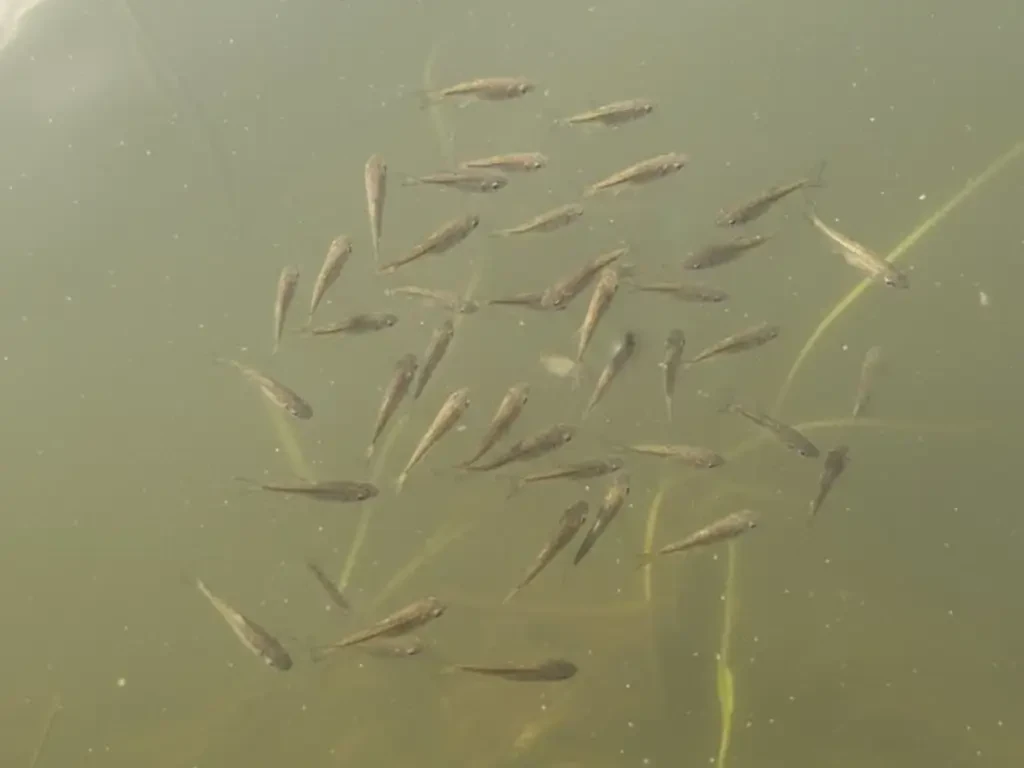
Minnow
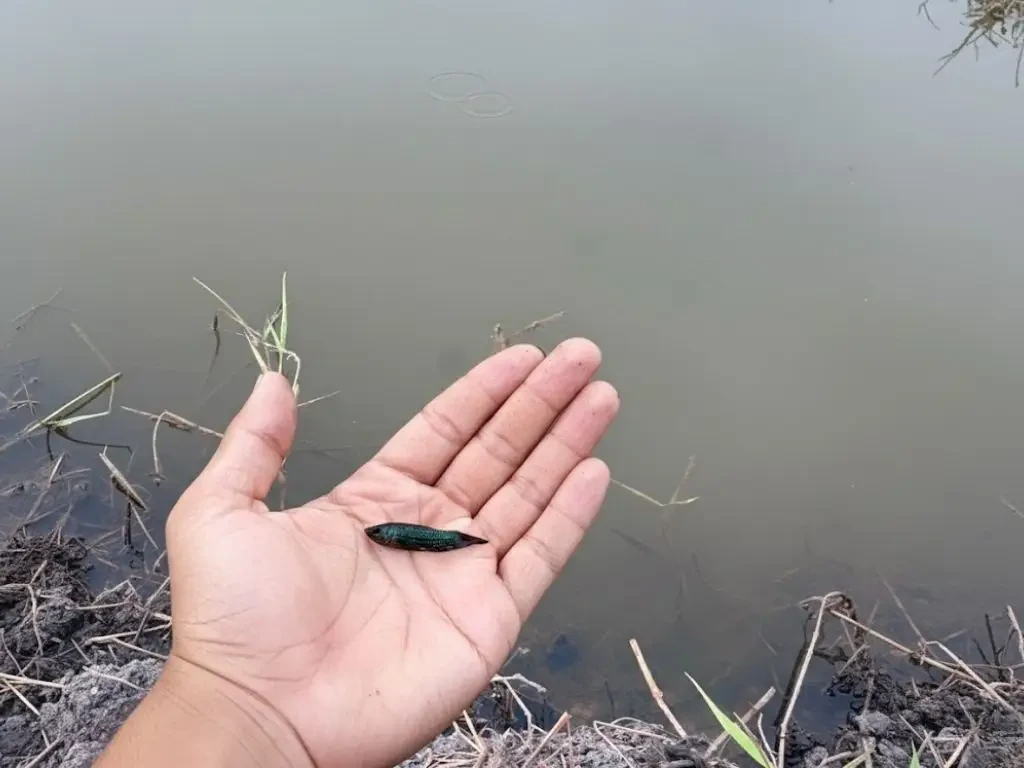
Siamese Fighting Fish
Golden Apple Snail
Dragonfly
Damselfly
Common Parasol
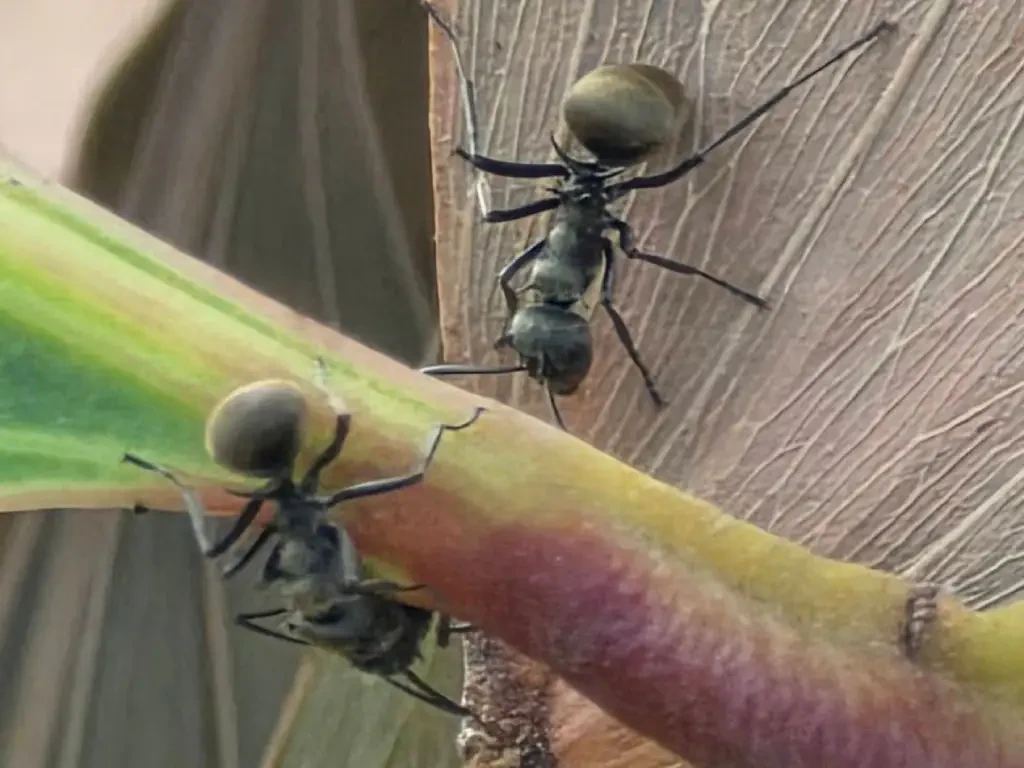
Arboreal Bicolored Ant
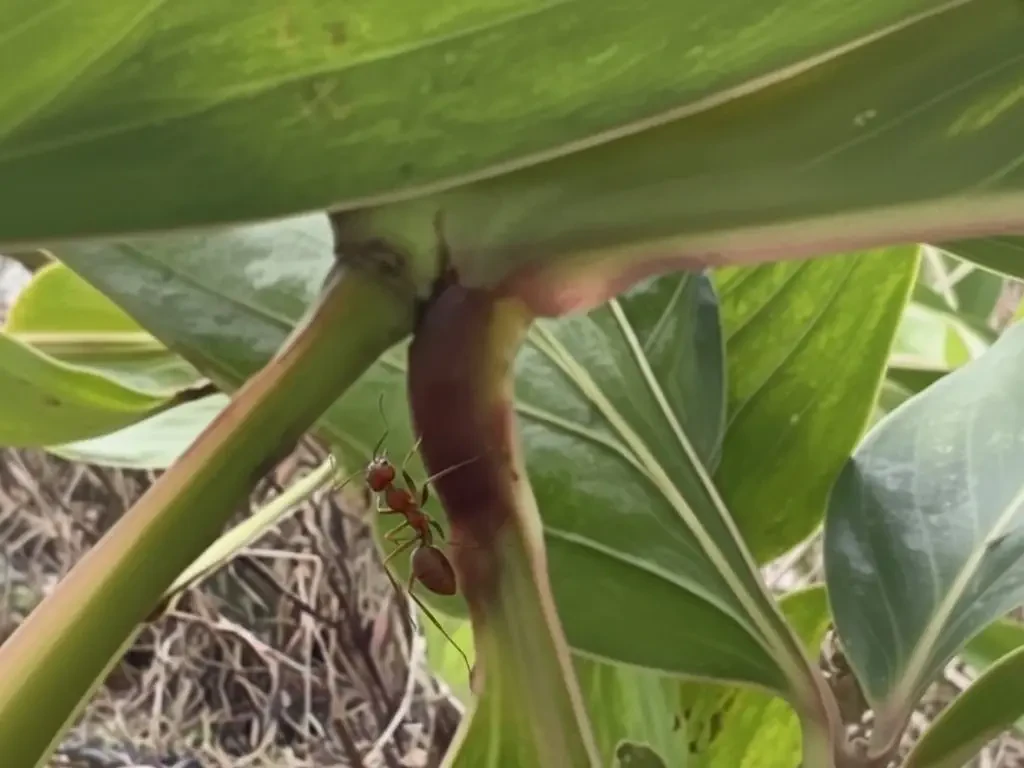
Black Garden Ant
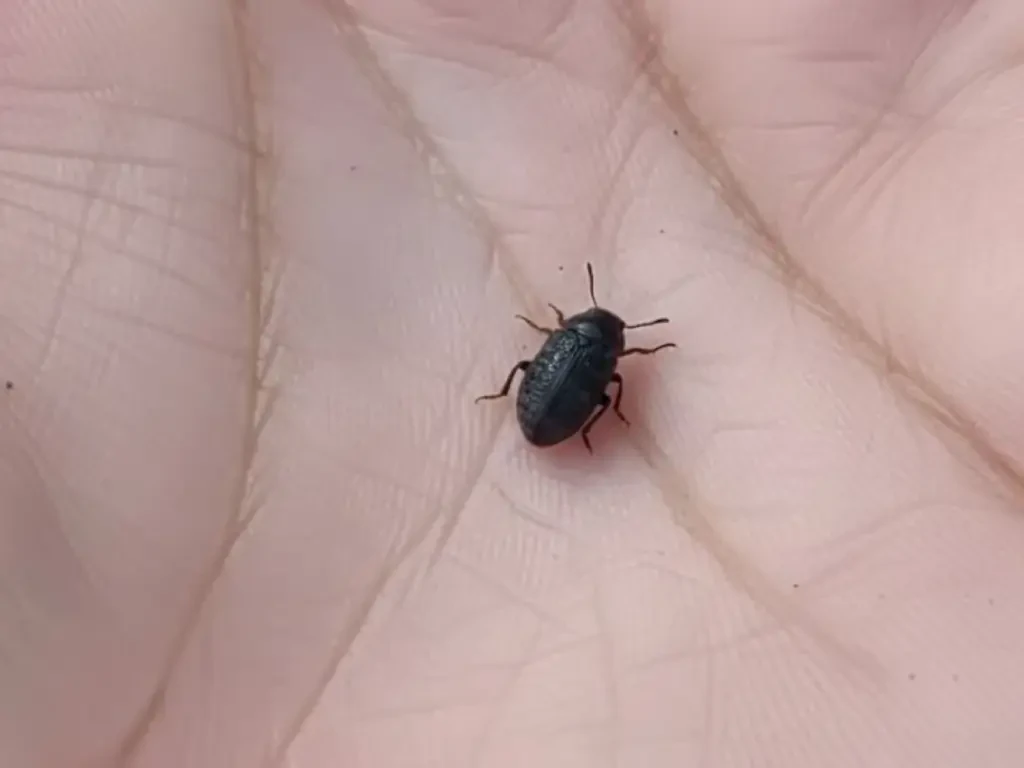
Lesser Mealworm

Lesser Grass Blue
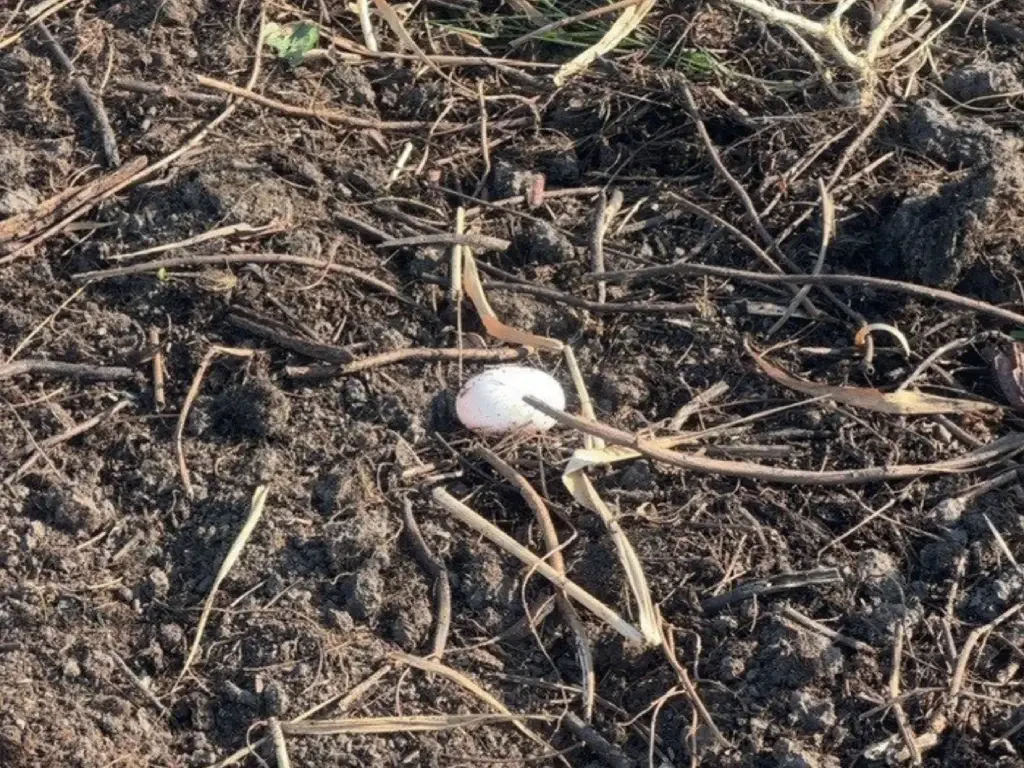
Mekong Snail-eating Turtle (egg)
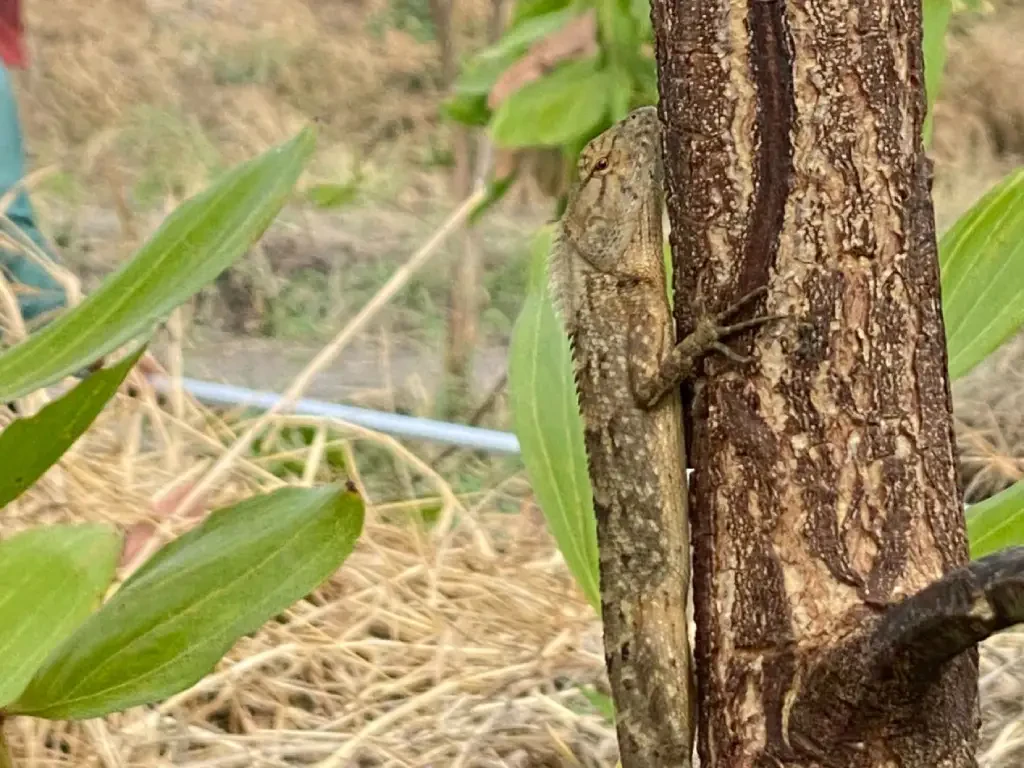
Changeable Lizard
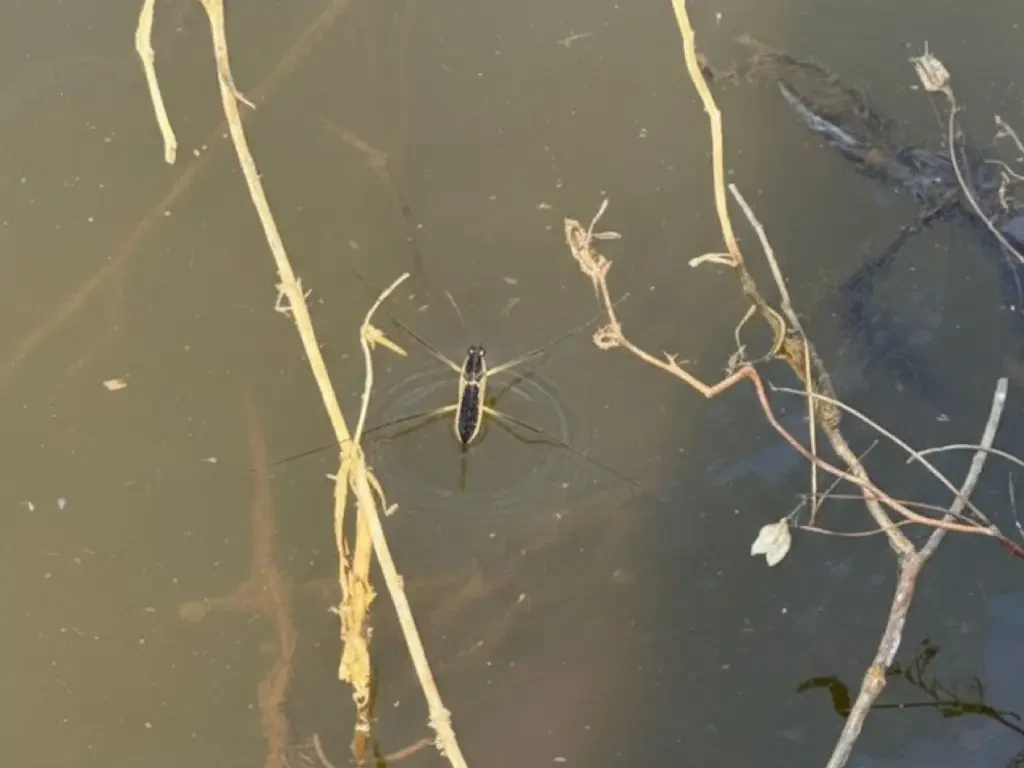
Water Striders
Biodiversity Mitigation Hierarchy: Avoid, Minimize, and Offset
The results of the biodiversity survey in the Lam Sam Kaeo forest area, Pathum Thani Province, were incorporated into an assessment of the extinction risk level of each species found in the area. The company is committed to protecting species diversity by focusing on maintaining ecological balance through the preservation of specific habitats, such as water sources and wetlands, to provide shelter for amphibians and pollinators, as well as monitoring for invasive species that may disrupt the original ecosystem of the area.
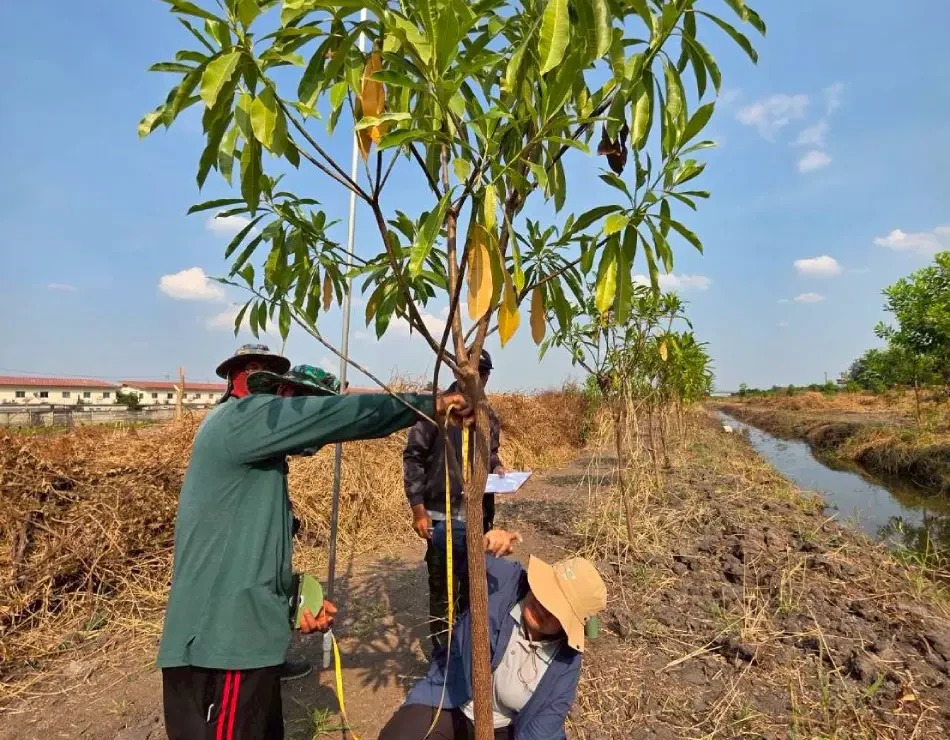
Furthermore, the project area has been surveyed and found to contain local animals with a Near Threatened (NT) conservation status, Mekong snail-eating turtle. These animals typically live and forage in stagnant, shallow water sources such as rice fields, ponds, or swamps covered with vegetation, and they are quite sensitive to water quality and changes in their primary food source. To avoid operations that would impact the habitat and food sources of this species, the company relocated Mekong snail-eating turtle to a nearby water source with similar physical characteristics and implemented restoration measures to enhance the area's fertility. This included planting nine tree species in the area to create shelter and food sources that encompass the surveyed animal groups, and digging ditches to maintain the trees and create an ecological link.
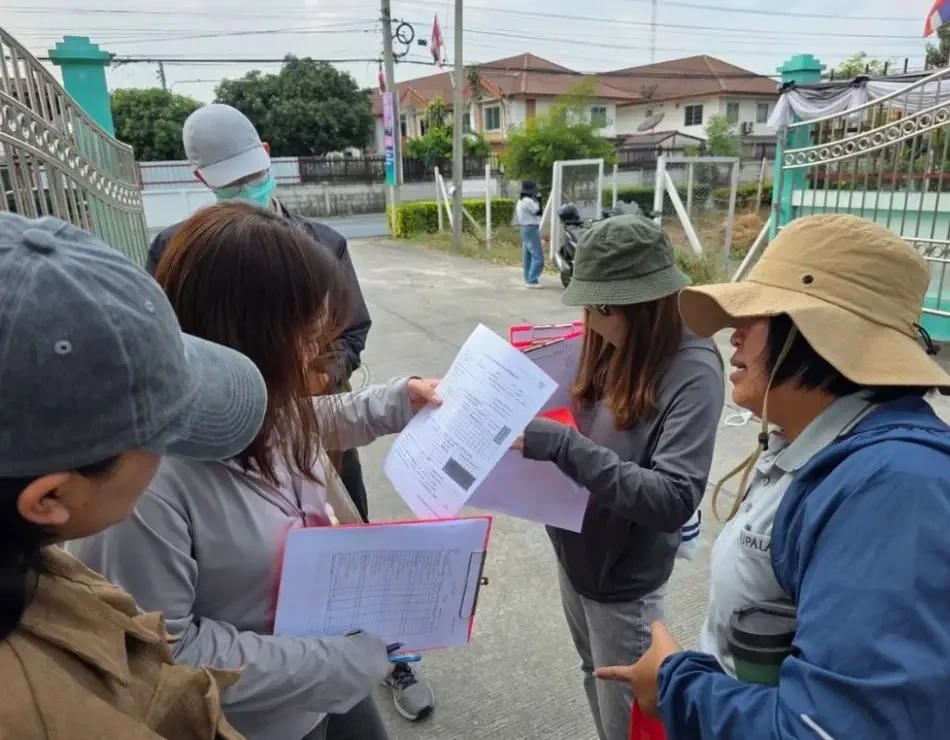
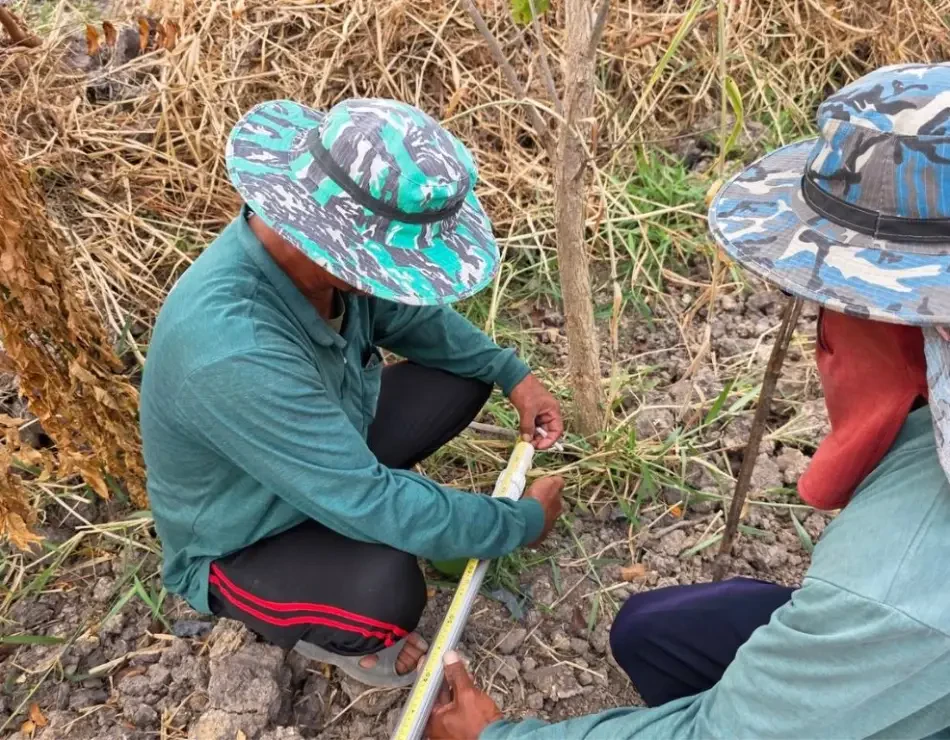
The company monitors the adaptability and growth potential of the planted tree species in the project area by assessing their health and risks using the tree health assessment form from the Forest Research and Development Bureau, Department of Forestry.
The assessment revealed that all tree species are in excellent and stable condition, safe for both area users and surrounding organisms, and healthy enough to serve as habitats and food sources for the local ecosystem.Due to the low risk of species loss, native plant species found in the area are conserved for use in environmental restoration. For example, Sensitive Plant helps fix nitrogen and improve soil quality, and Water Dead-and-awake helps treat water quality and provides a food source for animals in the area.
| No. | Plant species | Health score (0-100) | Risk level |
|---|---|---|---|
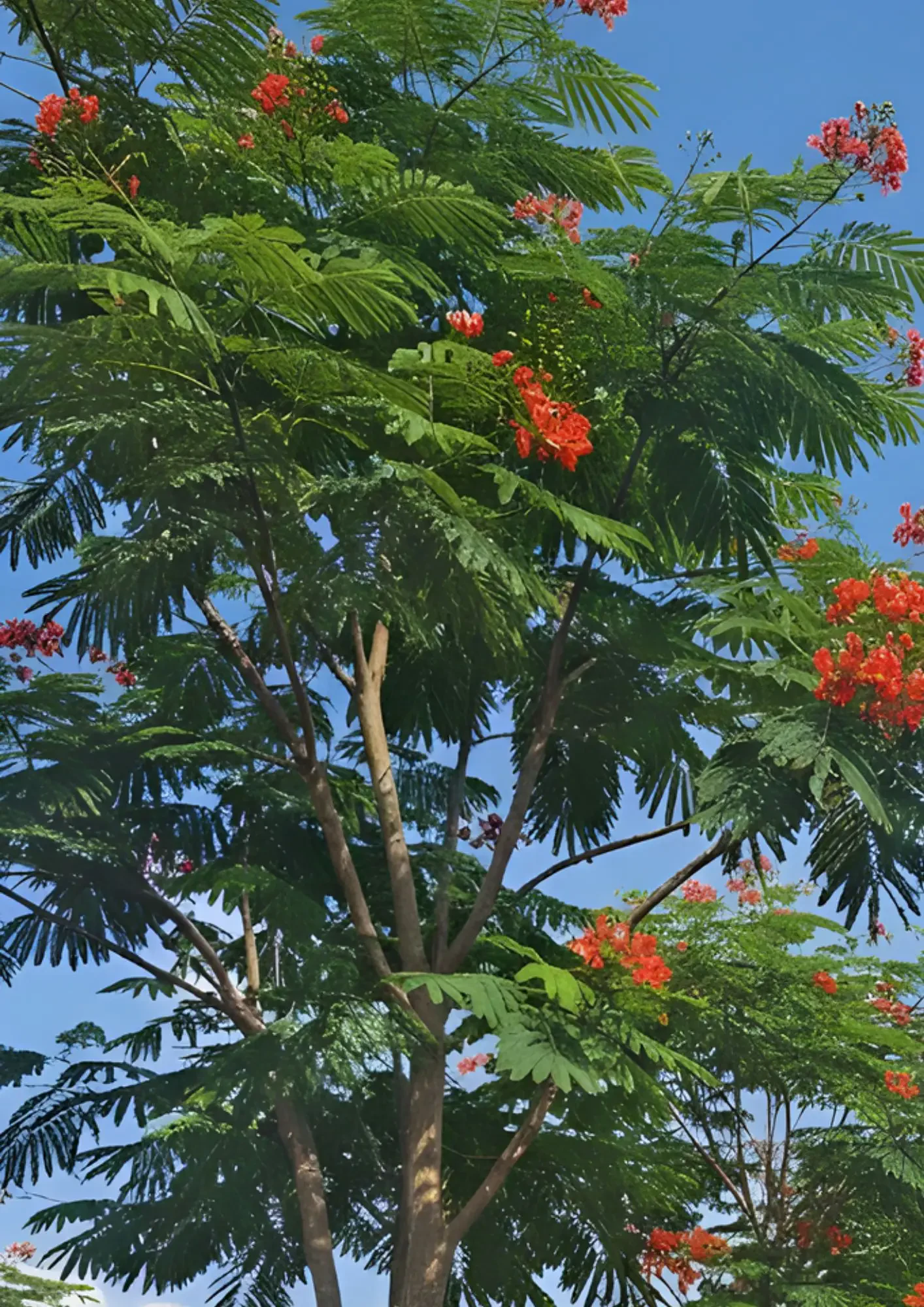
| 1 | Royal Poinciana | 18 | Low |
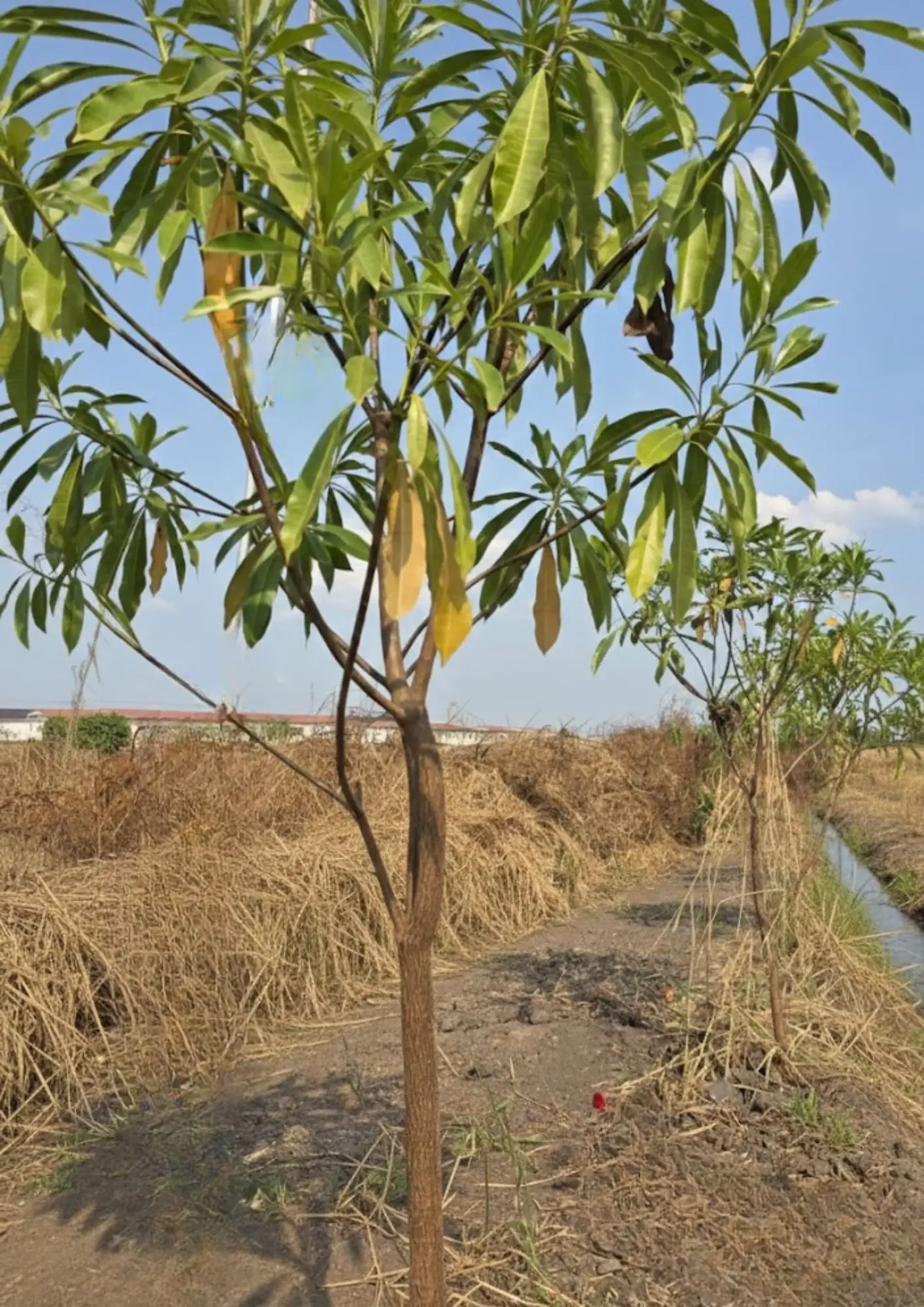
| 2 | Suicide Tree | 13 | Low |
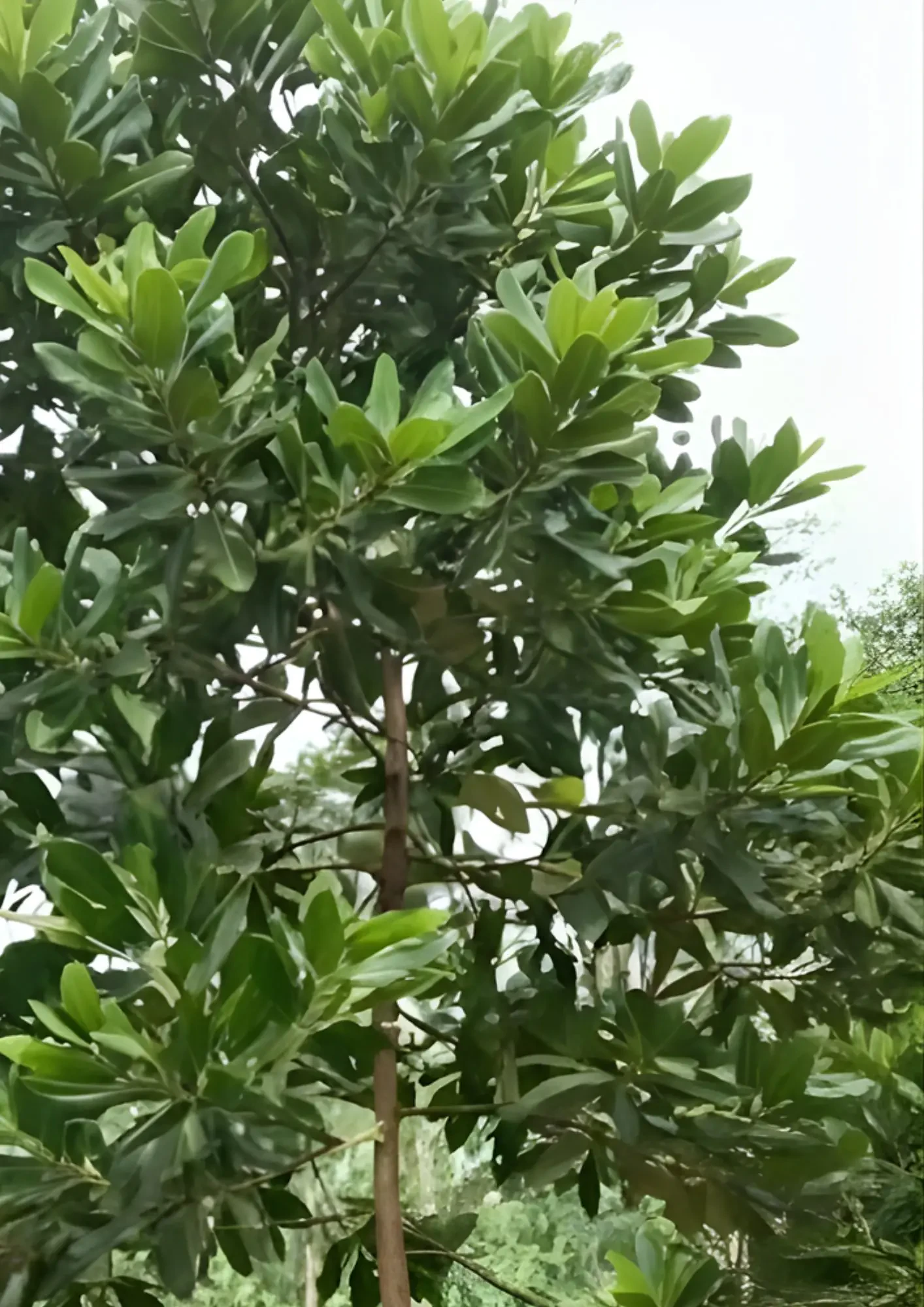
| 3 | Mangium Tree | 25 | Low |
| 4 | Trumpet Tree | 13 | Low |
| 5 | Burma Padauk | 12 | Low |
| 6 | Siamese Neem Tree | 22 | Low |
| 7 | Mahogany | 14 | Low |
| 8 | East Indian walnut | 19 | Low |
| 9 | Queen's Crape Myrtle | 14 | Low |
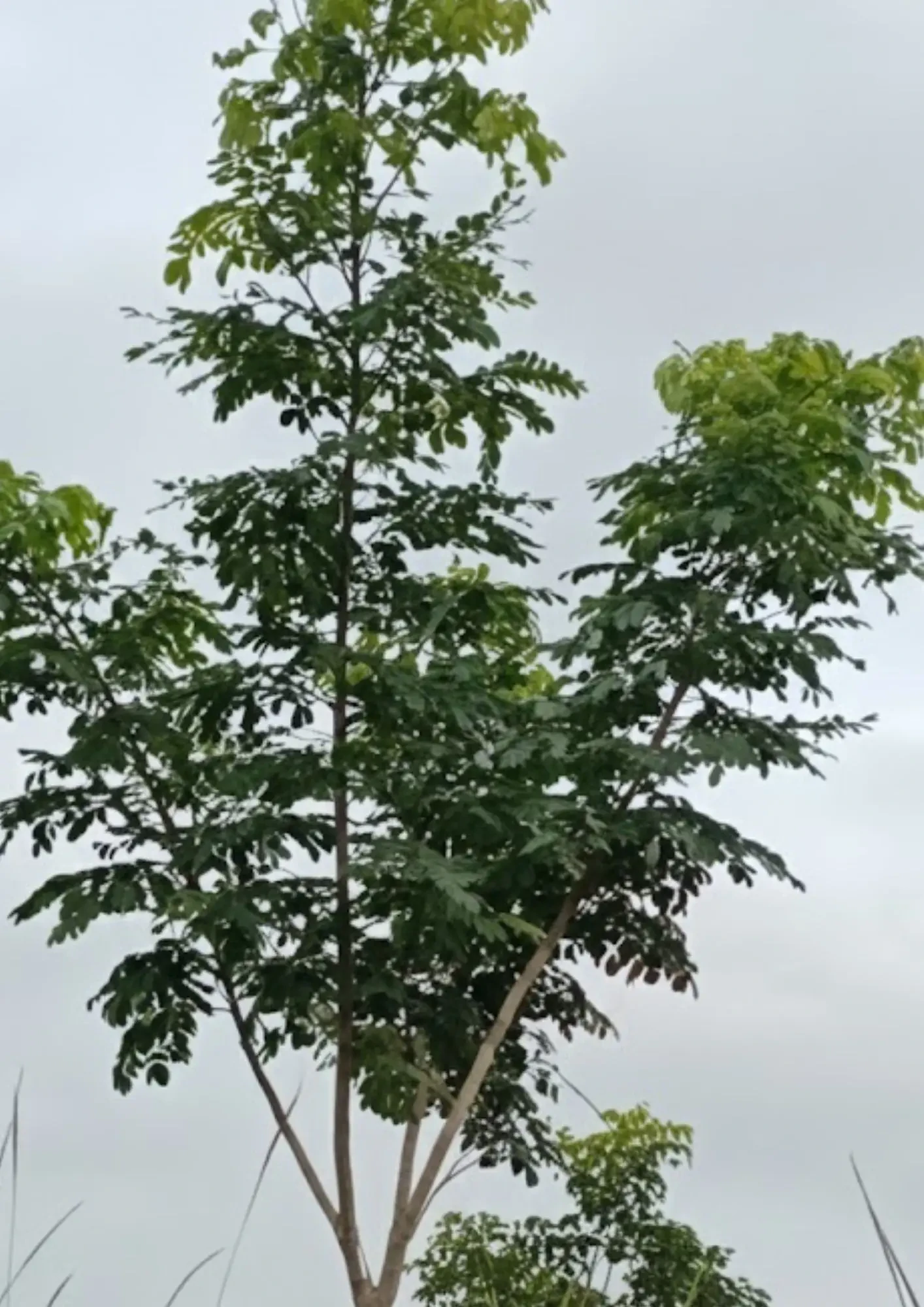
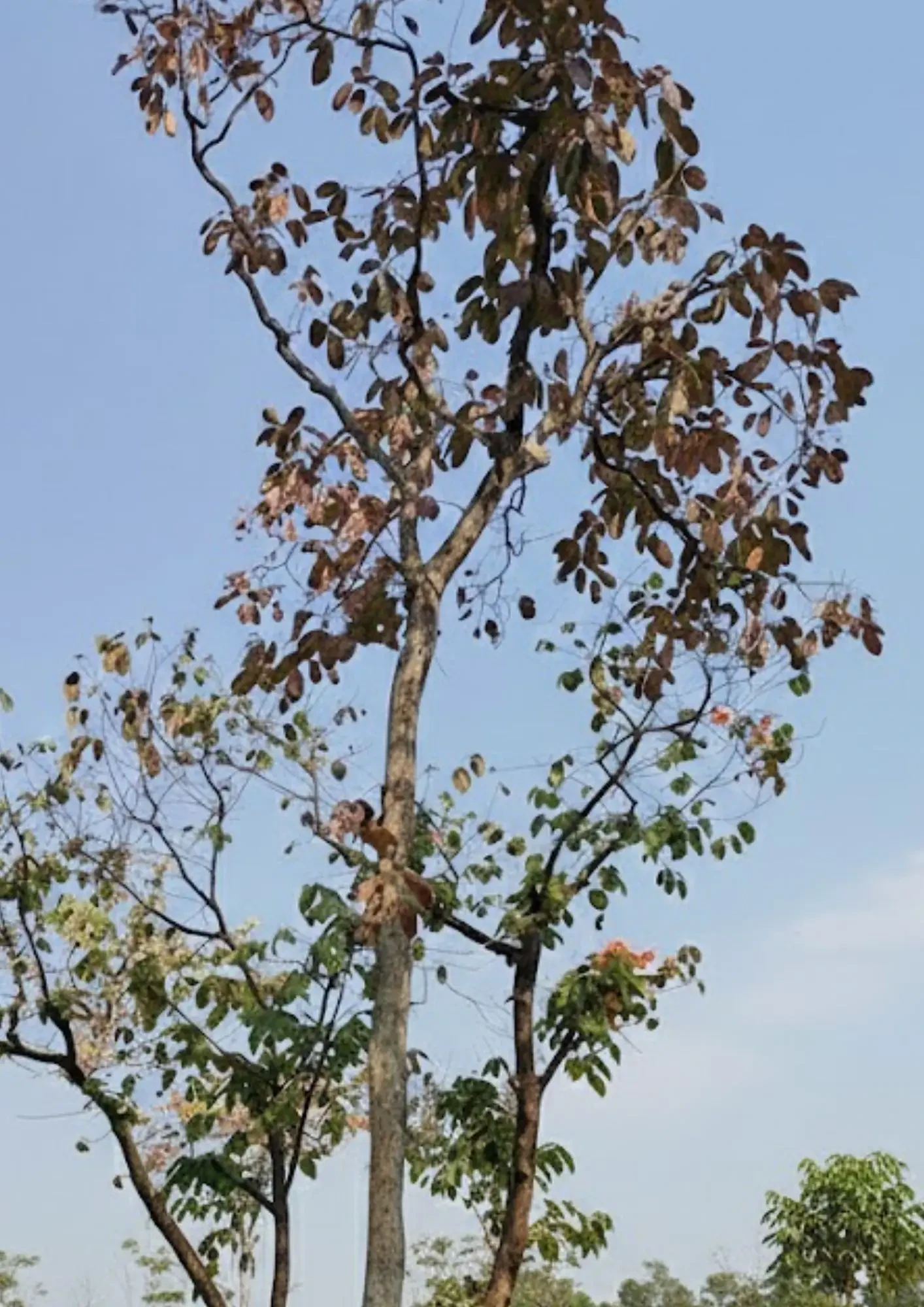
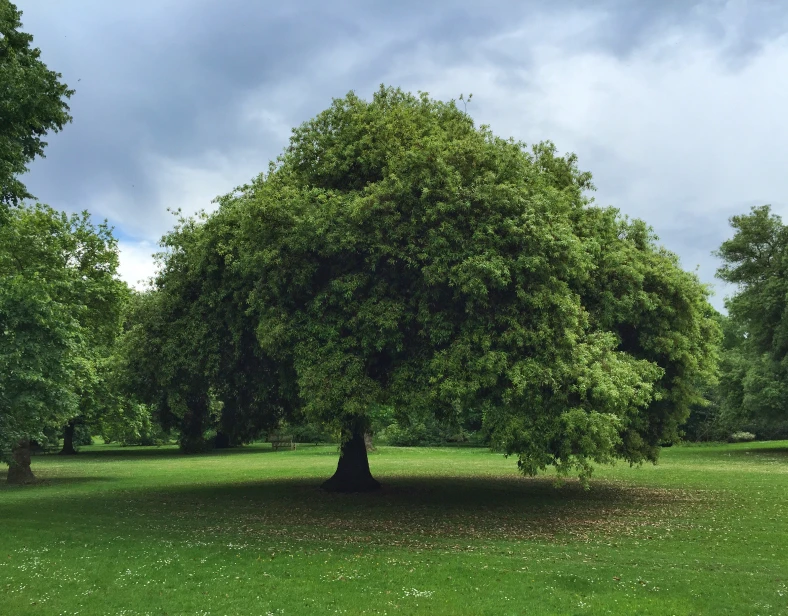
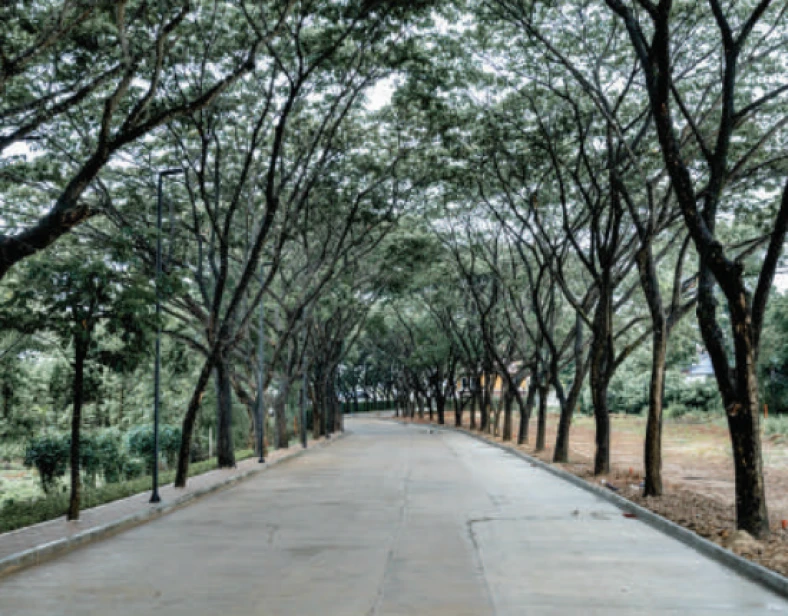
In terms of mitigating impacts through the risk assessment process, the company uses the results of individual tree health assessments as a database for grouping care according to risk levels, especially for tall and large tree species such as: Royal Poinciana and Mangium The structural integrity of the facility will be regularly inspected to prevent the risk of species loss, and management practices will be upgraded to align with international standards, ensuring its sustainable function as both a carbon sink and a biodiversity conservation area.
Royal Poinciana
Suicide Tree
Mangium Tree
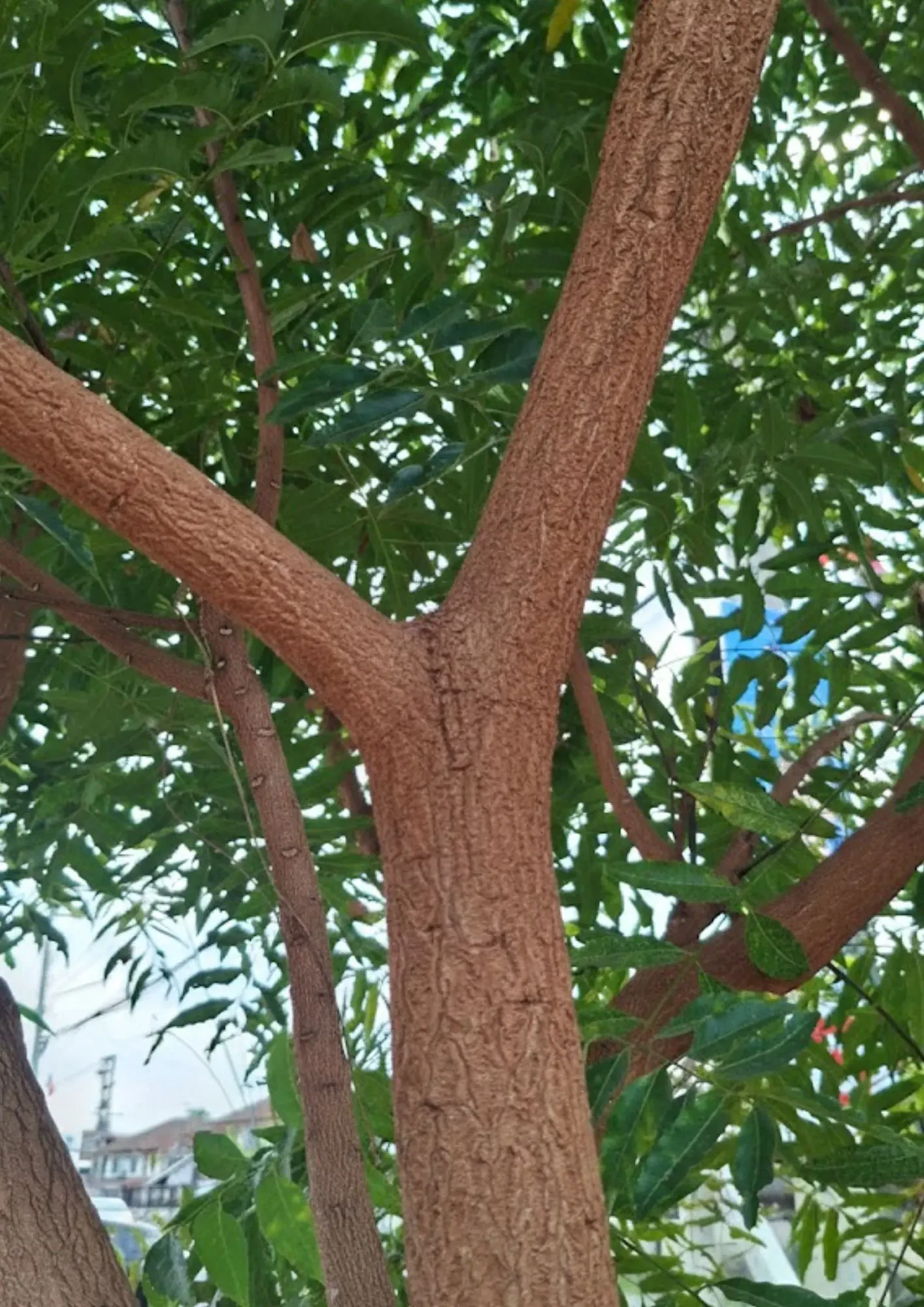
Trumpet Tree
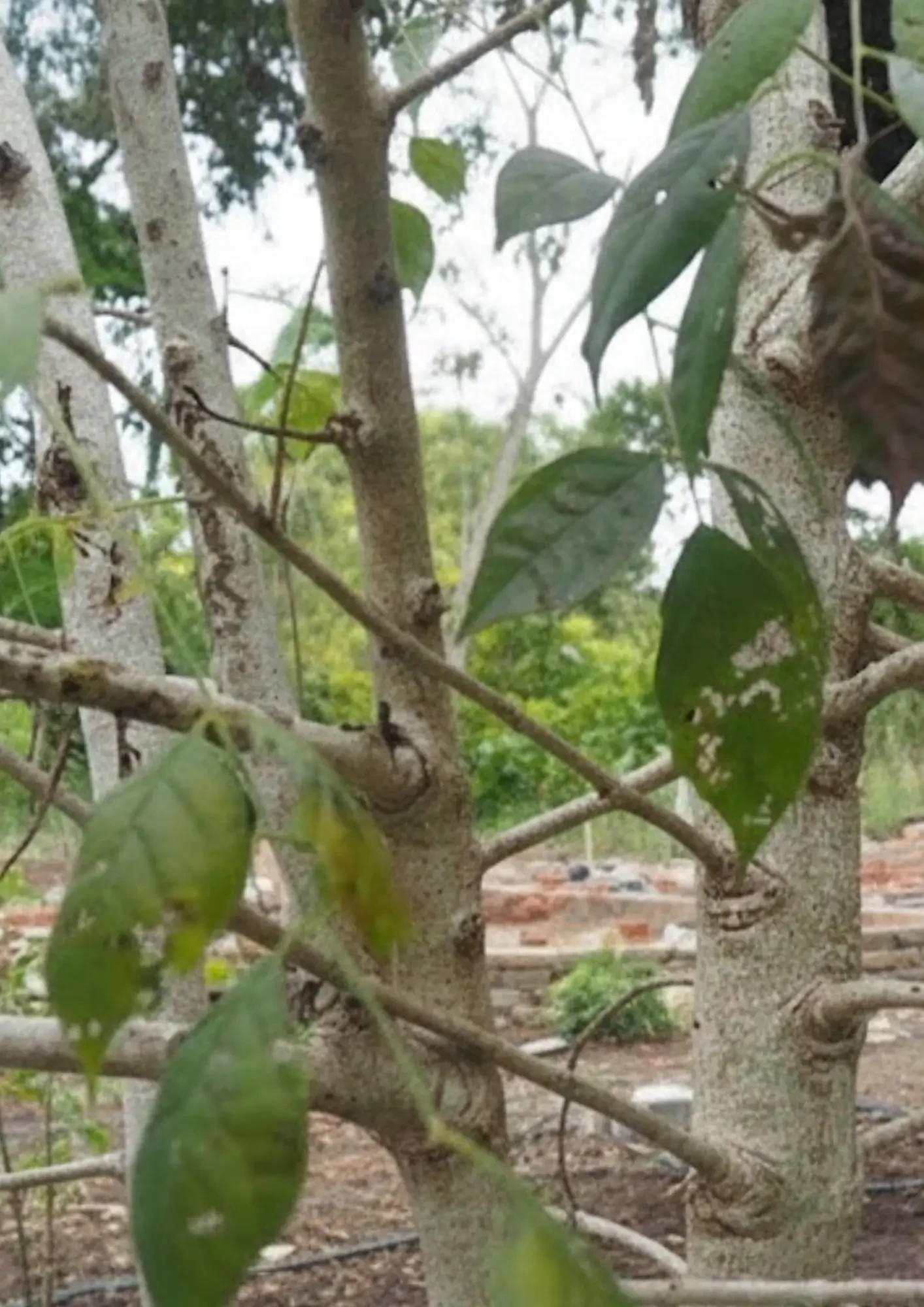
Burma Padauk
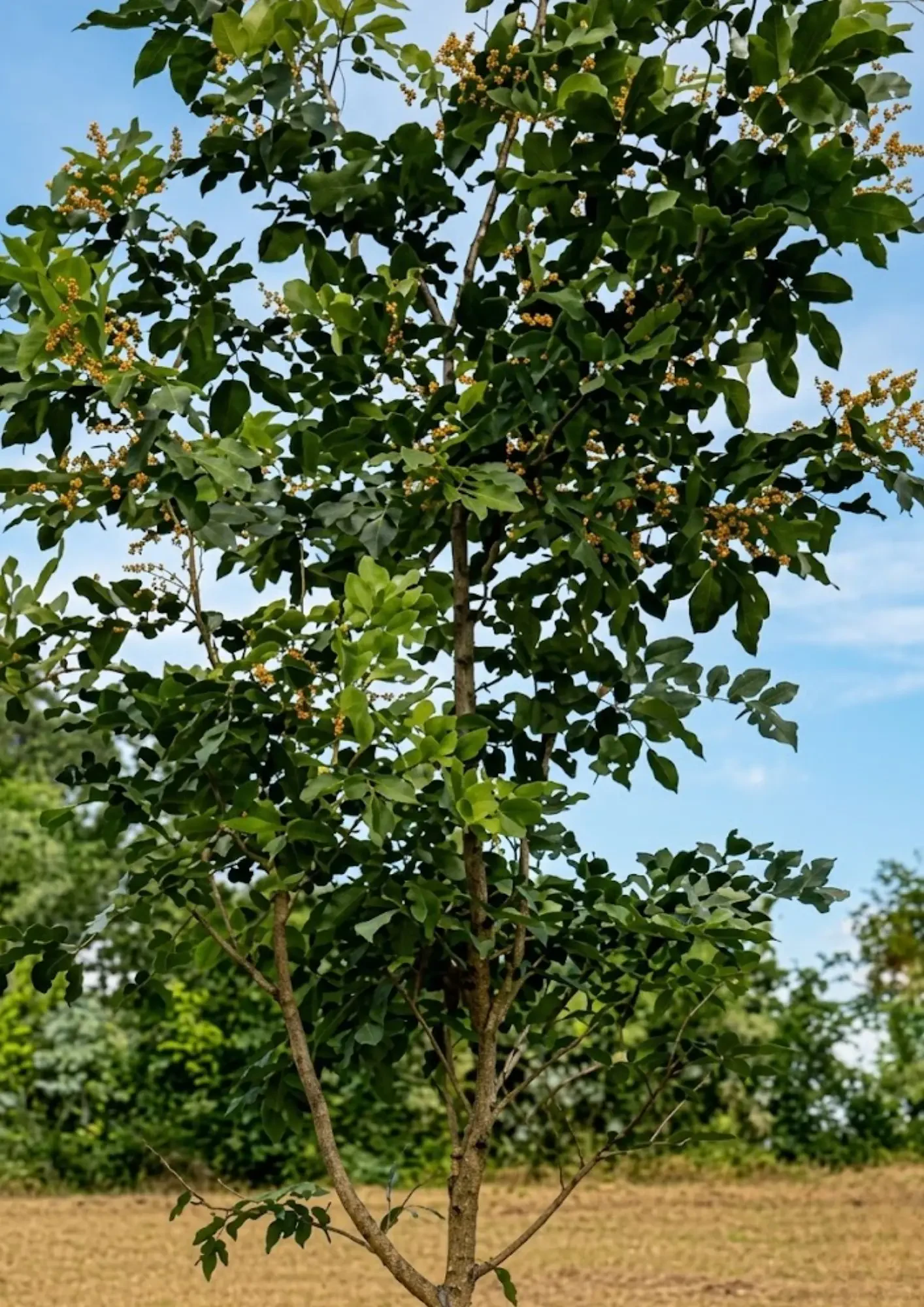
Siamese Neem Tree
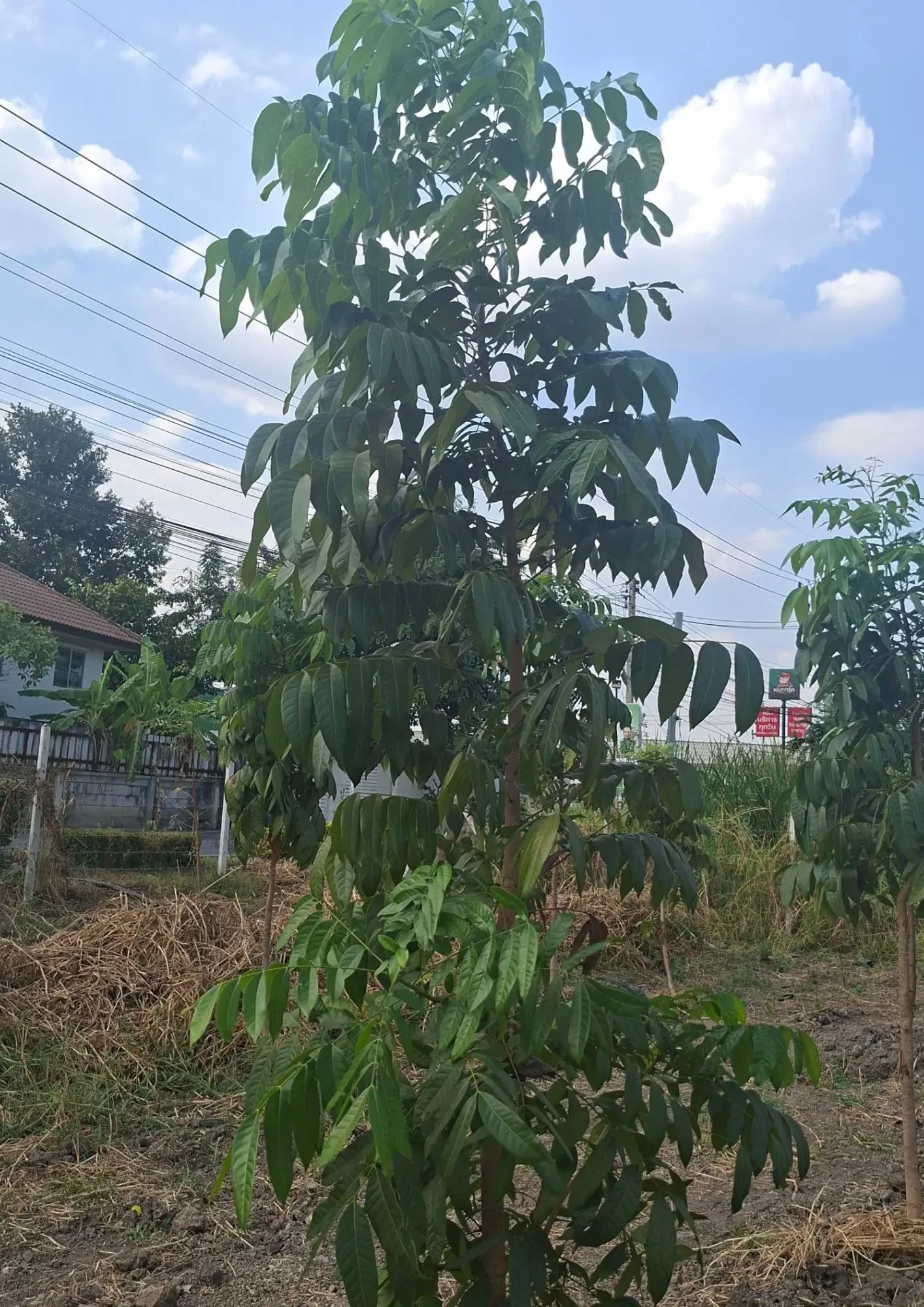
Mahogany
East Indian Walnut
Queen's Crape Myrtle
Green Space Management
The Company manages green spaces across the entire project lifecycle, beginning from the initial stages of site survey, master planning, and residential design that strictly avoids encroachment on forest or wetland areas. Our approaches integrates green spaces, public parks, and 'Green Corridors' to ensure ecological connectivity, while employing construction methods that minimize environmental impact through to final delivery and ongoing maintenance. We recognize that green space management in real estate development transcends mere aesthetics or resident demands; it represents the creation of 'Green Infrastructure' a fundamental element that plays a critical role in environmental sustainability and the long-term quality of life.
Preservation of Existing Trees
Prior to project development, the Company’s specialized Landscape department conducts a comprehensive survey of every tree through Tree Mapping. This process meticulously records coordinates, dimensions, species, age, and health status, alongside an assessment of each tree's ecological and social value to the overall ecosystem. This data serves as the foundation for master planning to avoid felling significant trees, establishing Tree Protection Zones (TPZ), and designing drainage and root protection systems that accommodate natural growth.
Following construction and preservation efforts, the Company consistently monitors success through Key Performance Indicators (KPIs), including the retention rate of existing trees, the number of compensatory plantings, and the survival rate of transplanted trees. In 2025, the Company achieved a milestone by preserving and planting perennial trees covering an average of 35% of the total project area.
The Selection of Native Plant Species
At the Suphawatthanalai Project in Saraburi Province, the strategic selection of native plant species combined with the preservation of existing perennial trees serves as the cornerstone of a self-sustaining ecosystem. These plants have co-evolved with local fauna and insects, acting as primary food sources and habitats that effectively maintain the food chain balance and enhance biodiversity. From a management perspective, native flora exhibits high resilience to local climates, pests, and diseases. This inherent strength leads to significant resource optimization reducing water consumption, minimizing chemical dependency, and lowering long-term maintenance costs. Consequently, these green spaces transcend mere ornamental landscaping; they function as sustainable 'Natural Infrastructure' that ensures a safe and resilient environment for both residents and the surrounding ecology.
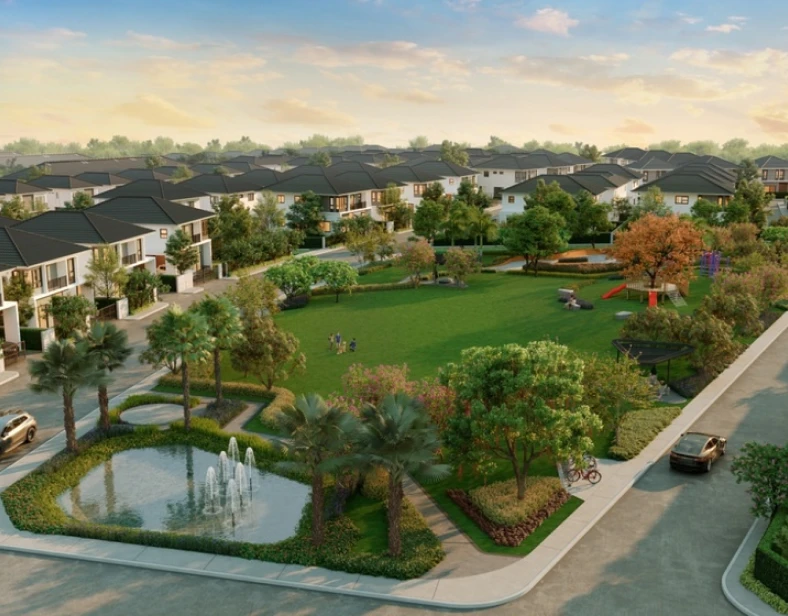
Creating a Horizontal Ecosystem in Areas with Limitations
The Palm Ville Bang Khaem (Nakhon Pathom) and Lake Ville Srisaman (Pathum Thani) projects exemplify innovative land management by transforming space-constrained areas into high-functioning ecological corridors. The development of pocket gardens beneath high-voltage power line easements effectively expands green coverage while strictly adhering to safety standards. Furthermore, the integration of ground cover plants around water bodies serves as a 'Natural Riparian Buffer', which stabilizes soil banks, filters pollutants before they reach the water, and provides a vital sanctuary for amphibians. When integrated with perimeter cycling tracks, these elements establish a strategic 'buffer zone' that balances human activity with ecological preservation, minimizing habitat disturbance. This holistic management approaches harmonizes urban infrastructure with biodiversity, fostering a self-sustaining and resilient ecosystem that encourages residents to appreciate the intrinsic value of nature through daily interaction.
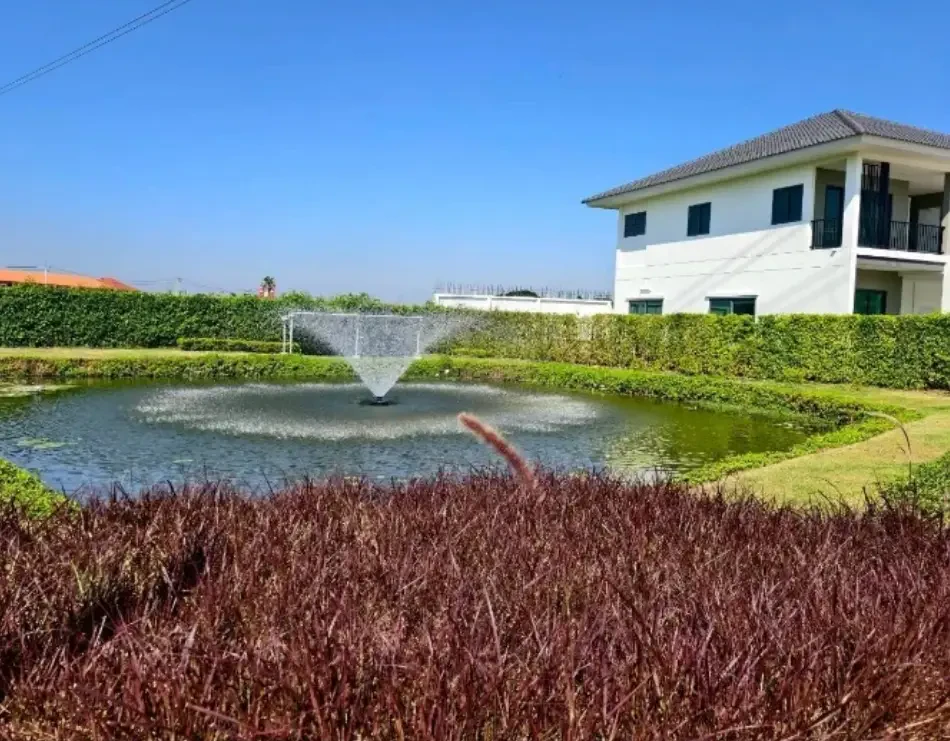
Creating a Transitional Area between Land and Water
The Lake Ville Chanthaburi project demonstrates sustainable resource management by repurposing on-site soil from existing excavation for project elevation and landscaping. The development of lush greenery around these water bodies fosters a thriving habitat for diverse species. This strategic planting creates a 'Microclimate' that effectively reduces ambient heat and increases humidity, supporting a healthy biological cycle. Furthermore, the roots of aquatic and riparian plants act as a Natural Filtration System, absorbing residues and maintaining water quality balance. By designating these pond areas as non-allocated zones, the Company ensures the long-term protection of the ecosystem from future disturbance. This approaches transforms the water bodies into vital retention basins and biological sanctuaries serving as a 'pocket forest' that enriches the residential environment with sustainable natural infrastructure.
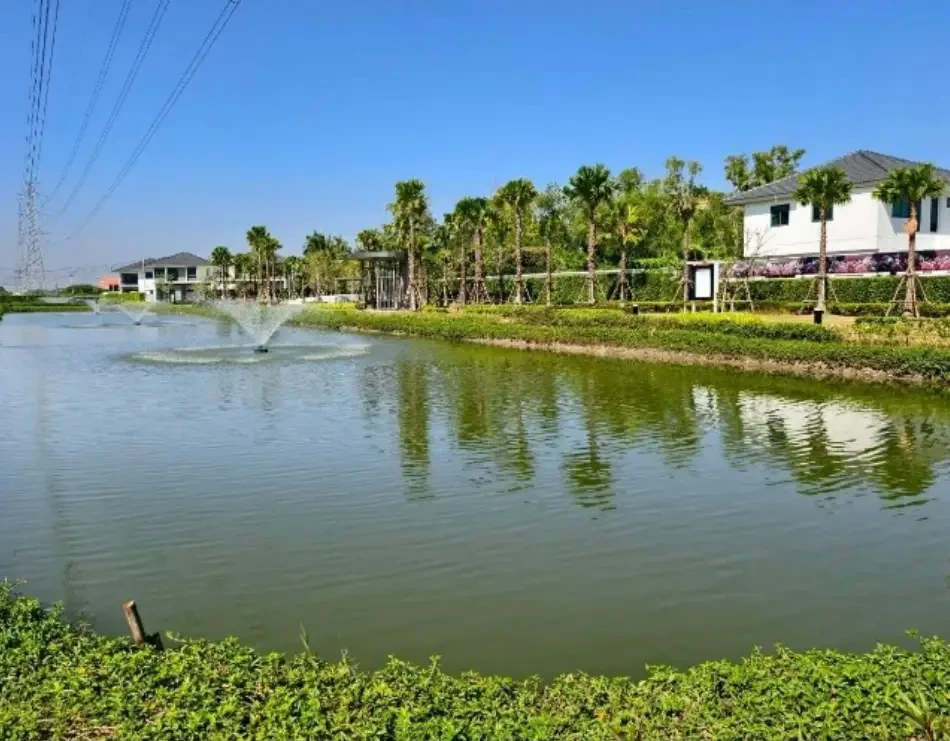
Selecting Plant Species to Prevent Soil Erosion
The selection of native plant species with deep-root systems and flood-resilient properties serves as a natural reinforcement for the soil structure. These extensive root networks penetrate and bind soil particles, creating both vertical and horizontal mechanical stabilization that prevents soil subsidence and erosion. Furthermore, during the rainy season, these roots act as biological traps for suspended sediments. This process facilitates sedimentation and the gradual accumulation of new nutrient-rich soil layers, ultimately enhancing soil fertility and restoring the ecological equilibrium of riparian areas.
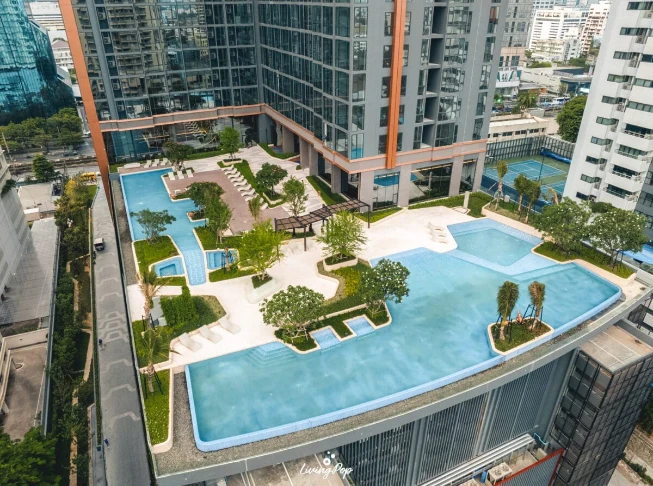
Rooftop Space Management
At Supalai ICON Sathorn, the rooftop has been transformed into an expansive elevated green space through the strategic integration of perennial trees. These species are meticulously selected based on their high wind resistance, structural integrity, and broad foliage, effectively offsetting the spatial limitations of an urban setting. This rooftop ecosystem serves as a vital sanctuary for small fauna, such as birds and insects, facilitating 'Vertical Ecological Connectivity' across the cityscape. Beyond biodiversity, this elevated greenery acts as a thermal buffer, significantly reducing the building’s heat gain while providing natural stormwater retention to mitigate runoff into the urban drainage system. By converting concrete surfaces into a living landscape, the Company is not merely enhancing aesthetic appeal, but creating a resilient natural network that restores urban biodiversity and effectively alleviates environmental challenges in high-density areas.