Air Quality Management


Supporting the Sustainable Development Goals (SDGs)



Goals and Performance Highlights




Strategies and Management Approaches

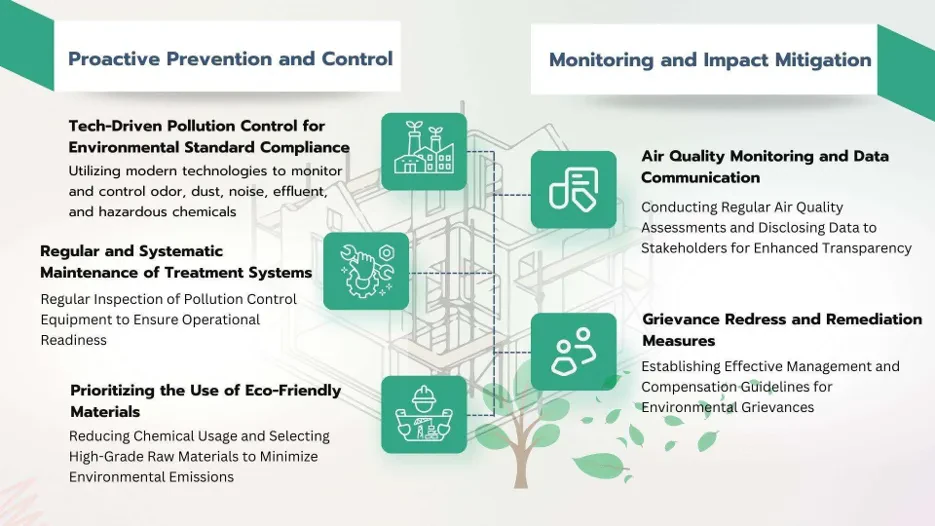
With a commitment to sustainable development, the Company has established comprehensive guidelines and practices for both air quality management in construction projects and air quality management within its head office. This focuses on proactive pollution control, continuous monitoring and evaluation, communication with communities, and fostering an environmentally conscious organizational culture, to ensure business growth alongside genuine environmental preservation and a good quality of life for society. Therefore, to ensure the Company's air quality management is efficient and effective, preventing problems and impacts on communities and stakeholders, the Company strictly adheres to its environmental management policy. It emphasizes comprehensive control and management across all processes, from design and construction in accordance with EIA principles, to promoting the use of low-emission construction materials, air treatment with technology, and air quality monitoring for evaluation and transparent data disclosure. This operation involves the Product Creation and Development Department, the Construction Department (for Low Rise Projects and High Rise Projects), the Building Management Department in collaboration with the Sustainability Working Group, and the Risk Management Team, to comprehensively oversee the management of pollution and potential future impacts.
The Company is committed to continuously developing its pollution and air quality management processes, emphasizing proactive integration of regular air quality monitoring to enhance efficiency. It also promotes the participation of employees and stakeholders in pollution and air quality management processes to foster strong and sustainable cooperation in environmental protection.
Stakeholders Directly Impacted

Customers
Positive Impacts
- Receive good air quality within buildings and residential areas, ,better health and quality of life, and gain confidence in the project standards.
Expected Impacts / Risks
- If management measures are insufficient, they may face dust and indoor pollution problems, affecting their health and satisfaction.

Employees
Positive Impacts
- Work in an environment with good air quality, reducing the risk of pollution-related illnesses and boosting work morale.
Expected Impacts / Risks
- They may be affected by working near dust sources if management is inadequate, such as construction sites or offices where the ventilation system is not sufficiently effective.

Suppliers / Retailers
Positive Impacts
- Receive clear environmental standards and practices, increasing opportunities to collaborate with responsible organizations.
Expected Impacts / Risks
- The costs and burden of complying with dust and pollution control measures may increase if there is no technical support from the Company.

Shareholders / Investors
Positive Impacts
- Gain confidence that the Company manages environmental risks appropriately, enhancing the organization’s image and credibility.
Expected Impacts / Risks
- If management is inadequate, it may lead to complaints, government inspections, or reputational damage, which could affect investment returns.

Community / Society
Positive Impacts
- Receive cleaner air, reducing the impact of dust and air pollution generated from construction projects or operations.
Expected Impacts / Risks
- If dust and pollution control is insufficient, complaints, dissatisfaction and conflict with the Company may arise.

Government Agencies
Positive Impacts
- Receive cooperation in complying with environmental laws and regulations, with the Company serving as a positive example in the business sector.
Expected Impacts / Risks
- If there is non-compliance, legal action, fines, or stricter inspections may occur.


Performance Results
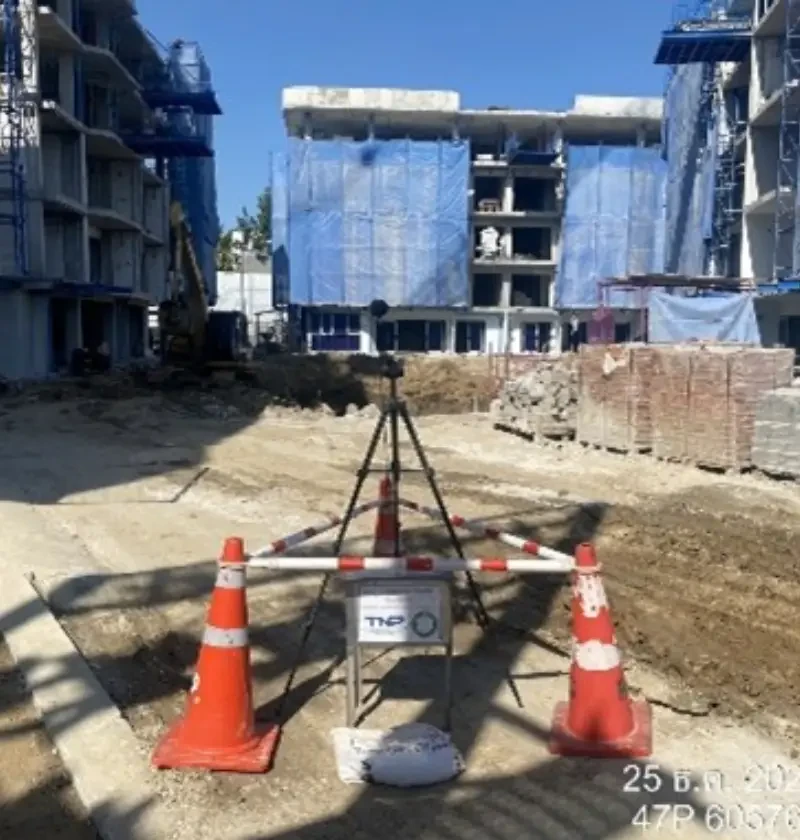
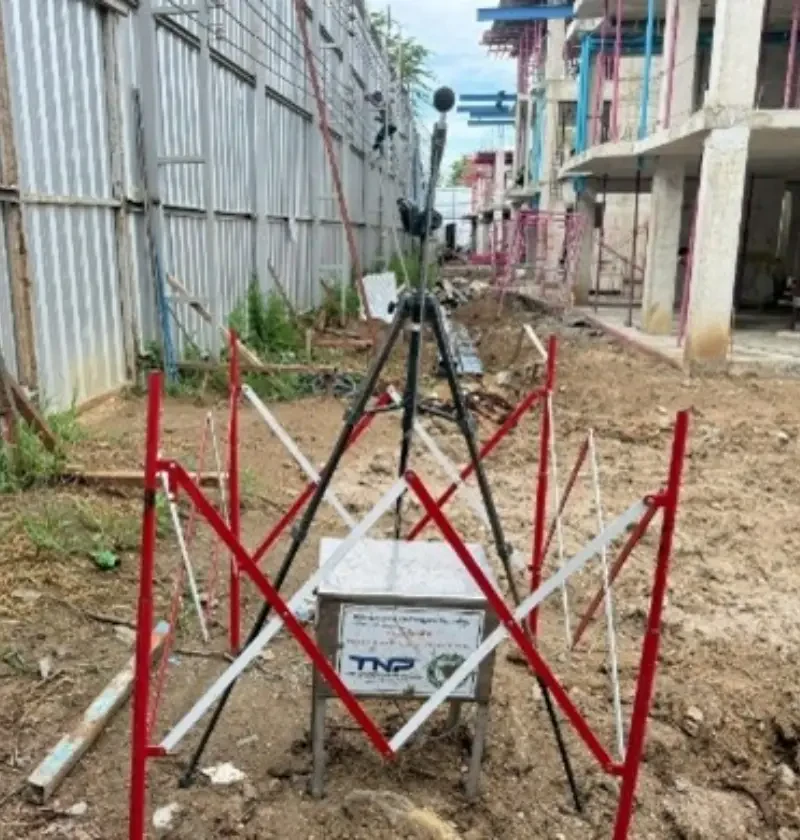
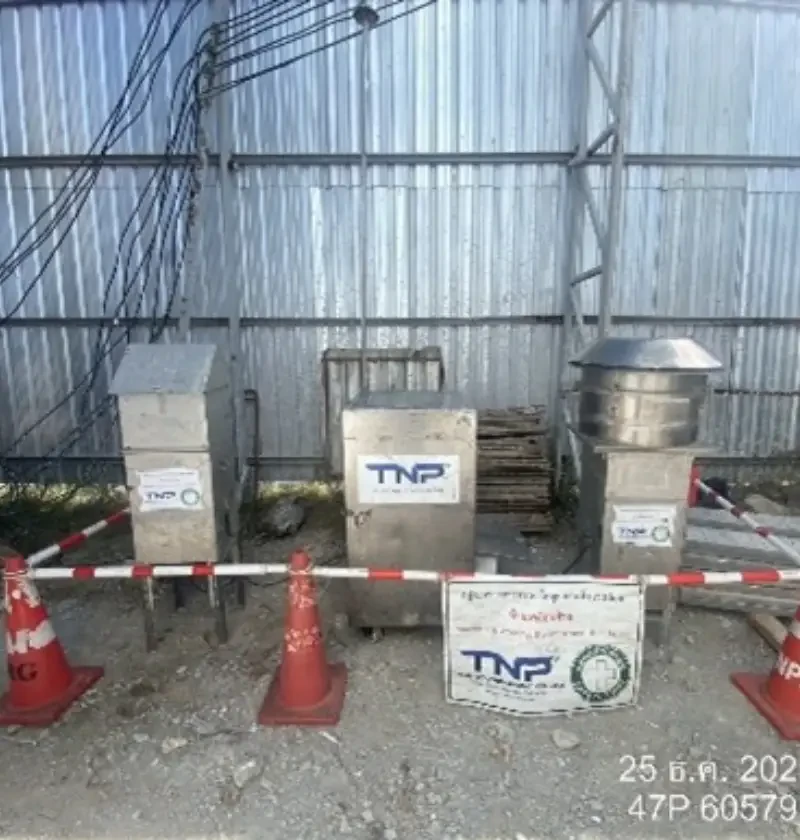
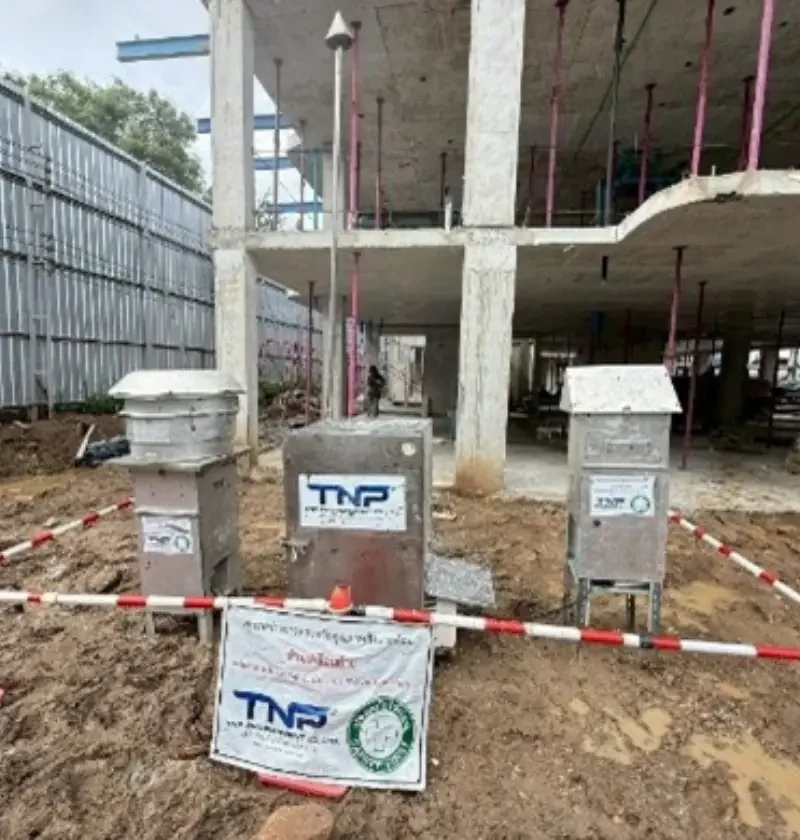

Air Quality Risk Assessment
The Company has comprehensively assessed air quality risks, considering various factors that may directly and indirectly impact its business operations, such as odors, dust, chemicals, and various contaminants that may arise from production processes, transportation, or raw material storage. Based on this assessment.
The company has set targets to reduce or avoid pollution emissions, with a timeframe set for the construction phase and after partial completion of construction, including measures to prevent and mitigate impacts, the Company has established the following preventive and corrective measures:
Risk factors
1. Dust/Pollution From construction processes
Preventive and corrective measures for impacts
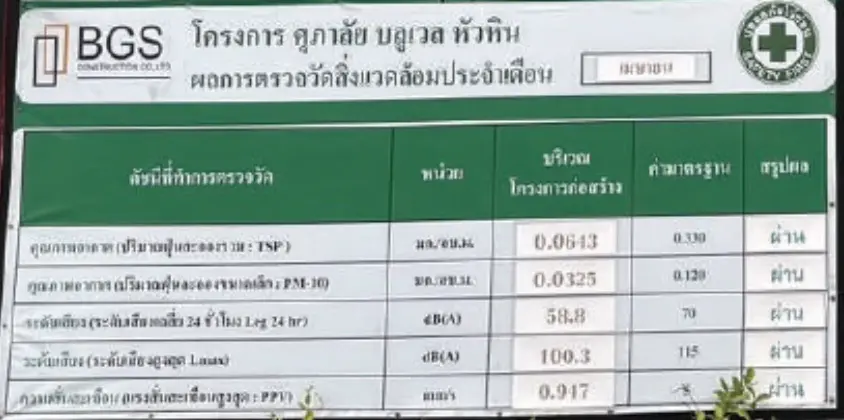
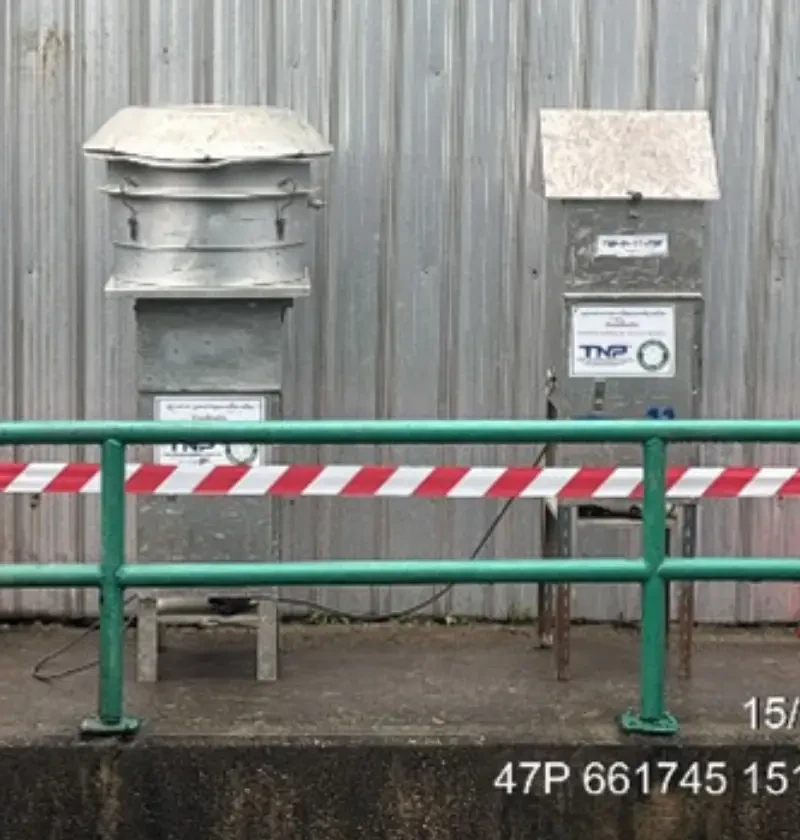
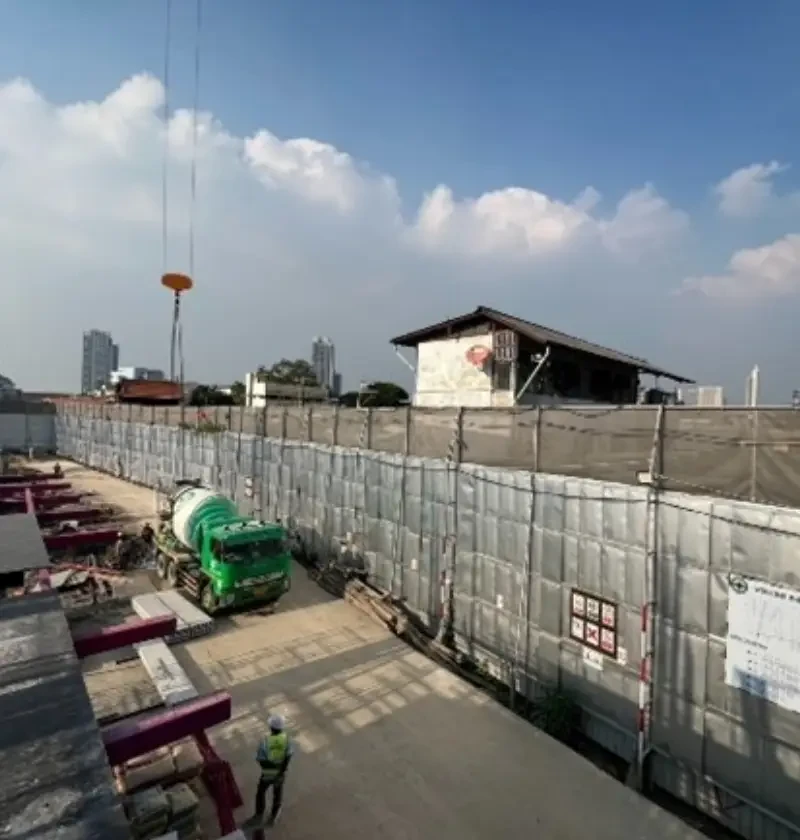
- Install Metal Sheet fences around the project and water mist curtains on the uppermost internal fence structure. Water misting is performed continuously during work activities and continues until landscaping is completed.
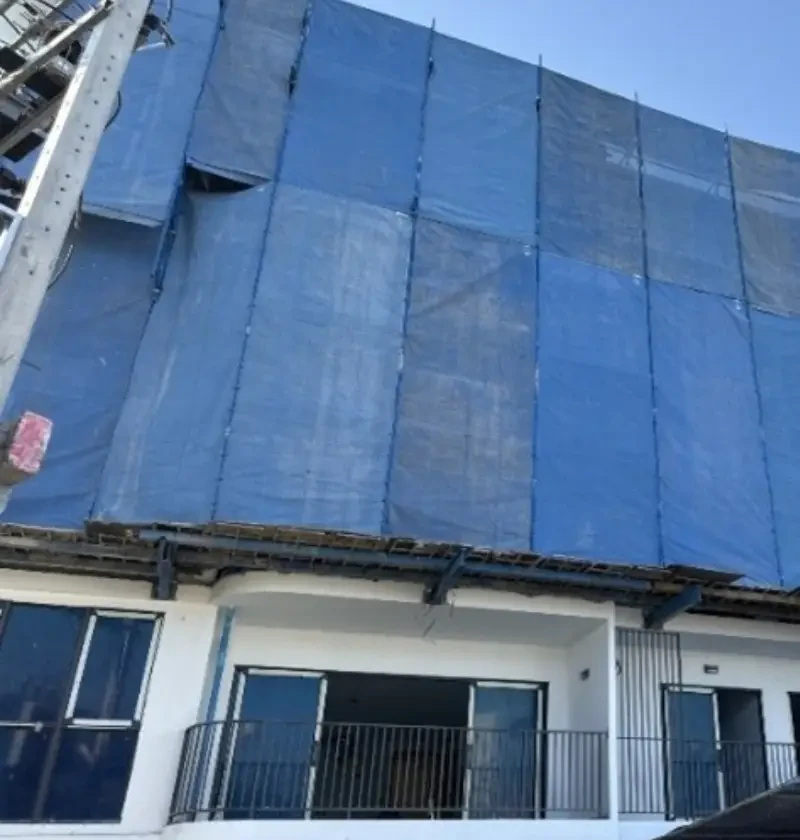
- Fire-retardant mesh sheets are used to cover the building to its current construction height, and their stability, strength, and integrity are regularly inspected to prevent and reduce dust dispersion and falling debris.
- Utilize pre-fabricated or semi-finished materials to minimize on-site concrete casting.
- Trucks transporting materials or debris must be securely covered with tarpaulins. Transportation times are scheduled outside of peak hours, and vehicle wheels are cleaned with a water jet before leaving the project site.
- Install PM2.5 meters with real-time digital display boards at the construction site entrance, and measure TSP, PM10, SO values. 2, CO and NO2 At specified points and times.
2. Chemicals/Volatile substances/Paint odors from construction processes
- Cement bags or chemical containers must be tightly sealed, stored properly, and removed immediately when full or on a weekly basis.
3. Odors from wastewater treatment.
- Measures are in place to monitor and mitigate impacts from odors or aerosols (from wastewater treatment systems and waste rooms), along with maintaining treatment areas by planting ground cover, tilling the soil for good aeration, and adding nutrients to the soil to enhance natural odor treatment efficiency.
4. Noise and vibration from construction processes
- Provide soundproof and dustproof rooms for cutting and grinding floor tiles and various materials, along with sound and dust protection equipment for workers.
- Sensor-based noise level monitoring devices are installed for surveillance, with sensors positioned near noise measurement points within the project area, starting from demolition activities. Noise levels are displayed on a real-time screen at the front of the project.
- Sensor accuracy is verified by comparing with the results of environmental quality monitoring equipment installed by analytical laboratories, to initially check the sensor's accuracy and precision, and to arrange for validation of sensor calibration results for accuracy and precision.
- Manage the use of machinery and trucks by scheduling their operation at non-concurrent times to reduce the simultaneous use of machinery, thereby mitigating vibrations from machinery that could affect neighboring residents.
Risk factors
5. Air pollution from operational phase activities
Preventive and corrective measures for impacts
- Planting perennial trees at various levels in the common areas of the project, selecting species effective in absorbing carbon dioxide and reducing light reflection, along with regular annual pruning and maintenance of the trees.
- Design and maintain adequate and legally compliant indoor ventilation systems, ensuring the systems are always ready for use and opening certain building doors for convenient air circulation.
- Install campaign signs promoting immediate engine shutdown upon parking, in both Thai and English, in clearly visible locations, to reduce engine emissions.

Research and Development to Prevent Pollution Impacts
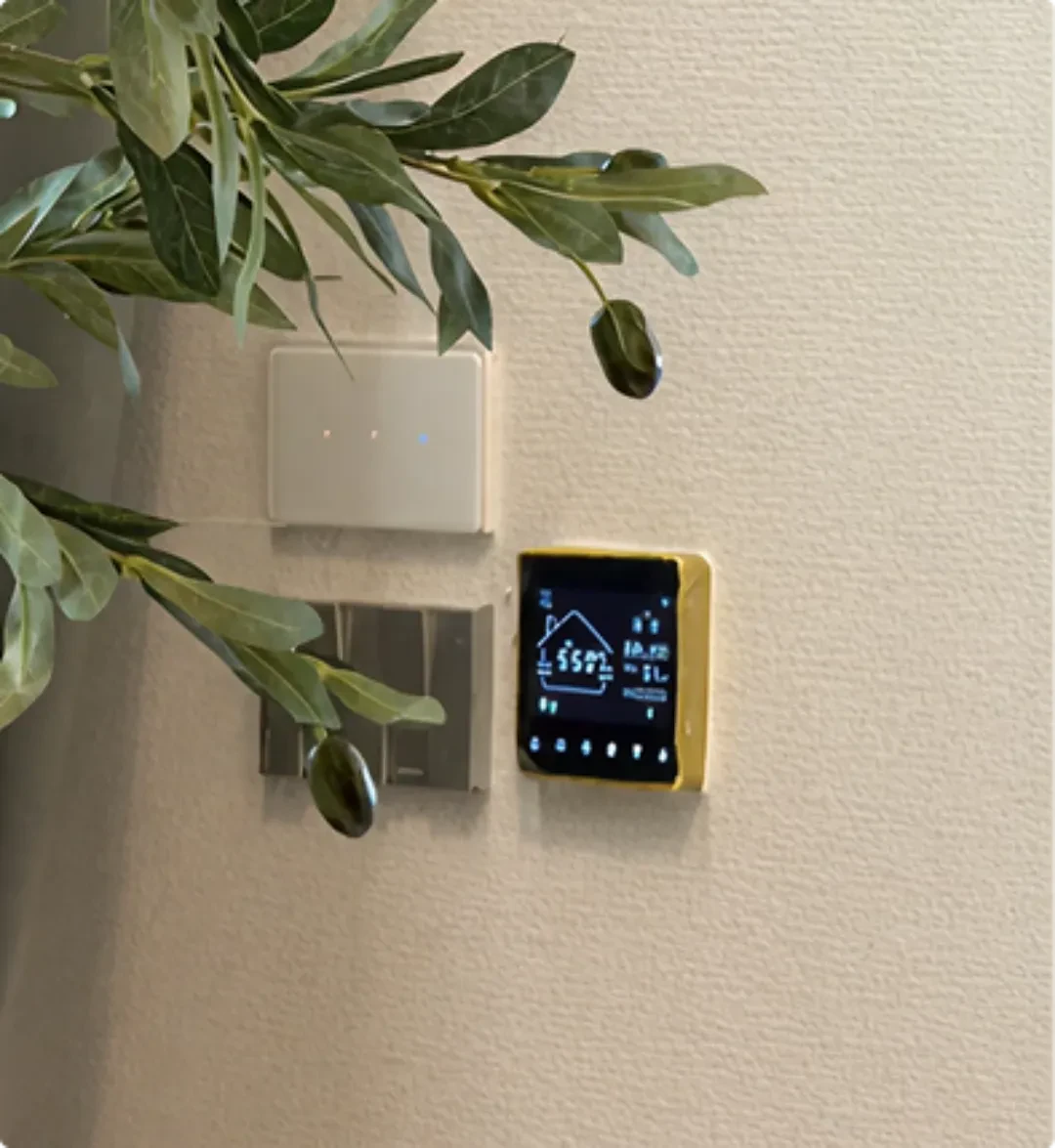
The Company focuses on construction quality by adhering to strict engineering and safety standards. It conducts environmental research and development, designs structural systems and utilities with environmental considerations, and emphasizes increasing green spaces to mitigate the urban heat island effect and reduce impacts on air quality. Furthermore, it prioritizes the well-being of residents by designing for natural light access and good ventilation. The project's construction materials are designed and developed to protect against pollution, for example, using an Air Flow system for indoor air supply to enhance air circulation within homes, thereby reducing the concentration of pathogens, dust, smoke, and carbon dioxide that could be harmful to residents' health.
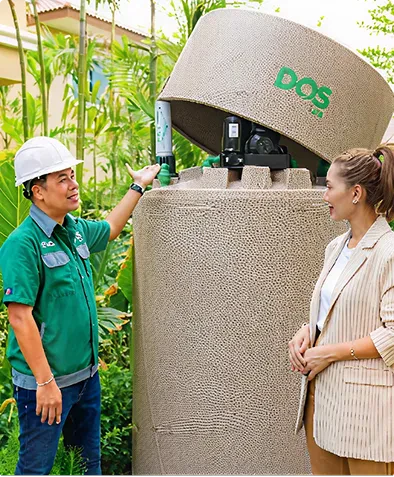

Collaborate with Partners to Reduce Water and Air Pollution
The collaboration between the Company and DOS LIFE in developing new innovations that sustainably meet the needs of modern lifestyles. One such innovation is the "WHOLE HOUSE WATER FILTER SYSTEM," which originated from the feedback of the Company's employees and was further developed with Thammasorn's engineering team into an ALL IN ONE water storage tank with an integrated water filtration system. This system saves space around the house and is convenient to use, with easily replaceable filter cartridges. This innovation has been developed into the DOS DUPONT Water Filter product, which improves water quality by up to 97.6% by effectively reducing contaminants, sediment, and impurities in the water storage tank. Importantly, it also helps reduce greenhouse gas emissions by up to 3.65 tCO2eq, calculated from changing filter cartridges twice a year in 17 pilot projects of the Company in 2025.


Reducing Impacts from Soil and Water Pollution
The Company promotes the use of organic fertilizers as an alternative to chemical fertilizers in green area maintenance activities within the common areas of Low Rise Projects, starting with projects in Bangkok and its vicinity. This involves applying integrated nutrient management principles to reduce reliance on synthetic chemical fertilizers, as well as enhancing soil mineral retention. The use of organic fertilizers enriches the soil with organic matter and improves soil fertility, thereby reducing water and soil pollution.
- Reduce water pollution by minimizing the leaching of nitrogen and phosphorus into natural water sources, thereby reducing the risk of water degradation and the deterioration of aquatic ecosystems.
- Reduce greenhouse gas emissions into the atmosphere, especially nitrous oxide, from production processes and soil application.


Air Pollution Emission Statistics
| Air Pollution Emissions* | Unit | Standard Value | 2023 | 2024 | 2025 |
|---|---|---|---|---|---|
| Total Suspended Particulate (TSP) | µg/m³ (24-hour average standard) | 330 | N/A | N/A | 141.8 |
| Sulfur Dioxide (SOx) | ppm (1-hour average standard) | 0.12 | N/A | N/A | 0.0041 |
| Nitrogen Dioxide (NOx) | ppm (1-hour average standard) | 0.17 | N/A | N/A | 0.0915 |
| Carbon Monoxide (CO) | ppm (1-hour average standard) | 29.85 | N/A | N/A | 0.72 |
| PM10 | µg/m³ (24-hour average standard) | 0.12 | N/A | N/A | 0.04653 |
| PM2.5 | µg/m³ (24-hour average standard) | 37.5 | N/A | N/A | 27.20 |
* Project Information: Supalai Tyme Charoen Nakhon - Construction Phase