Community and Social Participation


Supporting the Sustainable Development Goals (SDGs)


Goals and Performance Highlights
Short-Term Target by 2030

Long-Term Target by 2050

Performance



Commitment, Challenge and Opportunity
The Company recognizes that operating in the real estate business today is not limited to developing residential projects to meet customer needs, but also requires consideration of the impacts on society, the environment, and surrounding communities in a comprehensive and sustainable manner. Key challenges faced by the organization include maintaining a balance between business expansion and environmental conservation, managing resources efficiently amid energy and material constraints, and meeting the increasing expectations of consumers, investors, and society for responsible, transparent, and accountable business practices.
On the other hand, these challenges present strategic opportunities for Supalai to create shared value by implementing environmentally friendly projects and supporting community quality of life. Examples include developing projects designed according to energy-efficient building standards to reduce greenhouse gas emissions, supporting education and vocational skills development to enhance youth potential, and engaging with various partner networks to collaboratively build resilient and strong communities capable of adapting to future changes.
With this vision and strategic approach, the Company is committed to driving genuine positive change while simultaneously building a solid and sustainable business growth foundation. This will strengthen both the organization and society in the long-term, enhancing opportunities for business growth alongside sustainable development across all dimensions. From a business perspective, the Company expects that its community and social participation initiatives will support sustainable business growth, ensure smooth project implementation, and enhance the Company’s image and credibility with communities and society. At the same time, the Company hopes these initiatives will help improve community vocational capabilities, increase household incomes, elevate basic quality of life, and promote environmental conservation.


Management and Strategic Approach


To overcome these challenges, the Company has established clear management guidelines and best practices for community engagement and development, as follows:
Creating Shared Value with the Community (Shared Value Creation)
The Company prioritizes the development of projects that not only create business value but also generate value for the surrounding communities, by promoting environmentally friendly project design according to energy-efficient building criteria, reducing greenhouse gas emissions, and increasing green spaces within the project area, in order to support the long-term quality of life of the community.
Supporting Education and Youth Potential Development
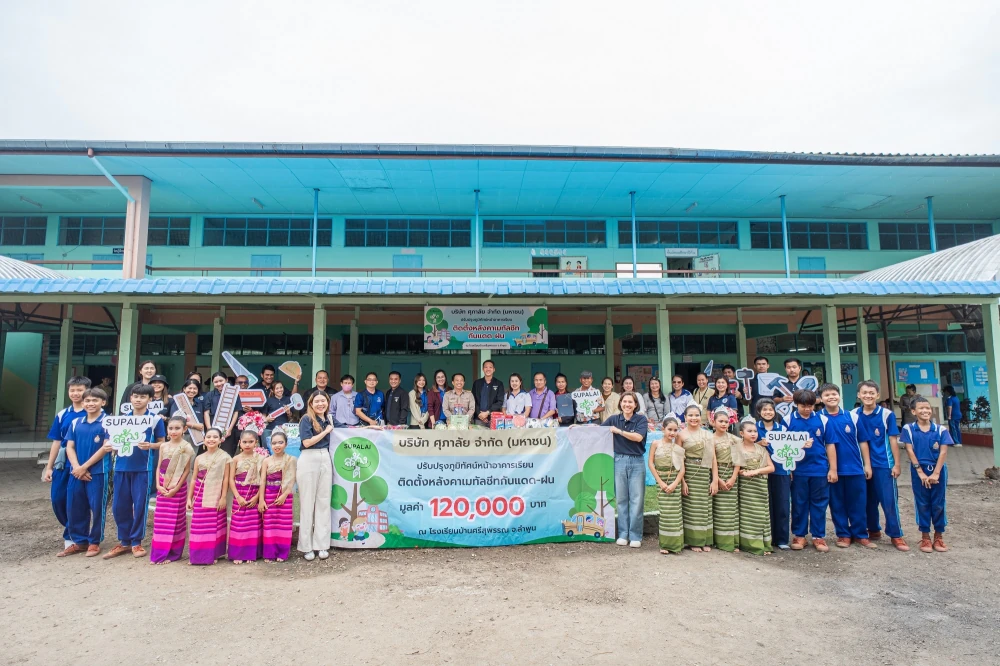
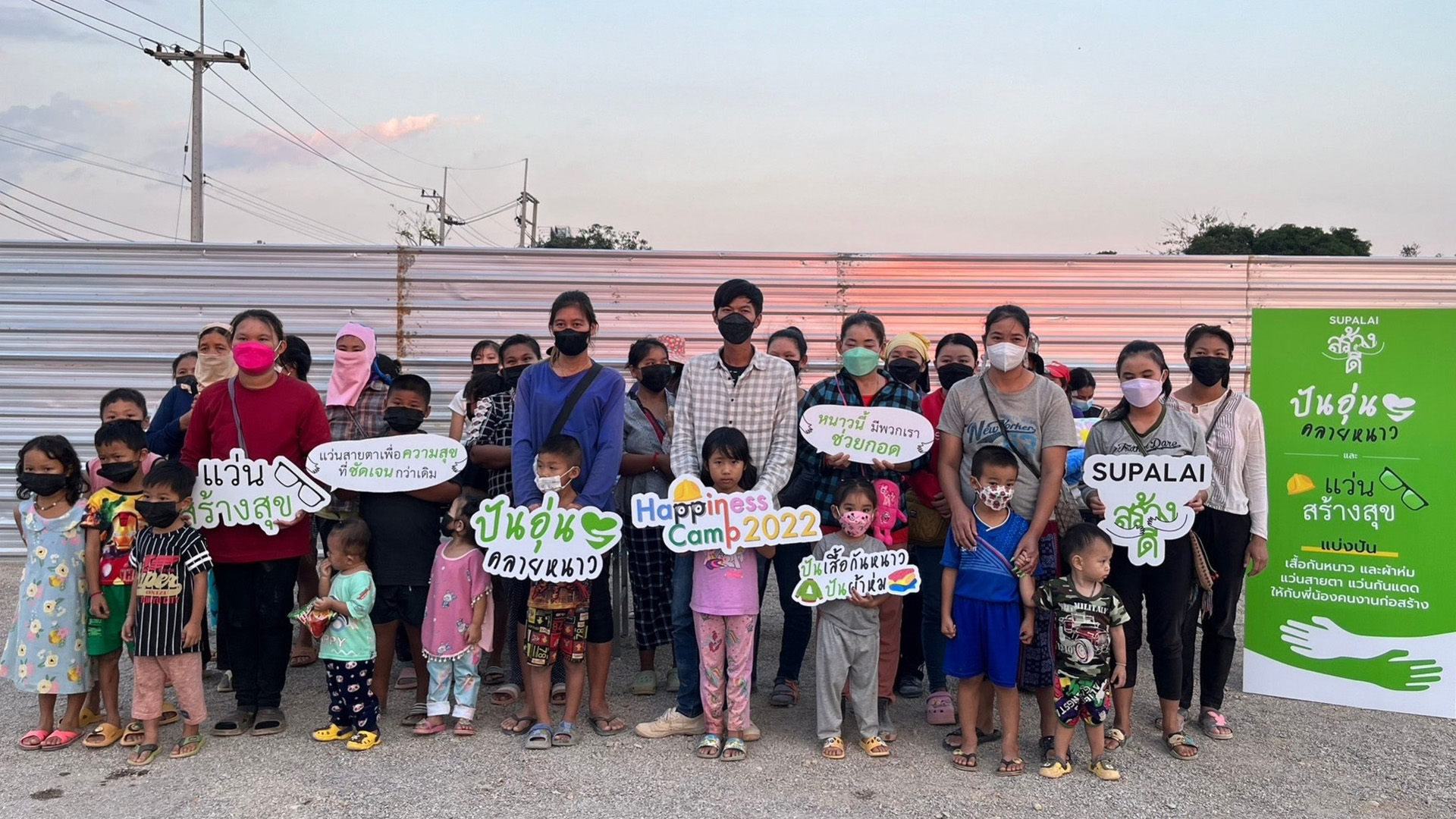
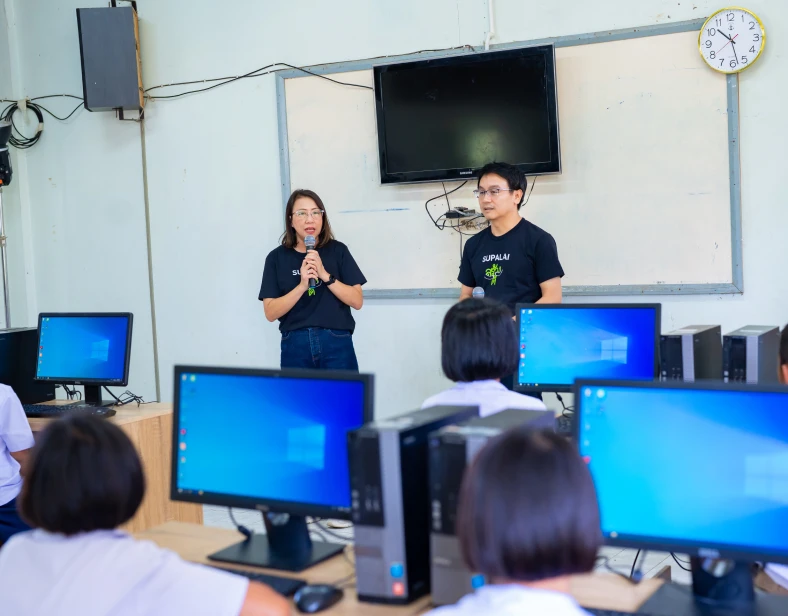
The Company recognizes that investing in human resources is a crucial foundation for sustainability. Therefore, it focuses on supporting projects in education, vocational skills development, and promoting the potential of youth in local communities, such as providing scholarships, organizing skills development training, and creating opportunities to access essential knowledge for careers and living a quality life.
Strengthening Community and Society
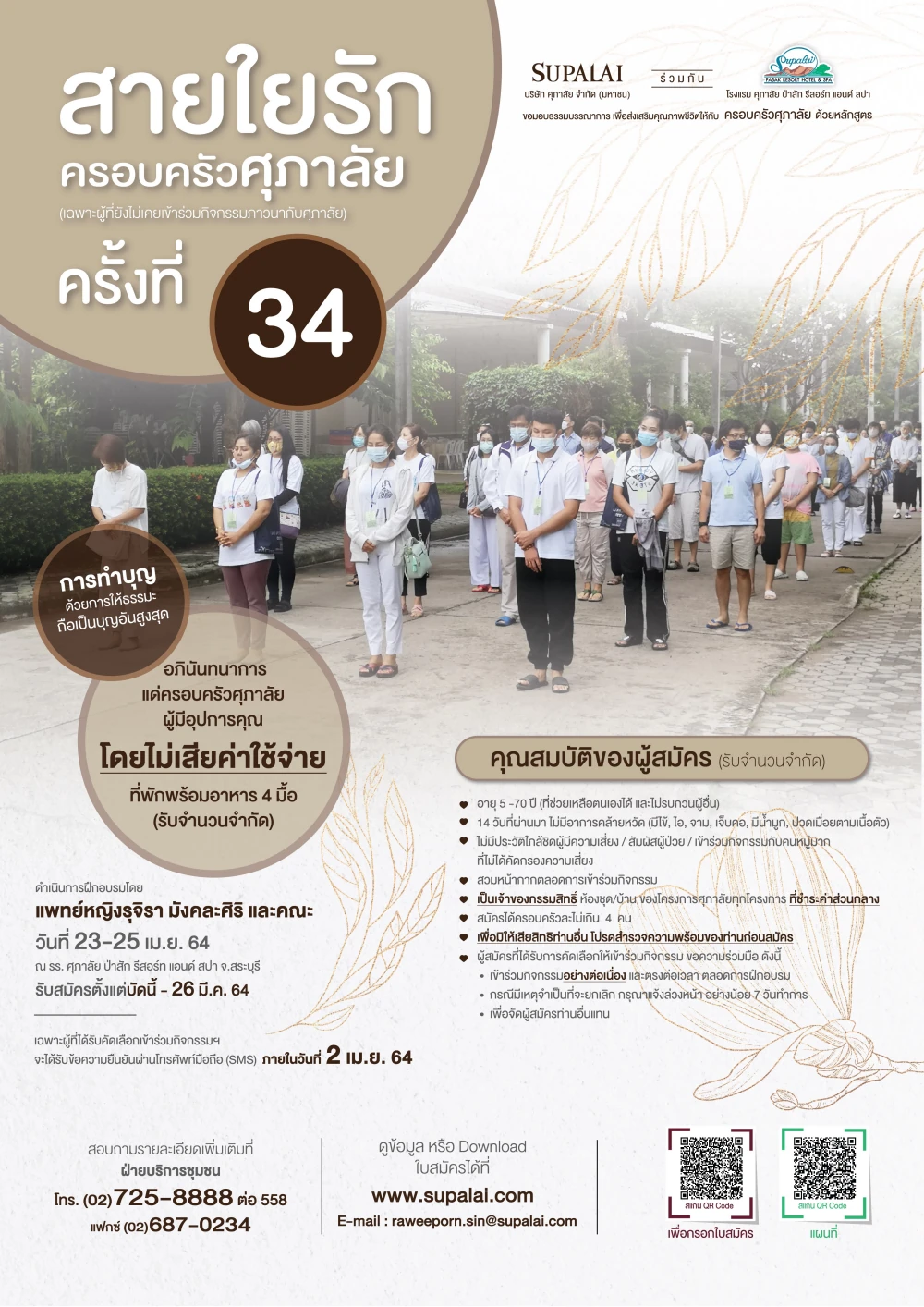
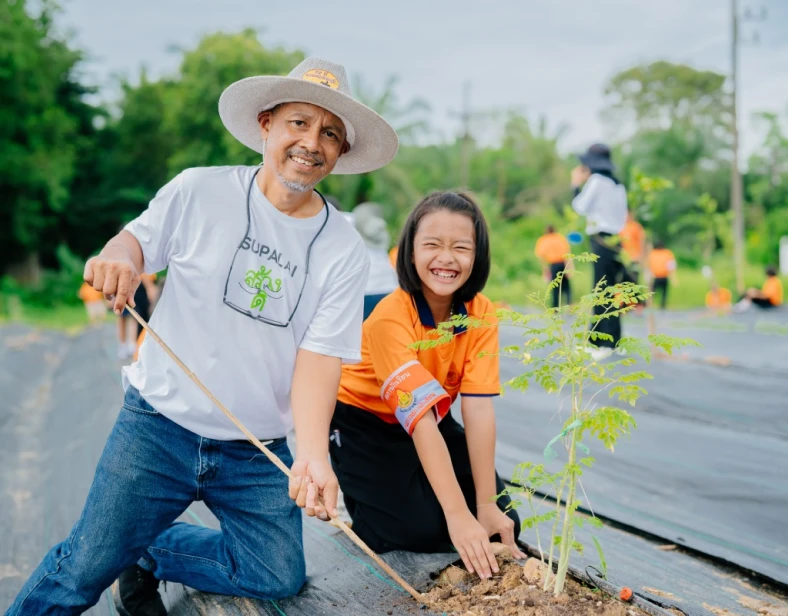
The Company promotes activities that help elevate the quality of life and build resilience within the community. These include projects for developing basic infrastructure, community healthcare, support for natural resource conservation, as well as participation in disaster relief. All of this is aimed at creating strong communities that can effectively cope with economic, social, and environmental changes.

Building Partnerships with Networks
The Company recognizes that creating positive change for the community and society requires cooperation from various sectors, including the government, private sector, and civil society organizations. Supalai therefore focuses on building strategic alliances in carrying out community development projects to exchange knowledge, resources, and innovation, which will help the operations be more efficient and sustainable.

Transparent Communication and Engagement
To build confidence and trust, the Company prioritizes continuous, transparent, and verifiable communication with the community. It provides opportunities for the community to participate in expressing opinions and reflecting needs, which helps the organization adjust its operational approach to align with the true context and expectations of its stakeholders.

With these comprehensive management guidelines and practices, Supalai aims to create sustainable positive change for the community and society, alongside stable, long-term business growth. This will support the Company’s ambition to be an organization that genuinely contributes to national development. Accordingly, the Company has defined Engagement Approaches and actions to respond to the needs and expectations of the community/society, as follows:

Community / Social Engagement Approaches
- Jointly provide opinions in the survey of impacts on communities surrounding the project.
- Provide advice, suggestions, and complaints through the Company's communication channels, such as Supalai Contact Center 1720, E-mail, various online media, etc.
- Conduct public hearings in the construction area.


The Company's Approach to Addressing (or Responding to) Community / Social Needs and Expectations
- Specify the construction period, traffic routes, and notify relevant parties of unsafe areas/zones.
- Establish communication channels for receiving complaints from the community.
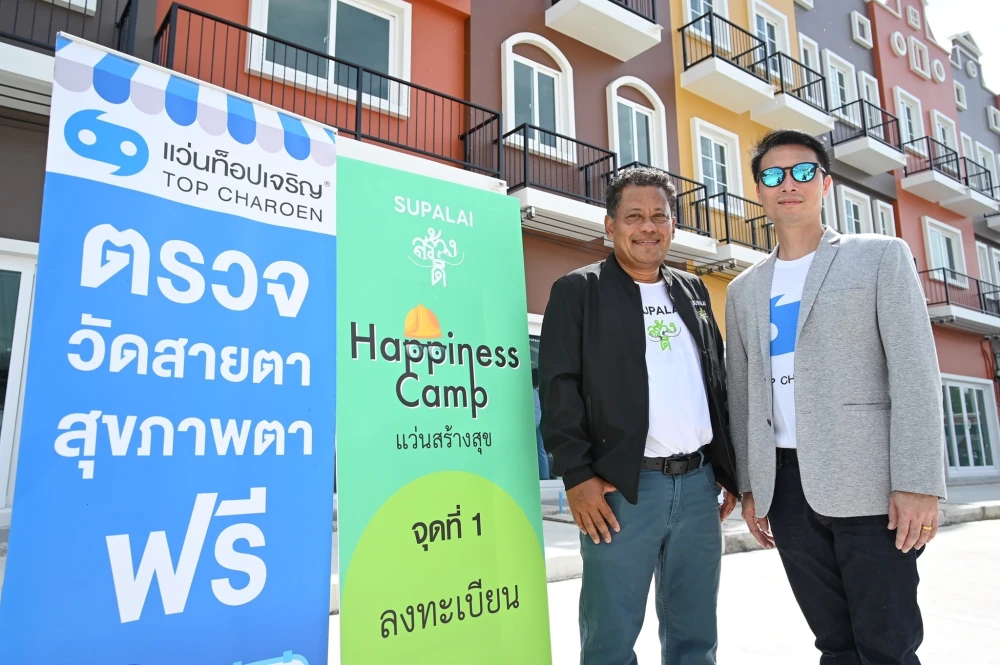
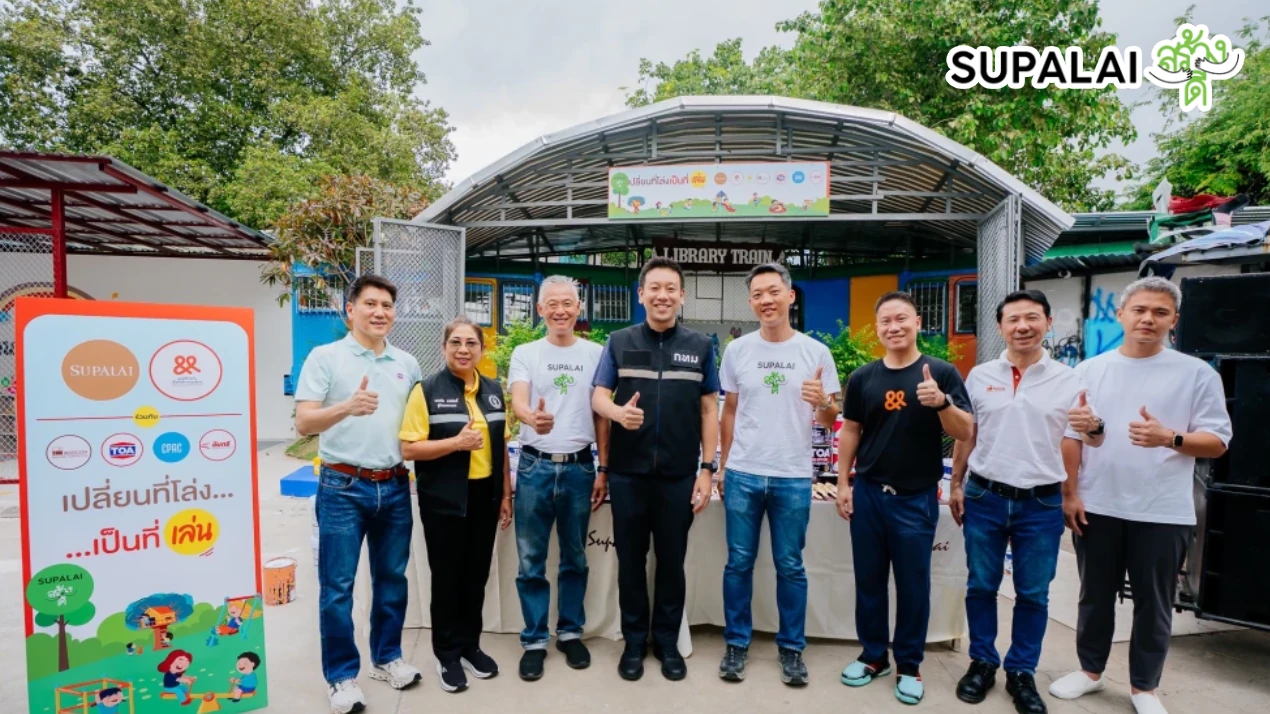
- Conduct community development activities in the areas surrounding the project / joint activities with the communities and society / community development initiatives, such as developing public utilities (e.g., groundwater systems, public street lighting, dredging canals, etc.).
- Establish a Human Rights Policy.
- Promote awareness among employees regarding social and environmental responsibility.

Stakeholders Directly Impacted

Customers
Positive Impacts
- Receive quality, safe housing in a good environment, with projects that consider the community and the environment.
Expected Impacts / Risks
- If project development lacks good management, it may lead to pollution, noise pollution, or an environment not conducive to habitation.

Employees
Positive Impacts
- Receive welfare and benefits, career development, and cultivation of awareness regarding social and environmental responsibility.
Expected Impacts / Risks
- Heavy workload resulting from continuous CSR initiatives and development projects may lead to work-related stress.

Suppliers / Retailers
Positive Impacts
- Gain business opportunities to collaborate on projects and achieve economic stability through long-term cooperation.
Expected Impacts / Risks
- A lack of standards or transparency in operations may affect business confidence and relationships.

Shareholders / Investors
Positive Impacts
- Receive stable returns from sustainable business operations, and benefit from the Company's positive image.
Expected Impacts / Risks
- If projects are delayed or management problems occur, it may impact financial performance and confidence.

Community / Society
Positive Impacts
- Benefit from infrastructure development, improved environmental conditions, job creation, and enhanced quality of life.
Expected Impacts / Risks
- If impacts are not managed comprehensively, there may be environmental impacts traffic issues, or conflicts with the project.

Government Agencies
Positive Impacts
- Receive cooperation in developing infrastructure and communities, aligning with government policies.
Expected Impacts / Risks
- Failure to comply with laws or regulations may result in legal disputes or credibility issues.