Human Resource Management


Supporting the Sustainable Development Goals (SDGs)




Goals and Performance Highlights
Goals


Commitment, Challenge and Opportunity
The Company is committed to enhancing the capabilities of its personnel so that they grow in tandem with the sustainable growth of the organization. It recognizes that long-term business success relies on a quality workforce that is adaptable and prepared to face the rapidly changing challenges of the business world. Therefore, the Company places great importance on systematically and continuously developing employees at all levels through training, learning, and individual competency assessments (Competency Gap Assessment), leading to the creation of Individual Development Plans (IDPs) that align with both organizational objectives and the growth goals of each employee.
The Company recognizes both the challenges and opportunities in fostering a modern learning culture. It provides employees with the opportunity to choose from a variety of development courses, available both online and offline, including externally certified programs. This approach aims to equip employees for career advancement by enhancing their knowledge, skills, and work behaviors in alignment with the organization’s strategic objectives.
The Company firmly believes that the continuous and effective efforts to develop the capabilities of its employees will enhance opportunities for the sustainable growth. Strengthening employees’ knowledge and skills in alignment with the organization’s strategic direction, along with implementing Agile practices, helps enhance business capabilities and competitiveness in a rapidly changing environment. At the same time, the Company aims to ensure fair performance evaluations and equal opportunities for career advancement in accordance with Company policies.


Strategies and Management Approaches
Human Resources Management
Recruitment and Employment
The company has a recruitment policy based on ethical principles, without discrimination or exclusion due to individual diversity, including race, religion, culture, language, skin color, gender, disability, political views, or any other matter. Suitability for job responsibilities will be considered on a case-by-case basis. There is no use or enforcement of child labour. The company has a standardized recruitment and selection system, provides opportunities for interested individuals to join the company, and offers compensation in accordance with industry standards, equally and fairly.
The company has expanded project development to various provinces across the country in 30 provinces, supporting and enabling employees to relocate back to their hometowns for work. Additionally, it promotes local employment to directly stimulate the community's economy, reducing the rate of unemployment and distribution of income, creating monetary circulation in the area, while also reducing environmental problems from commuting. In 2025, the company had a total of 1,459 employees.

Equitable Compensation Management
The company provides opportunities for employees to fully demonstrate their potential under a clear, transparent, and disclosed performance evaluation system. The compensation structure is set at a level comparable to similar business groups to create sustainable work incentives, as follows:
- Short-term compensation: Considered based on salary, special compensation, and appropriate operational expenses, linked to the company's annual profitability and employee performance.
All compensation consideration processes are meticulously vetted by the Nomination and Remuneration Committee to ensure that compensation management is appropriate and in line with good corporate governance principles. Additionally, the company assesses the adequacy of wages compared to the cost of living in each area (Living Wage Consideration) inflation rates and monitors gender pay equity, with improvement plans established for significant gaps, to support fair and sustainable employment in the long term.
Employee Compensation Ratio
Executive Level
 Female0.34
 Male0.66
Operational Level
Female0.42 Male0.58
Employee Welfare and Benefits
The company is committed to creating happiness and security for employees through the provision of diverse welfare and benefits, covering needs across all life stages. These are categorized into 4 main areas to enhance quality of life and promote sustainable growth within the organization, as follows:
The company is committed to continuously improving various welfare and benefits to ensure all employees are happy, confident in their work, and ready to grow with the organization sustainably.
New Hire and Employee Turnover Rates
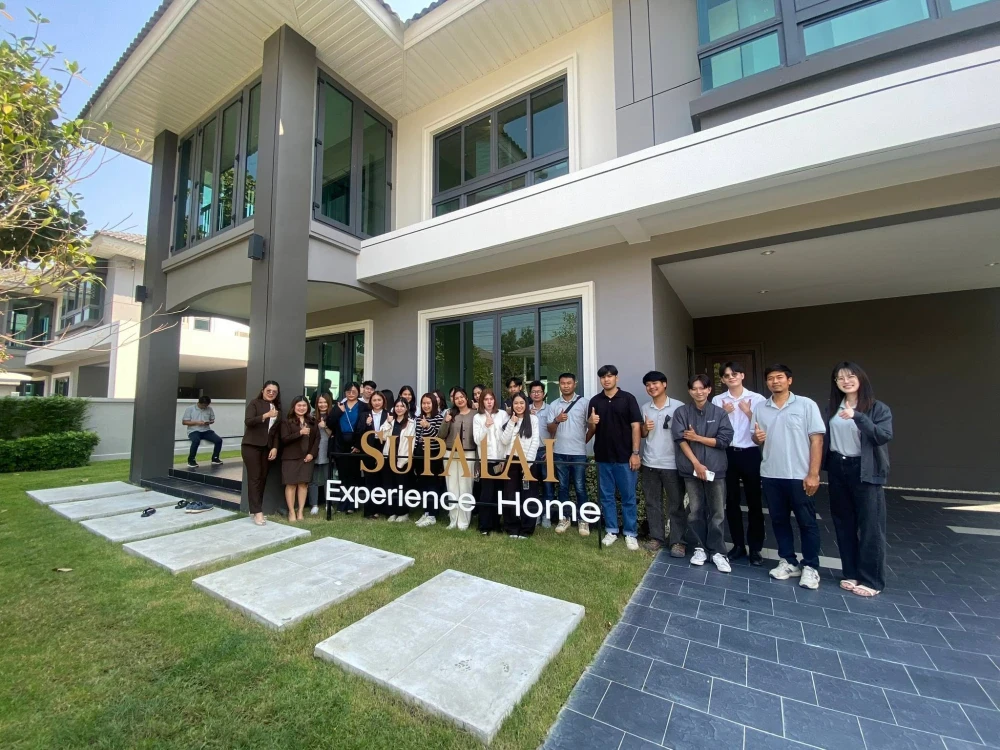
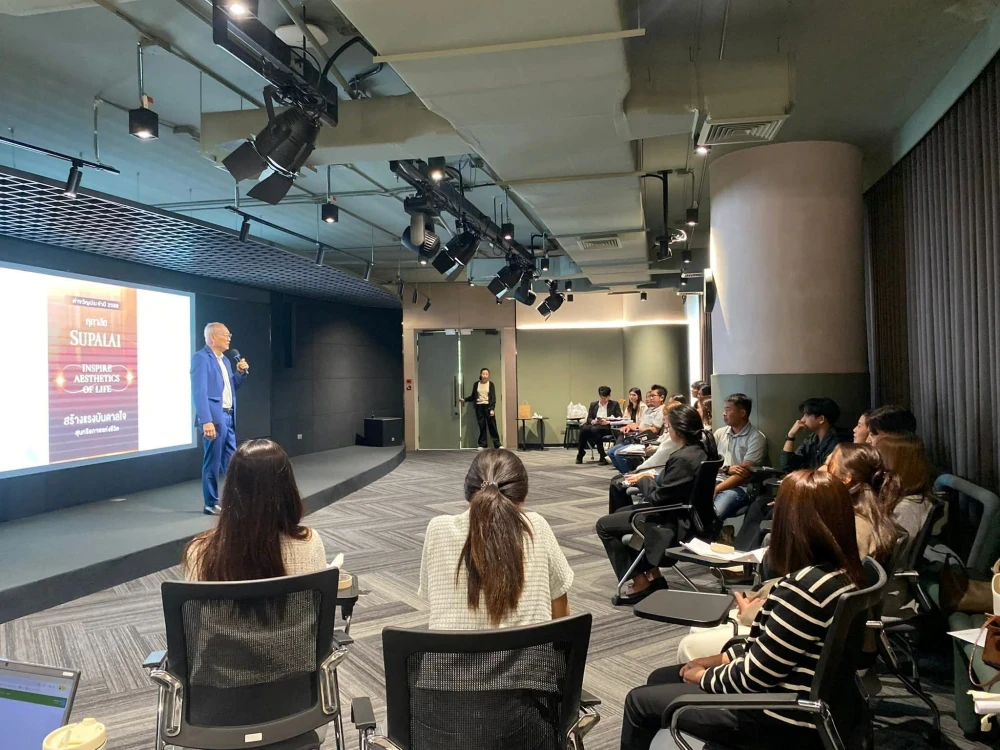
The company's management and team regularly organize Orientation Day at the beginning of each month to help new employees get acquainted and smoothly adapt to the organization. This includes a warm welcome through new employee introductions, the provision of welcome boxes, and presentations on the company's history, goals, vision, and various policies to ensure employees understand the company's direction before commencing actual work.
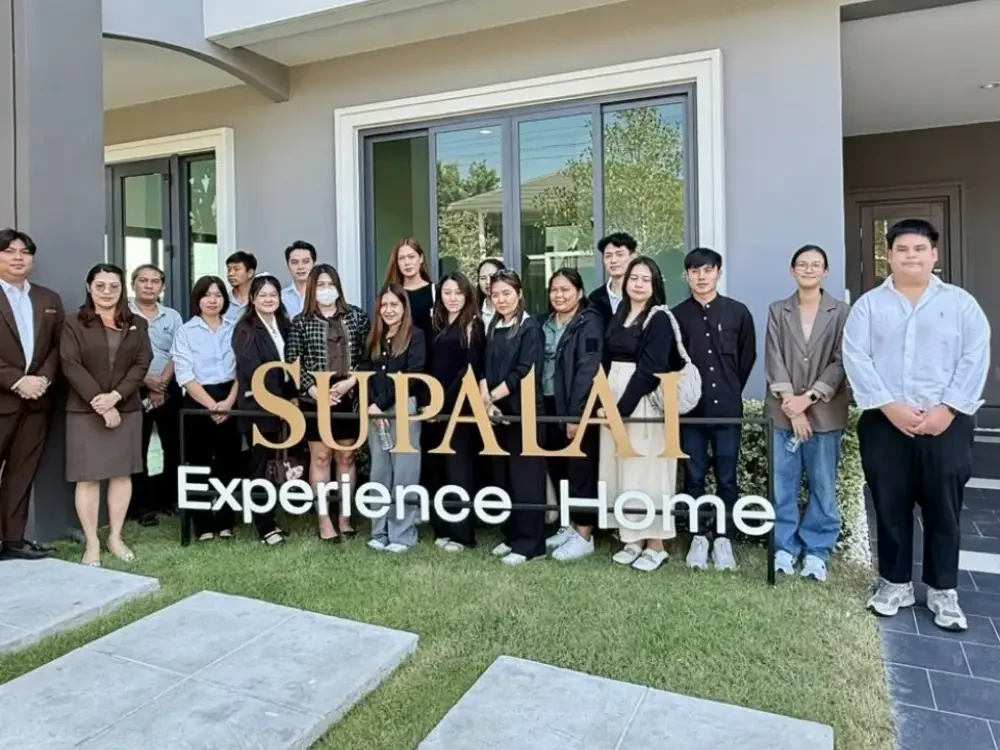
Additionally, there are activities for senior employees to share their experiences and pride in working with the company, along with guided tours of various projects, to ensure new employees gain a deep understanding of the company's products and standards.

Post-retirement Employment
Although the company has work regulations that set the retirement age at 60 years or older, the company recognizes the skills, knowledge, and experience of retired employees who are still capable of working. Therefore, it offers employees the opportunity to continue working by establishing a policy for post-retirement employment based on their willingness and readiness to work, with continuous service years counted. Employees who do not wish to continue working will receive severance pay according to the provisions of the Labour Protection Act B.E. 1998. In 2025, there were 3 retired employees, or 0.21%. Currently, 11 retired employees continue to work for the company after retirement.
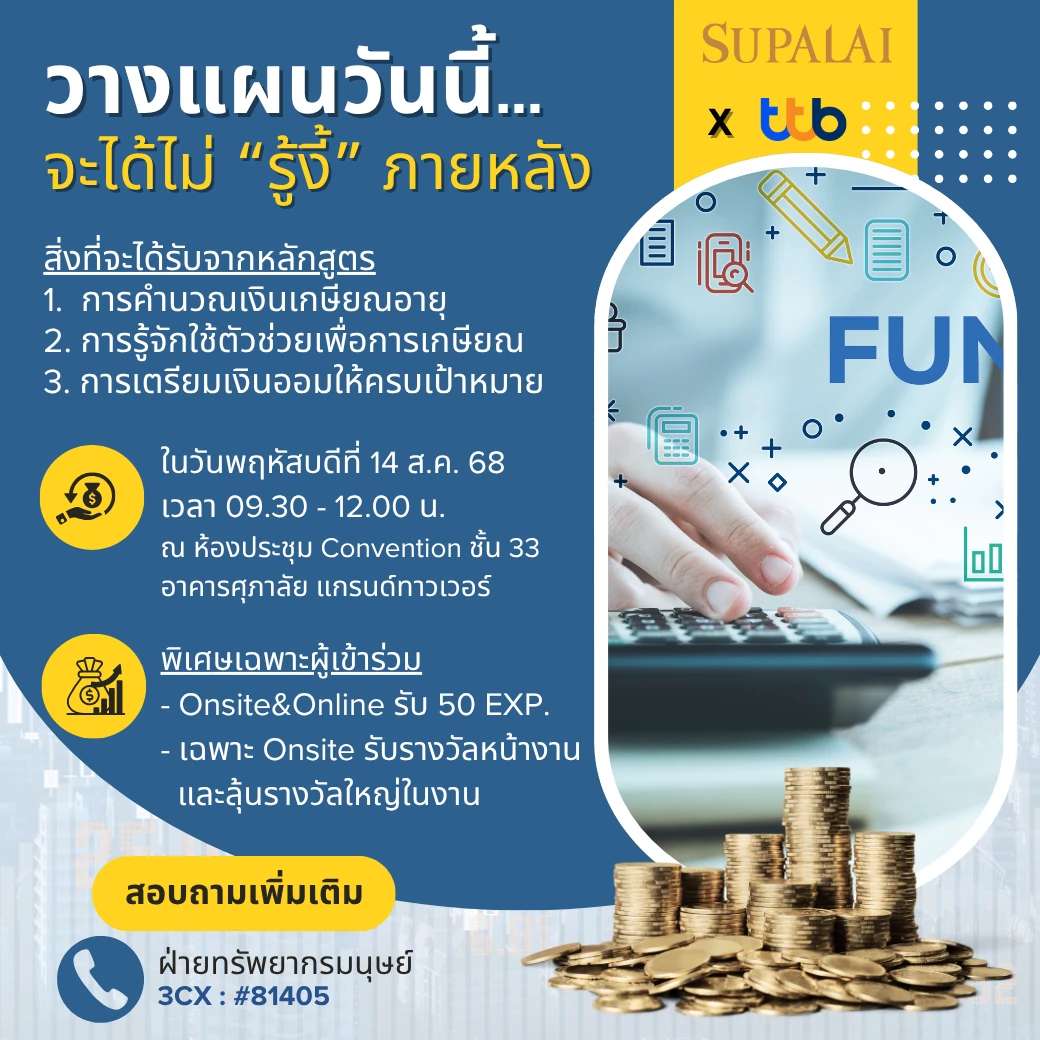
Financial Literacy Seminar for Post-retirement
The company aims to enhance the quality of life for employees through post-retirement employment policies combined with financial literacy to develop quality personnel with financial stability in life. The seminar curriculum strengthens skills in calculating post-retirement budgets, managing financial tools, and planning savings. Promoting financial knowledge alongside providing opportunities for continuous income helps reduce anxiety and creates a better life for employees after retirement.
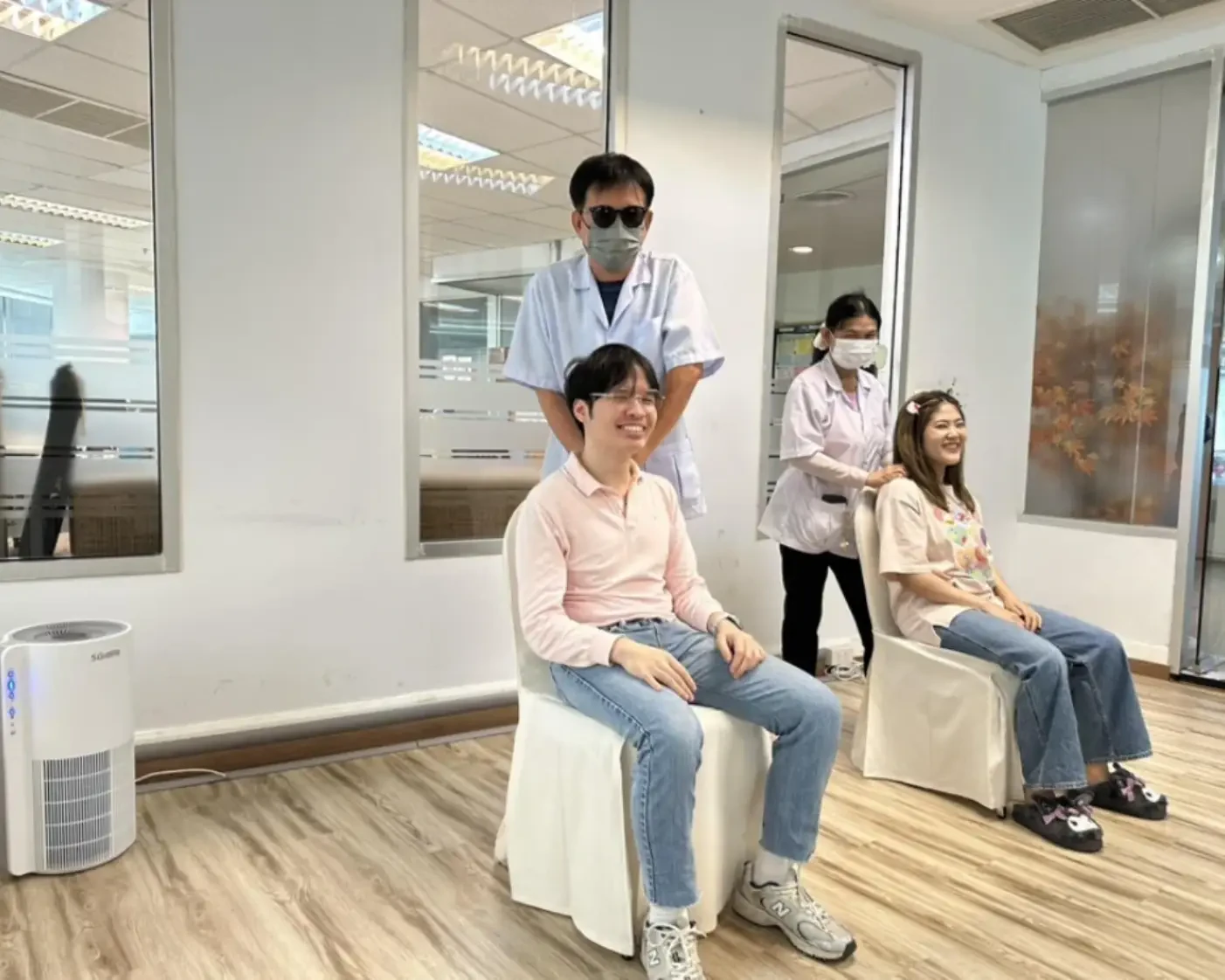

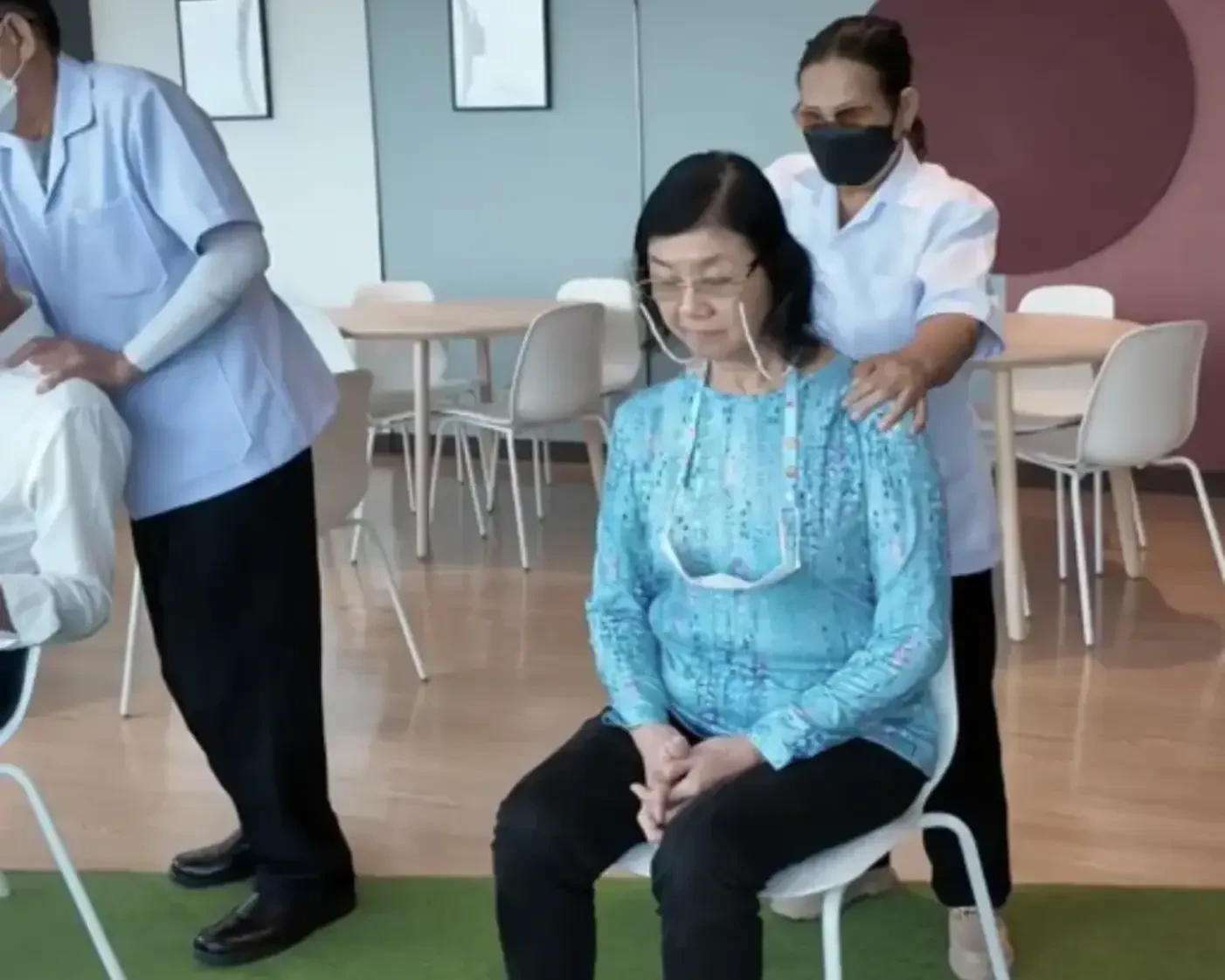
Employment of Persons with Disabilities
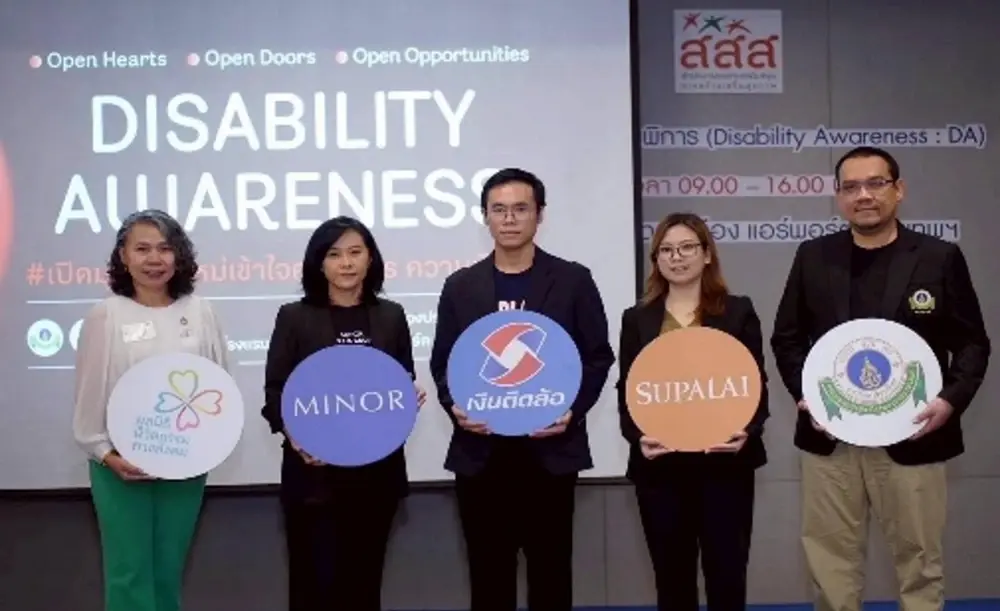
The company supports persons with disabilities to live equally with the general population, participating fully and effectively in society within an accessible and beneficial environment. In 2025, the company provided employment opportunities for 18 persons with disabilities, comprising 8 males and 10 females. The company has fully and timely remitted additional funds to the Fund for the Promotion and Development of the Quality of Life for Persons with Disabilities, in accordance with Section 34 of the Persons with Disabilities' Quality of Life Promotion and Development Act B.E. 2007 by the Department of Empowerment of Persons with Disabilities (DEP), Ministry of Social Development and Human Security (MSDHS).
- Employment of Persons with Disabilities under Section 33: 14 Employees
- Employment of Persons with Disabilities under Section 35 (Service Contract for Visually Impaired Massage Therapists): 4 Persons
Employee Training and Development
The Company recognizes that true business success depends on quality personnel. Therefore, all personnel must receive systematic and continuous training and development to enhance their potential and capabilities, comprehensively covering both management and employee levels, in line with established goals.
The Training and Development Department will conduct individual employee competency gap assessments to create Individual Development Plans (IDPs). Employees will have the opportunity to choose from a variety of learning courses, including online learning, in-house training, or external courses, to ensure that development truly meets their needs and work context.
Employee Capability Development
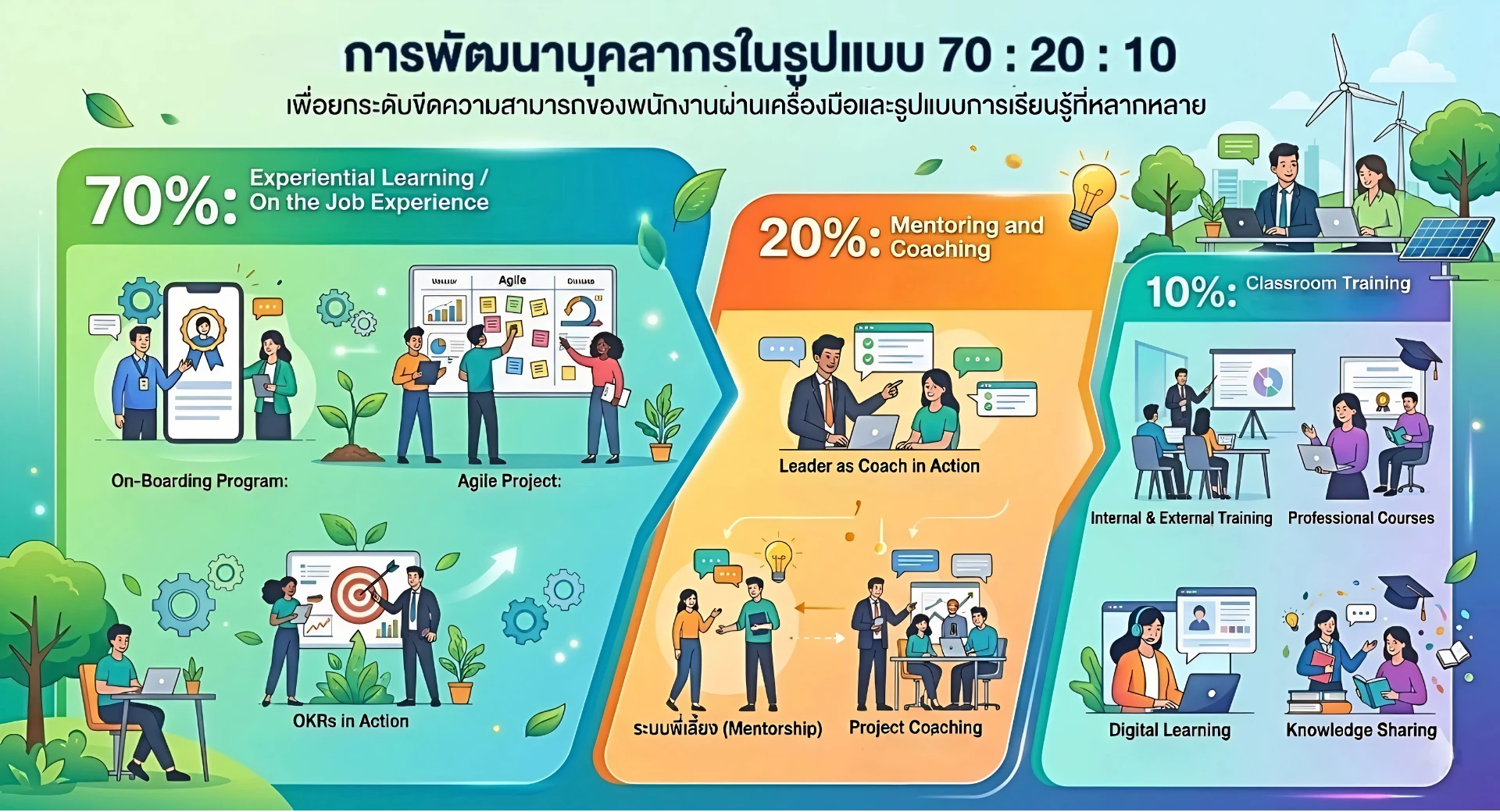
The Company adopts the 70:20:10 personnel development approach to enhance employee capabilities through various tools and learning methods, as follows:
Stakeholders Directly Impacted

Customers
Positive Impacts
- Receive higher-quality products and services from employees whose skills and knowledge are continuously developed.
Expected Impacts / Risks
- If development is uneven, it may result in inconsistent service quality and customer dissatisfaction.

Employees
Positive Impacts
- Gain opportunities for skill development, career advancement, job security, and work-life balance.
Expected Impacts / Risks
- Employees may face pressure from internal evaluations, competition, or increased workloads.

Suppliers / Retailers
Positive Impacts
- Benefit from more effective collaboration, with Company employees coordinating professionally.
Expected Impacts / Risks
- If employee development does not align with the skills expected by suppliers, it may affect the quality of collaboration.

Shareholders / Investors
Positive Impacts
- Receive long-term returns from increased organizational efficiency, as employees create value and innovations that drive the business.
Expected Impacts / Risks
- If investments in employee development do not show clear short-term results, they may be perceived as excessively high costs.
Performance Results
Construction Project Training and Skill Development Courses
The Company continuously prioritizes the development of construction personnel capabilities by preparing an annual training plan for the construction department for employees and suppliers to train employees, to develop the knowledge, skills, and abilities necessary for performing duties in line with their roles, construction standards, and the Company's business direction. This training plan covers both theoretical and practical training and is used as a framework for systematic personnel development, including:
Construction Standards and Work Methods Training
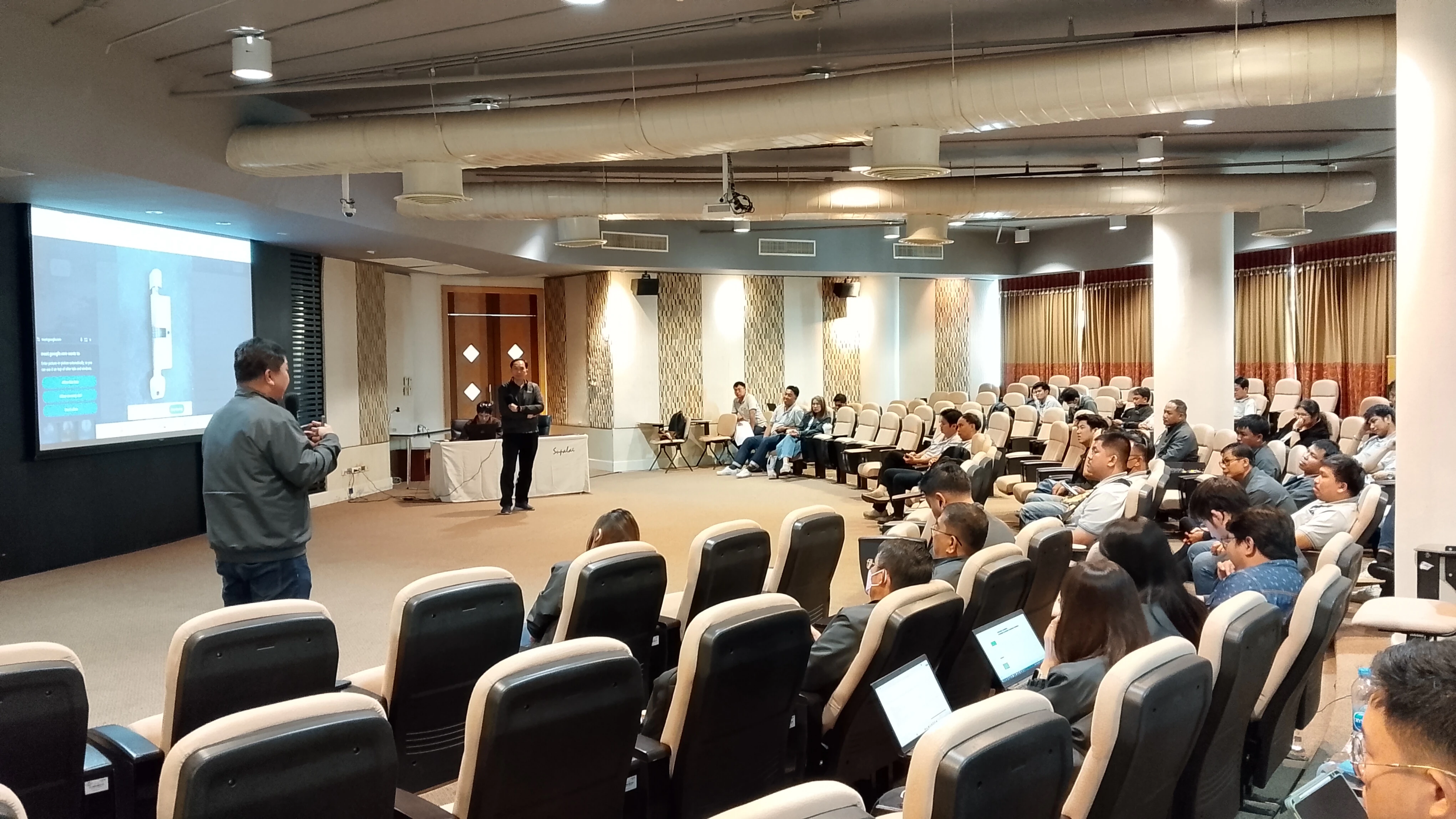
The Company organizes training Standard Detail Usage To directly develop construction knowledge and skills for employees, enhancing understanding of construction processes, quality standards, and safety requirements, which are crucial factors in increasing work efficiency and reducing risks from construction errors. This training is provided to 300 employees, covering relevant roles including engineers and field control teams. The knowledge assessment results, based on the Company's standard criteria, showed that 84% of all participants passed, reflecting the effectiveness of the course in transferring knowledge and applying it to actual work. This ensures employees can use Standard Details correctly, completely, and consistently in all projects, thereby supporting the overall improvement of construction quality and building long-term stakeholder confidence.
Skilled Labour Development Training
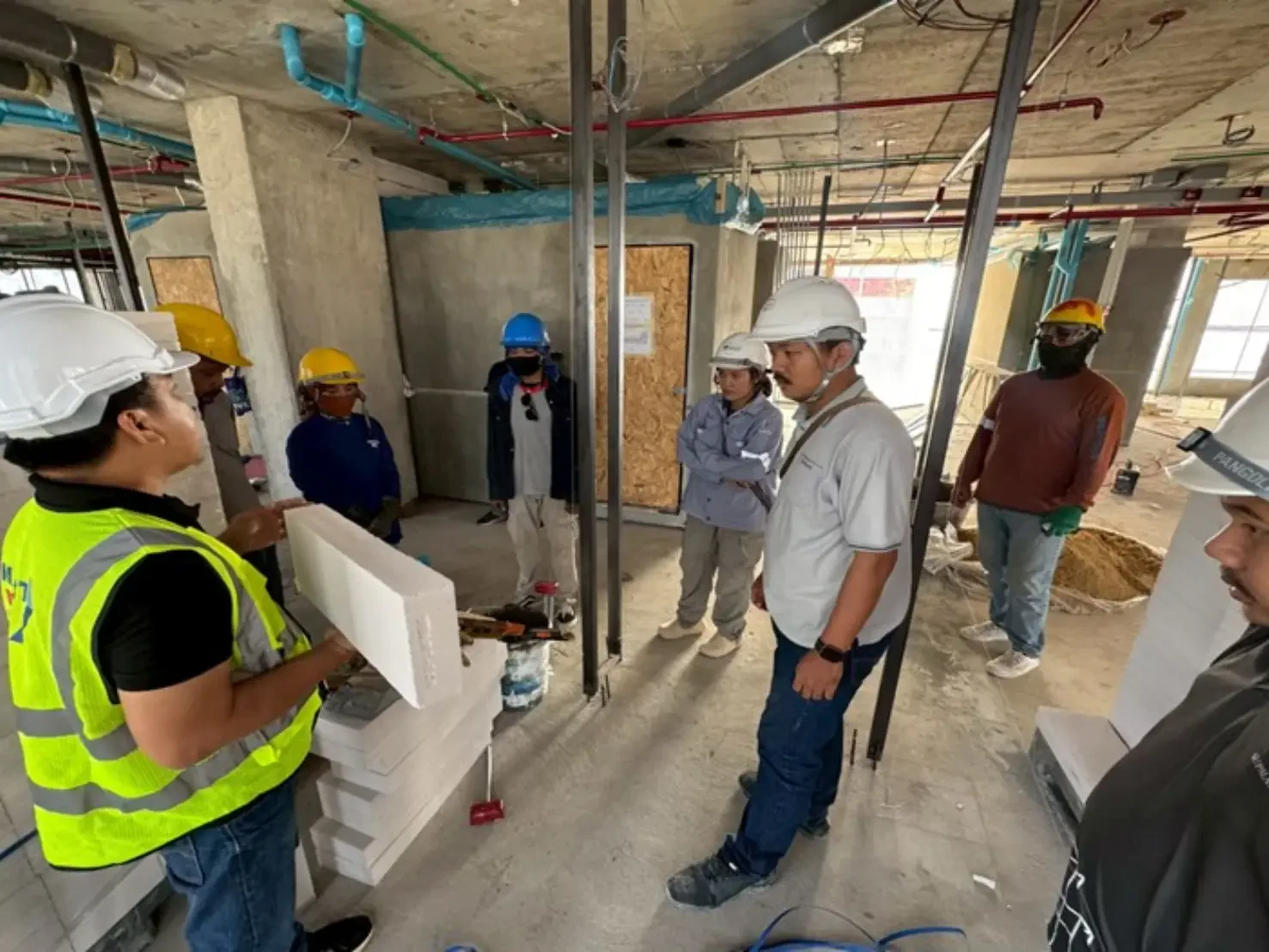
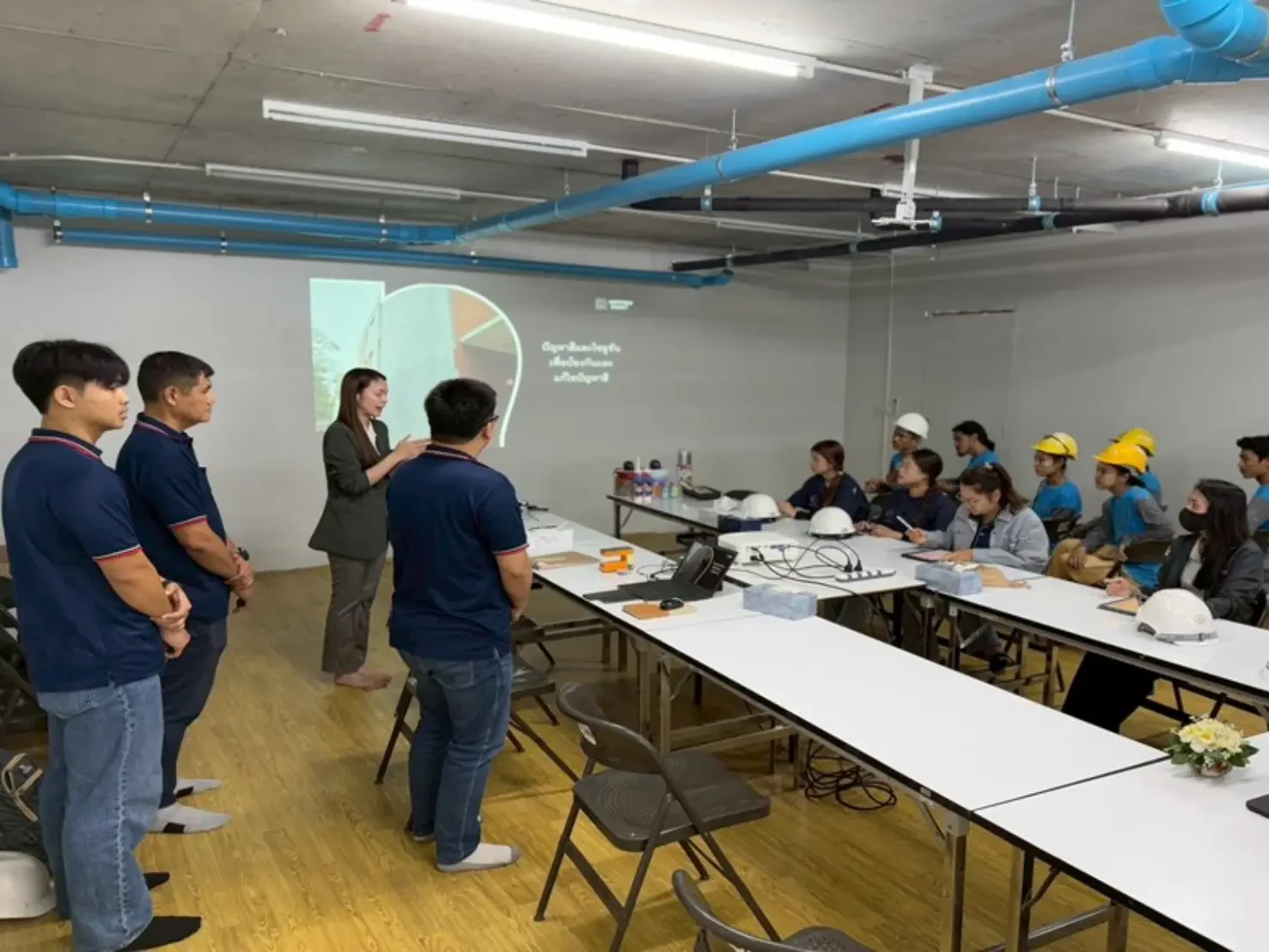
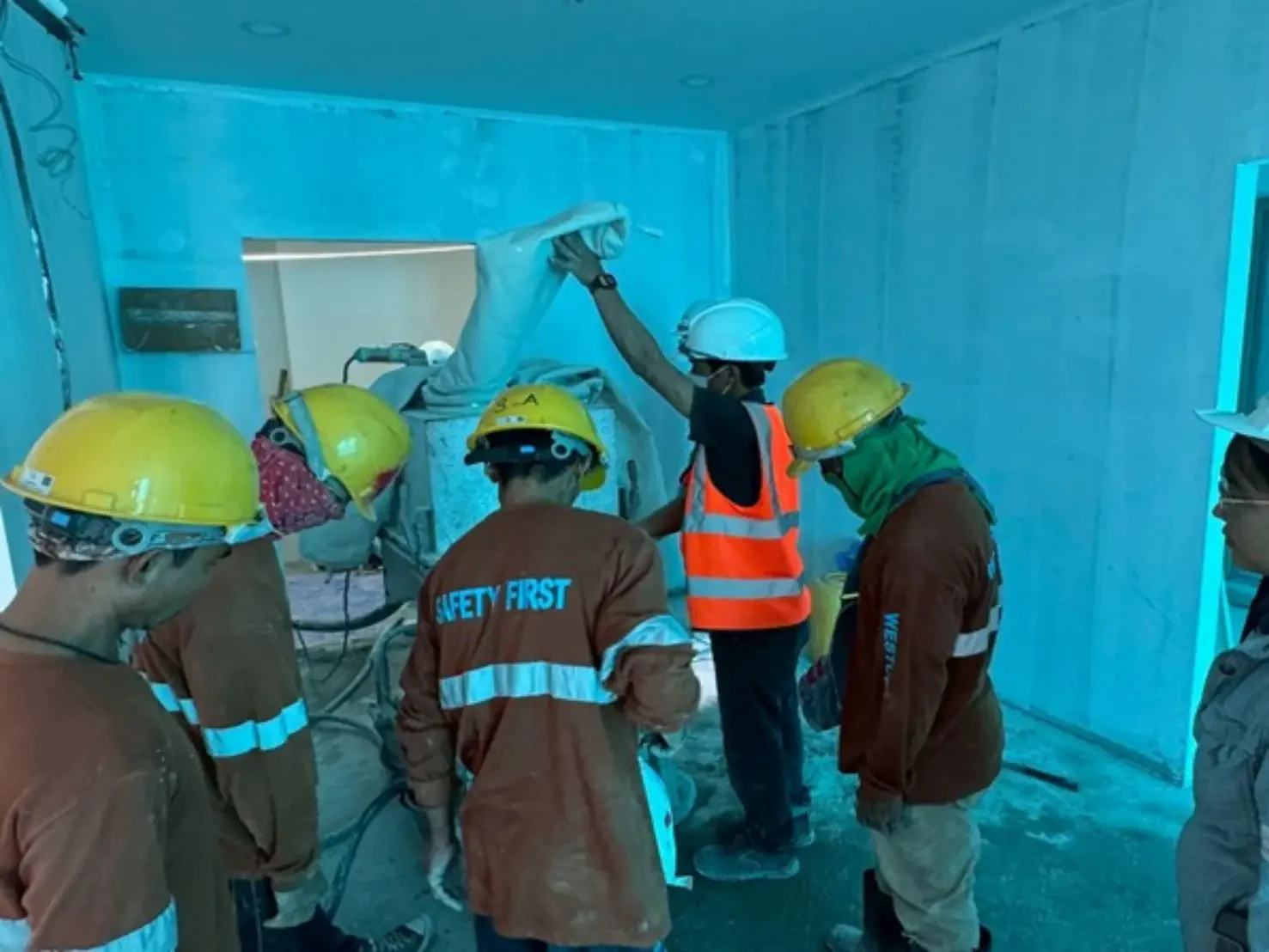
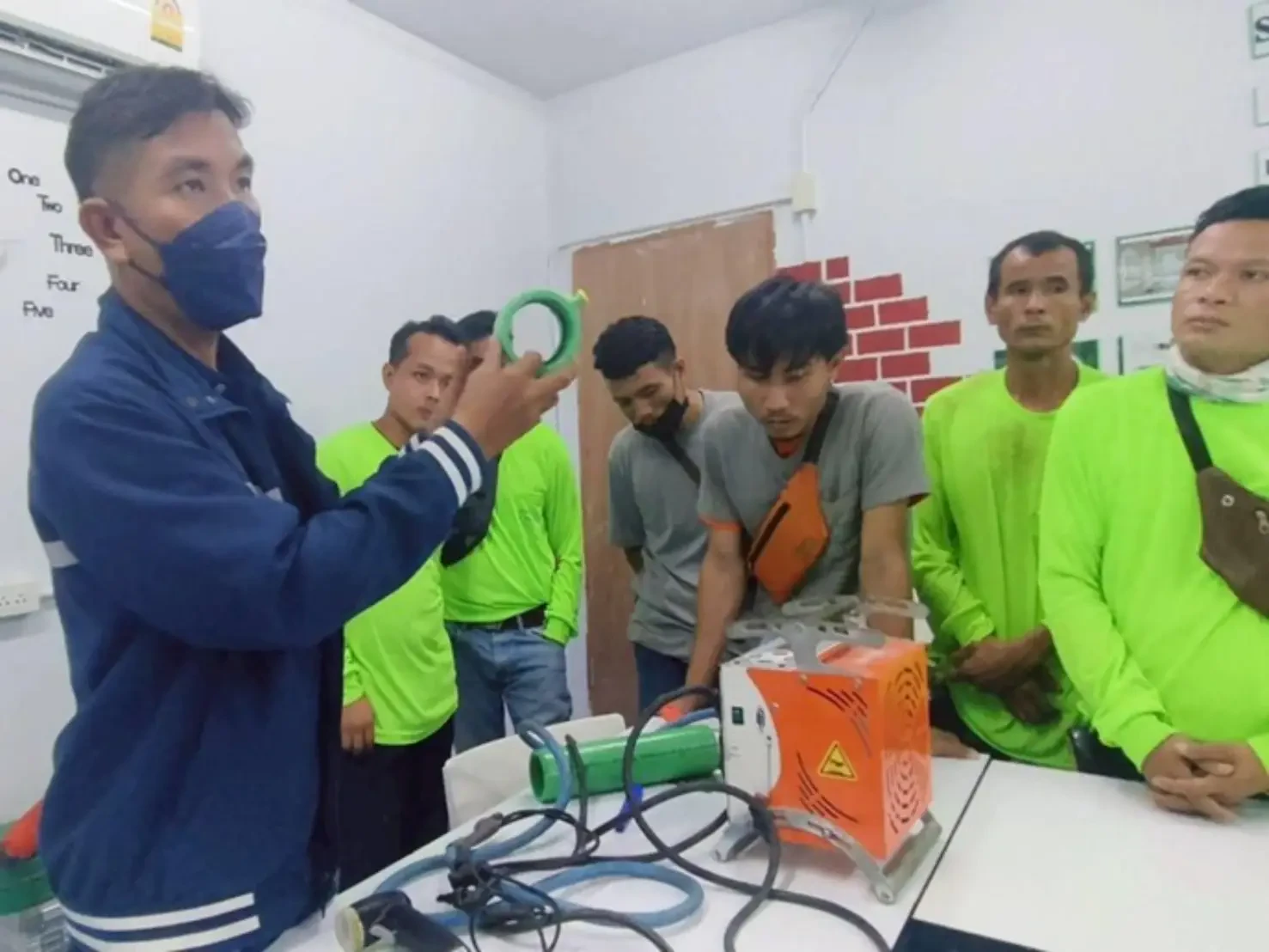
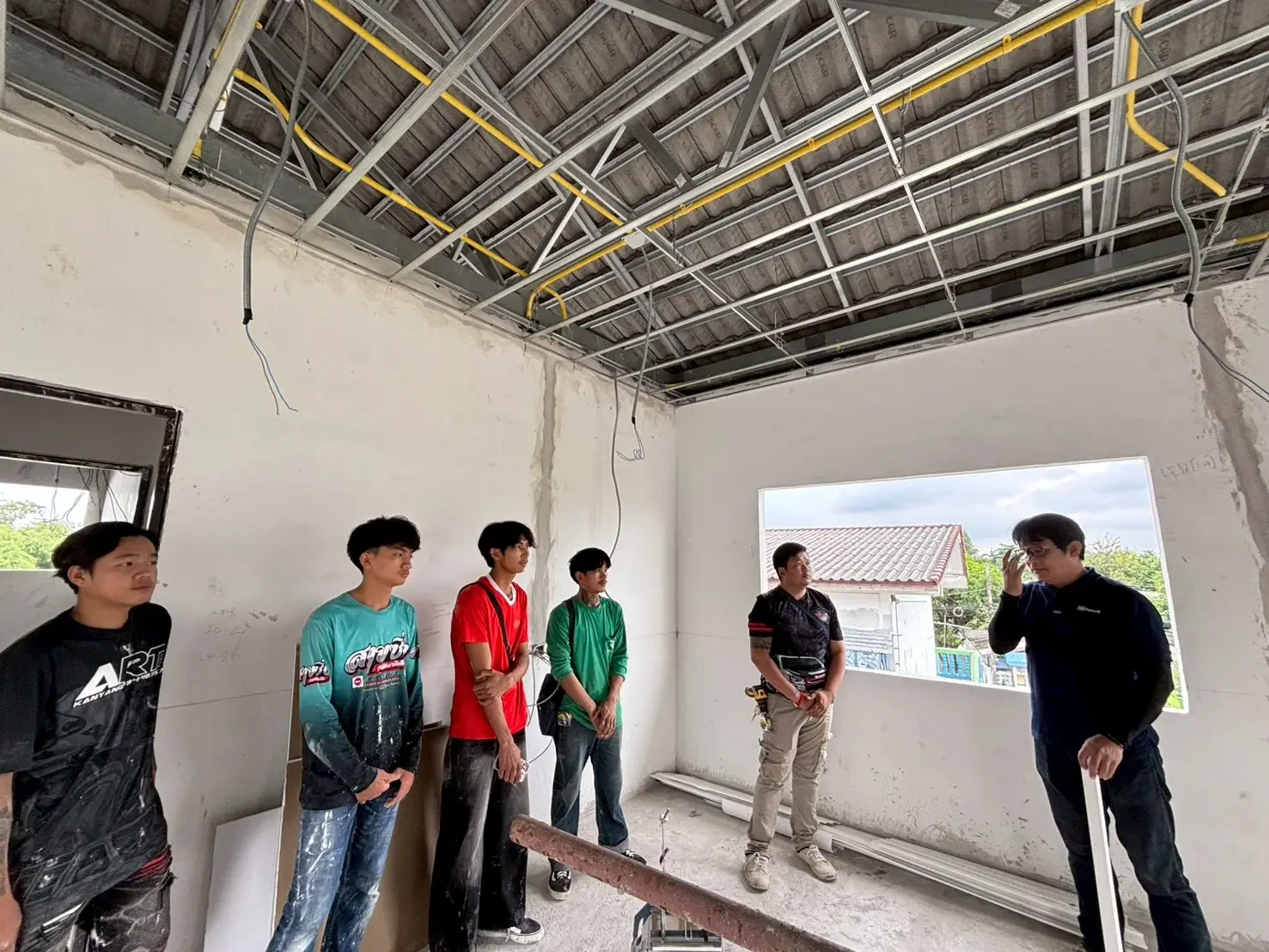
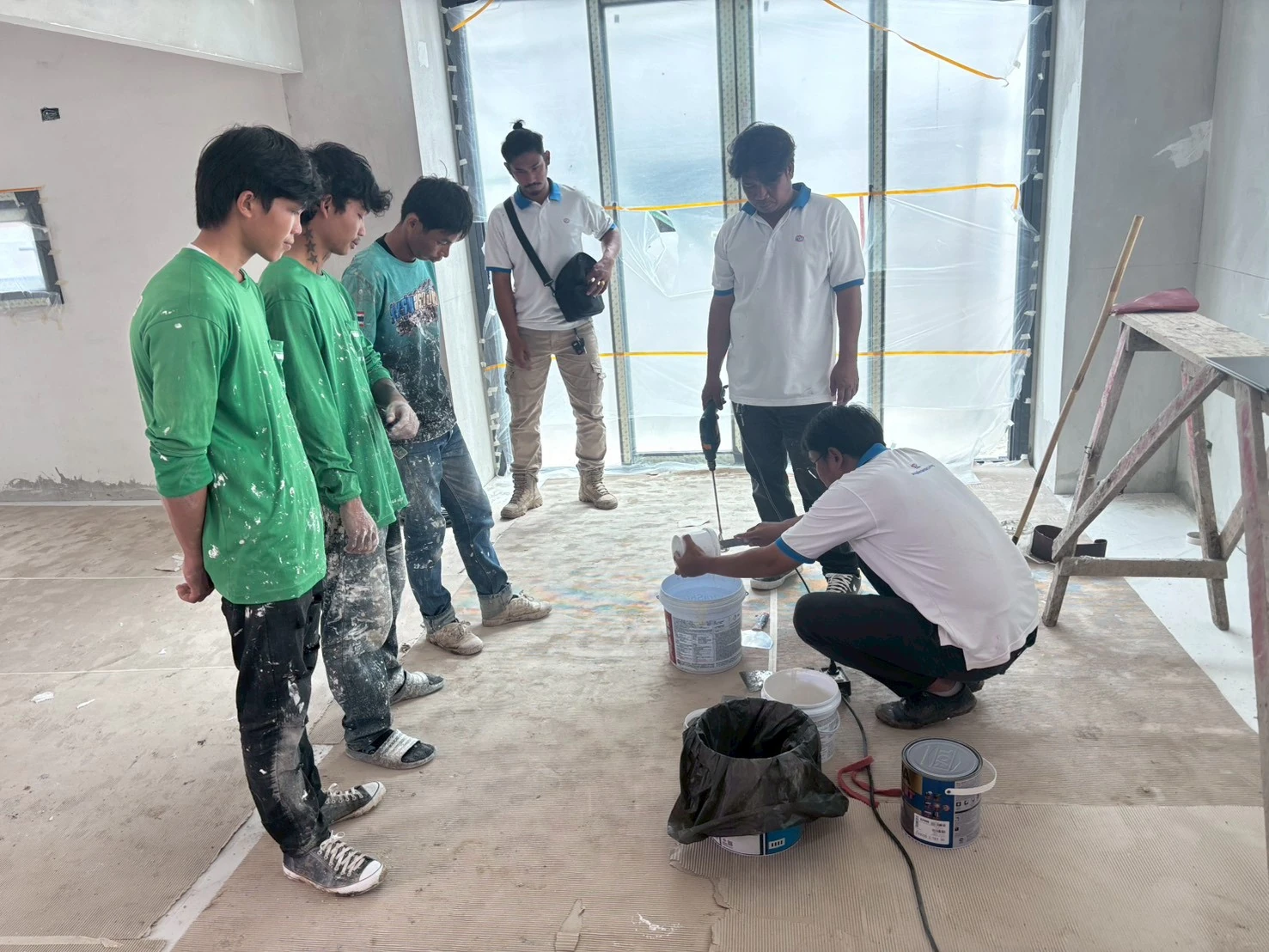
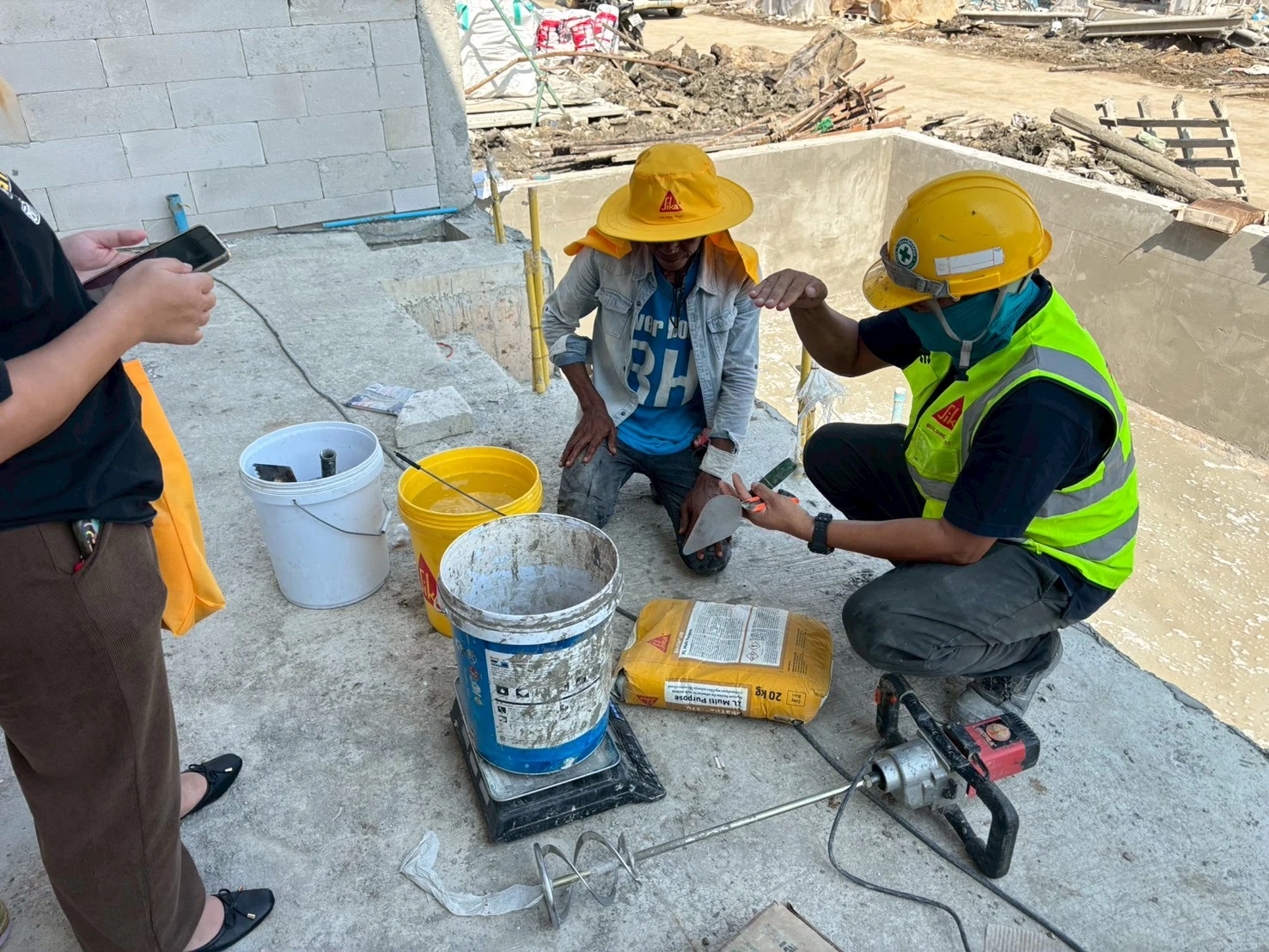
The Company promotes the development of skilled labour in construction projects by collaborating with manufacturers or suppliers to organize training on the installation of various materials and systems according to manufacturer standards. This aims to enhance construction quality and reduce risks from installation errors, such as: Bricklaying work training, Painting work training, Floor leveling work training, Pipe welding training PPR, Ceiling installation standard training, Exterior lower house painting training, Tile laying standard training.
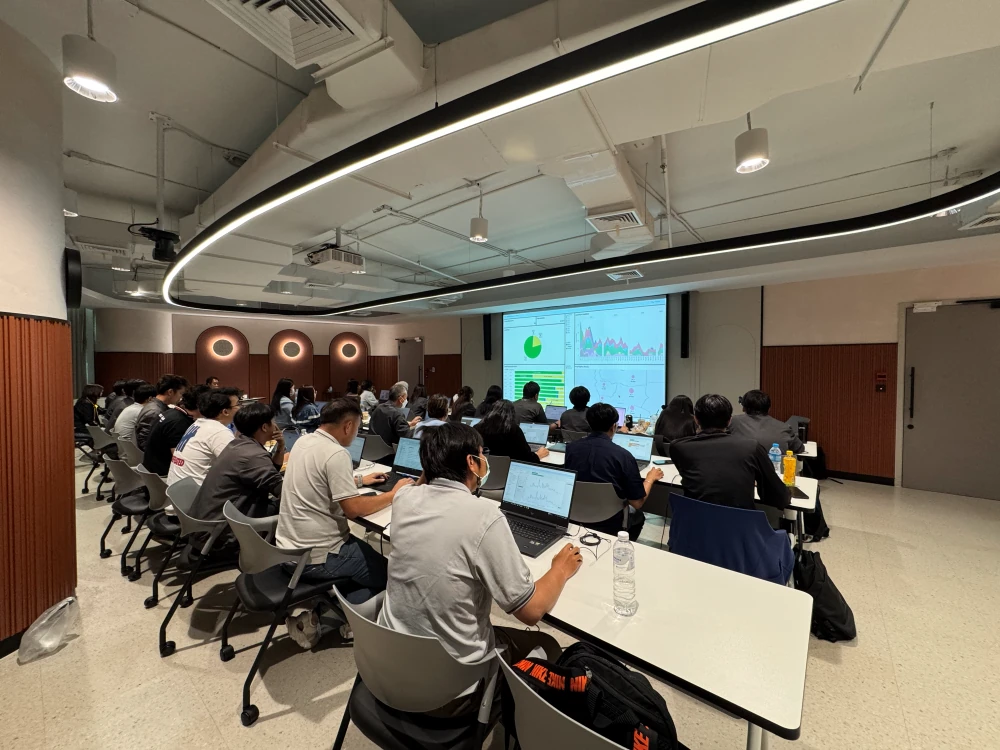
Software Usage Training Tableau
The Company supports the development of employees' digital skills and data utilization by providing data analysis tools, such as software Tableau, coupled with training to enhance understanding of its use and promote a data-driven working culture.
Additionally, the Company has developed Data Catalog to serve as a central hub for publishing and managing Tableau dashboards, allowing employees with data access rights to utilize visualizations for monitoring work, analyzing data, and making efficient and systematic decisions in their work and project management
Employee Training and Skill Development Courses
The Company believes that employees are the most crucial resource for driving the organization towards sustainable success. Therefore, it has a policy to continuously promote learning and personnel development, focusing on upskilling and reskilling to keep pace with changes in the real estate business and digital technology. The Company is committed to allocating appropriate resources and budget to ensure that employees at all levels receive equal opportunities for knowledge, capability, and career advancement. In 2025, various training channels were provided for employees, as follows:
Functional Training Focusing on specialized skills essential for operations, such as:
- Electrical technician training to develop the working skills of engineers and maintenance technicians, with 19 participants.
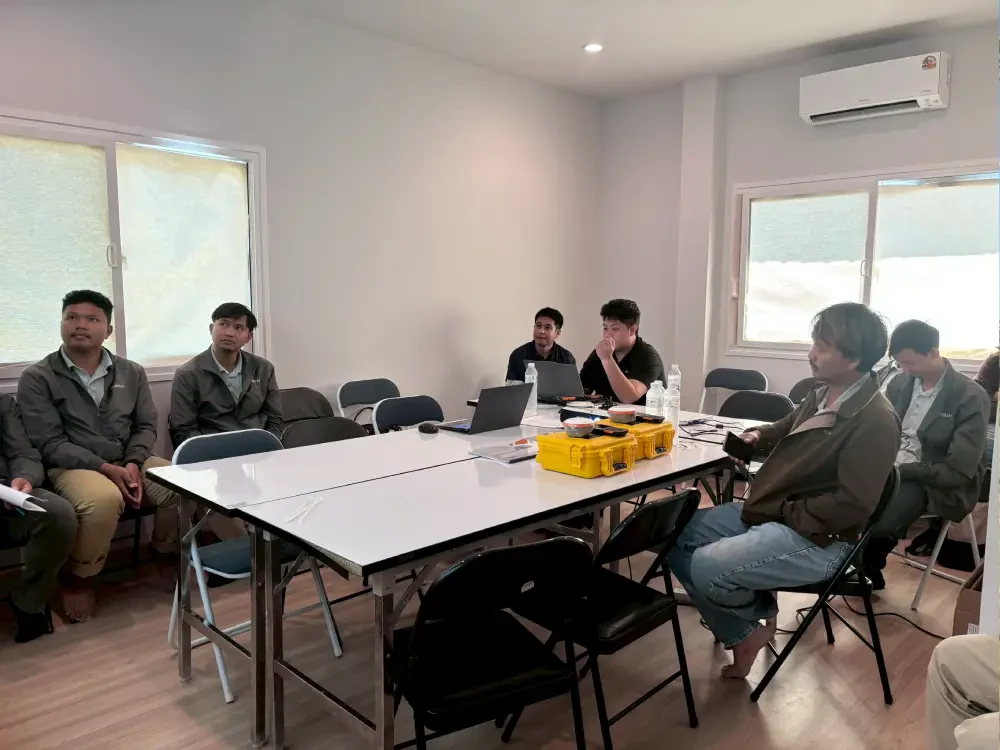
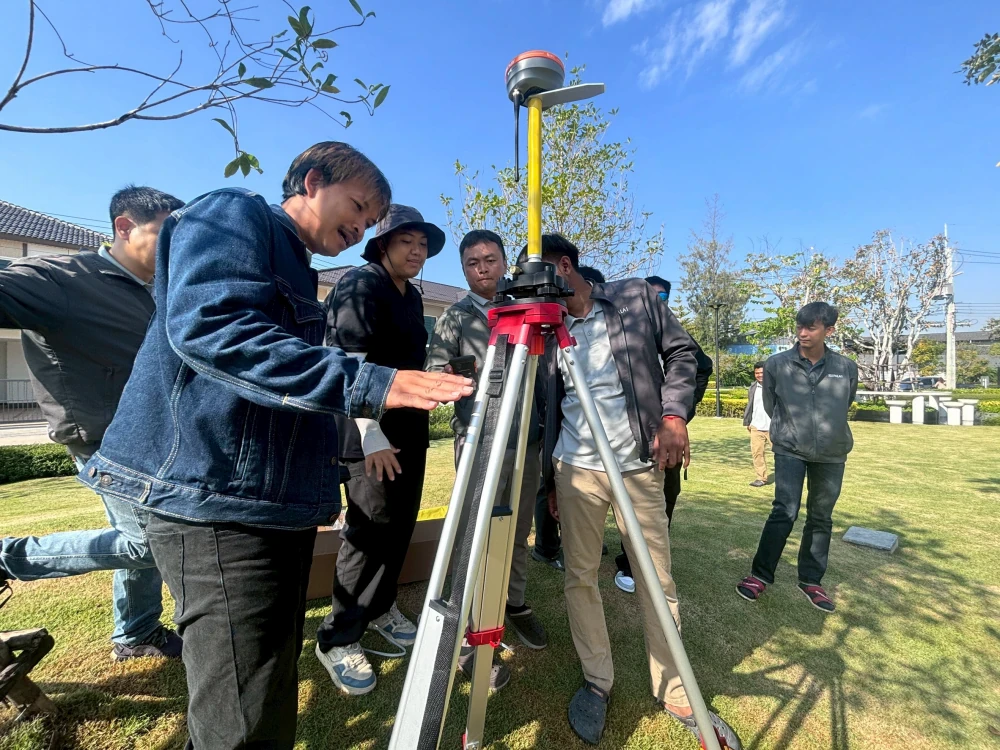
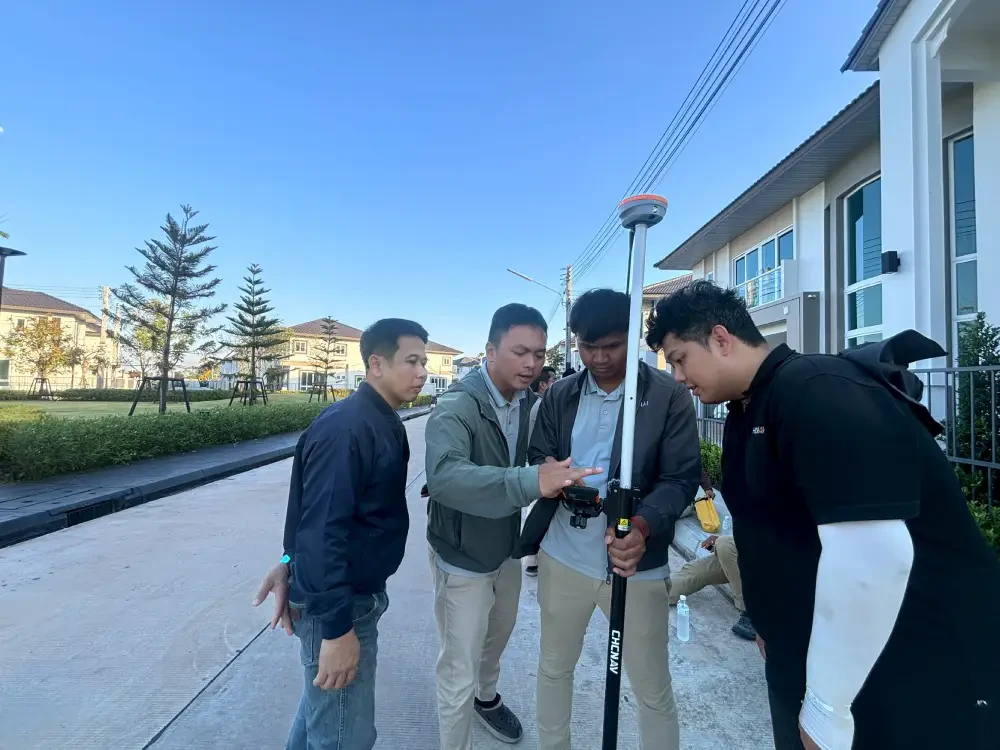
- Training on the use of RTK cameras (satellite receivers) for 10 personnel from Regional Project Department 1, which aids in project layout Highly accurate pile point setting and land boundary surveying, reducing errors that could lead to costly rework.
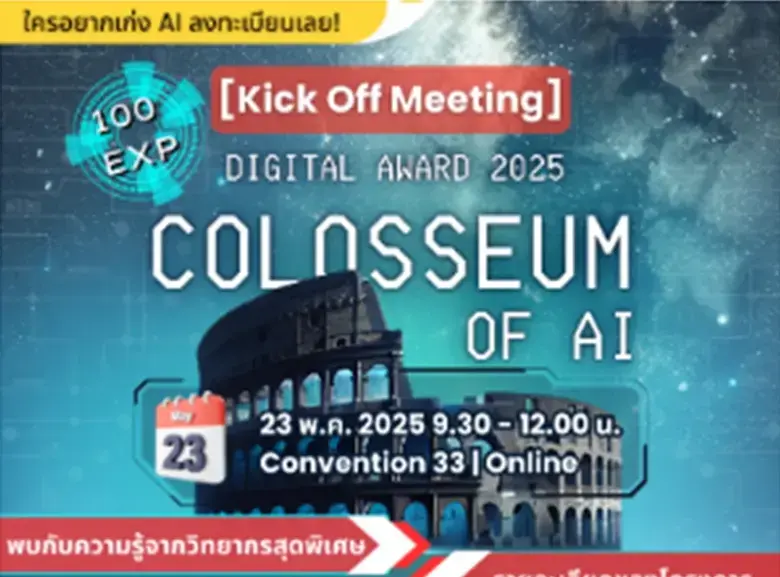
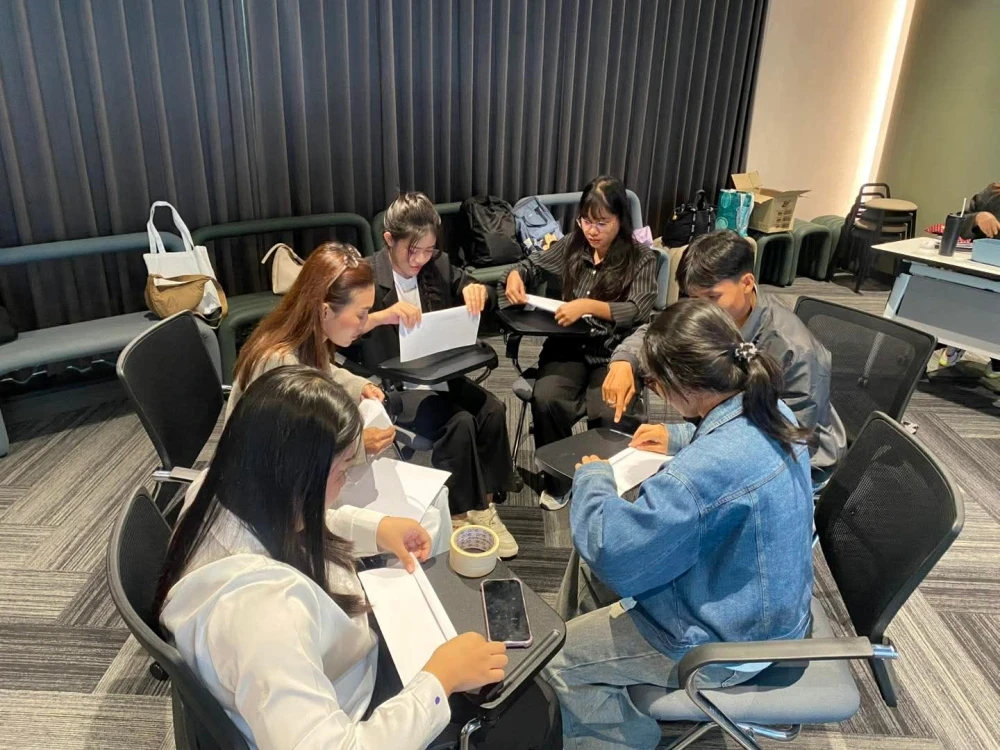
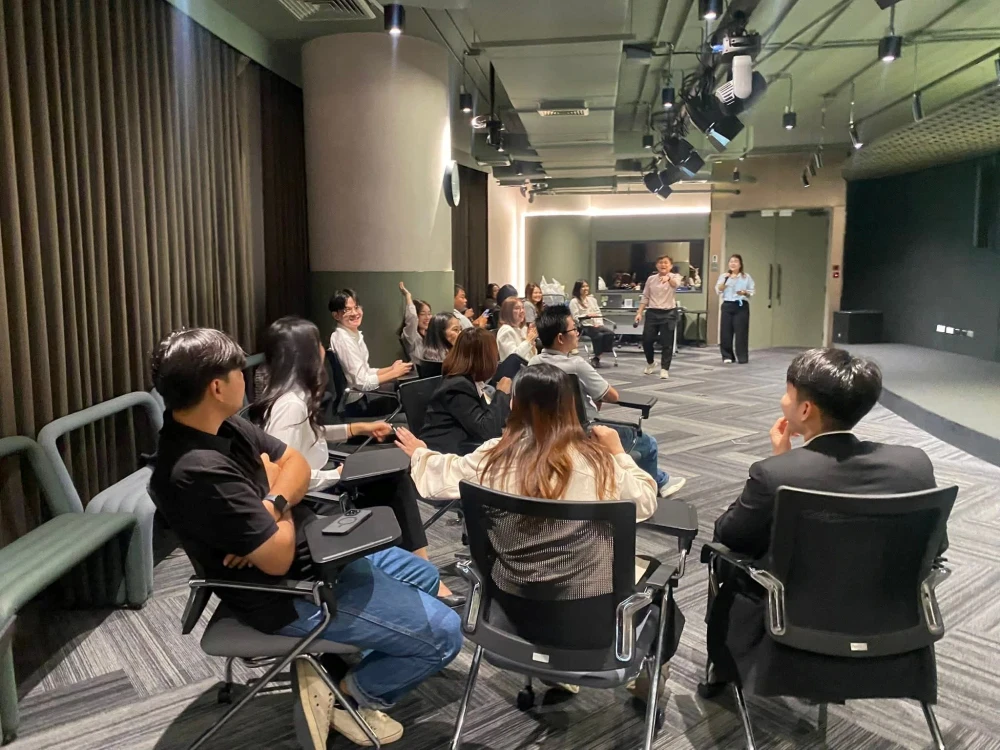
Employee Training Courses via Supalai University focus on courses that address competency gaps and developing essential current skills in areas such as Digital, Language, Finance, Health, etc. This serves as a channel to stimulate access to learning resources, enhancing employee skills and capabilities. Knowledge-sharing training activities are provided to boost various skills, and upon successful completion of activities, employees can track their skill development progress by earning EXP to level up. In 2025, there were approximately 151 such activities.
Online Training Courses via SkillLane This includes both Virtual training and platform-based training, with knowledge tests after training and certificates awarded to employees upon completion. There are over 478 courses covering all categories, with the Company mandating 3 compulsory courses, namely:
- Understanding PDPA in Practice: Personal Data Protection Law. A total of 323 employees attended the training.
- Fundamental of Corporate Sustainability and Sustainable Development. A total of 345 employees attended the training.
- Data Security & Privacy: Data Security Governance Strategy. A total of 253 employees attended the training.
Employee Training Courses via Supalai Skill This includes both Classroom Workshop training and system-based training, with knowledge tests after training and certificates awarded to employees upon completion. There are over 36 categorized courses, with the Company mandating one compulsory course for new employees, Supalai Orientation. A total of 224 employees attended this training.
On-the-job / Coaching Learning For new employees, the On-boarding course in the ESS system is mandatory. This is a blended learning approach, combining On-the-job Training and coaching from mentors or supervisors throughout the probationary period (119 days).
Ethics and Sustainability (ESG) Training All employees must receive at least one ESG training course per year, such as ESG knowledge, anti-corruption, Diversity & Inclusion, Climate Risk, Fundamental of Corporate Sustainability and Sustainable Development, Human Rights for Real Estate Business, etc. Courses are compiled and publicized to enable employees to further their learning.
External Training The Company sent 77 employees to train with various institutions to update new knowledge and develop essential operational skills, comprising 15 supervisors/executives and 62 operational staff. Post-training follow-up evaluations by supervisors showed that 100% of employees developed and applied the knowledge in their work.
High-Potential Employee Development (Talent Development)
Young Talent Program
The Human Resources Department selected new generation executives through the Young Talent program to ensure the organization does not lack leaders and can operate business smoothly, with new executives consistently replacing key positions. New leaders are selected based on their leadership potential and work performance, chosen from all functional lines within the Company. In the past year, 137 selected Young Talents have undergone continuous development for the third consecutive year to ensure they possess the necessary skills and knowledge. The selection and determination of who qualifies as a Young Talent each year will be decided by the executives functional lines and selection committee to ensure that these Young Talents can become capable leaders within the organization and are ready to lead the organization forward stably and sustainably.
| Project success evaluation | |
|---|---|
| Number of employees promoted to leadership positions | 28 people, or 20.44% of the 137 selected individuals |
| Development Period | 3 years |
| Benefits for Employees |
|
| Benefits for the Company |
|
Leadership & Succession Development
The Company has developed a new generation executive development program, which includes various development and learning activities within the company to enhance the knowledge and skills of new executives, enabling them to connect the work of each company unit. New executives act as both learners and instructors to foster peer-to-peer learning and prepare succession plans for key positions, including job shadowing to transfer knowledge and skills from experienced executives to new executives, ensuring an efficient transition.
DISC Training Course
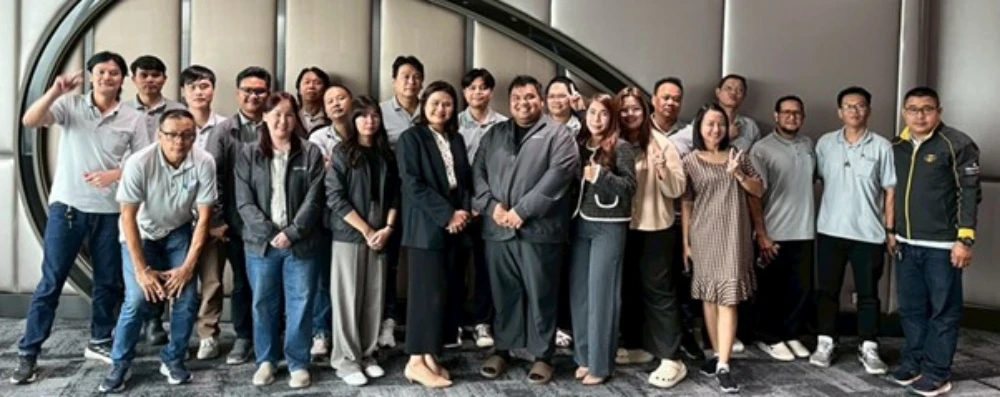
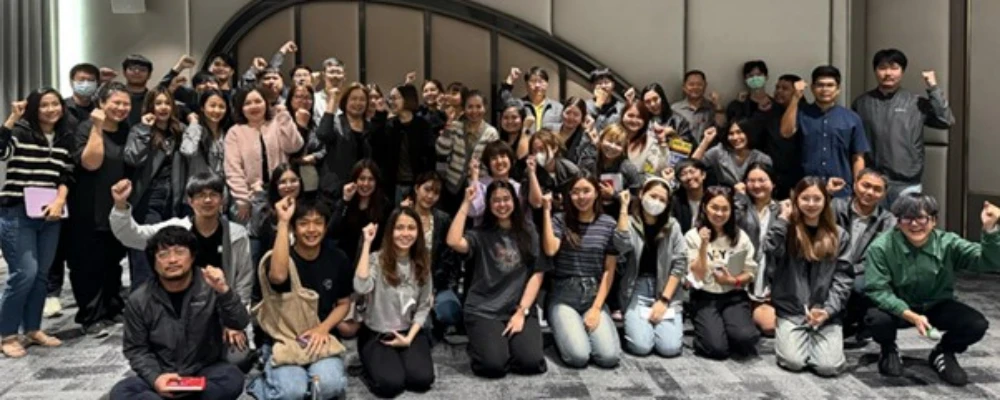
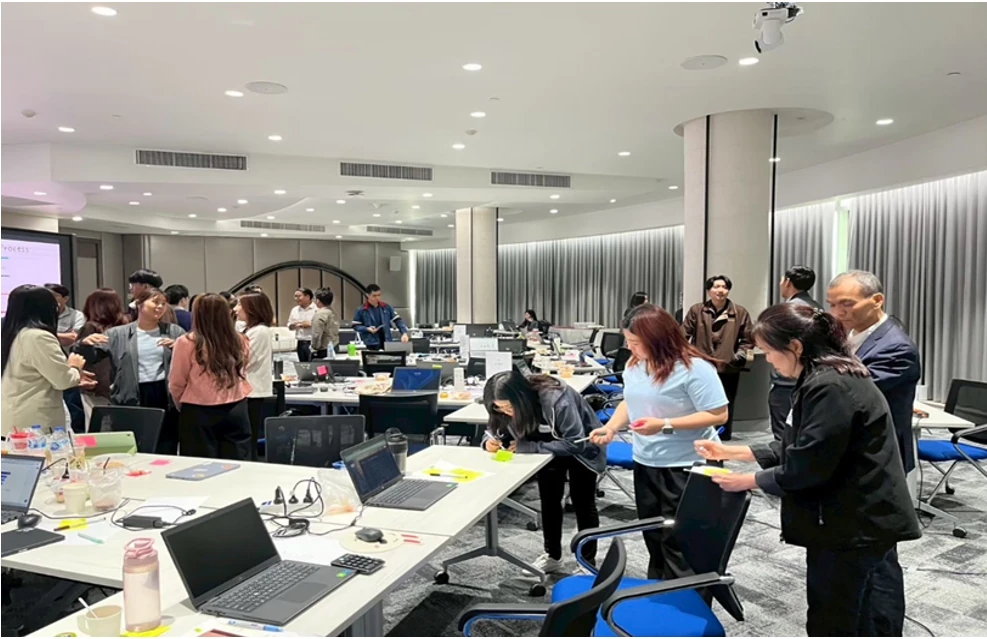
The Company recognizes that collaboration and adaptive communication skills are the foundation of success. Beyond hard skills training, the Company is committed to investing in behavioral and interpersonal interaction training. It offers DISC courses to provide all employees with tools to understand diverse work styles, resolve conflicts, and build high-performing teams. This training is part of a comprehensive personnel development strategy to ensure all employees can grow and reach their full potential in a diverse organization.
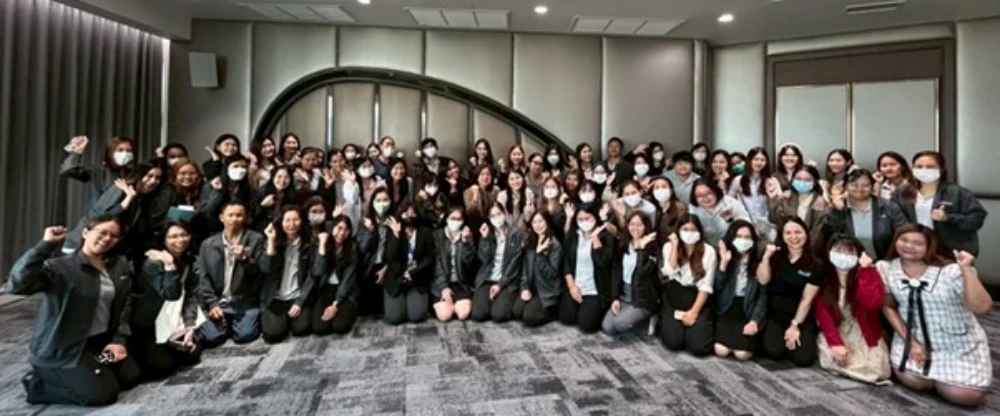
Personnel Development Monitoring and Evaluation
The Company has a systematic post-training follow-up process to ensure that personnel development yields results. This measures the application of knowledge in work or various projects, as well as behavioral changes consistent with development courses, such as the Coaching and Feedback course. The Company evaluates and monitors results to align employee development with operational strategies, as follows:
- Pre/Post Training Evaluation (Pre/Post Test).
- Application of skills in actual work through semi-annual performance evaluations.
- Competency Gap assessment and measurement to develop individual employees in both hard and soft skills, a total of 1,434 employees, representing 98%, participated in assessments and development to close competency gaps.
- Annual Inter-Departmental Work Evaluation which will help employees identify strengths and weaknesses in inter-departmental coordination, It also promotes a culture of continuous listening and development by encouraging 360-degree feedback at the organizational level, a total of 35 departments, representing 100% of all departments, have undergone inter-departmental work evaluations.
Summary of Personnel Development Evaluation and Follow-up for 2025
From the analysis of factors influencing knowledge application, it was found that most employees could remarkably apply knowledge to enhance work efficiency. The evaluation results reflect that 92.43% of employees were satisfied and concretely applied the knowledge to improve work quality. This not only helps employees gain increased skills and abilities but also serves as a crucial factor driving the organization to operate efficiently and achieve its set goals.
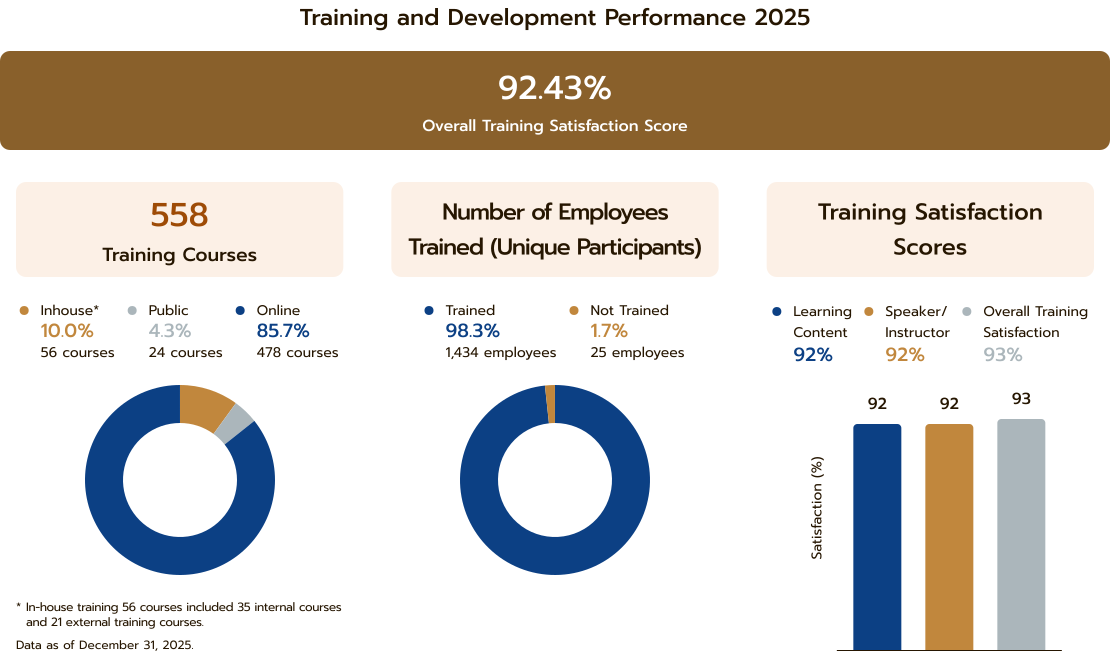
In 2025, the Company conducted employee development with a total of 35,061.12 training hours, or an average training hours per person per year, totaling 24.08 hours, which exceeds the 2026 target of 18 hours per person per year and represents a 17.12% increase from 2024. The investment value for training and employee skill development is 4,970,767 Baht, or 3,175 Baht per person per year.

Employee Engagement
The company conducts an annual employee engagement survey with the objective of fostering employee commitment to the organization and serving as a crucial channel for gathering feedback and needs from all employees within the company. The results are then used to improve organizational development policies in line with employee needs at three levels, as follows:
- Organizational Policy Level
- Departmental Level
- Communication and Awareness Level
Goals and Commitments The ultimate goal of all activities is to enhance employee satisfaction and engagement, enabling personnel to work happily. This leads to a reduction in the turnover rate and increased efficiency in driving the organization to achieve its objectives sustainably
Employee Engagement Survey Results
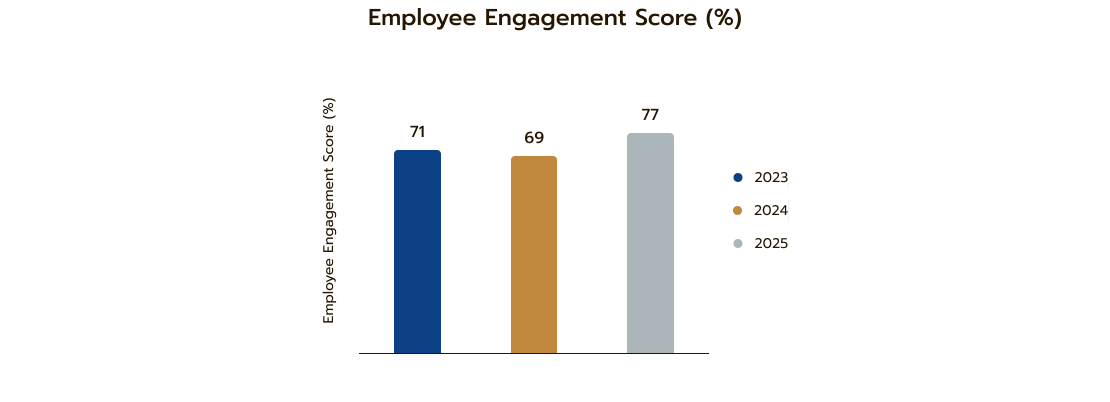
The employee engagement score for 2025 is 77%, which is higher than the target of 75%. The issue identified from the lowest-scoring assessment topic, or the issue causing employee dissatisfaction or concern, is "Career Opportunity," with an assessment score of 77%. The company has addressed this issue by implementing the "Talents & Successors" project to systematically develop high-potential employees and promote them to critical vacant positions within the organization. The results of the employee engagement survey have been communicated to employees through online channels, including the company's Line group, e-mail, and public notice boards, and will be presented to senior management and the Board of Directors, respectively.
Furthermore, the company emphasizes transparency by thoroughly communicating survey results and improvement guidelines to employees through key activities such as the annual New Year's party and the company's annual performance review and planning meetings.
| Terminated Employees | 2023 | 2024 | 2025 | |||
|---|---|---|---|---|---|---|
| Number (persons) | Proportion (%) | Number (persons) | Number (persons) | Proportion (%) | Number (persons) | |
| Voluntary Employee Turnover Rate | 158 | 10.98 | 152 | 10.24 | 139 | 9.53 |
|
75 | 5.21 | 54 | 3.64 | 58 | 3.98 |
|
83 | 5.77 | 98 | 6.60 | 81 | 5.55 |
| Proportion compared to Industry Average (Sector Average) | N/A | N/A | 10.89: 14 | |||