Resource Utilization Overview


Supporting the Sustainable Development Goals (SDGs)


Performance

Commitment, Challenge and Opportunity
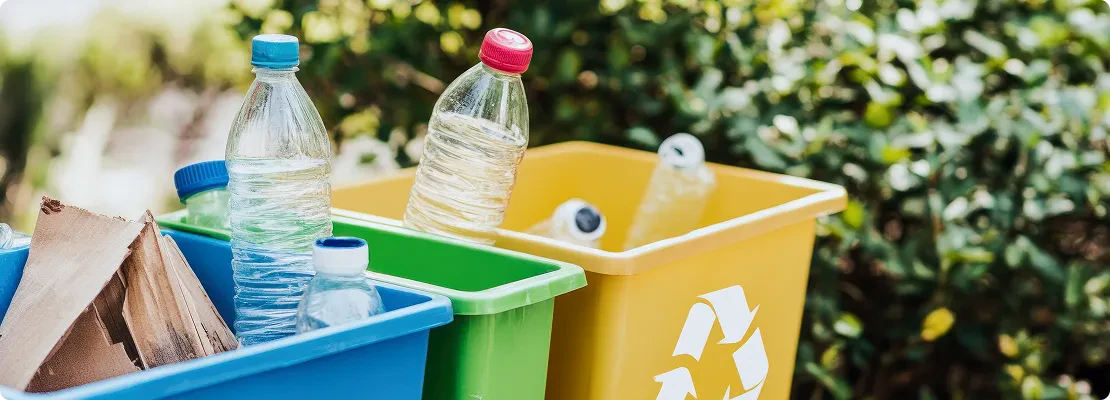
The Company focuses on transforming resource challenges into opportunities for sustainability. Recognizing the risks from rising energy costs, water scarcity, and stricter environmental regulations, the Company integrates resource and waste management policies into its operational strategies through the selection of high-quality, environmentally friendly construction materials and the adoption of smart technologies to enhance energy management efficiency and reduce greenhouse gas emissions. Despite facing challenges in investment capital and personnel behavior change, the Company sees significant opportunities to elevate to Green Building standards and expand resource circularity innovations, such as reusing condensate water from air conditioning systems, which will help reduce long-term operating costs and create a competitive advantage that meets the needs of modern consumers.
In terms of waste and pollution management, the Company manages risks related to community and ecosystem impacts using circular economy principles Reduce, Reuse, Recycle and stringent air quality control measures in all construction projects to reduce particulate matter pollution and preserve biodiversity. The transition from legal compliance to proactive innovation, such as smart wastewater treatment systems and real-time air quality monitoring, not only helps mitigate negative environmental impacts but also presents an opportunity to create social value (CSV), elevate the organization's image as a leader in sustainable real estate, and concretely drive the organization towards its Net Zero goals.
Governance Structure
The Company has a governance structure related to environmental matters and efficient resource utilization to ensure continuous policy compliance and operational effectiveness. This includes regular review and improvement of guidelines, with all levels of employees mandated to strictly adhere to them, under the supervision of key stakeholders as follows:
Board of Directors is responsible for overseeing and approving policies, setting strategic directions, and annually reviewing the effectiveness of environmental management systems and efficient resource utilization.
Sustainability Committee comprising the management committee and representatives from the sustainability working group, is responsible for developing policies and strategies, overseeing, and regularly monitoring environmental performance and efficient resource utilization to align with organizational goals and direction.
Sustainability Working Group comprising representatives and department heads, is responsible for overseeing, monitoring, reporting, and establishing environmental and efficient resource utilization guidelines in accordance with laws and the Company's policies. Monthly meetings are held to communicate policies, discuss with key internal and external stakeholders, share perspectives or initiatives for improving environmental management systems and efficient resource utilization, and promote cooperation and awareness among employees, contractors, partners, regulatory bodies, and other relevant stakeholders.


Strategies and Management Approaches
Policy and Commitment

Environmental Policy and Guidelines
Supalai Public Company Limited and its subsidiaries are committed to becoming a business leader through innovation and sustainable development. Recognizing that effective environmental management is a crucial factor driving long-term business growth, the company has established an environmental policy to serve as a framework for effective operations in line with international standards. This policy covers business operations throughout the value chain, from procuring environmentally friendly materials, developing and delivering products, marketing and sales, after-sales services, supply chain management, to waste management. It aims to reduce environmental impacts, promote efficient resource utilization, conserve biodiversity, and manage climate change in alignment with the company's greenhouse gas emission reduction targets.
The Company integrates an environmental management system as part of its business operations, emphasizing the assessment of material issues. The Company conducts a "Double Materiality Assessment," covering both the impact of business activities on the environment (Impact Materiality) and environmental risks/opportunities that may affect financial position, cash flow, and enterprise value (Financial Materiality), in accordance with ESRS, IFRS S1, and TNFD guidelines. This is reviewed and reported to the Board of Directors annually to ensure that environmental management is genuinely linked to business strategy.
Concurrently, the Company is committed to continuous development and evaluation. The results of these materiality assessments are used to define concrete strategies, targets, and environmental and climate indicators, as well as to promote knowledge and awareness among employees, customers, partners, and stakeholders, to embed environmental operations as a sustainable part of the organizational values.
Environmental Policies and Guidelines

Efficient Resource Utilization and Environmental Conservation
The Company recognizes the importance of conserving natural resources, which are continuously declining. Therefore, it aims to instill a sense of value in resource utilization among all employees to achieve maximum resource efficiency, foster sustainable behavior, and apply it in daily life, which will lead to positive long-term impacts on society and the environment. It also promotes valuable resource utilization through communication and activities under the 3Rs concept (Reduce, Reuse, Recycle) to enhance resource efficiency, reduce waste, minimize pollution, and decrease greenhouse gas emissions. Furthermore, it supports the design, research, and development of products that consider energy and environmental conservation, including the application of the polluter pays principle in accordance with environmental governance.
The Company has established policies and guidelines for efficient resource utilization, covering energy, water, office supplies, transportation, and waste management, to ensure that all directors, executives, and employees, including subsidiaries, operate in a tangible and unified manner.
Policy on Efficient use of Resources

Resource and Waste Management
The Company recognizes the importance of sustainable business operations, considering environmental and social impacts. Efficient resource and waste management is therefore an integral part of good corporate governance. A policy for resource and waste management has been established to serve as a framework for overseeing resource utilization, waste management, and pollution from business operations in an efficient, transparent, and auditable manner, aiming to enhance understanding and participation among personnel at all levels.
This policy covers inbound material management, waste management, pollution management, water management, and support for research and development to reduce environmental impacts throughout the value chain. It also includes data collection, target setting, and performance monitoring in accordance with GRI Standards (Global Reporting Initiative) for sustainability reporting, specifically GRI 103: Energy 2025,GRI 302: Energy 2016, GRI 303: Water and Effluent, GRI 305: Emissions, and GRI 306: Waste. Operations under this policy enable the Company to utilize resources efficiently, reduce environmental impacts, and enhance long-term business sustainability.
Policy on Resource and Waste Management
Strategies and Management Approaches

Certification of Quality Management System According to International Standards
The Company is committed to conducting business with environmental conservation in mind, through systematic and integrated efficient resource management. This encompasses establishing operational frameworks according to international standards, environmental impact assessment, risk management, as well as continuous monitoring and improvement. The Company has defined an environmental management framework and efficient resource management that aligns with internationally recognized standards, covering the entire organization, including subsidiaries, partners, and contractors under the Company's control. The Company's environmental management guidelines comply with relevant national and international laws, regulations, and standards.
The Company has been certified according to the international standard ISO 14064-1:2018, which is an international standard for the measurement, quantification, reporting, and verification of Carbon Footprint of Organization (CFO). Furthermore, the Company has also been certified for its quality management system according to the international standard ISO 9001 since 2002 until the present, covering planning, design, construction, sales, and after-sales services for both low rise projects and high rise projects. This commitment aims to continuously improve work systems, establish standards that reduce environmental impact, and utilize resources with maximum efficiency. All of this is to create satisfaction and meet the needs and expectations of the Company's customers and stakeholders. Additionally, the Company adheres to the principles of environmental management (ISO 14001:2015), which serves as a guideline for supervising and enhancing environmental performance, and is currently preparing to assess, improve, and prepare in various aspects in the next phase.
Quality Policy

Environmental Impact Assessment According to Legal Requirements
The Low Rise Projects and High Rise Projects conduct comprehensive environmental impact studies and assessments, considering potential impacts on natural resources, economy, society, and community health. This is to establish guidelines for preventing and mitigating project impacts, as well as to develop measures for environmental impact prevention and remediation, monitoring measures, and environmental action plans during the construction and operational phases. The Company has prepared Environmental Impact Assessment (EIA) reports as required by law for eligible projects, and also prepared Initial Environmental Examination (IEE) reports. Furthermore, the Company continuously implements measures to prevent, mitigate, reduce, monitor, and inspect environmental quality, such as annual water quality testing.

Risk Management, Assessment, and Environmental Performance Enhancement
The Company continuously monitors and analyzes environmental performance, covering the development and improvement of environmental indicator databases to be clear, complete, consistent, and standardized across all construction projects and the head office. Strategic goals and success indicators are also set at the project and organizational levels to guide efficient planning and operations, emphasizing the reduction of environmental impacts and the most valuable and efficient use of natural resources. The Company regularly reviews its performance and implements continuous process improvements.
Stakeholders Directly Impacted

Customers
Positive Impacts
- Receive good air quality within buildings and residential areas, ,better health and quality of life, and gain confidence in the project standards.
Expected Impacts / Risks
- If management measures are insufficient, they may face dust and indoor pollution problems, affecting their health and satisfaction.

Employees
Positive Impacts
- Work in an environment with good air quality, reducing the risk of pollution-related illnesses and boosting work morale.
Expected Impacts / Risks
- They may be affected by working near dust sources if management is inadequate, such as construction sites or offices where the ventilation system is not sufficiently effective.

Suppliers / Retailers
Positive Impacts
- Receive clear environmental standards and practices, increasing opportunities to collaborate with responsible organizations.
Expected Impacts / Risks
- The costs and burden of complying with dust and pollution control measures may increase if there is no technical support from the Company.

Shareholders / Investors
Positive Impacts
- Gain confidence that the Company manages environmental risks appropriately, enhancing the organization’s image and credibility.
Expected Impacts / Risks
- If management is inadequate, it may lead to complaints, government inspections, or reputational damage, which could affect investment returns.

Community / Society
Positive Impacts
- Receive cleaner air, reducing the impact of dust and air pollution generated from construction projects or operations.
Expected Impacts / Risks
- If dust and pollution control is insufficient, complaints, dissatisfaction and conflict with the Company may arise.

Government Agencies
Positive Impacts
- Receive cooperation in complying with environmental laws and regulations, with the Company serving as a positive example in the business sector.
Expected Impacts / Risks
- If there is non-compliance, legal action, fines, or stricter inspections may occur.