Waste and Waste Disposal Management


Supporting the Sustainable Development Goals (SDGs)


Goals and Performance Highlights




Strategies and Management Approaches
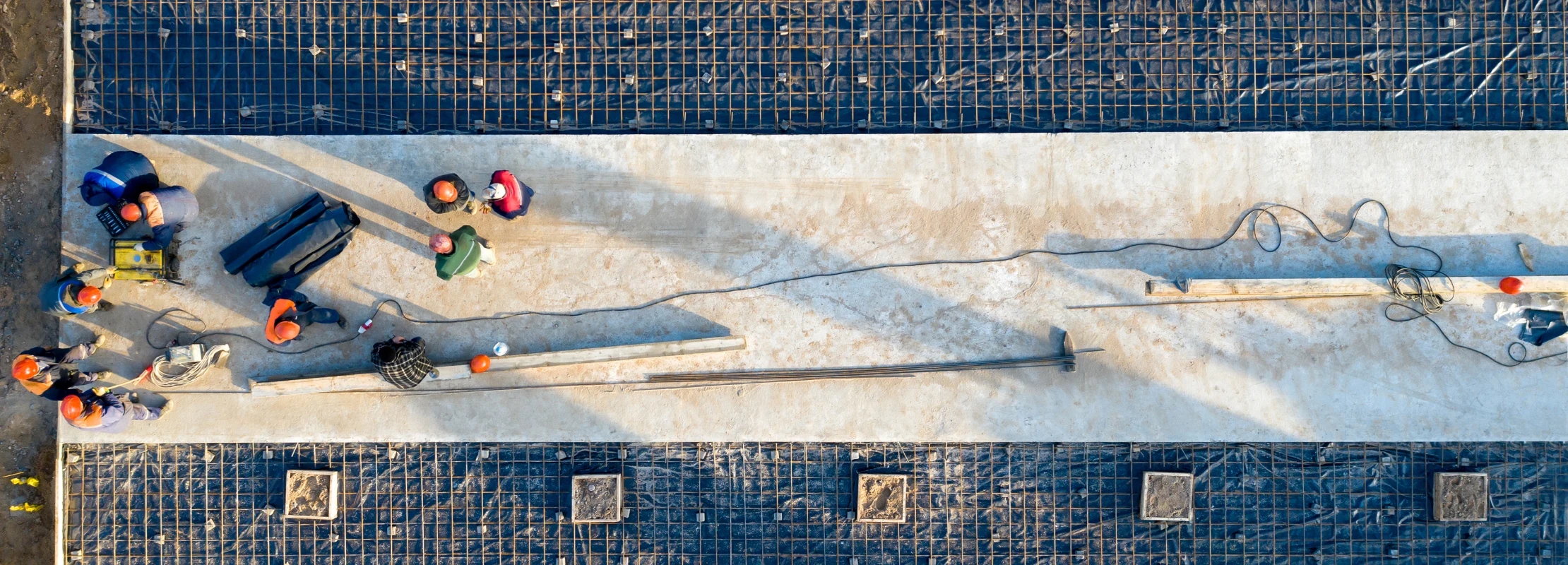
The Company is a member of the Circular Economy in Construction Industry (CECI) in Thailand and has applied the concept of Circular Economy in its operational processes. This involves focusing on waste design and management to promote the most efficient use of resources, including reuse, recycling back into production processes, and reducing pollution, in line with the 3Rs principles (Reduce–Reuse–Recycle) and the Supalai Self-Proved design concept. The Company is committed to continuously implementing these practices, especially in environmental aspects, where it operates diligently at every step to reduce waste volume through innovative construction and good management planning. This aims to minimize resource loss, reduce waste volume, and mitigate long-term environmental impacts. The Company has adopted circular economy principles in its planning and operational processes, such as increasing the proportion of renewable energy from renewable sources, reducing the use of new raw materials, extending the lifespan of equipment, repurposing waste, and exploring collaborative approaches for efficient resource utilization.
Stakeholders Directly Impacted

Customers
Positive Impacts
- Receive environmentally friendly products and services, using materials and packaging that help reduce waste.
Expected Impacts / Risks
- If waste is not managed properly, it may affect confidence in product quality and the Company’s image.

Employees
Positive Impacts
- Gain knowledge and foster awareness in waste management, creating a clean and safe working environment.
Expected Impacts / Risks
- If there is no proper management, health problems and safety risks in the workplace may arise.

Suppliers / Retailers
Positive Impacts
- Gain opportunities to participate in developing a sustainable supply chain, such as using recyclable materials.
Expected Impacts / Risks
- If the Company does not set clear standards, suppliers may have to bear additional burdens in waste management.

Shareholders / Investors
Positive Impacts
- Receive positive outcomes from the Company’s environmentally conscious image, which helps enhance credibility and support sustainable investment.
Expected Impacts / Risks
- If waste management is not managed in accordance with the law, financial and reputational risks for the Company may arise.

Community / Society
Positive Impacts
- Benefit from a clean environment and reduced impacts from construction waste and business operations.
Expected Impacts / Risks
- If waste is not properly managed, it may affect health, quality of life, and the environment in the area.

Government Agencies
Positive Impacts
- Receive cooperation from the Company in complying with environmental laws, standards, and policies.
Expected Impacts / Risks
- If the Company fails to comply, it may face legal penalties and damage its relationship with government authorities.
Performance Results
Waste Management in Construction Projects
Project Supalai Self-Proved
The Company is implementing the "Supalai Self-Proved" project for its third year, innovating to reduce waste and waste materials by maximizing the reuse of construction waste and circular resources through the construction process. The main objectives are:
- To manage construction waste through various processes such as recycling, reuse, etc.
- To reduce the amount of waste sent to landfills
- To help reduce costs associated with construction waste disposal
- To minimize impacts on society and the external environment of the organization
- Innovation Development and Business Partnerships
In 2025, 5 high-rise construction projects will be implemented, incorporating eco-friendly construction concepts at the project sites. This includes waste and waste materials management processes from source to landfill, as well as promoting collaboration among stakeholders throughout the supply chain to foster knowledge and understanding of waste management processes, collection, segregation, and recycling, thereby promoting operational sustainability in accordance with Circular Economy principles, as follows:
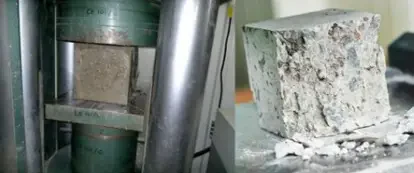
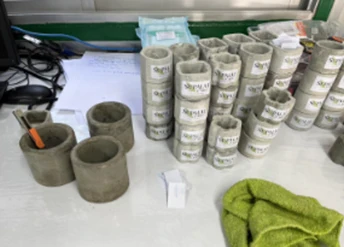
1. Reducing waste at the source by changing the size of concrete cube molds, which helps reduce the amount of concrete needed for testing and decreases concrete waste by up to 70%
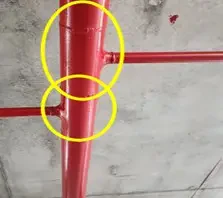
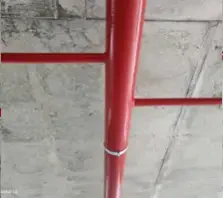
2. PIPE FITTING Innovation: Inventing and developing an innovative method for installing steel fire pipes, moving away from the traditional method that required numerous joints and metal welding at every connection point. This new technique involves connecting pipes without using joints. This method not only increases work efficiency but also reduces resource consumption, such as welding wire, and decreases pollution generated from the metal welding process. Currently, this innovation has been further applied to three additional projects: Supalai Sense Srinakarin, Supalai Blu Sathorn Ratchaphruek, and Supalai Tyme Charoen Nakhon.
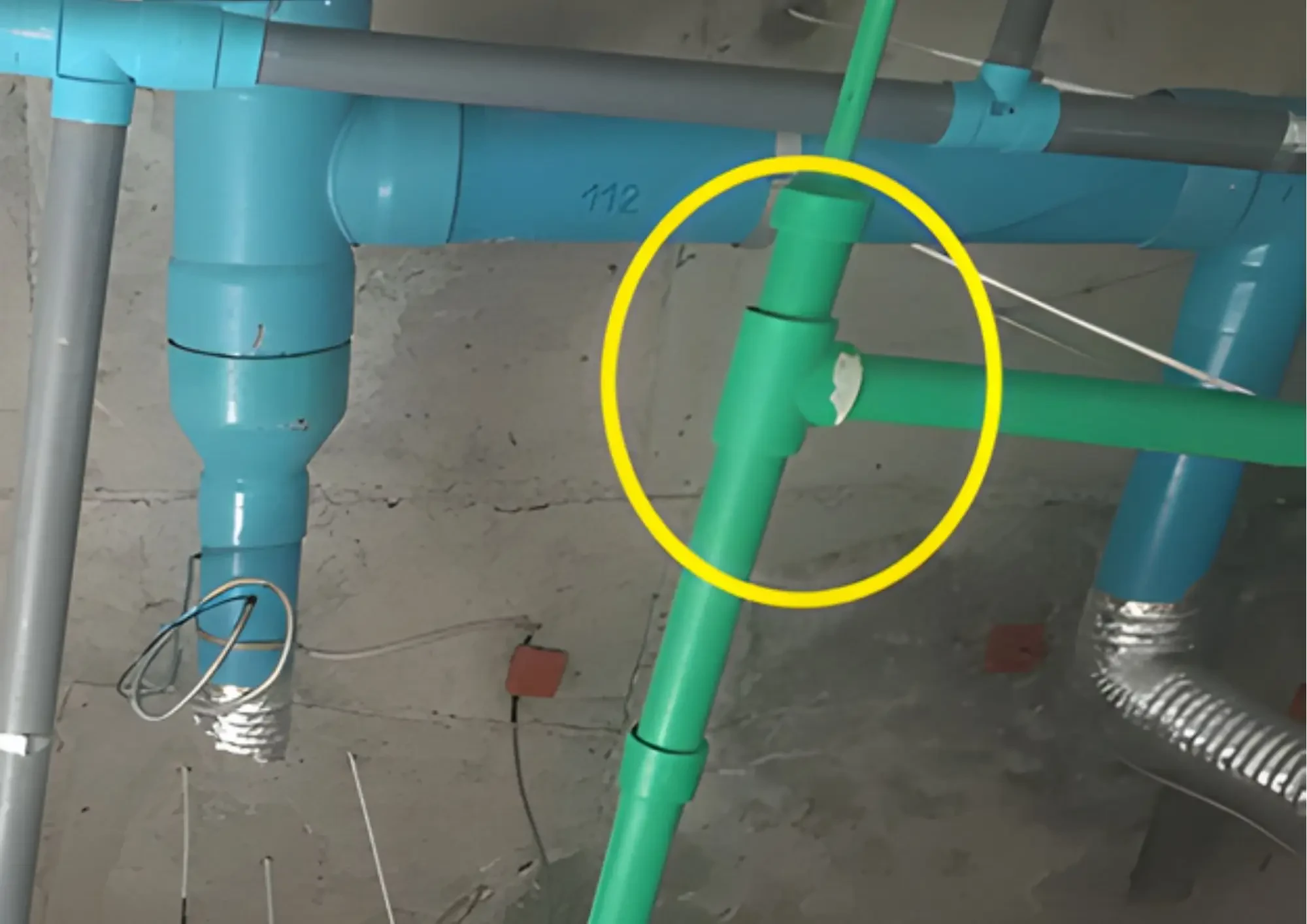
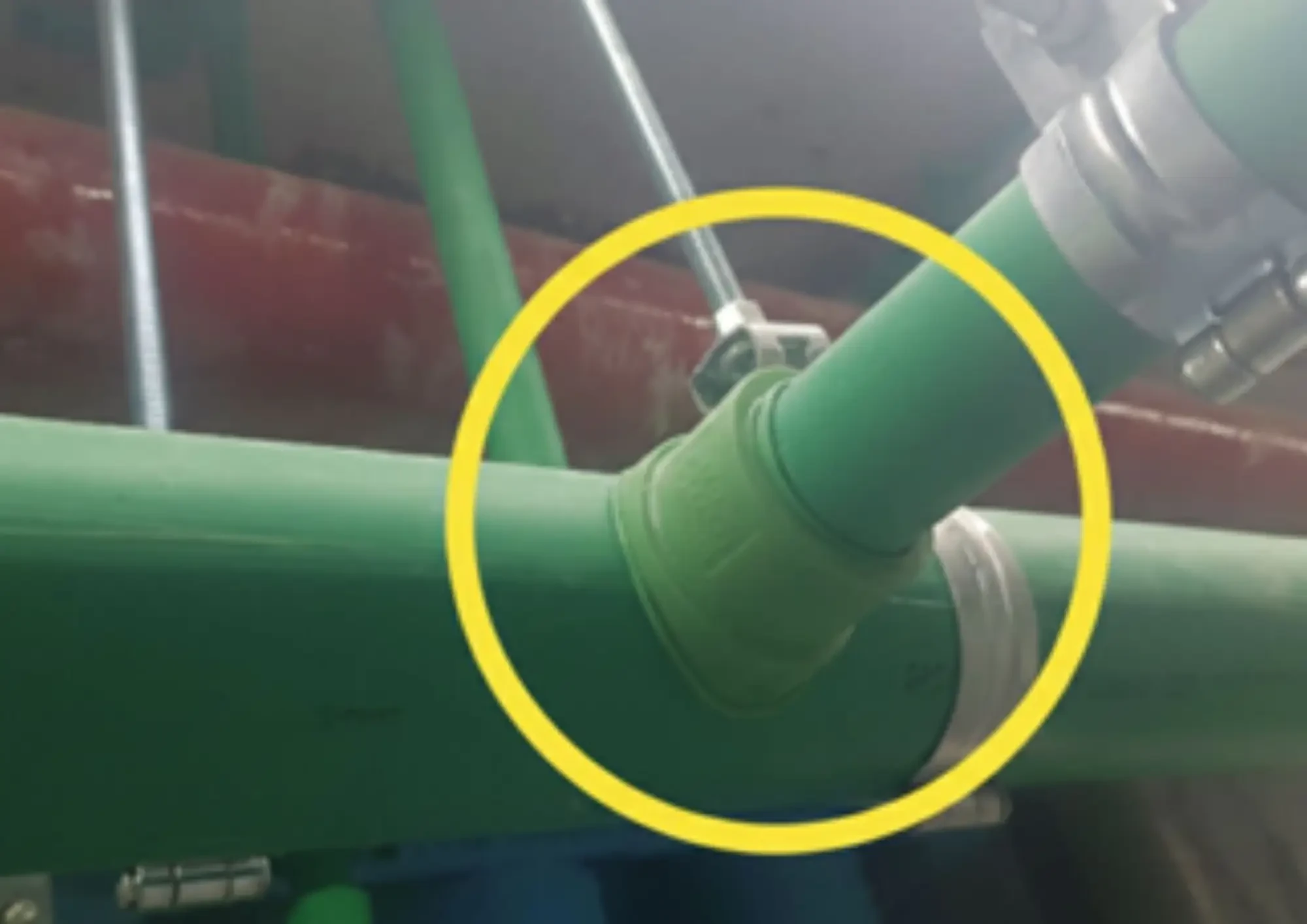
3. Use of saddle clamps for PPR (Polypropylene Random Copolymer) pipe connections by Using saddle clamps instead of tee joints to reduce pipe connections PPR, also reducing the chance of leaks and saving working time.
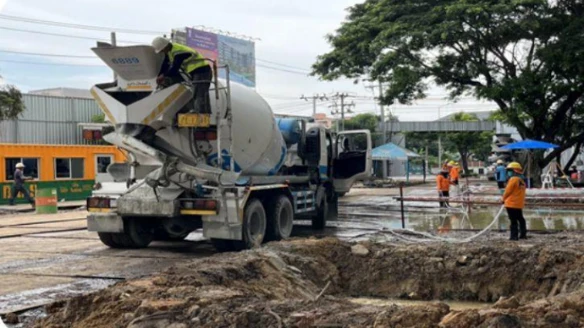
1. Creating a road subbase layer from concrete waste
Transforming concrete waste from construction into valuable materials by utilizing concrete scraps from three main sources: concrete waste from flushing sediment from drilled pile holes, concrete waste from cleaning concrete mixer trucks, and scraps from concrete cubes and slump test work, which often contain soil mixtures. All resulting waste is adapted into "Soil Cement" to form a reinforced subbase layer and protect the subgrade of road works. This technique not only reduces waste volume but also lowers the cost of purchasing crushed rock and decreases the number of trips required to transport waste off-site. Furthermore, it strengthens the soil in the area, reducing problems of road cracking due to soil subsidence.
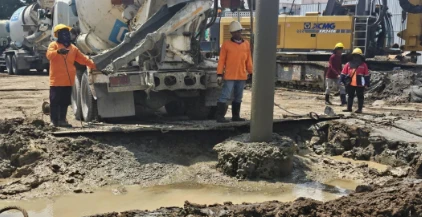
2. Pouring concrete to flush out sediment from the bottom of drilled pile holes
During drilled piling, concrete is poured to overflow from the steel casing to flush out sediment and soil remaining at the bottom of the hole, preventing it from mixing with the main concrete body of the pile. This technique thus reduces the amount of concrete waste that needs to be transported off-site by up to 120 cubic meters, equivalent to 8 truckloads for off-site disposal.
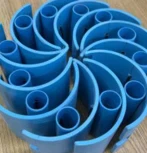
3. PVC pipe scrap management process
PVC pipe scraps are often generated in large quantities from cutting pipes to the required sizes in plumbing and sanitary systems. These short pipe scraps are often considered valueless waste that must be landfilled or disposed of. To elevate waste management according to Circular Economy principles, the project has adopted the concept of Repurpose, applying it to various sizes. All sizes of pipe scraps, whether small or large, can be reused by adapting them into equipment for other tasks as appropriate for the worksite. This reduces the import of new materials and minimizes waste generation from the source, for example, by using pipe scraps to make sleeves for phones or other devices, thereby transforming waste materials into functional support equipment.
4. Reusing plastic pallets in transportation and construction processes
Plastic pallets are used to replace wooden pallets in material transportation, serving as supports for materials throughout the project, such as lightweight bricks, floor tiles, wall tiles, and other construction materials. This allows for multiple reuses. Additionally, plastic pallets are used as primary material supports for the entire project, covering both architectural and structural works, leading to an efficient material management system. Once materials on a pallet are used up, the pallet is stored and immediately returned for new materials. As of 2025, this has been implemented in 10 projects.
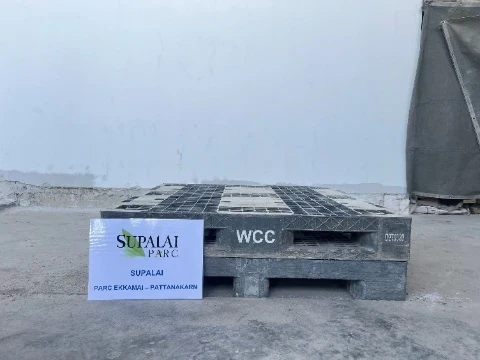
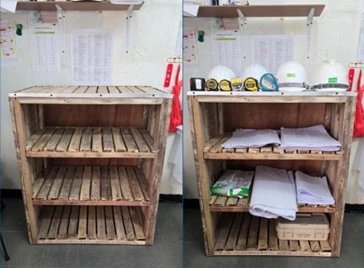
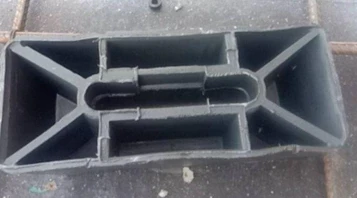
For construction materials whose packaging cannot yet be switched from wooden pallets to plastic pallets, the Company has repurposed wooden pallets into multi-purpose trays to extend their lifespan and maximize the utility of waste materials
1. Reprocessing concrete waste into new products
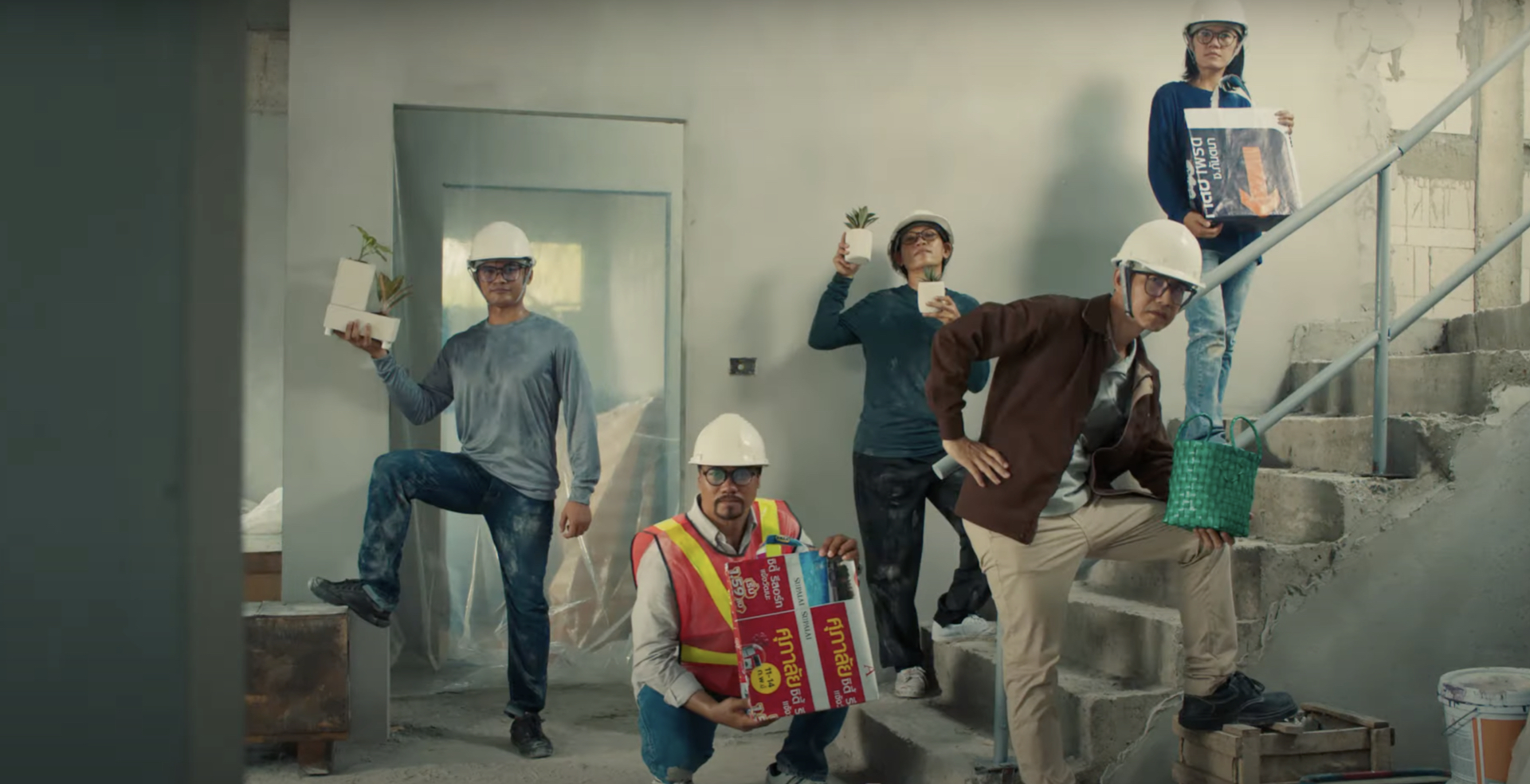
In addition to using concrete waste for temporary roads to reduce waste disposal from testing processes, the Company has repurposed excess concrete from compression strength test samples into new functional and decorative products. These are utilized and distributed to internal and external communities, such as plant pots, office supply boxes, and paving slabs for public works.
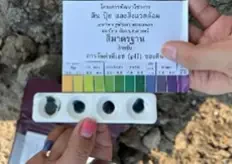
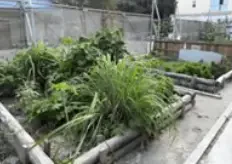
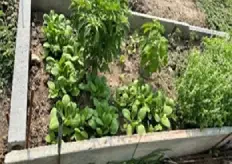
Small brick scraps that cannot be made into products are processed through crushing to be used as a component in potting soil. Due to their lightweight and high porosity, when mixed with soil, lightweight bricks help improve soil structure, making it airy, loose, and well-draining. pH measurements of the soil have shown it to be more suitable for cultivation.
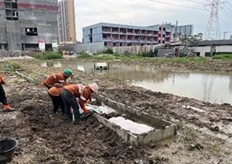
1. Management of excess soil from condominium construction projects
The Company manages excess soil from high rise projects by utilizing it in low rise projects to reduce waste volume, minimize the need for soil disposal, and promote efficient resource circulation. This helps reduce the need to source soil from external suppliers for nearby low rise projects, decreases transportation, saves costs, and reduces pollution from fuel for long-distance transportation. It also represents sustainable excess soil management and efficient resource utilization, reducing environmental impact.
2. Management of drilled pile head waste
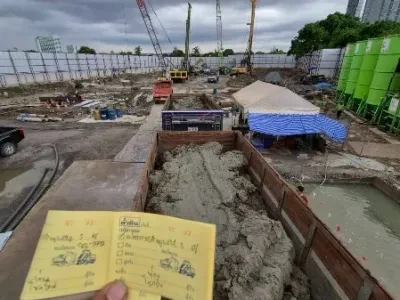
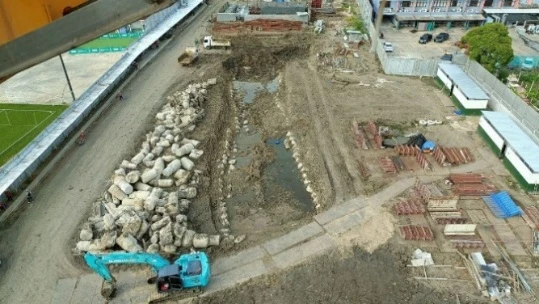
In the condominium construction process, the drilled piling stage generates excess concrete waste (pile heads) that is extracted, crushed, and transported off-site, representing both a loss of resources and increased management costs. The project therefore developed the "Life of Pile" innovation, transforming pile head waste into valuable material. This was tested by arranging all pile head scraps to form a retaining wall around Victoria Pond, replacing the need to construct an entirely new retaining wall. This also reduced the work process from the original 57 days for crushing, transporting, and rebuilding. Through this innovative use of circular resources in the project, the work time was reduced to 26 days. Furthermore, it reduced waste management costs and the construction of retaining walls using the traditional system, which would have cost approximately 2 million baht, to only hundreds of thousands of baht. This resulted in efficient waste management, reduced pollution from transportation, and decreased the amount of waste sent to landfills.
1. Waste management in construction projects
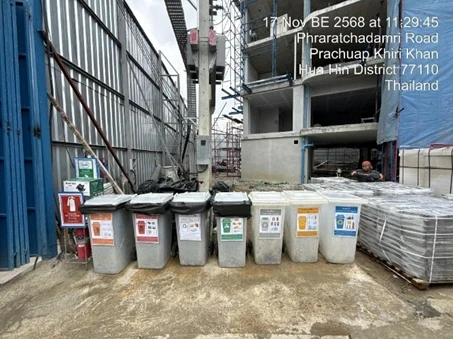
The Company systematically manages waste within the project, with designated waste bins for each waste type, totaling 8 bins with labels clearly defined waste types to support proper waste segregation and management behavior for employees, workers, and contractors. Each waste bin type includes food waste, plastic, plastic bottle caps, glass bottles, foam, paper, cans, and hazardous waste. This enhances waste management efficiency, reduces waste contamination, and promotes greater utilization of waste.
2. Segregation of construction material waste
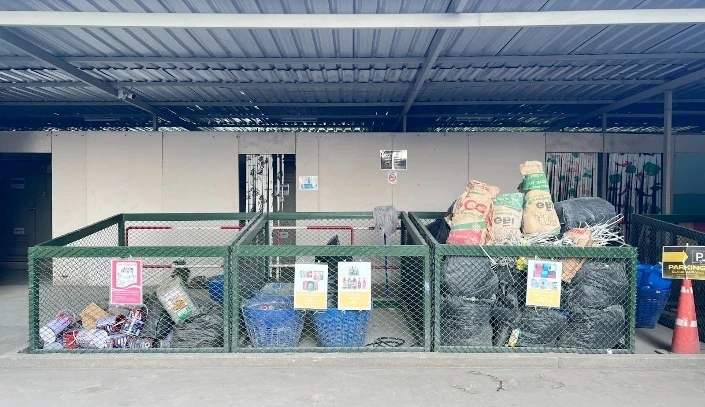
The Company prioritizes the segregation of construction material waste generated from construction work, aiming to minimize waste sent to landfills. This is achieved through systematic segregation by type, categorizing materials that can be reused, materials that can be recycled (e.g., scrap metal, formwork, PVC pipes, and various packaging), and construction materials that cannot be reprocessed within the project, such as those used to produce alternative fuels, which are then sent to certified buyers or disposal companies for appropriate management.
3. Food waste management
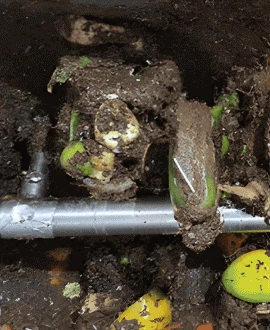
The Company encourages employees and construction workers to digest and compost food waste from construction sites and worker camps into fertilizer to reduce the amount of waste that needs to be disposed of outside the project. This is done by adapting used paint buckets from within the project into food waste composting bins. This process yields compost used to nourish and improve soil quality within the project area, which also supports a space for growing vegetables for the workers.
The Company manages hazardous waste with Terms of Reference (TOR) to serve as guidelines for social and environmental contractors throughout the construction supply chain, aiming to reduce risks and negative impacts on environment. There is a proper hazardous waste management plan, including items like thinner cans, silicone tubes, and the use of PVC to replace foam for filling anchorage heads. This reduces the use of foam materials and pollution generated from melting foam with gasoline. Furthermore, these materials can be reused in subsequent work, and this has already been implemented in 3 condominium construction projects.
In 2025, the amount of hazardous waste was 343.50 kilograms.
Summary of waste statistics
| Waste and garbage volume for 5 projects | Unit | 2023 | 2024 | 2025 |
|---|---|---|---|---|
| Amount of non-hazardous waste and garbage from construction work | Ton | N/A | N/A | 1,397.995 |
| Amount of hazardous waste and garbage construction work | Ton | N/A | N/A | 0.34 |
| Amount of waste and garbage reused / recycled in the construction process | Ton | N/A | N/A | 941.765 |
| Proportion of recycled waste and garbage to total construction area used in the production process | % | N/A | N/A | 30 |
1. Gypsum board waste management in collaboration with TOA Paint (Thailand) Co., Ltd.
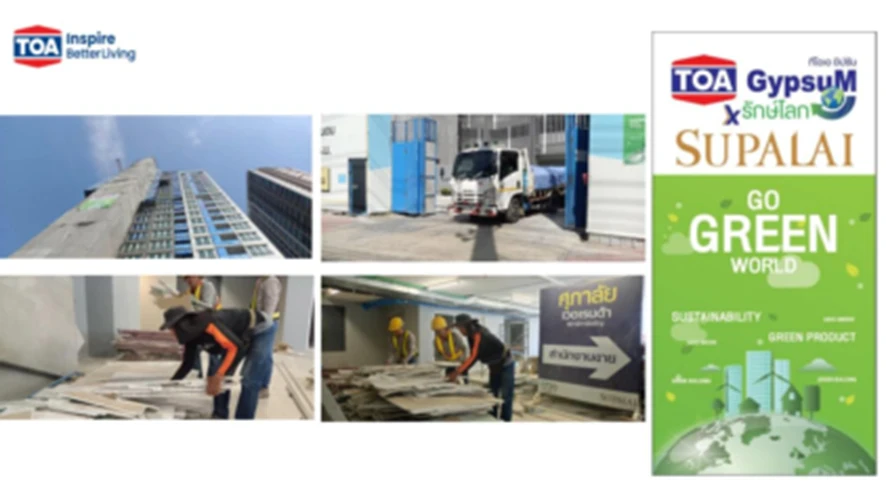
The project manages gypsum board waste through two main strategies in collaboration with its partner, TOA Paint (Thailand) Public Company Limited, 1) Waste Reduction by ordering custom-sized gypsum boards to fit actual usage areas instead of standard sizes, coupled with 2) Recycling by segregating waste materials from the construction site and returning them to the factory to minimize gypsum board waste. This reduces the amount of gypsum board waste, allowing it to be reused. It addresses the problem of gypsum, which is a construction waste with a high volume of up to 3,950 kg, helping to reduce waste materials by 37.5%. It also reduces joints and working time by 20%, enabling the circulation of over 15.14 tons of material. This is considered an environmental impact reduction and an increase in economic efficiency by lowering material and time costs, and fostering social and environmental responsibility collaboration for sustainable, eco-friendly business operations.
2. Waste Bank Project: Waste management in collaboration with contractors and construction workers
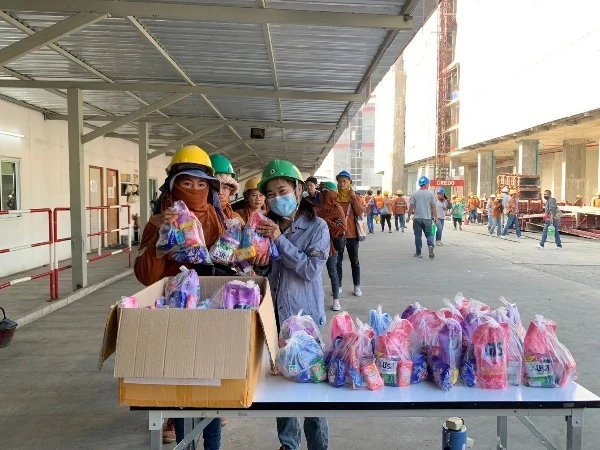
The Company recognized the problem of waste accumulation in construction projects, which not only pollutes the environment but also affects cleanliness, orderliness, and incurs transportation costs. Therefore, the "Waste Bank" project was initiated, focusing on reducing construction material loss and creating a waste management system that can add value to waste materials. A key feature of this project is exchanging waste for food ingredients to incentivize construction workers to voluntarily participate in waste segregation. This includes establishing waste segregation points. clearly defined types, including glass bottles, plastic bottles, cans, and construction waste (e.g., cement bags, lightweight brick scraps, cardboard boxes). Workers who dispose of waste according to the specified types receive a stamp on a loyalty card. Cement sacks are used as standard containers for waste to be exchanged for items based on accumulated points, such as rice, instant noodles, canned fish, cooking oil, etc. This helps reduce living expenses and boosts morale for cooperating workers, and also reduces the cost of hiring trucks to transport waste off-site, as most waste is segregated for recycling or systematically managed.
Summary of waste volume by waste type and management
| Waste type | Number of projects | Waste volume | Total quantity | Rate of Reuse/Recycl | ||||
|---|---|---|---|---|---|---|---|---|
| Reuse/Recycle | Landfill | |||||||
| (kg) | (ton) | (kg) | (ton) | (kg) | (ton) | (%) | ||
| Construction waste | 5 | 941,765 | 941.77 | 456,230 | 456.23 | 1,397,995 | 1,397.995 | 67.4% |
| Consumer waste | 5 | 9,429 | 9.429 | - | - | 9,429 | 9.429 | 100% |
* Recycled consumer waste includes glass bottles, plastic bottles, and aluminum cans.
Waste and Garbage Management in the Office
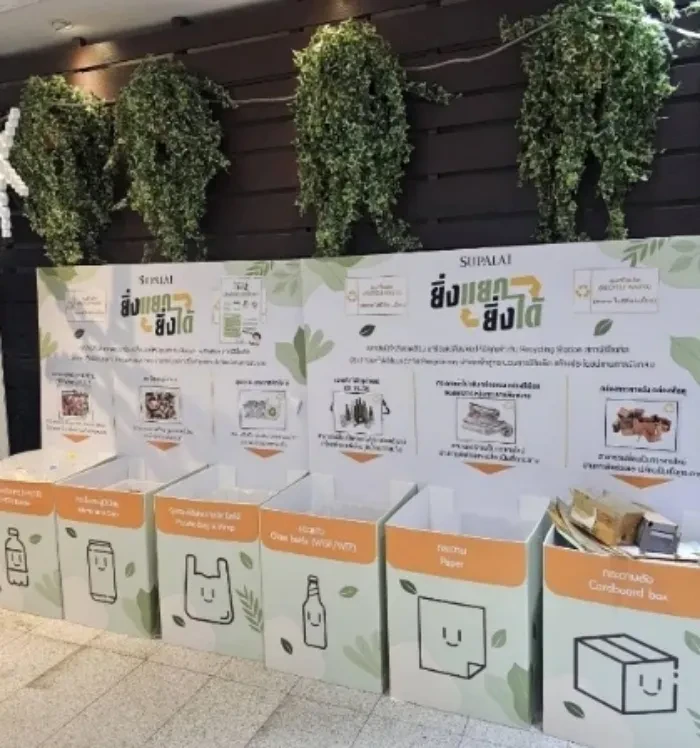
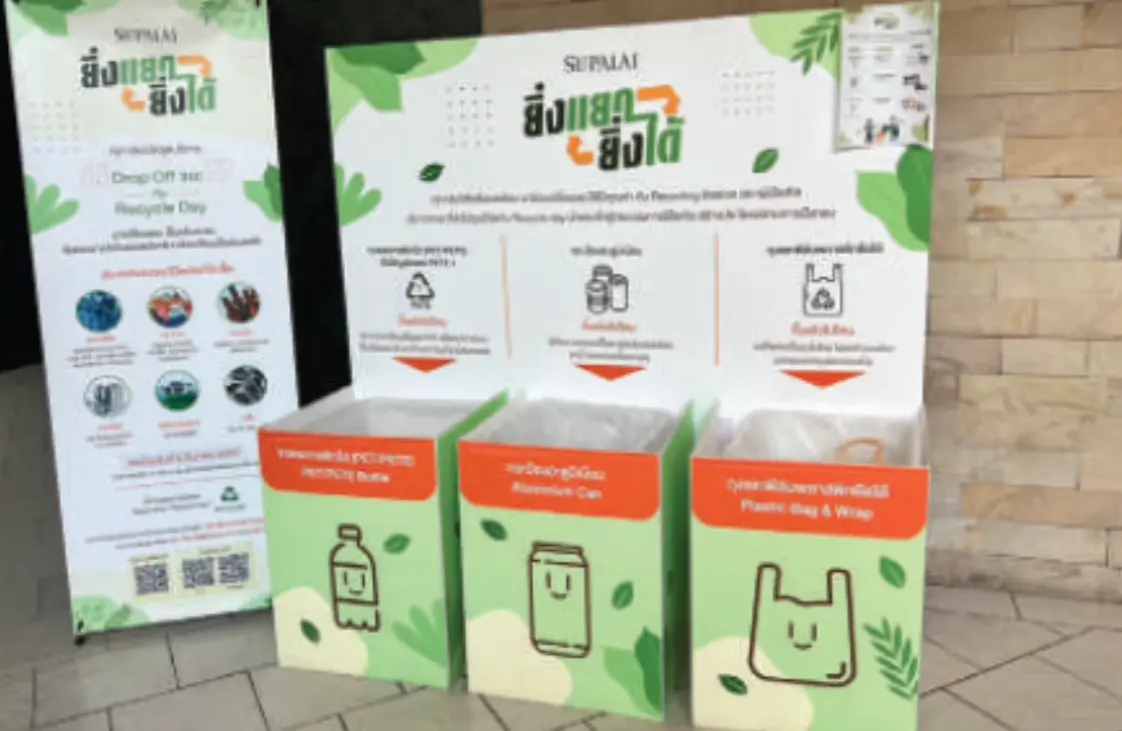
Activities “SUPALAI: The More You Segregate, The More You Gain”
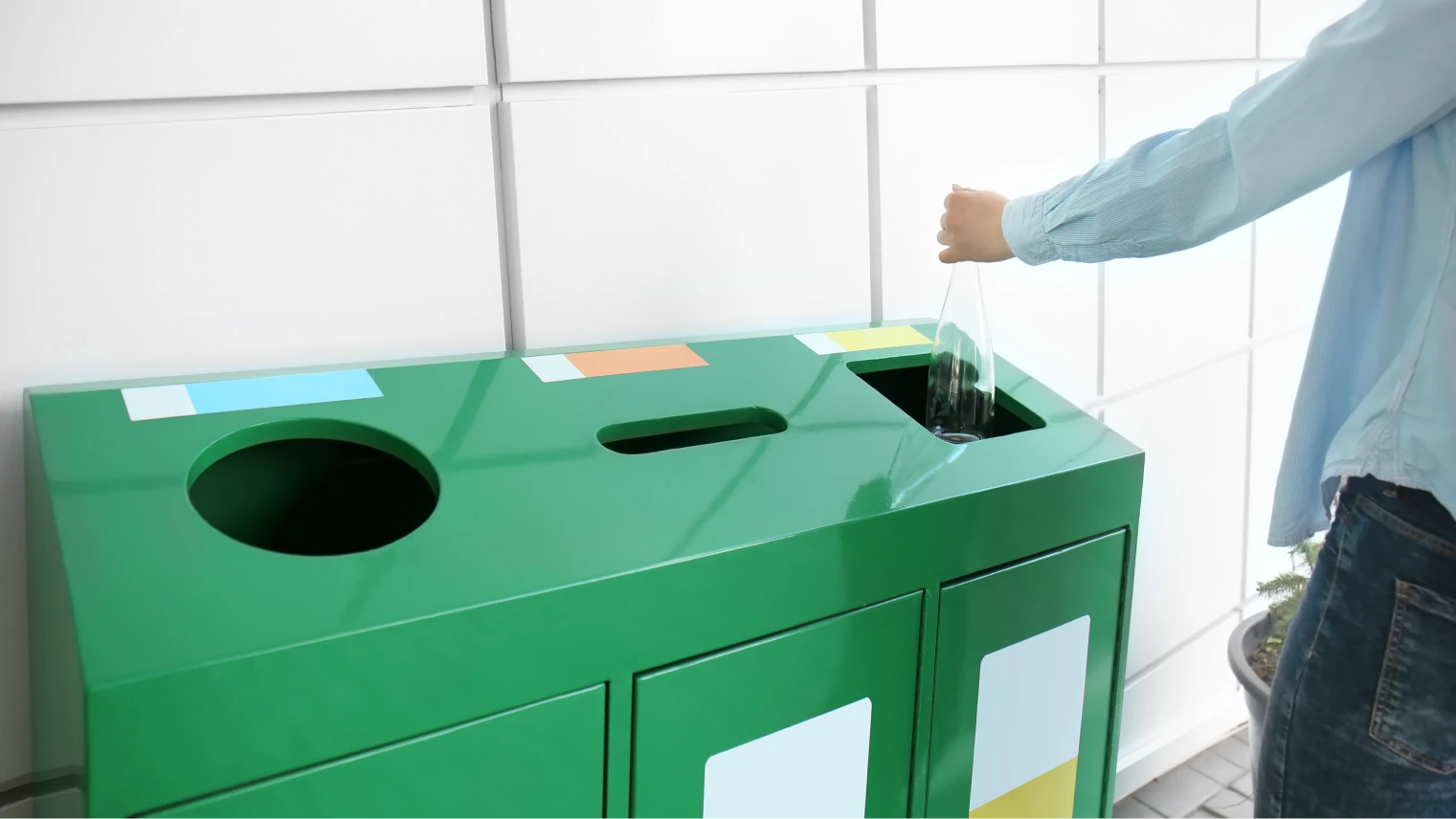
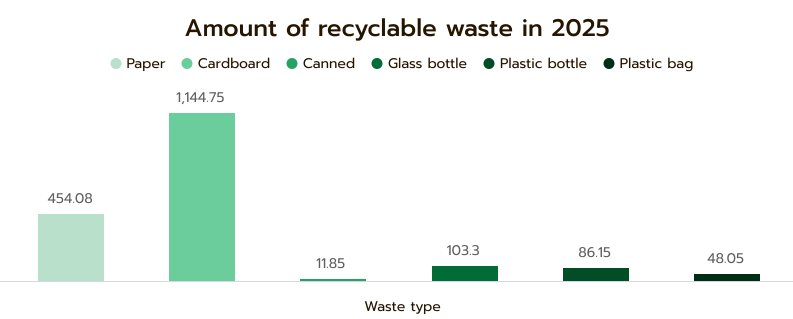
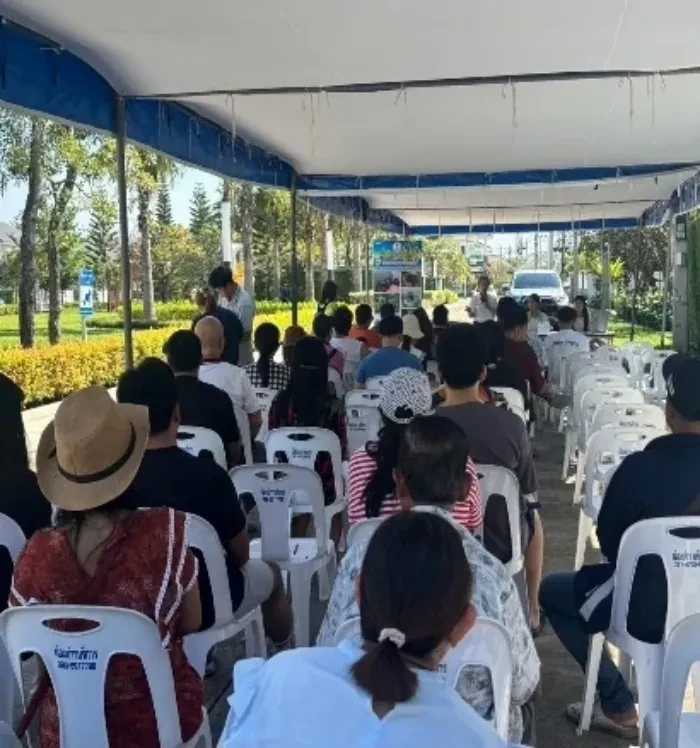
Social and environmental responsibility promotion activities: The Company communicates and educates employees and tenants in Supalai Grand Tower to participate in transforming waste into value. This includes establishing Recycling Stations and managing waste collection in collaboration with Recycle Day Thailand, a comprehensive waste management startup focused on changing waste segregation behavior at the source through an application to channel waste into the recycling process, thereby reducing waste sent to landfills.
Collaboration with Local Authorities in Waste Management
The Company, in collaboration with Pak Nakhon Sub-district Administrative Organization and Tha Sak Sub-district Administrative Organization (Government Agencies), Mueang District, Nakhon Si Thammarat Province, surveyed and jointly addressed the problem of overflowing waste and foul odors. It supported waste management from the source through key activities, starting with providing space for local authorities to educate residents on waste segregation. Recycling collection points (for paper, plastic, glass) were established, and dedicated wet waste bins were provided for better hygiene. Recyclable waste was transformed into a "Bridge of Merit" by collecting waste from employees and residents and delivering it to the "Waste Bank for Merit" to generate income for purchasing supplies to care for bedridden patients in the community. This collaboration has resulted in the Supalai Ville Nakhon Si Thammarat project and the Supalai project. Park ville Nakhon Si Thammarat received an award as a model village for waste management, demonstrating its commitment and dedication to sustainable solid waste management within the village.
Waste Segregation Promotion Project Supalai Green Village
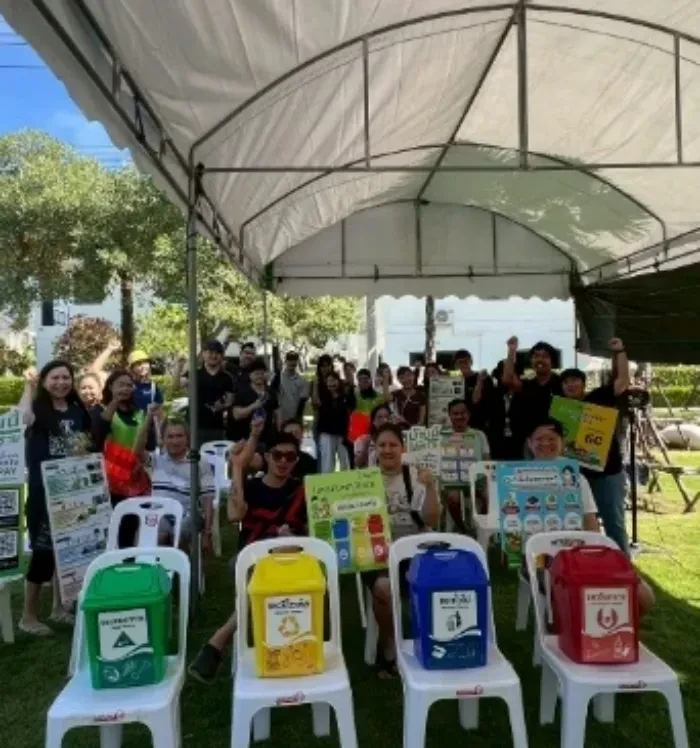
The Company prioritizes business development alongside sustainable environmental and social responsibility, implementing the "Supalai Green Village" project to promote waste segregation in the Company's residential communities, including Supalai Palm Springs Rama 2, Supalai Tuscany Rama 2, Supalai Pride Wongwaen Rama 2, and Supalai Park ville Ramkhamhaeng 174. The objective of this project is to encourage residents to recognize the importance of proper waste segregation, reduce the amount of waste impacting the environment, and support the valuable reuse of resources. The Company has established waste segregation points by type and disseminated guidelines for proper waste management to the community to instill sustainable environmentally friendly behaviors.
Promoting Waste Reduction and Efficient Resource Utilization with Employees
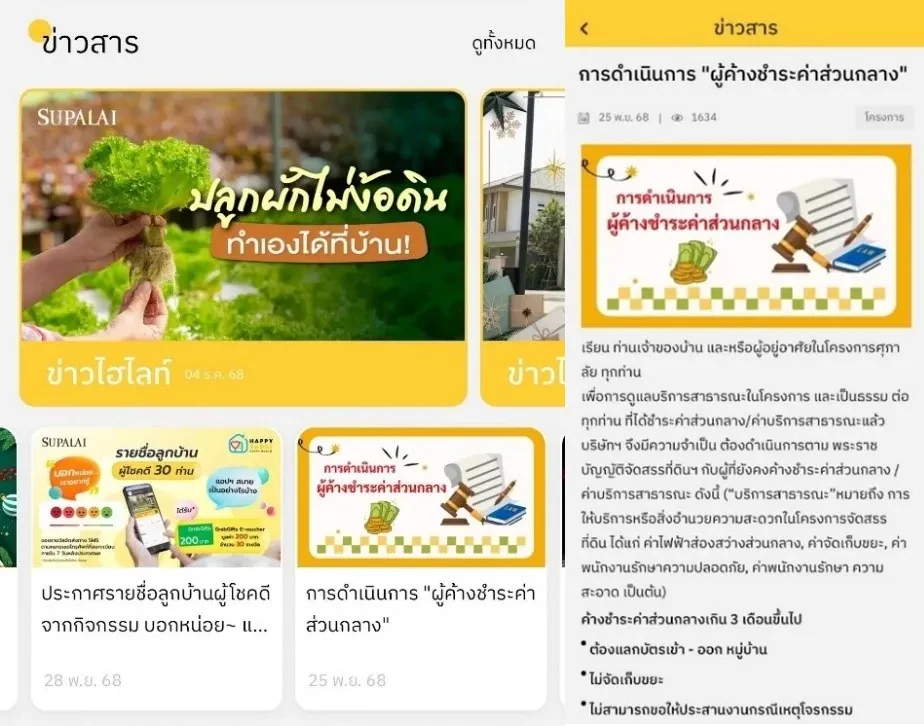
- Support data usage via E-Documents, shifting from paper-based publicity to online communication platforms like APP SUPALAI SABAI, thereby reducing paper, ink, and printing consumption.
- Communicate and publicize to employees within the organization to reduce food waste and snacks from meetings by changing the format of snack arrangements from individually packaged items to "communal snacks" served in reusable containers, thereby reducing plastic waste and single-use packaging.
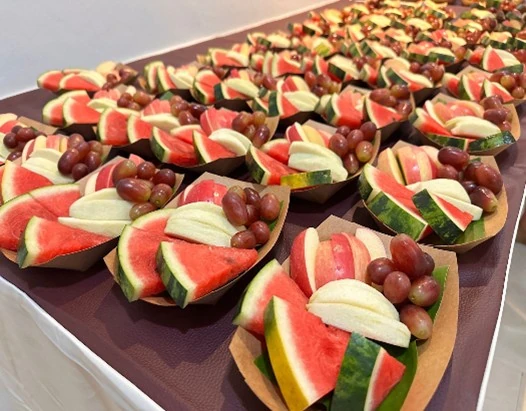
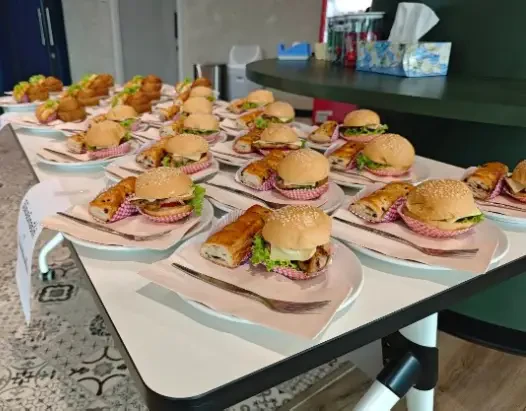
- Encourage employees to participate in proposing and submitting ideas for beneficial uses of construction waste materials to promote an organizational culture of valuable resource utilization, create incentives, and foster sustainable development.
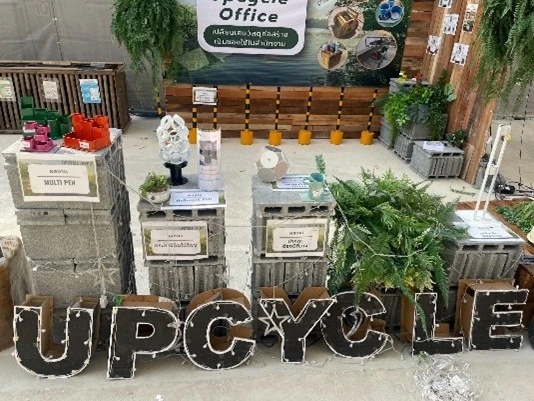
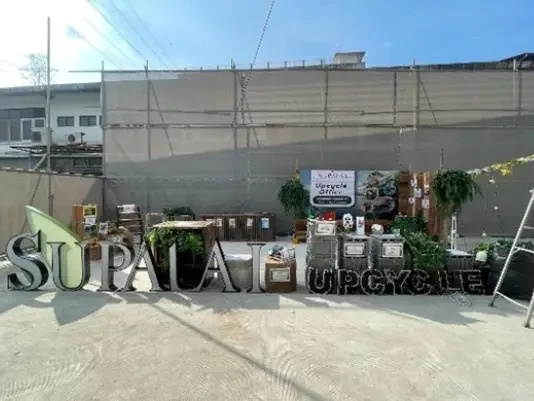
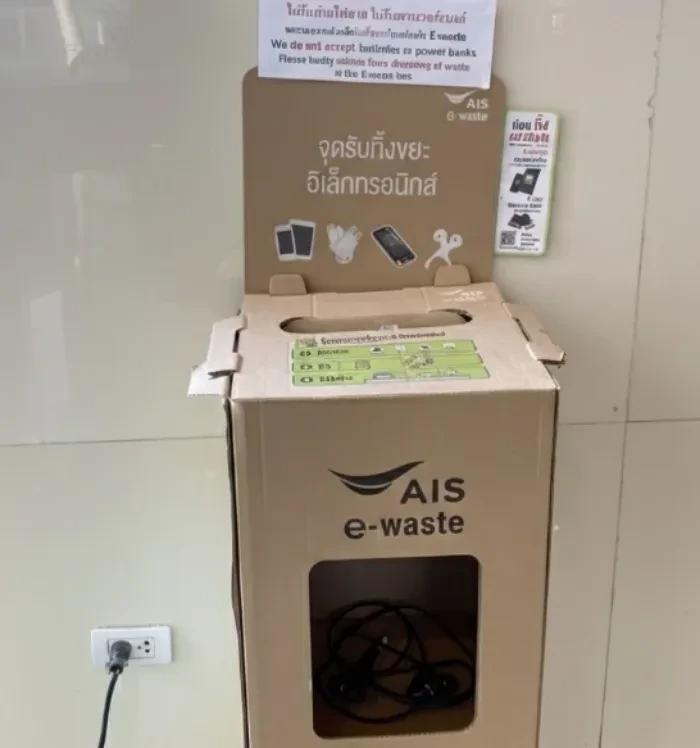
Collaboration with Partners, Project E-Waste in Collaboration with AIS
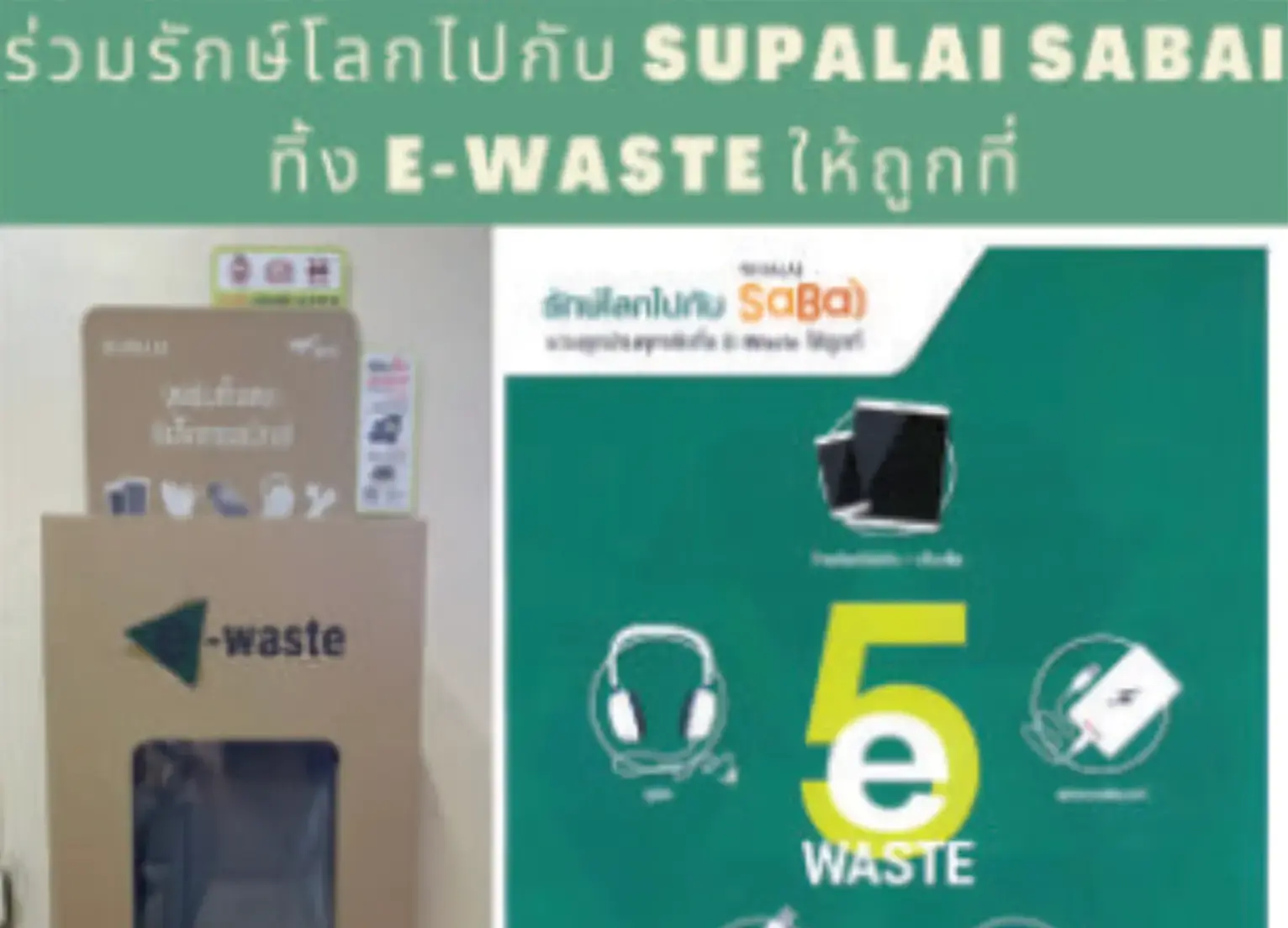
The Company collaborates with digital and telecommunications service providers, namely Advanced Info Service Public Company Limited (AIS), by establishing a Drop-off Point at Supalai Grand Tower. Employees and tenants are invited to bring unused or expired electronic waste, such as phones and charging cables, for segregation of small devices to be properly recycled according to international standards and to extract valuable minerals for reuse. This is combined with the use of blockchain technology via the AIS E-Waste+ application to create transparency in tracking waste status and calculating Carbon Score, thereby concretely changing consumer behavior to participate in reducing greenhouse gas emissions and pollution. In 2025, the project will help reduce electronic waste (E-Waste) by up to 24 kilograms per year. This collaboration represents the creation of a strong network for sustainable joint environmental management.