Human Rights and Fair Labor Practices


Supporting the Sustainable Development Goals (SDGs)


Goals and Performance Highlights
Goals


Performance



Commitment, Challenge and Opportunity
The Company has established a comprehensive human rights management process to identify key issues and set targets related to human rights in its business operations. These include child labor, human trafficking, rights and freedoms at work, fair compensation, non-discrimination, sexual harassment and other forms of harassment, as well as safety and security, ensuring that the Company’s business activities do not cause human rights violations.
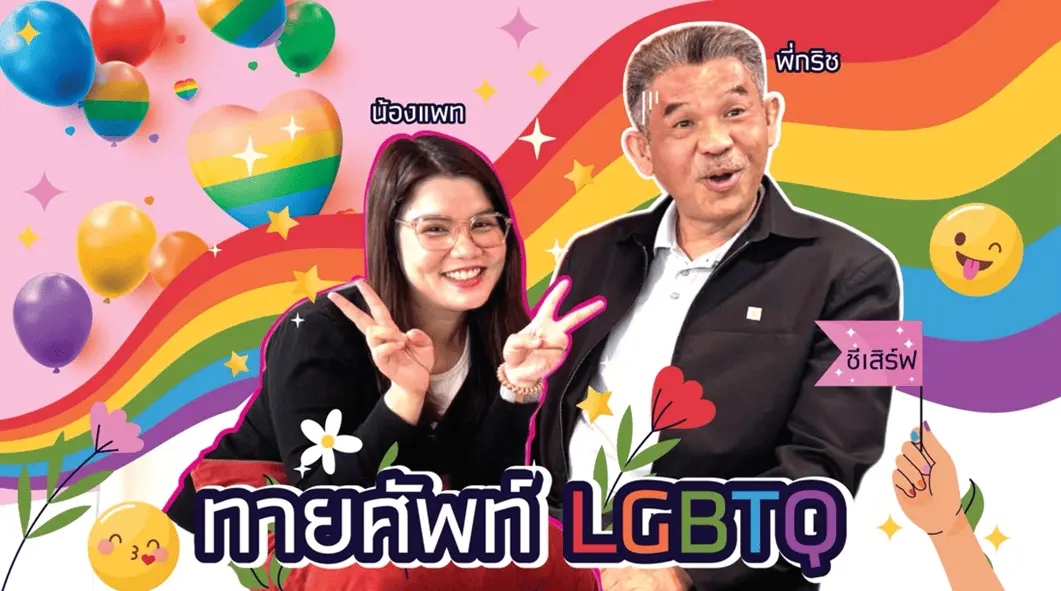
Regarding diversity and inclusion, the Company has a recruitment policy based on ethical principles. It is strictly prohibits discrimination or exclusion arising from individual differences such as race, religion, culture, language, skin color, gender, disability, political opinions, or any other factor. Recruitment decisions are made based on the suitability of the responsibilities for each position. The Company does not employ child labor and maintains a standardized recruitment and selection system, providing equal opportunities for all interested candidates to join the organization.
Regarding fair compensation and benefits for employees at all levels, non-discrimination, and the promotion of children’s rights, the Company treats all employees with respect and compassion. It implements wage and reward management policies based on fairness, benchmarking appropriately against other companies in the same industry, and considering the suitability of job responsibilities. To protect human rights and prevent child labor, the Company has established clear policies through the new vendor registration process, requiring vendors to acknowledge and sign the Vendor Code of Conduct upon their initial engagement.
The Company strongly believes that conducting business with respect for human rights and fair, effective treatment of labor will enhance opportunities for sustainable business development and strengthen the organization’s competitiveness. A strong positive image supports the recruitment of qualified and suitable personnel and serves as a strategy to retain skilled employees, thereby maintaining business competitiveness.
Human rights are sensitive issues that can be linked to other matters potentially impacted by the Company’s operations. Moreover, from the perspective of employees and stakeholders, the benefits or opportunities arising from the Company’s commitment to respecting human rights and treating labor fairly. This includes employees and stakeholders are treated fairly and without discrimination, and employees of partner companies also benefit from the Company’s efforts to engage partners on human rights issues.


Management and Strategic Approach


The Company supports and respects human rights in accordance with the Universal Declaration of Human Rights (UDHR), the United Nations Guiding Principles on Business and Human Rights (UNGP), and the International Labour Organization (ILO) Declaration on Fundamental Principles and Rights at Work. The Company’s framework for implementing this policy aligns with laws and international standards, including comprehensive human rights assessments, promotion, and protection of human rights. This policy reflects the Company’s ongoing commitment to conducting business ethically and responsibly.
In addition, the Company has established a comprehensive human rights management process to identify key issues and set targets related to its business operations. These include child labor, human trafficking, rights and freedoms at work, equal compensation, non-discrimination, sexual harassment and other forms of harassment, as well as safety and security, ensuring that the Company’s business activities do not result in human rights violations.
Comprehensive Human Rights Management Process
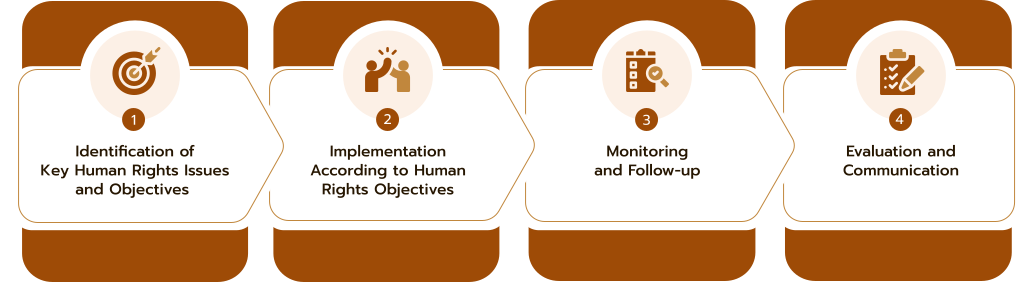

1. Identification of Key Human Rights Issues and Objectives
The Company analyzes risks and opportunities related to human rights, such as child labor, human trafficking, discrimination, workplace safety, and fundamental rights, in order to identify key issues and establish clear targets.

2. Implementation According to Human Rights Objectives
The Company translates the established human rights targets into practice through policies, measures, and operational guidelines, such as fair compensation, promotion of a safe working environment, and providing equal opportunities for all employees.

3. Monitoring and Follow-up
The Company monitors progress and evaluates compliance with human rights standards, both within internal departments and among partners, while also investigating any identified risks or violations to correct and prevent recurrence.

4. Evaluation and Communication
The Company assesses its human rights performance both quantitatively and qualitatively, then reports the results to management and stakeholders. It also communicates transparently through reports and various channels to build trust in the organization.
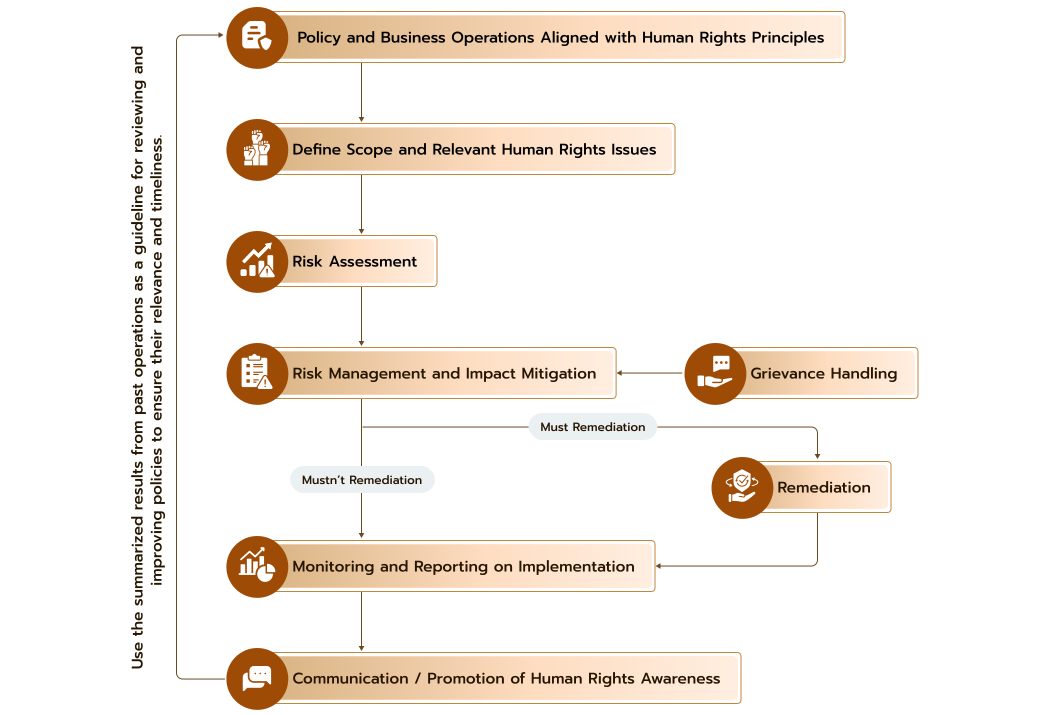
In this regard, the Company has established a comprehensive human rights risk assessment process as follows:
In 2025, the Company has established strategies and approaches for respecting human rights and ensuring fair treatment of workers as follows:

Stakeholders Directly Impacted

Customers
Positive Impacts
- Receive quality, safe, and fair products and services; have their rights as consumers respected; and receive accurate and transparent information.
Expected Impacts / Risks
- If a Company violates rights, for example by lacing transparency in sales, providing unsafe products, or engaging in discriminatory practices, it may lead to a loss of trust and increase in complaints.

Employees
Positive Impacts
- Receive a safe working environment, appropriate compensation and benefits, opportunities for career development, and fair treatment without discrimination.
Expected Impacts / Risks
- If labor rights are violated, such as through excessive working hours, unfair compensation, or discrimination based on gender or age, it can lead to labor disputes, reduced morale, and a high turnover rate.

Suppliers / Retailers
Positive Impacts
- Received fair treatment under the contract, have opportunities for long-term project collaboration, and benefit from respect for labor rights within the supply chain.
Expected Impacts / Risks
- If a Company pressures its suppliers, uses unfair terms, or ignores labor rights violations in the supply chain, it may affect business relationships and the organizational reputation.

Shareholders / Investors
Positive Impacts
- Receive returns from sustainable business operations, maintain a positive ESG image, and reduce risks from human rights-related disputes.
Expected Impacts / Risks
- In the event of human rights violations, it may affect the Company's reputation, decrease share value, and result in high legal or compensation costs.