Human Rights and Child Rights


Supporting the Sustainable Development Goals (SDGs)


Goals and Performance Highlights
Human Rights Performance


Commitment, Challenge and Opportunity

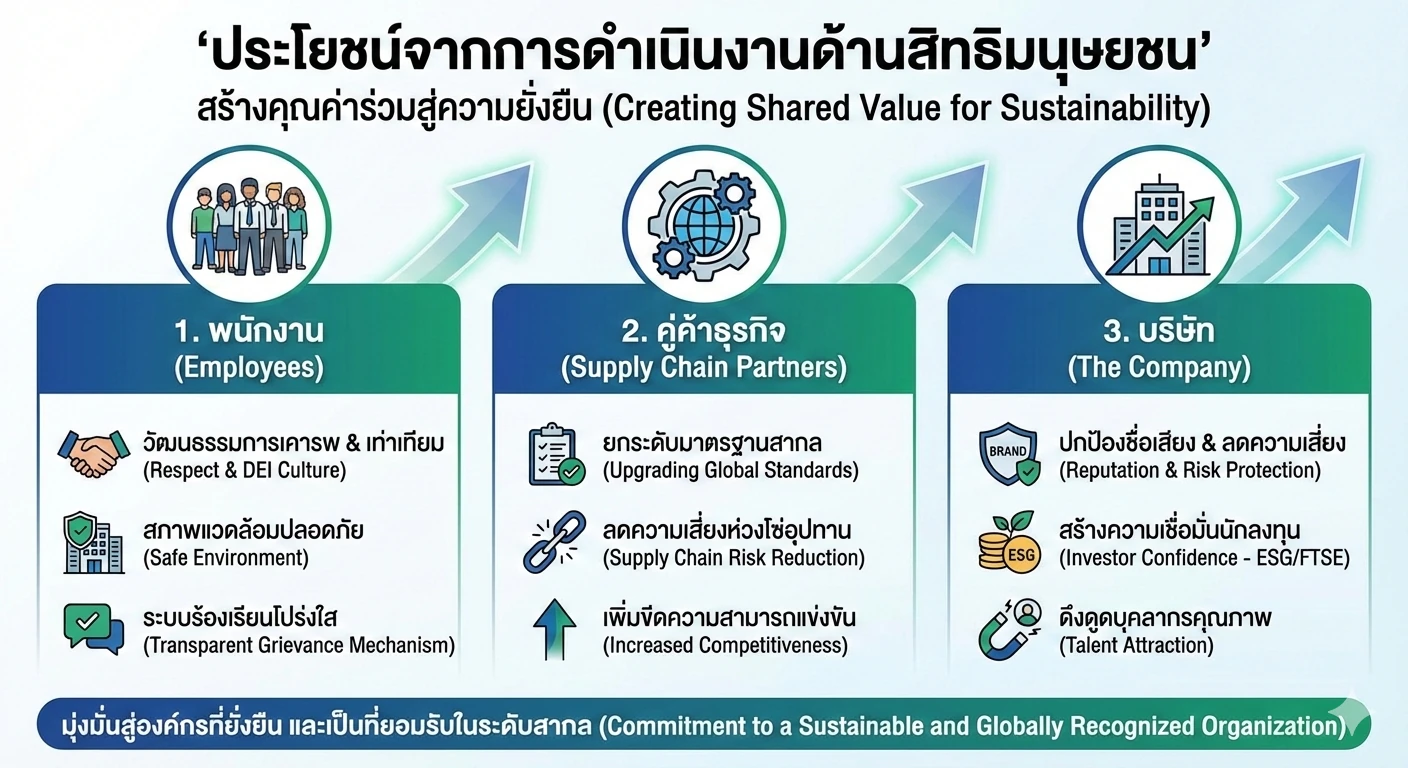
The Company recognizes that current real estate business operations, in addition to developing residential projects to meet customer needs and expectations, must also consider the comprehensive impacts on society, the environment, and surrounding communities, to ensure that business operations are truly sustainable. Therefore, key challenges that the organization must address include maintaining a balance between expanding project development to new provinces or areas and conservation, environment, efficient resource management, as well as heightened expectations from consumers, investors, and society regarding responsible, transparent, and auditable business operation standards.
On the other hand, these challenges have created strategic opportunities for the Company to create Shared Value by driving environmentally friendly projects and supporting community quality of life, such as developing projects designed according to energy-efficient building criteria and reducing greenhouse gas emissions, and supporting the development of education and vocational skills to enhance youth potential, and engagement with various networks to collectively build strong communities resilient to future changes with this vision and strategic approach, the Company is committed to being an organization that truly drives positive change, alongside stable and sustainable business growth, which will lead to the long-term strength of both the organization and society as a whole, to increase business growth opportunities coupled with sustainable development in all dimensions.
The Company expects that its Community and Social Participation initiatives will contribute to its sustainable growth, ensure smooth project operations, and build the Company's image and credibility within communities and society. At the same time, the Company sincerely hopes to help enhance vocational skills for communities, enabling them to generate increased income, and effectively improve basic quality of life and environmental preservation.
Governance Structure
Human rights governance structure to ensure policy implementation and enhance the effectiveness of related operations, with regular reviews. It is the duty of all employees, at every level, to be responsible for and comply with this policy, under the supervision of Key stakeholders as follows:
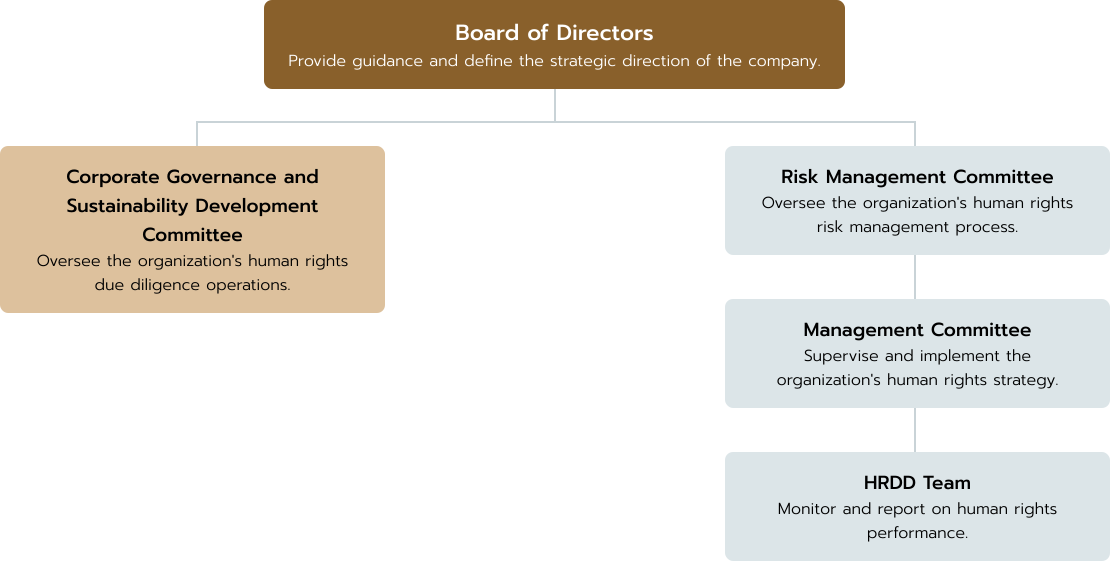
Board of Directors is responsible for overseeing and certifying policies, setting strategic directions, and reviewing the effectiveness of the safety management system occupational health and working environment annually.
Corporate Governance and Sustainability Development Committee and Risk Management Committee Consists of Board of Directors and Management Committee is responsible for developing policies and strategies, overseeing risk management, and being accountable for and monitoring human rights performance to align with organizational goals and direction.
Management Committee and Human Rights Working Group (HRDD Team) Composed of senior management representatives and employee representatives, responsible for overseeing, monitoring, reporting, and establishing human rights practices to comply with laws and Company policies and is responsible for ensuring operations meet human rights standards that may arise in all activities throughout the business value chain. Develop prevention plans to reduce potential risks and impacts, and respect human rights of all stakeholders in accordance with international practices, as well as establishing guidelines to raise awareness of rights respect human rights to employees, contractors, suppliers, and other relevant stakeholders.


Strategies and Management Approaches

Policy and Commitment
The Company is committed to conducting real estate development business based on comprehensive respect for human rights, establishing it as a policy. proactively to identify and prevent potential risks throughout the value chain, covering key issues such as the non-use of child labour and anti-human trafficking, promoting equality in all dimensions, eliminating discrimination, and preventing all forms of harassment, to create a safe working environment and uphold human dignity in accordance with international GRI Standards, specifically GRI 403: Occupational Health and Safety, GRI 405: Diversity and Equal Opportunity, GRI 408: Child Labor, GRI 412: Human Rights Assessment, and GRI 413: Local Communities.
Furthermore, the Company emphasizes Community and Social Participation as a strategy to create sustainable growth through supporting education and vocational skill development to enhance income and basic quality of life for people in society. This commitment not only helps create strong and resilient communities but also enhances the organization's image and credibility, facilitating smooth and stable business operations, leading to positive change that strengthens both the organization and society as a whole in the long term.

Human Rights Policy
The Company has announced and implemented a Human Rights Policy, based on the principle that all individuals have equal inherent worth and dignity. Therefore, it emphasizes respect for human rights as a fundamental virtue for work and coexistence. Adherence to ethical principles is integrated into the organizational behavior and culture, ensuring that the Company's business operations and employees' work are based on mutual respect for dignity. The Company supports and respects human rights as stipulated in the Universal Declaration of Human Rights (UDHR), the United Nations' Guiding Principles on Business and Human Rights (UNGP), and The International Labour Organization (ILO) Declaration on Fundamental Principles and Rights at Work. The Company has established a framework for implementing the above policies in accordance with laws and international principles, such as comprehensive human rights due diligence processes, and the support, promotion, and protection of human rights. This policy is part of the Company's continuous commitment and efforts to conduct business ethically and responsibly.
Furthermore, the Company has established a comprehensive Human Rights Due Diligence Process to systematically assess human rights risks and impacts, identifying key issues and human rights objectives related to business operations, such as child labour, human trafficking, forced labour, rights and freedoms at work, and compensation, equality, discrimination, and sexual and other forms of harassment, as well as safety and security, to ensure the Company's business operations does not lead to human rights violations.
For more information, please visit:
Policy on Human Rights

Commitment to Children's Rights
The Company adheres to the "Children's Rights and Business Principles" (CRBP) established by the United Nations Children's Fund (UNICEF) as a guideline for business operations that respect children's rights. These principles comprise four areas where the Company can help create a positive impact on children: 1) Survival, 2) Protection from violence, 3) Appropriate Development, and 4) Participation. The Company has established an operational framework to create a safe environment, provide education, and ensure protection for children and families residing in construction worker camps, granting them access to basic utility welfare to lay the foundation for a sustainable future.
- Supporting safe living (survival): The Company has announced a policy and a Supplier Code of Conduct that strictly prohibits child labour, as well as business processes that reduce impacts on societies where children live, such as establishing safe zones for children.
- Developing infrastructure and various facilities to provide children in communities surrounding project sites with access to public utilities, such as the "Transforming Open Spaces into Play Areas" project, to be used as public parks for recreation.
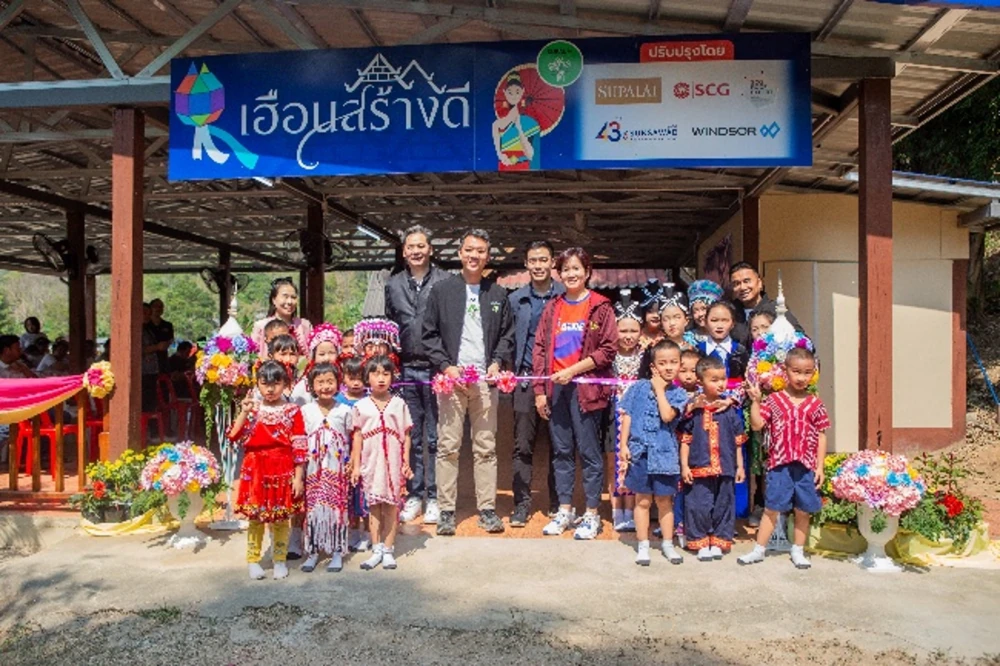
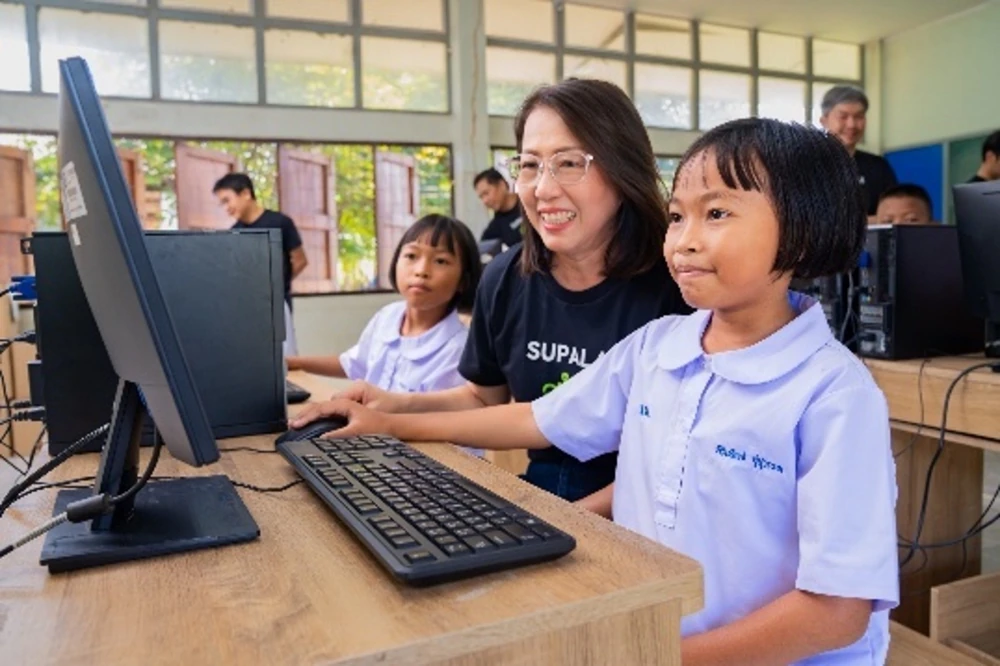
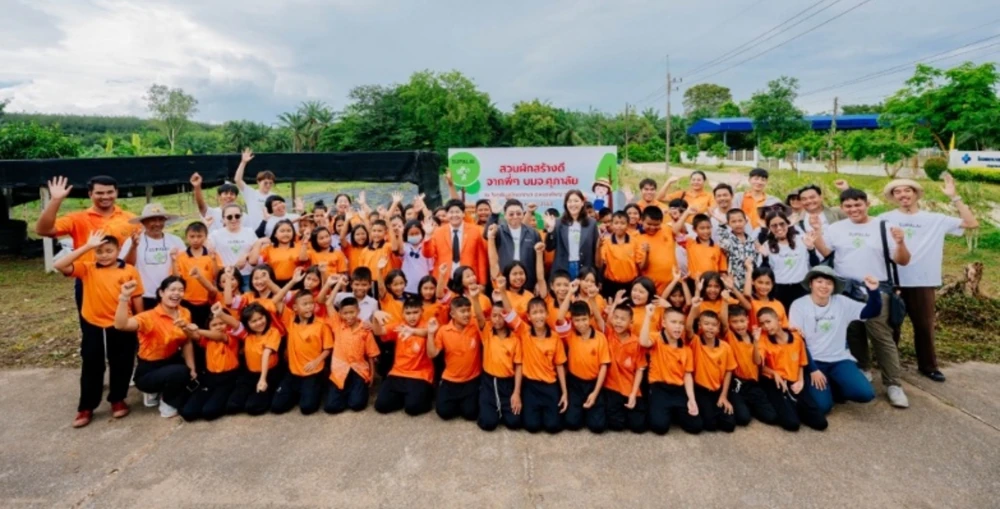
- In the area of education, the Company has developed collaborations with business partners to create learning spaces and provide children with access to nutritious food, such as renovating classrooms and supporting school vegetable gardens to boost children's immunity.
Policy on Children Rights
Human Rights Guidelines
- Treating employees and workers equally, without discrimination.
- Supporting employee diversity.
- Promoting equal opportunities for women and persons with disabilities.
- Not using or condoning physical punishment, physical or psychological coercion, or verbal abuse.
- Not allowing female employees to perform work that is hazardous to their health or body as prescribed by law, including providing pregnant female employees with a working environment that is not harmful to their health and is safe for pregnancy, and not terminating employment, demoting, or reducing benefits for female employees due to pregnancy.
- Providing fair wages and benefits equally for all employees.
- Paying appropriate wages according to salary structure and market conditions, at a minimum complying with domestic minimum wage requirements.
- Respect for the right to rest and appropriate working hours.
- Termination of employment complies with Thai labour laws and international labour standards.
- Employees have the right to file a complaint or appeal if unfairly terminated.
- Having a termination review committee to verify the accuracy and fairness of the termination process.
- Proportion of women in management positions not less than 30%.
- Supporting the establishment of gender-diverse committees.
- Appropriate welfare for female employees, such as maternity leave and family care leave.
- Promoting diversity and equal opportunities in employment.
- Employing under terms and conditions of employment that comply with local laws or customary practices.
- Employing labour and providing compensation without discrimination, and offering equal opportunities, covering women, persons with disabilities, or other disadvantaged groups.
- Supporting the employment of persons with disabilities and/or disadvantaged groups.
- No child labour (persons under 18 years of age) is employed or supported.
- No forced labour or human trafficking in any form is employed or supported.
- No forced overtime beyond legal limits.
- The company respects the rights and freedoms of association, expression, and collective bargaining, similar to other labour groups, in accordance with the laws of each country.
- Not using bargaining power or coercion to force employees into any agreements that infringe upon their rights fundamental rights as stipulated by law.
- Respecting employees' rights and freedom of association and collective bargaining.
- Supporting the establishment of welfare committees and employee relations clubs to develop beneficial welfare and benefits suitable for employee needs, and to provide recommendations on operational procedures, working conditions, and other matters.
- The company does not condone any inappropriate behavior from its employees, such as visual, verbal, gestural, or other forms of harassment/abuse.
- Victims will receive protection according to appropriate guidelines, and reported information will be kept confidential.
- Providing a safe and appropriate working environment and facilities hygiene, facilitating access for everyone, including persons with disabilities and contractors.
- All employees have the right to offer suggestions for improving the working environment and ensuring safe work practices.
Comprehensive Human Rights Management Process
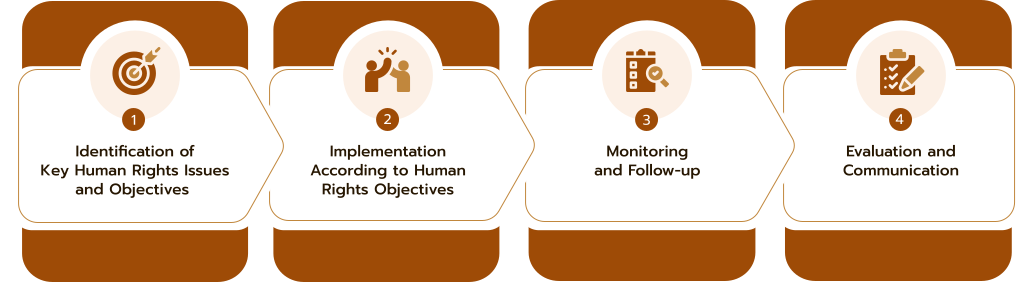

1. Identification of Key Human Rights Issues and Objectives
using the criteria " Impact-based assessment" according to UNGP, considering 3 dimensions:
- Scale Severity of impact on life, health, and human dignity
- Scope Number of affected individuals
- Irremediable character Remediation capacity

2. Implementation According to Human Rights Objectives
Implement defined goals through policies, measures, and operational manuals, such as fair compensation and promotion, Safe working environment and equal opportunities for all employees.

3. Monitoring and Follow-up
Progress is monitored and compliance with human rights standards is assessed at both internal departmental and suppliers levels. Risks or violations are investigated to rectify and prevent recurrence.

4. Evaluation and Communication
Evaluate human rights performance both quantitatively and qualitatively, then report results to management and stakeholders, and communicate transparency through reports or various channels to build organizational trust.
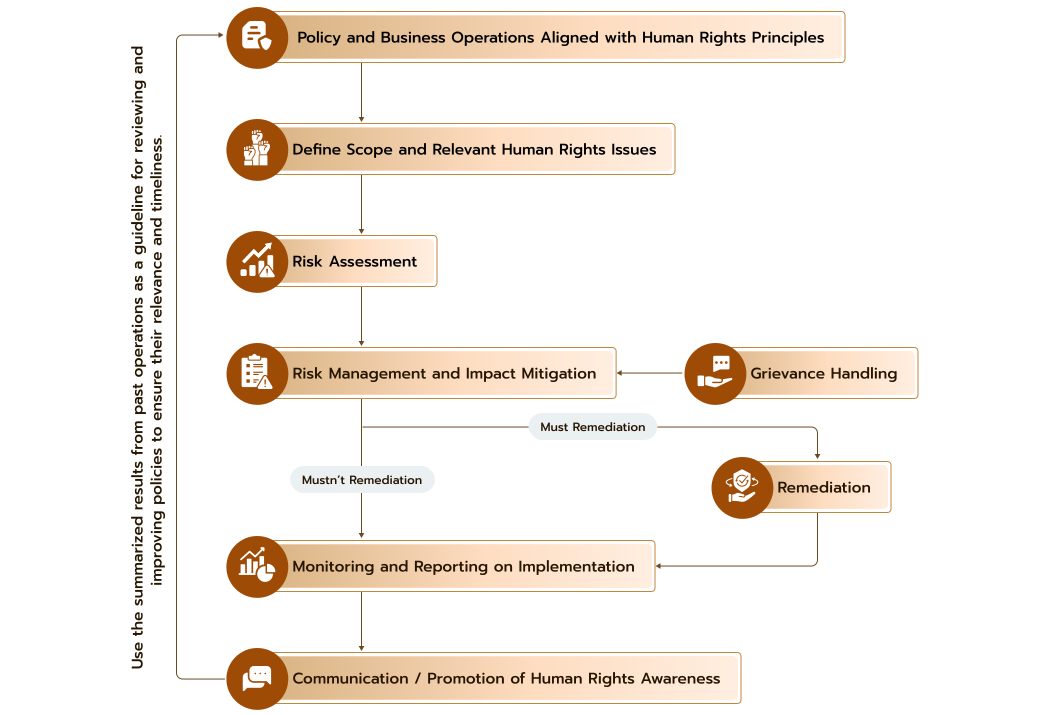
Comprehensive Human Rights Risk Assessment Process
For more information, please visit:
Human Rights Due Diligence (HRDD)
Performance Results
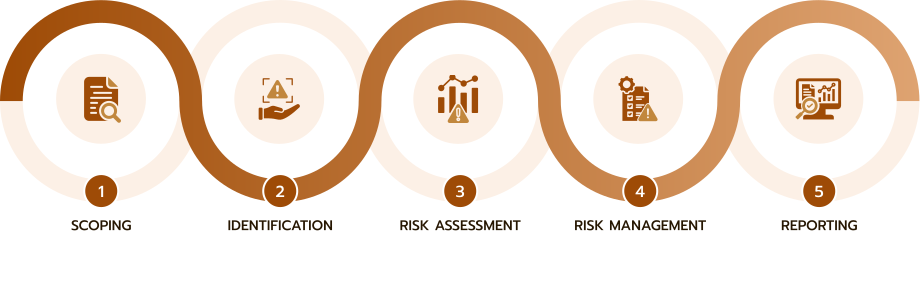
Human Rights Risk Assessment and Mitigation Process (HRDD Process)
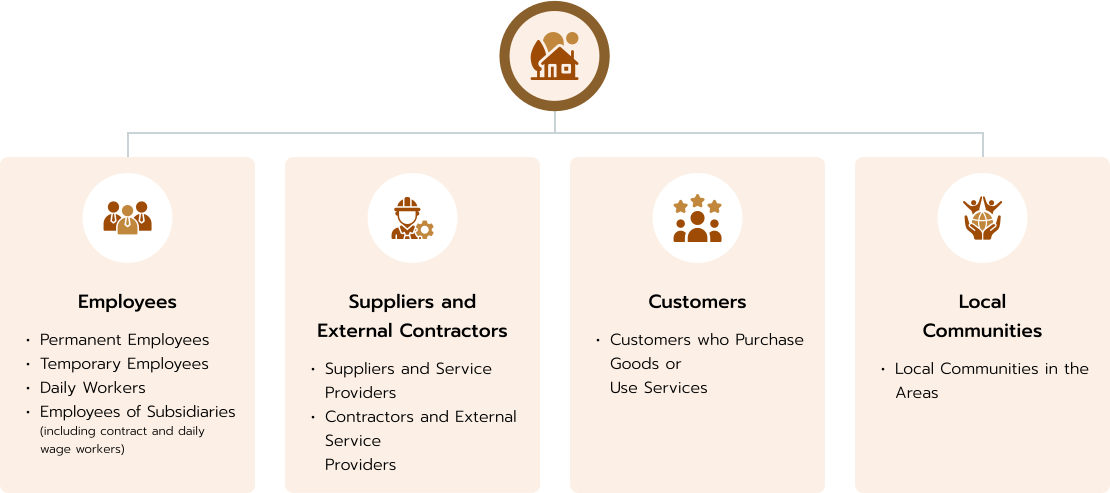
Covering the core activities of the Company and its subsidiaries, as well as relevant stakeholder groups throughout value chain to ensure the care and protection of the rights of all stakeholder groups, including employees, suppliers/external contractors, customers, and communities. This assessment is conducted annually.
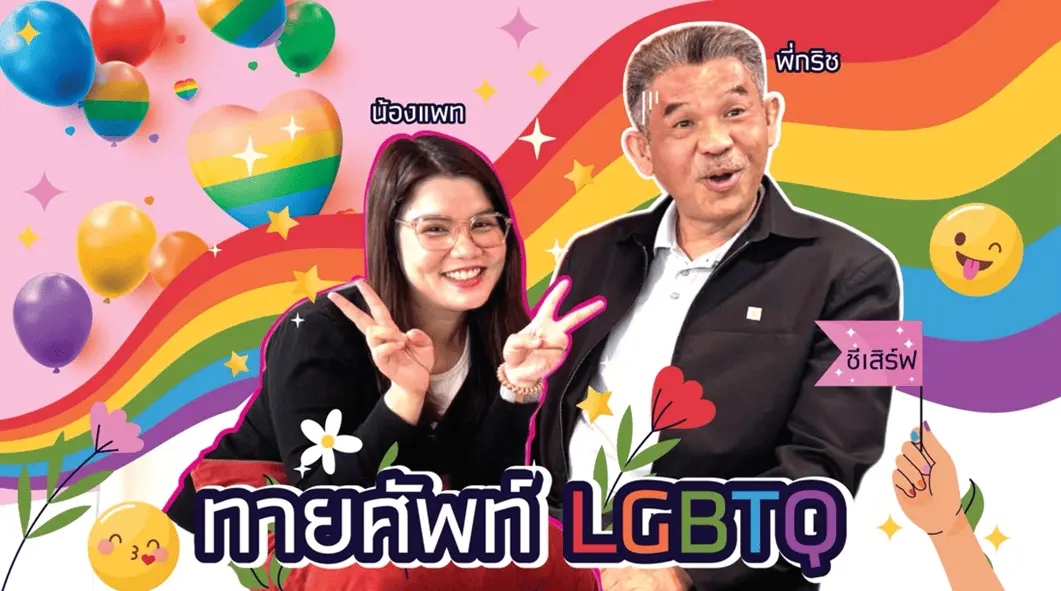
The Company identifies and assesses potential human rights risk issues arising from the activities of the Company, its subsidiaries, suppliers, and external contractors. Human rights risk issues are considered to cover stakeholders, especially impacts on vulnerable groups such as migrant workers, female workers, child labours, LGBTQ+ individuals, and persons with disabilities, in order to prioritize risks and plan appropriate management. Stakeholders are involved in identifying issues through interviews, focus groups, soliciting opinions and suggestions, combined with future trend research, analysis of the Company's internal data, and comparison with industry best practices nearby The Company has defined "Salient Human Rights (Salient Human Rights) " by prioritizing issues based on "the severity of impact on individuals" in accordance with the UN Guiding Principles on Business and Human Rights, and integrating it into the organizational risk management process.
| Core Business Activities | Procurement | Design and Construction | Sales | After-Sales Service |
|---|---|---|---|---|
| Human Rights Issues |
|
|
|
|
| Rights Holders |
|
|
|
|
Results from the assessment and prioritization of human rights risks throughout the value chain shown in the table below.
| Labour rights | Community rights | Suppliers rights | Customer rights | in the supply chain |
|---|---|---|---|---|
|
|
|
|
|
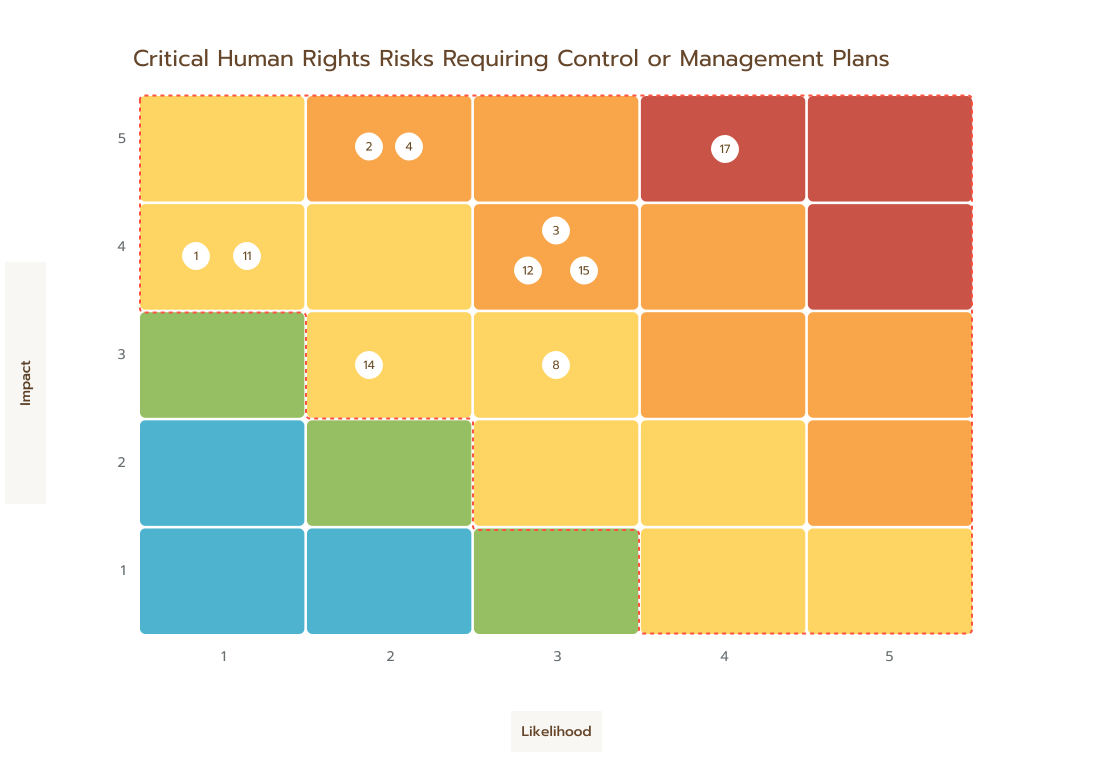
The Company assesses human rights risk levels using criteria that evaluate the severity of impact on stakeholders, based on the scale of impact, the number of affected individuals (scope), and the remediable character of the impact, combined with the likelihood of occurrence.
| Affected parties | Human Rights Impact Assessment Results |
|---|---|
| Operational areas, head office, and construction sites | 100% of operational areas assessed for impact. 100% of areas with human rights risks have implemented prevention and mitigation measures. |
| Key suppliers (Tier-1 suppliers) | Key suppliers assessed No have human rights risks. |
Risk Assessment Matrix
Labor Rights
Community Rights
Consumer Rights
Suppliers and External Contractors
The Company found one high-level human rights risk issue related to occupational health and safety. Therefore, the Company has established management measures to mitigate impacts and prevent future occurrences, as well as to provide remedies or rehabilitation for those affected by the impact appropriately, in collaboration with affected or potentially directly affected stakeholders such as employees, suppliers, customers, and communities, to define effective, appropriate, and sufficient measures, and has implemented various measures as follows:
| Scope | Risk issues significant human rights aspects | Affected stakeholders | Company operations to rectify, prevent, and remedy. |
|---|---|---|---|
| Activities Company operations | Labour rights | ||
| Employees, occupational health and safety | Employees |
|
|
| Activities Operations in the supply chain of suppliers and contractors | Labour rights in the supply chain | ||
| Health and safety of suppliers' and contractors' workers | Workers of suppliers and contractors |
|
|
| Community rights | |||
| Community health, hygiene, and safety | Surrounding Communities |
|
|
The Company mandates an annual review of human rights risk issues, as human rights risks related to the Company's business operations may change with different activities and stakeholder groups. Furthermore, the Company monitors and evaluates the implementation of various corrective and preventive risk measures by establishing indicators to track and measure the effectiveness of risk management measures.

Human Rights Training for Employees and Suppliers
Demonstrates the Company's commitment to internal human rights, such as fair treatment, non-discrimination, and workplace safety. This training focuses on developing skills in Social Risk Management within the supply chain, covering employees at all levels and departments. A total of 331 participants attended the training, both online and onsite. The overall training satisfaction level was 84%.
- 214 employees
- 117 suppliers
- Reducing discrimination and harassment and creating an environment that clearly promotes employees' understanding of their rights and duties.
- Fostering a culture of diversity acceptance, which enhances psychological safety and organizational commitment.
- Confidence in transparent, fair, and efficient complaint channels and management processes.
- Supporting suppliers to apply knowledge in ethically managing labour according to international standards.
- Reducing supply chain risks, helping to screen and prevent human rights violations for smooth business continuity.
- Building confidence in governance and risk management systems.
- Building transparency through internationally recognized declarations of intent.
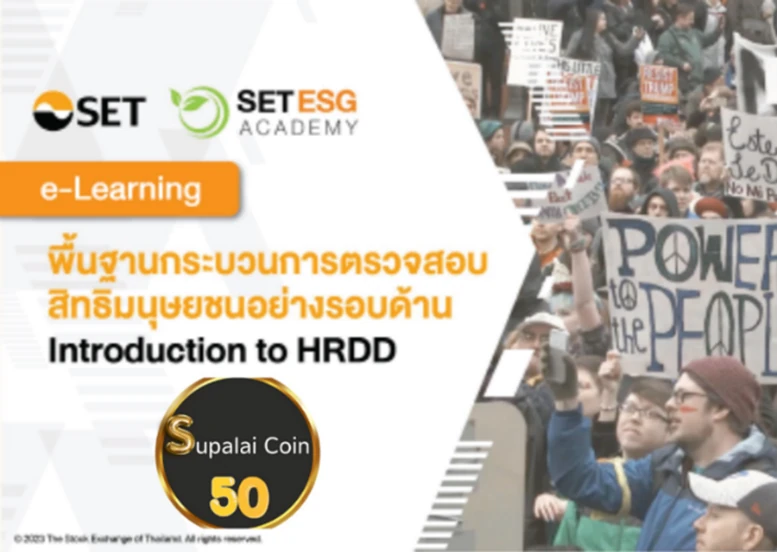
Supporting employees to attend a comprehensive human rights due diligence fundamental course in e-Learning format at the Stock Exchange of Thailand (SET) has developed courses to enable employees and personnel within the organization to conveniently and efficiently access knowledge and develop necessary skills, learning anytime, anywhere. A total of 509 employees participated in the training.
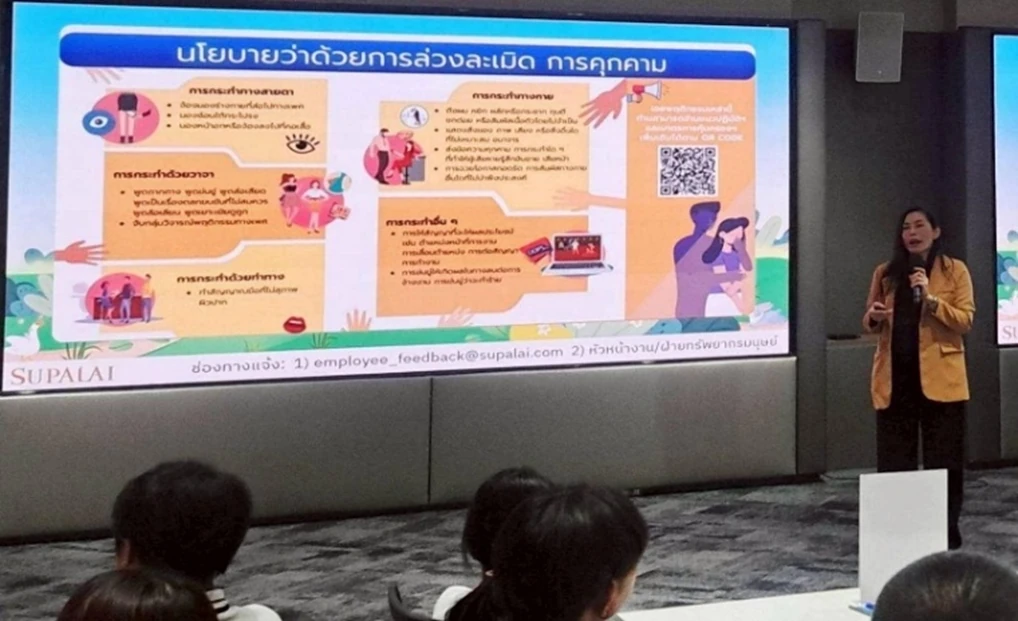
The Company prioritizes human rights training and communication for all new employees to foster correct knowledge and understanding, and to instill a consciousness of respecting human dignity, equality, and non-discrimination at all levels of work. The training focuses on preventing harassment and abuse in all forms. This training helps employees recognize their roles and responsibilities in performing ethically, in compliance with laws, international standards, and organizational values. In 2025, 100% of new employees received training.
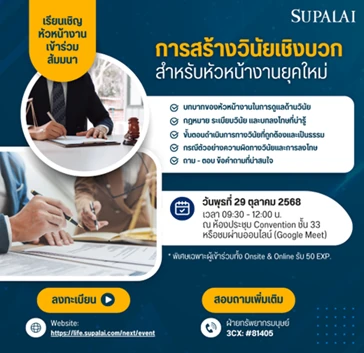
The Company organized an academic seminar on Building Positive Discipline for Modern Supervisors, open to managers, supervisors, and employees, with participation available both onsite and online via Google Meet to facilitate attendees from various departments within the organization. The objective of this seminar was to enhance the knowledge, understanding, and skills of supervisors to manage teams with a positive approach, focusing on fostering organizational discipline alongside respect for human rights and good governance principles.
The main content of the seminar covered key issues related to the role of supervisors in overseeing and strengthening team discipline, emphasizing understanding the supervisor's duty to promote appropriate employee behavior in line with organizational values, as well as providing knowledge about laws and workplace disciplinary regulations so that participants understand the legal framework and correct disciplinary penalties and appropriate disciplinary actions, considering transparent, fair, and human rights-compliant procedures.
The seminar also included case studies of disciplinary offenses, the handling of reports or instances of bullying or harassment, and disciplinary guidelines, enabling participants to analyze and study practical approaches in real workplace situations.
Establishment of the Welfare Committee
The company supports and promotes employees' freedom to establish a Welfare Committee within the establishment, in accordance with the Labour Protection Act B.E. 1998, to present opinions and negotiate with employer representatives for the appropriate development of other welfare benefits beyond legal requirements and in line with employee needs. Therefore, an election was held for the Welfare Committee and Supalai Relations Club, serving a 2-year term (2024-2025), on December 12, B.E. 2023, replacing the previous Welfare Committee, whose term had expired. A total of 14 employees applied to be selected for the Welfare Committee and Supalai Relations Club, and 12 were ultimately selected as committee members. A total of 725 employees exercised their voting rights, representing 50.32% of all employees.
Support for Children's Rights
The Company adheres to human rights principles and conducts business with an emphasis on children's rights, covering the entire supply chain, supporting Children's rights in the Company's operations and through various projects as follows:
Established safe zones for children by overseeing supply chain integrity
- Established a human rights policy covering respect for and support of children's rights, setting zero tolerance on child labour as a key condition in the Supplier Code of Conduct, requiring 100% of new suppliers to sign Acknowledged and passed sustainable development assessments, covering no child labour and remediation in case of violations.
- Established safe zones for children, with regular monitoring and evaluation systems for suppliers to ensure that the entire supply chain operates under ethical principles and is free from illegal labour.
Develop infrastructure and various facilities to provide children with access to public utilities (Community & Safety)
- Designed and provided central areas for young children, including playgrounds and designated spaces. with safe and diverse play equipment such as swings, slides, and climbing structures, allowing children to develop physical skills and Society.
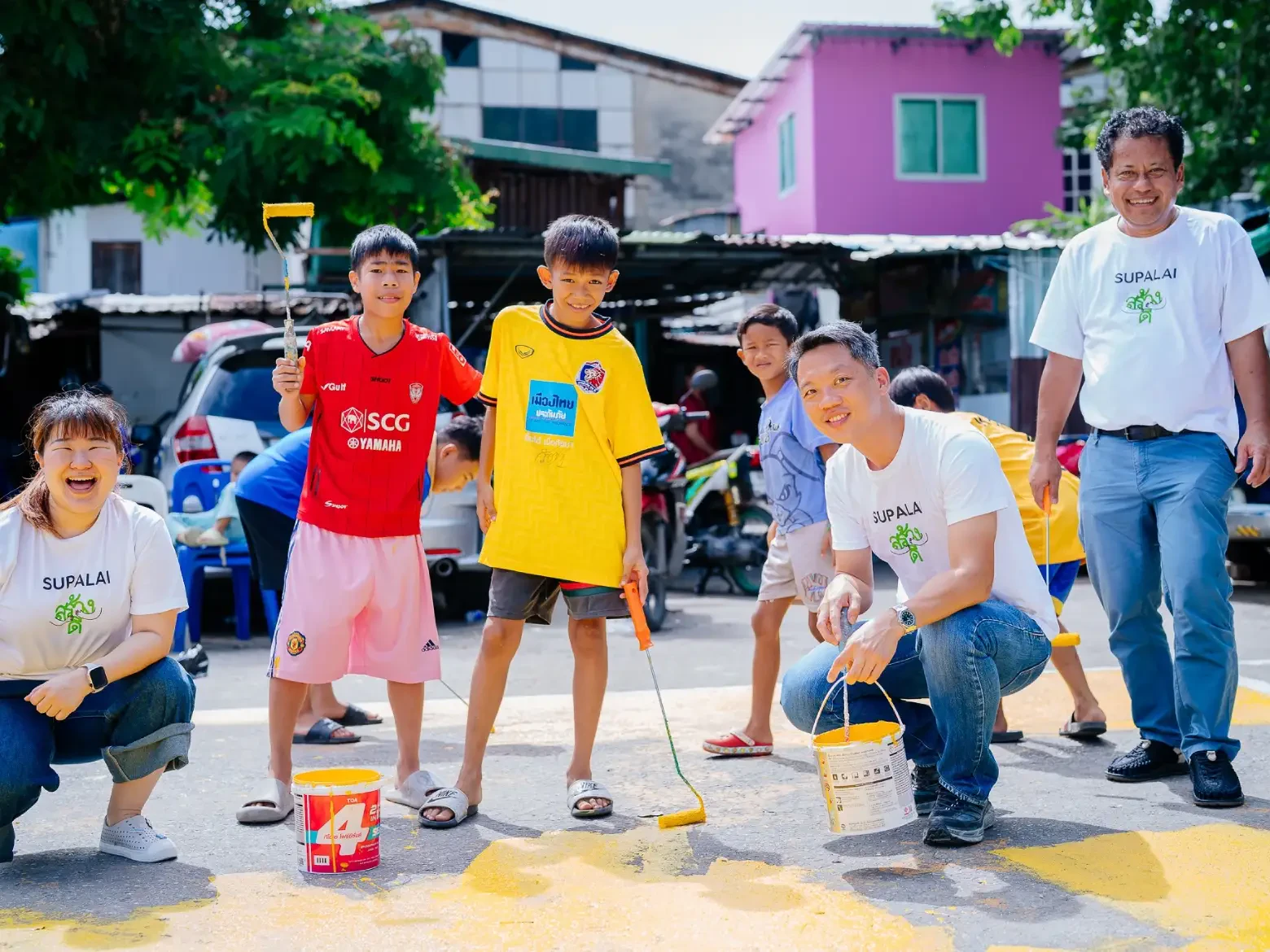
- Developed public spaces in communities surrounding the project by collaborating with business partners to transform an open area in the Klong Toey community into a functional activity plaza, playground, reading book, and football field.
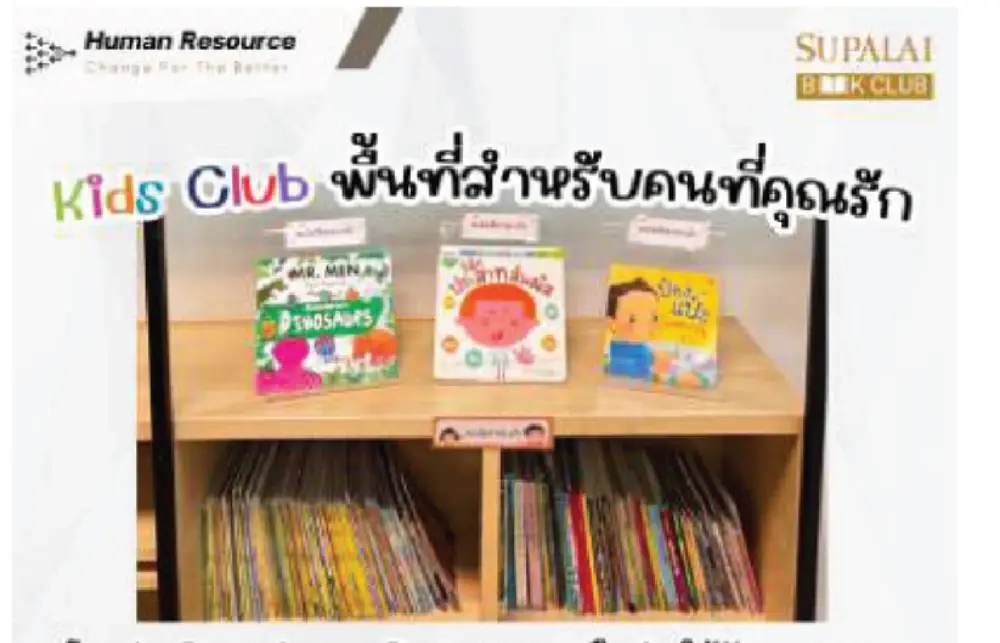
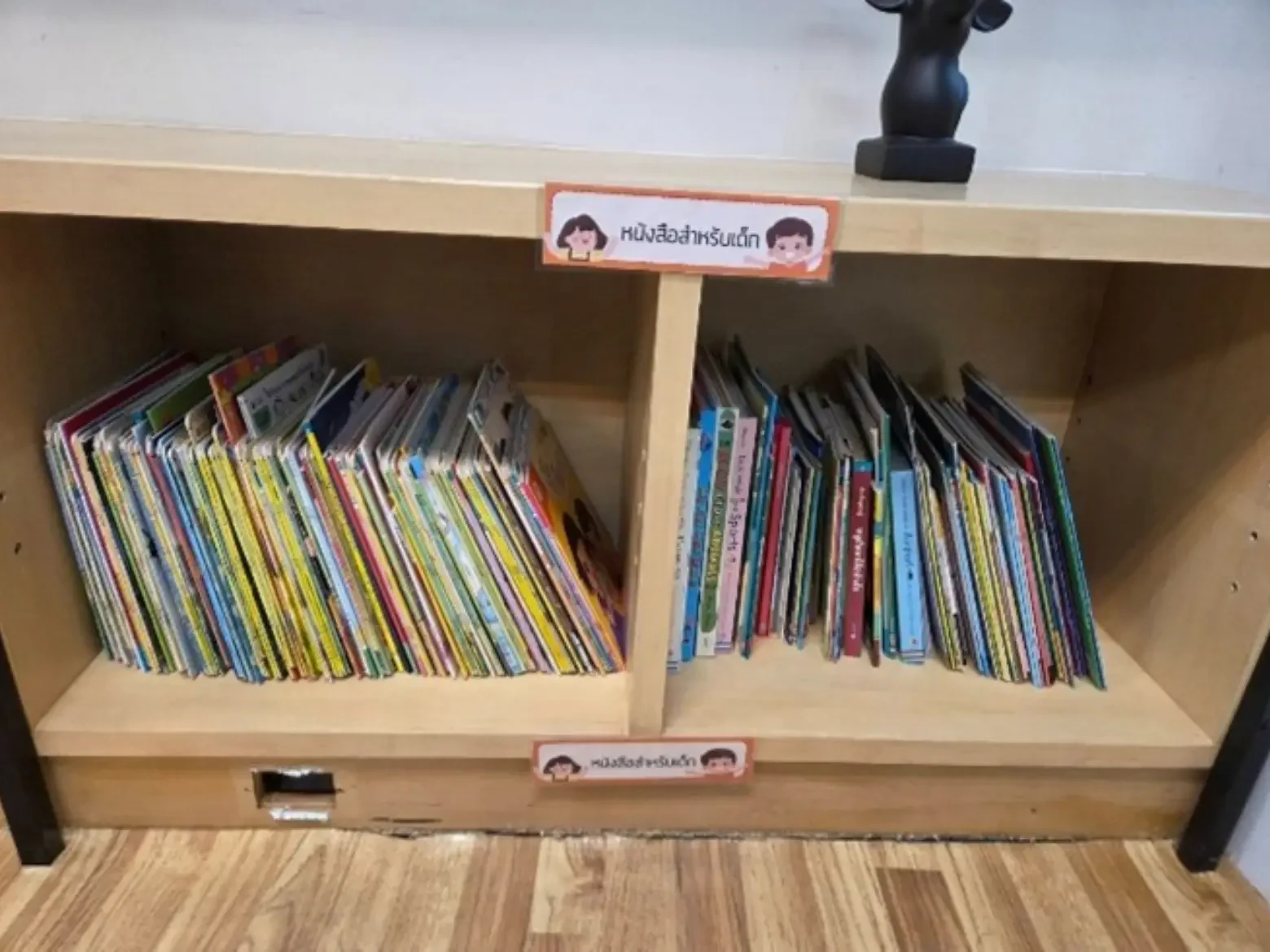
- Promoting Development and Learning: Arranged a book corner and board games for children in the company library to enhance development and help alleviate the burden on employees in childcare after school, promoting work-life balance.


Right to equal access to education. All children must have access to education without discrimination (Equitable Education)
- As the Company's core business involves real estate development and construction of residential projects, including low rise projects and high-rise projects, it prioritizes promoting children's rights. The focus is on ensuring children have equal access to education and knowledge resources, coupled with providing safe spaces conducive to learning and age-appropriate potential development.
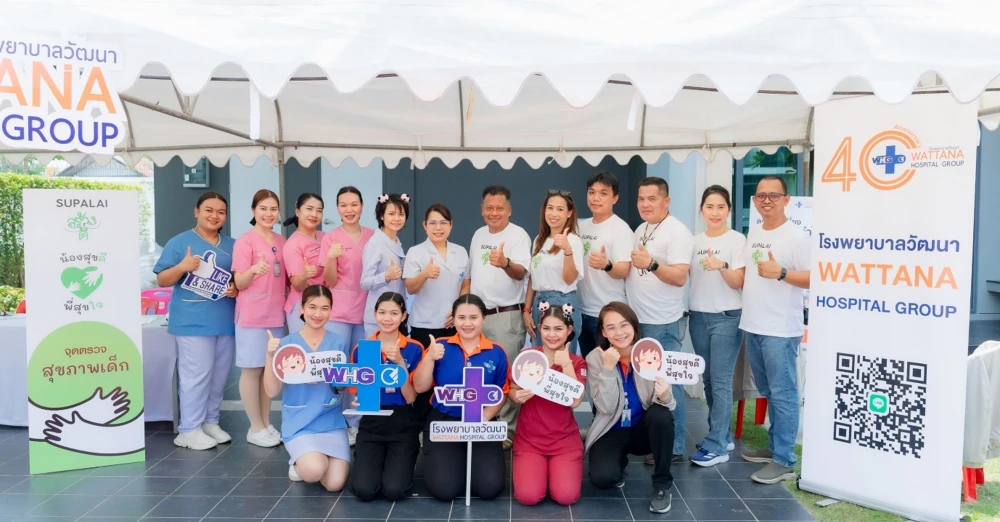
- Additionally, the Company supports access to proper and sufficient nutrition to foster complete physical and mental health, which is a crucial foundation for learning, growth, and quality long-term development.