Labour Standards


Supporting the Sustainable Development Goals (SDGs)



Goals and Performance Highlights
Employee training and development Goal


Commitment, Challenge and Opportunity

The company designates labour standards and human rights issues as an Enterprise Sustainability Risk, which is overseen by the Board of Directors and the Risk Management Committee through the operations of the Sustainability Committee. Concrete implementation is carried out, along with regular reporting of labour, human rights, and employment condition risk assessments, to ensure that these risks are integrated into the Enterprise Risk Management (ERM) process and the company's strategic decision-making.
If the company lacks effective oversight mechanisms, especially in supply chains with a large workforce, it could lead to significant human rights violation risks, such as child labour, forced labour, or unequal treatment, which would directly impact reputation, stakeholder trust, and could lead to legal disputes that cause. project operations being disrupted. Furthermore, the risk of skilled labour shortages or the loss of talented personnel due to inadequate care also continuously impacts the quality of construction work and the organization's long-term competitiveness.
Focusing on fair treatment of labour will sustainably increase opportunities for the organization's business development and enhance competitiveness. This is because the company maintains a positive image, which positively impacts the recruitment of qualified and suitable personnel to join the company, and serves as a strategy to retain knowledgeable and capable employees within the company.
To maintain business competitiveness, human rights issues are quite sensitive and can be linked to other issues that may have continuous impacts from the company's business operations. Furthermore, employees and stakeholders will benefit from or have opportunities due to the commitment to operate with respect for human rights and fair labour practices. This includes employees and stakeholders being treated fairly without discrimination, and employees of suppliers benefiting from the company's request for cooperation from suppliers on Human Rights Aspect issues


Strategies and Management Approaches

The company recognizes the importance of respecting human rights and fair labour practices in all activities throughout the supply chain. Therefore, it operates with a focus on diversity and equality. The company has a policy on ethical recruitment and employment, prohibiting discrimination or exclusion based on individual diversity, including race, religion, culture, language, skin color, gender, disability, political opinions, or any other matter, with consideration given to the suitability for the duties and responsibilities on a case-by-case basis. Furthermore, there is no use or employment of child labour. The company has a standardized recruitment and selection system for employees, offering equal opportunities to all interested individuals to join the company.
The company discloses sustainability report data according to international GRI Standards, specifically GRI 401: Employment 2016, GRI 403: Occupational Health and Safety 2018, GRI 404: Training and Education 2016, GRI 405: Diversity and Equal Opportunity 2016, GRI 408: Child Labor 2016, and GRI 409: Forced or Compulsory Labor 2016. It conducts business in accordance with international practices related to respecting stakeholders' human rights to promote human rights across the organization and ensure that all employees and stakeholder groups are treated, protected, and have their fundamental rights respected equally and fairly. Concurrently, it aims to promote and support freedom of expression, association, and collective bargaining. Receiving fair compensation, including prioritizing the protection of vulnerable groups, to mitigate risks related to human trafficking, forced labour, and child labour, with a commitment to completely eliminate discrimination and oppose all forms of harassment.

Policy and Commitment
The company recognizes that all individuals possess equal value and dignity. Therefore, it has established a "Human Rights Policy" to serve as a crucial standard for conducting business with respect for human rights, which are fundamental virtues for work and coexistence. This policy is designed to be integrated into the organizational culture and desired behaviors to ensure that the company's business operations and the work practices of employees at all levels, from the Board of Directors to employees and stakeholders throughout the supply chain, are based on the principles of mutual respect for dignity and honor in a sustainable manner.
To align with international standards, the company is committed to conducting business based on human rights principles and labour standards in accordance with the Universal Declaration of Human Rights (Universal Declaration of Human Rights: UDHR), the United Nations Guiding Principles on Business and Human Rights (UNGP), and the International Labour Organization Declaration on fundamental Principles and Rights at Work (ILO Declaration). The company integrates these principles into its business processes, organizational policies, and management throughout the value chain to promote respect, protection, and prevention of human rights violations in all business activities.
The company has conducted a comprehensive human rights due diligence process (Human Rights Due Diligence: HRDD) systematically, covering the identification and assessment of human rights risks and impacts, the establishment of prevention and mitigation measures, the monitoring and evaluation of the effectiveness of implemented measures, as well as disclosure of information and the provision of appropriate grievance mechanisms (Identify–Prevent–Mitigate–Track–Communicate–Remedy) This covers employees, construction project workers, migrant workers, as well as the labour of suppliers and contractors in the company's value chain.
This approach reflects the company's commitment to conducting business ethically, transparently, and with social responsibility, while also supporting the creation of fair employment conditions, respecting human dignity, and managing risks related to continuous human rights and labour, which are fundamental to long-term sustainable growth.
Policy on Human Rights
The Company is committed to conduct business based on equality and human rights principles in accordance with international standards, to foster clear and unified understanding throughout the organization. Labour standard policies are communicated thoroughly to employees for their awareness and effective implementation correctly and uniformly, with an English translation available on the Company's website to ensure stakeholders can access and implement the information accurately and consistently according to the same standards.
The Company firmly believes that employees at all levels are its most valuable resource and the core of its success, focusing on management based on equality and fairness in all aspects, including compensation, appointments, transfers, and potential development, as well as strictly adhering to labour laws and welfare standards. The Company emphasizes creating a unified work environment that respects human dignity and is non-discriminatory, covering female workers, persons with disabilities, and disadvantaged groups, along with strict health and safety measures, especially protecting the rights of female employees pregnant.
Furthermore, the Company promotes employee quality of life and engagement through activities that foster a positive organizational culture and provides confidential mechanisms for feedback or grievances through the Welfare Committee and Supalai Samphan Club, to ensure that employees receive fair treatment, job security, and a good quality of life both personally and for their families, which is a crucial foundation for the organization's development towards sustainable success.
Define employee development, using the Competency Based Development system as the primary mechanism to enhance professional, managerial, and creative skills through regular internal and external Annual Training Plans with minimum training hours, supported by appropriate budgets. The Company aims to cultivate employees who are "good and capable," responsible, volunteer-minded, and harmonious, to unlock the full potential of personnel for growth and to drive organizational success together.
The Company provides fair compensation comparable to similar business sectors and aligns with the Company's performance. In the short term, this depends on annual profitability, free from discrimination based on race, religion, nationality, gender, disability, or any other personal status. Performance evaluations are consistent with a performance appraisal system that has publicly and clearly defined forms and criteria. The focus is on creating a good, safe working environment with excellent welfare for employees, as well as providing new innovations and technologies to support work, in recognition of all employees who work for the Company's utmost benefit.
The Company emphasizes transparent, fair processes that comply with labour laws and international standards, free from discrimination. Every termination must have clear reasons and advance notice to allow employees time to adjust. It also supports fair severance pay and skill development assistance programs to provide opportunities for new employment.
Furthermore, the Company provides an appeal mechanism and a review committee to verify accuracy, prevent retaliation, and provide remedies if inappropriate practices are found. Regular oversight and evaluation are conducted to ensure that personnel management strictly adheres to human rights principles.
Promote diversity and equality at all levels by creating a work environment that respects the dignity and human rights of all employees. This policy not only reflects the commitment to fostering fairness within the organization but also builds understanding and supports the acceptance of the value of gender equality and women's rights, as well as supporting sustainable growth and creating value for all stakeholder groups.
To ensure that all employees receive fair opportunities, are free from discrimination, and can grow equally in their careers, supporting the sustainability goals of the Company and building confidence for investors and stakeholders, covering employees at all levels and other stakeholders involved in the Company's business.
The Company focuses on human resource management based on human rights and ethics, prioritizing fair employment and compensation, free from discrimination, and embracing diversity. It continuously promotes personnel development through training to enhance competitiveness.
Furthermore, it adheres to strict occupational health and safety standards, provides comprehensive welfare benefits beyond legal requirements, and establishes transparent grievance mechanisms with whistleblower protection systems, to build confidence, happiness, and well-being for employees, which is the foundation for sustainable growth.
The Company is committed to treating labour in accordance with international standards (ILO), supporting the freedom of association and the right to collective bargaining for personnel independently within legal frameworks, to foster cooperation and protect employees' rightful benefits.
In terms of employment conditions, the Company prioritizes management to ensure that working hours are not excessive. It strictly regulates working hours and overtime in accordance with the law, while also protecting the right to fair wages by setting compensation no lower than the minimum wage and sufficient for living, to promote the long-term quality of life and security of personnel.
The Company emphasizes ethical recruitment to prevent forced labour and human trafficking, by providing employment contracts in a language understood by workers, not confiscating personal documents (e.g., passports), and ensuring that suppliers/contractors adhere to the same standards.
Furthermore, the Company provides an accessible Grievance Mechanism with a whistleblower protection system to promote quality of life and create shared value in society sustainably.
The Company focuses on treating suppliers equally, fairly, and transparently, based on mutual benefit. It has clear, non-discriminatory supplier selection and evaluation processes, free from conflicts of interest, and strictly adheres to anti-corruption guidelines.
Furthermore, it emphasizes strict adherence to commitments, has a management and monitoring system that prevents corruption at every stage, and a policy for timely payments according to fairly agreed commercial credit terms. It also strives to build sustainable relationships by fostering potential and innovation with suppliers.
The Company provides channels for reporting illegal acts, ethical breaches, corruption, or misconduct by individuals within the organization. It has mechanisms to protect whistleblowers and prioritizes keeping complaint information confidential to build trust among complainants.
This includes established procedures for factual investigation, conclusion, and measures to protect whistleblowers or complainants. Whistleblowing or complaints can be submitted via email to anti-corruption@supalai.com or through suggestion boxes located at Supalai Grand Tower Rama 3.
The Company has established a policy that all employees must not engage in any acts of sexual harassment, whether towards the Company's employees or external parties conducting business with the Company. This includes sexual abuse, flirtation, harassment, indecency, and possession of obscene images, both verbally and physically.

Human Rights Risk Assessment
The Company prioritizes and has a policy on human rights principles, recognizing the importance of human rights as a fundamental basis for sustainable business operations. The Company publicly commits to respecting and protecting human rights in accordance with the principles enshrined in the Universal Declaration of Human Rights (UDHR), the UN Guiding Principles on Business and Human Rights (UNGPs), and the ILO Core Conventions. This is based on the belief that all human beings have equal dignity and rights. The Company adopts the Human Rights Due Diligence (HRDD) guidelines from the Securities and Exchange Commission (SEC) as a framework for preventing or resolving issues and assessing human rights violation risks of the Company, along with overseeing internal processes to implement policies covering equality and non-discrimination, such as welfare benefits for legally recognized same-sex spouses, promoting fundamental human rights, providing whistleblowing channels for human rights violations, and communicating these matters to suppliers, etc. This also includes concrete implementation, by stipulating that prospective suppliers must certify that they will not violate human rights and agree to allow the Company to use human rights, safety, occupational health, and environmental criteria for selection and evaluation. Furthermore, the Company has a process to inquire about the needs of suppliers' workers/employees to develop a joint well-being plan with suppliers, including on-site monitoring of plan implementation and reporting results to management, as well as fostering and disseminating awareness of human rights respect among internal employees, business partners, and all stakeholder groups.

Grievance and Whistleblowing Mechanism
Factual investigation, conclusion, and measures to clearly protect whistleblowers or complainants from distress whistleblowing or complaints can be submitted via email to anti-corruption@supalai.com or through the suggestion boxes located near the fire escapes on each floor of Supalai Grand Tower Rama 3, which are reported directly to the Audit Committee.
The Company monitors the effectiveness of its grievance mechanism through key indicators, including processing time, complaint closure rate, complainant satisfaction level, and non-retaliation. The performance results are reported to senior management and the Board of Directors annually.
In 2025, there were no significant labour disputes, and the performance of the labour grievance mechanism met the Company's targets.
For more information, please refer to the Labor Risk Assessment under “Human Rights and Child Rights”
Welfare Committee and Supalai Relations Club
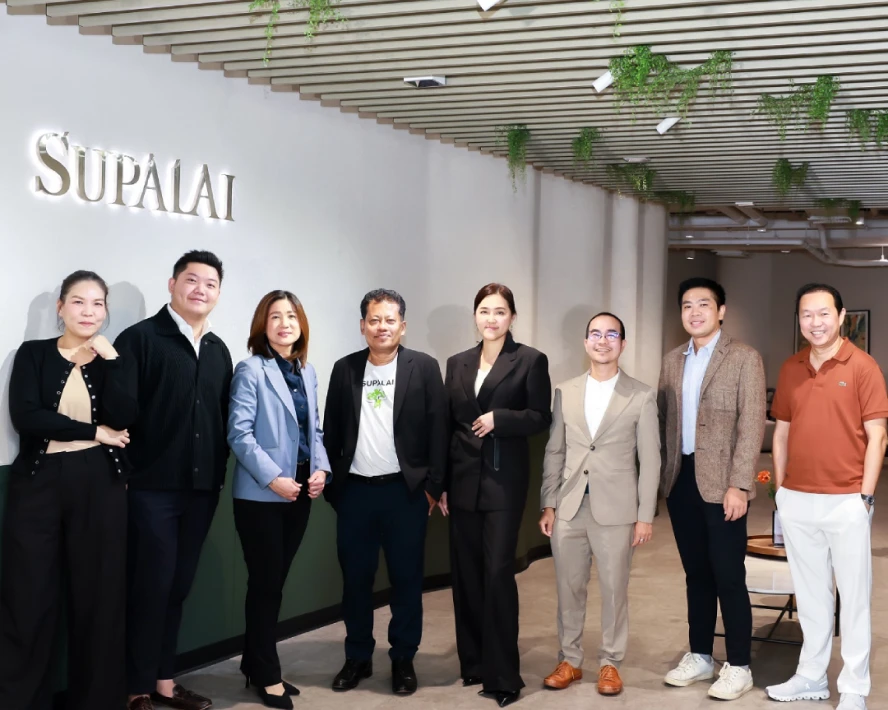
The company adheres to international labour rights principles by supporting and promoting employee participation in welfare management and conditions. Concrete operations are carried out through the "Welfare Committee and Supalai Relations Club," established under the Labour Protection Act B.E. 2541 (1998). The committee comprises 12 employee representatives from various departments, serving a 2-year term (2024-2025), selected through a transparent process with clear terms of duty. The operational roles and responsibilities of the Welfare Committee within the establishment are as follows:
- To jointly discuss with the employer to arrange welfare for employees.
- To advise and provide recommendations to the employer regarding employee welfare arrangements.
- To inspect, control, and oversee the welfare arrangements provided by the employer to employees.
- To propose opinions and guidelines for beneficial employee welfare to the Labour Welfare Committee.
This mechanism serves as an employee representative for discussions and negotiations (social dialogue) with the employer, to recommend beneficial welfare arrangements, monitor and oversee welfare provisions to ensure compliance with agreements, and act as a crucial channel for receiving feedback and suggestions via a digital system (QR code) to reflect the true needs of personnel. Such operations demonstrate the company's commitment to maintaining good relationships between employers and employees and respecting the right to association to create fair and sustainable labour standards, with management meetings, follow-ups, and joint reports held monthly.
In 2025, the company reported no incidents or situations of bullying in the workplace.
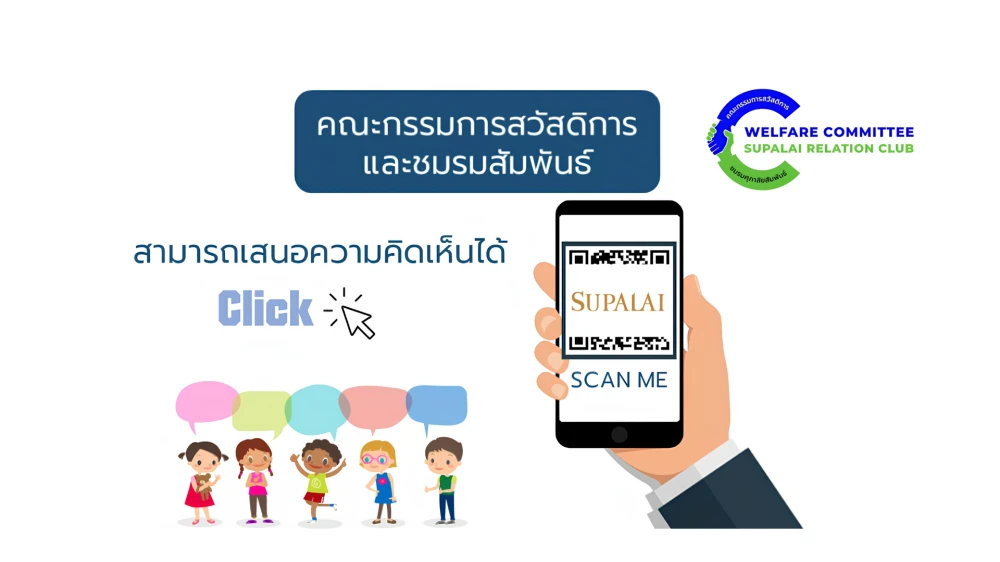
Channels for suggestions or inquiries regarding company welfare.
Form for submitting opinions and guidelines for beneficial welfare and well-being arrangements of the company.
Performance Results
Performance Employee and Labour Management
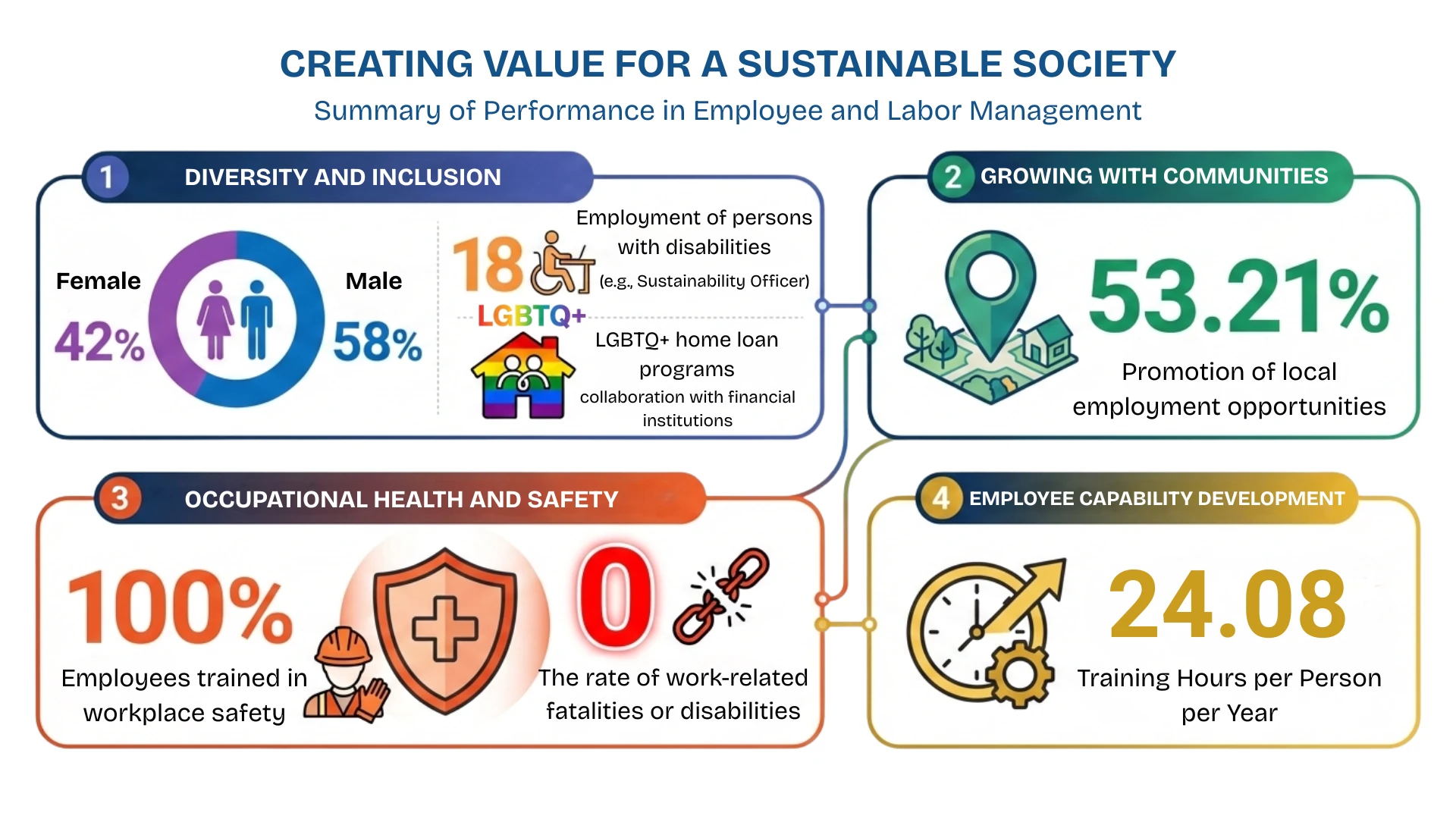
Diversity, equality and non-discrimination.
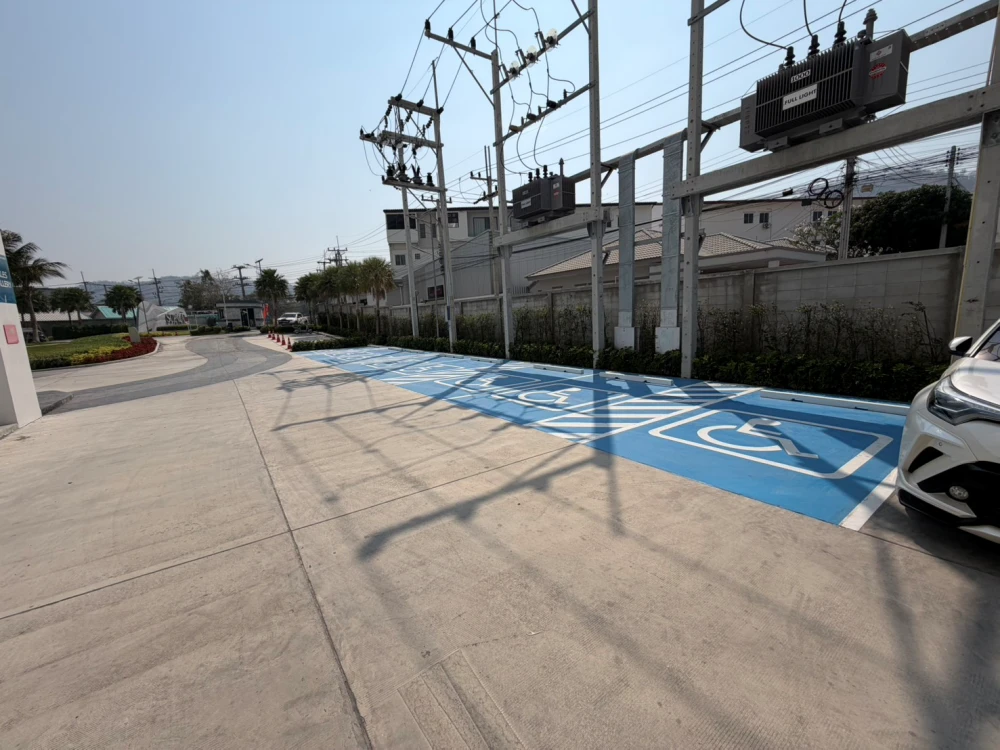
The company conducts accessibility assessments in buildings, considering key elements such as ramps, elevators, and restrooms for persons with disabilities, parking, and internal building circulation paths, as well as common areas such as gardens and walkways, to comply with relevant laws and standards. These actions reflect the company's commitment to respecting human rights, non-discrimination, and creating an environment that everyone can access and utilize equally.
Universal Design: Designing common areas to be accessible for all ages.
Disabled Persons Access: Design considering persons with disabilities. Building Accessibility for Persons with Disabilities and Physical Limitations.
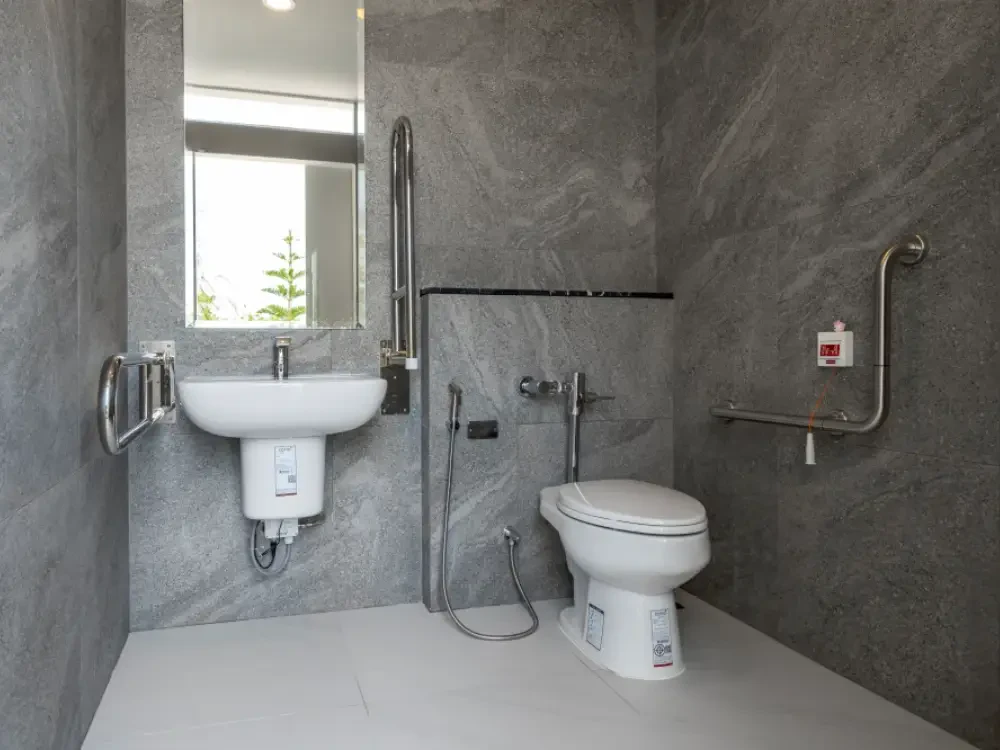
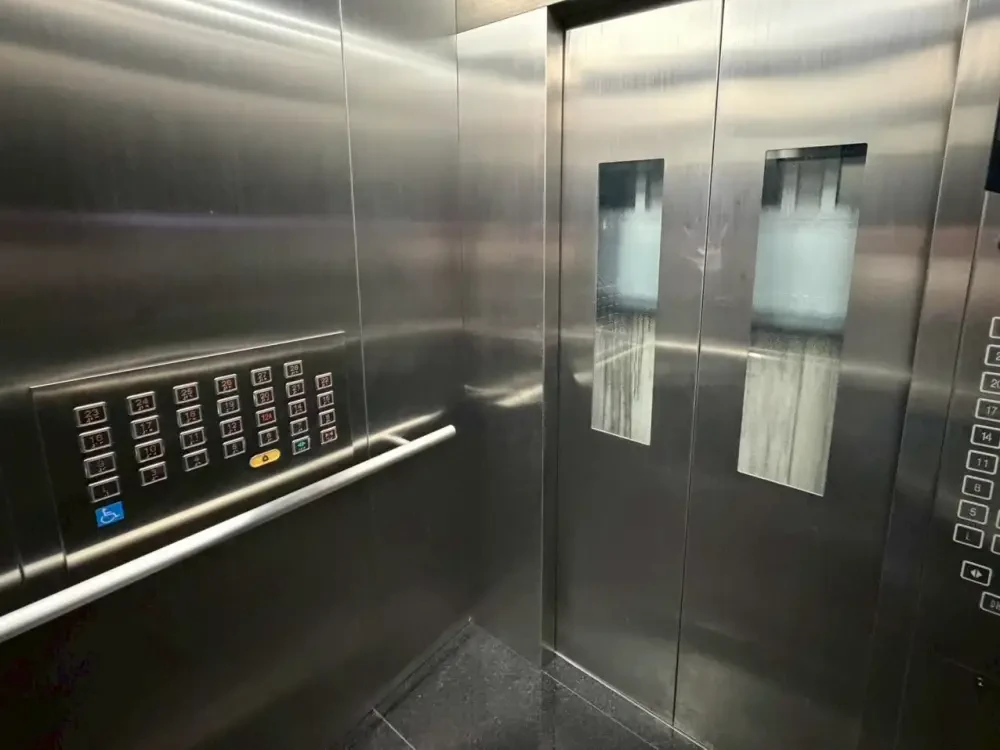
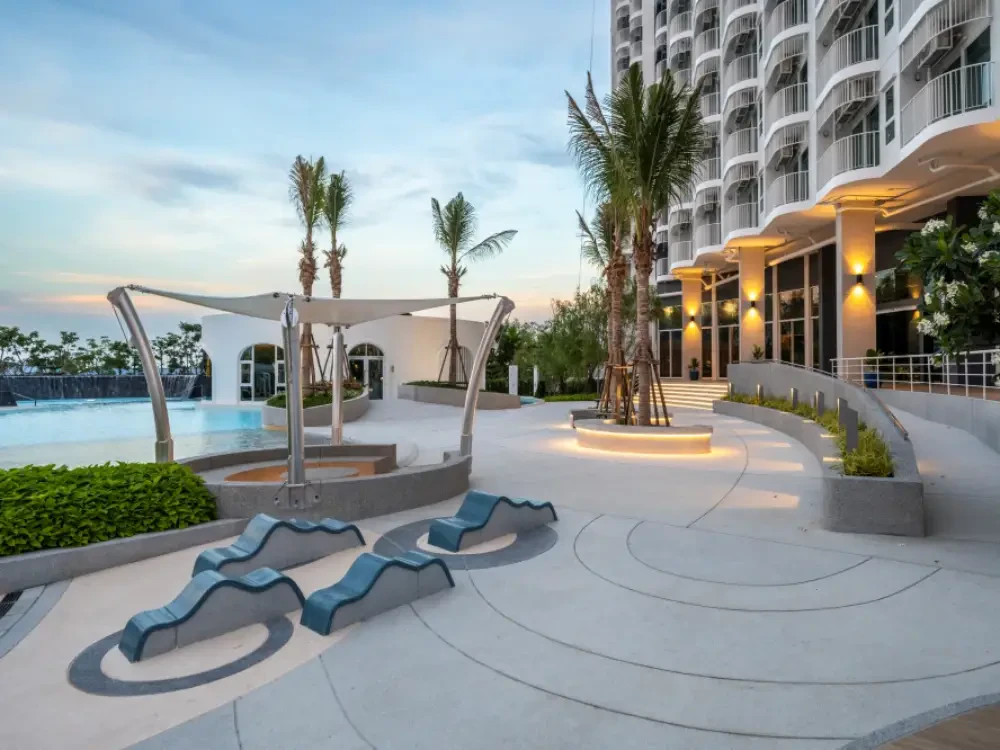
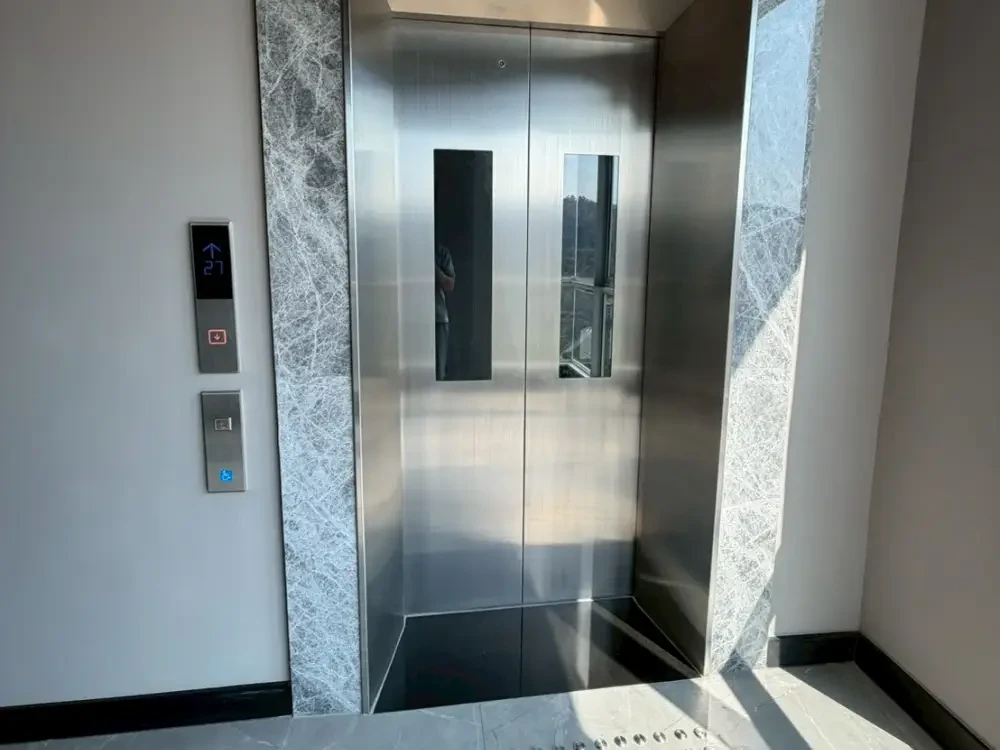
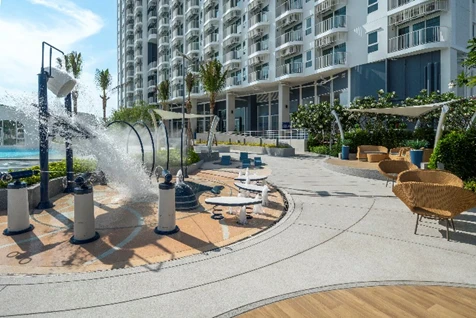
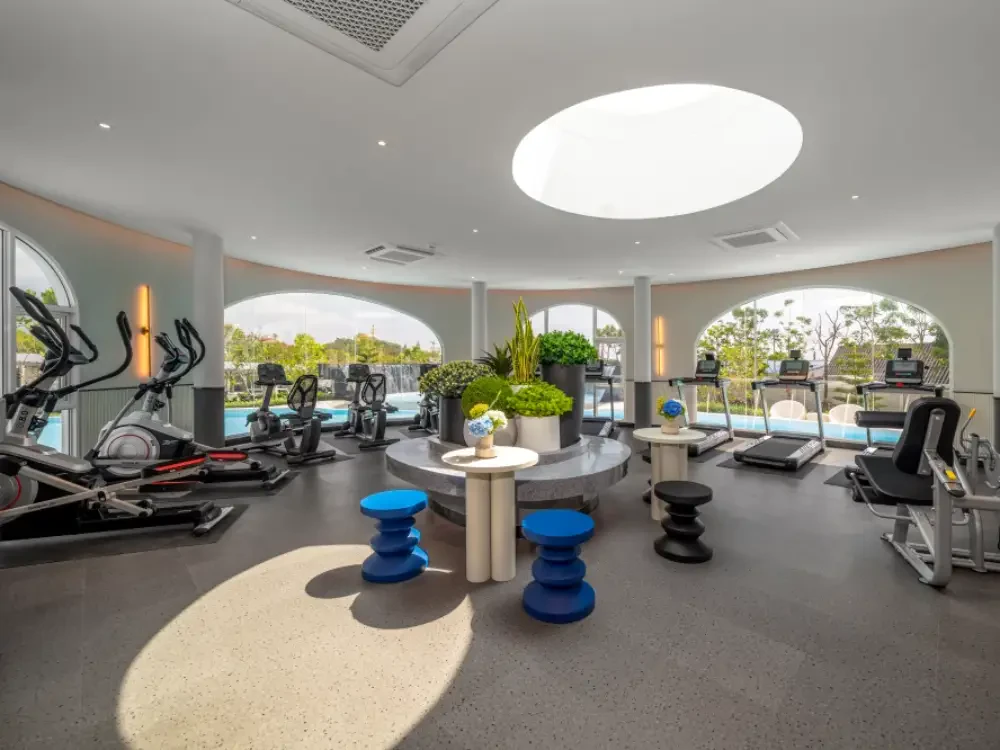
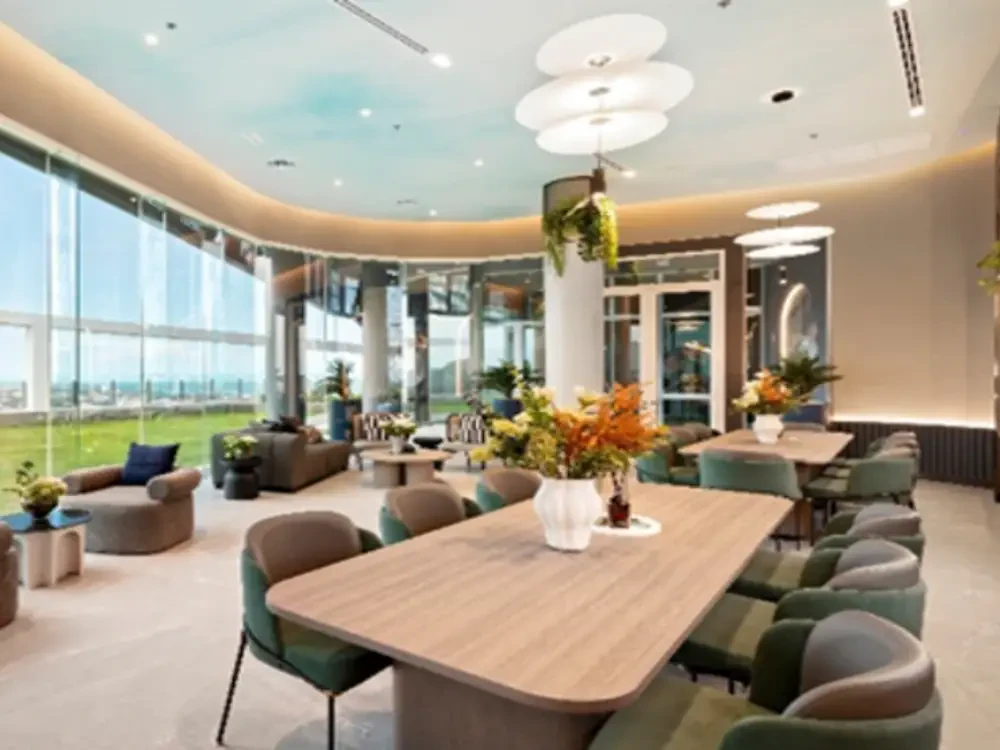
Community: Creating common areas that promote physical and mental well-being, such as gardens, swimming pools, fitness centers, and co-working spaces.


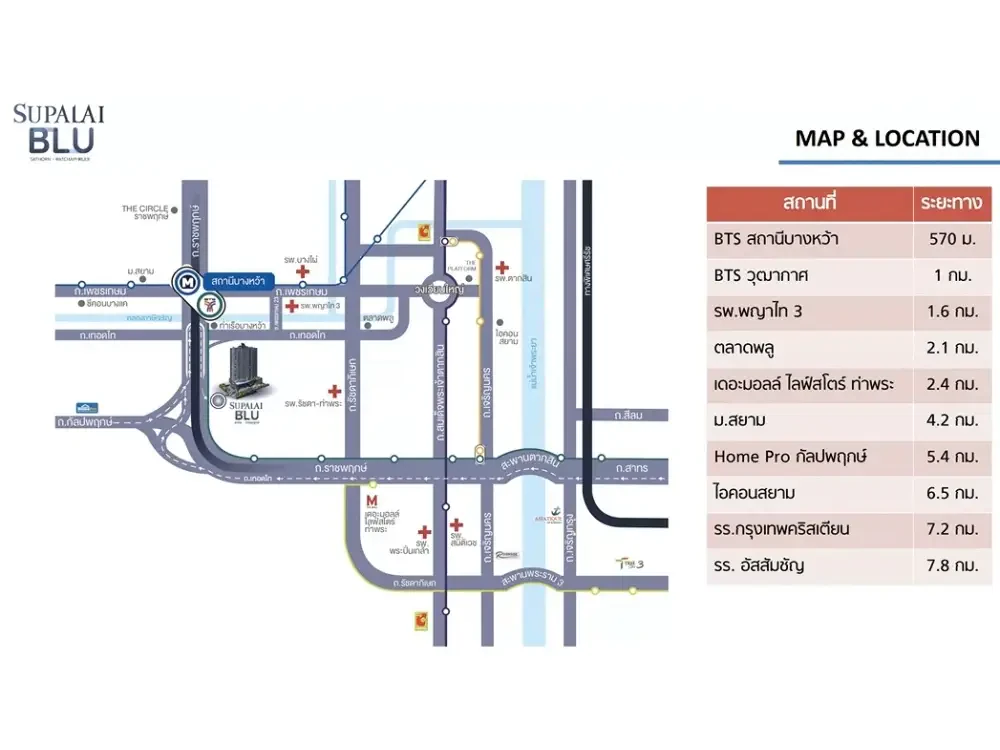
Consideration of Access via Public Transport: Public transportation access in the project design and development phase.
The company prioritizes site selection, design, and project development with appropriate consideration for public transportation access to support convenient, safe, and environmentally friendly travel. The company has integrated consideration of these issues during the project feasibility study and master plan design phases, such as evaluating the distance from main public transportation systems, convenience of pedestrian connections, and allocating pick-up/drop-off areas within the project to reduce reliance on private vehicles, promote residents' quality of life, and support sustainable urban development.

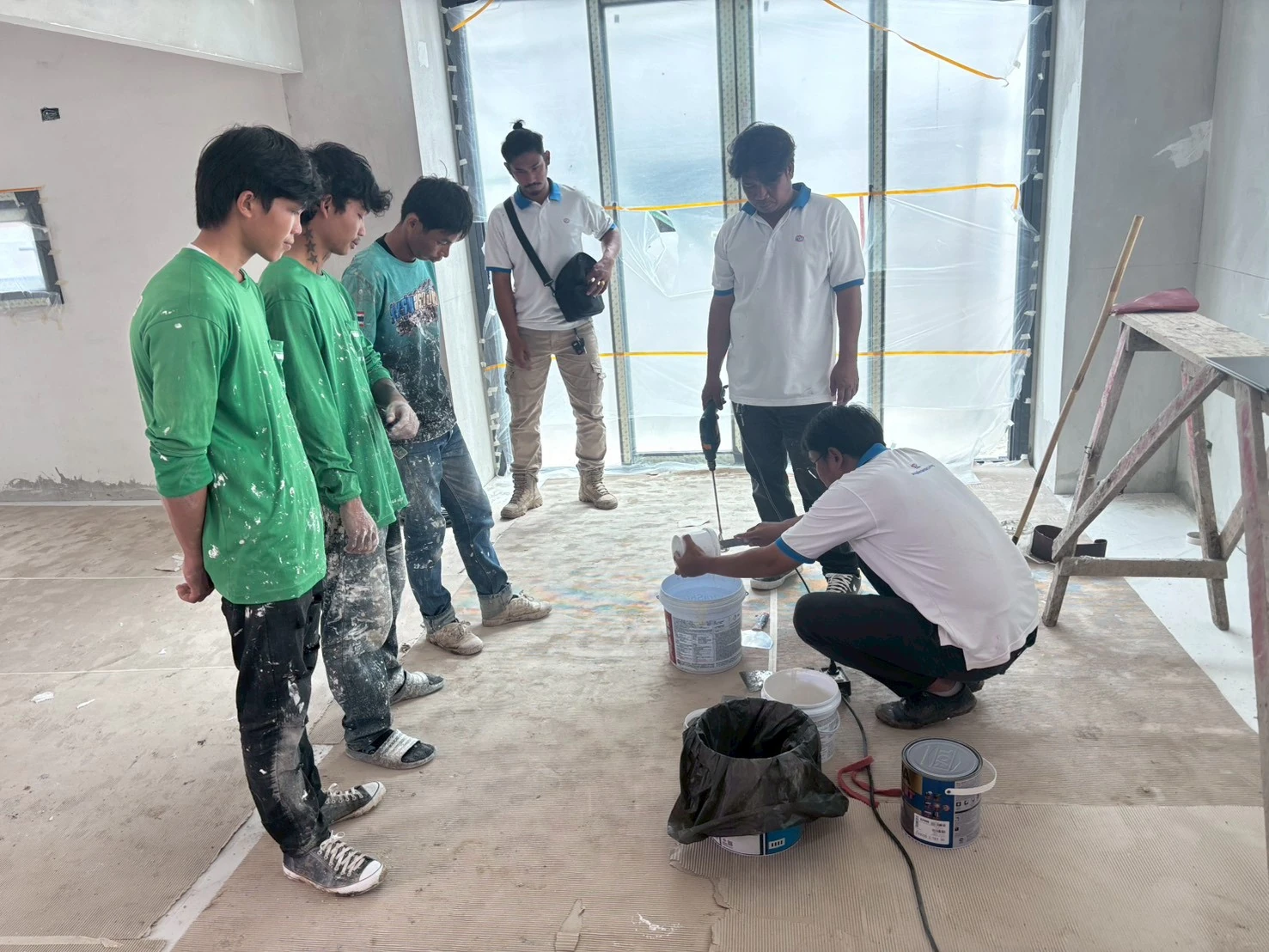
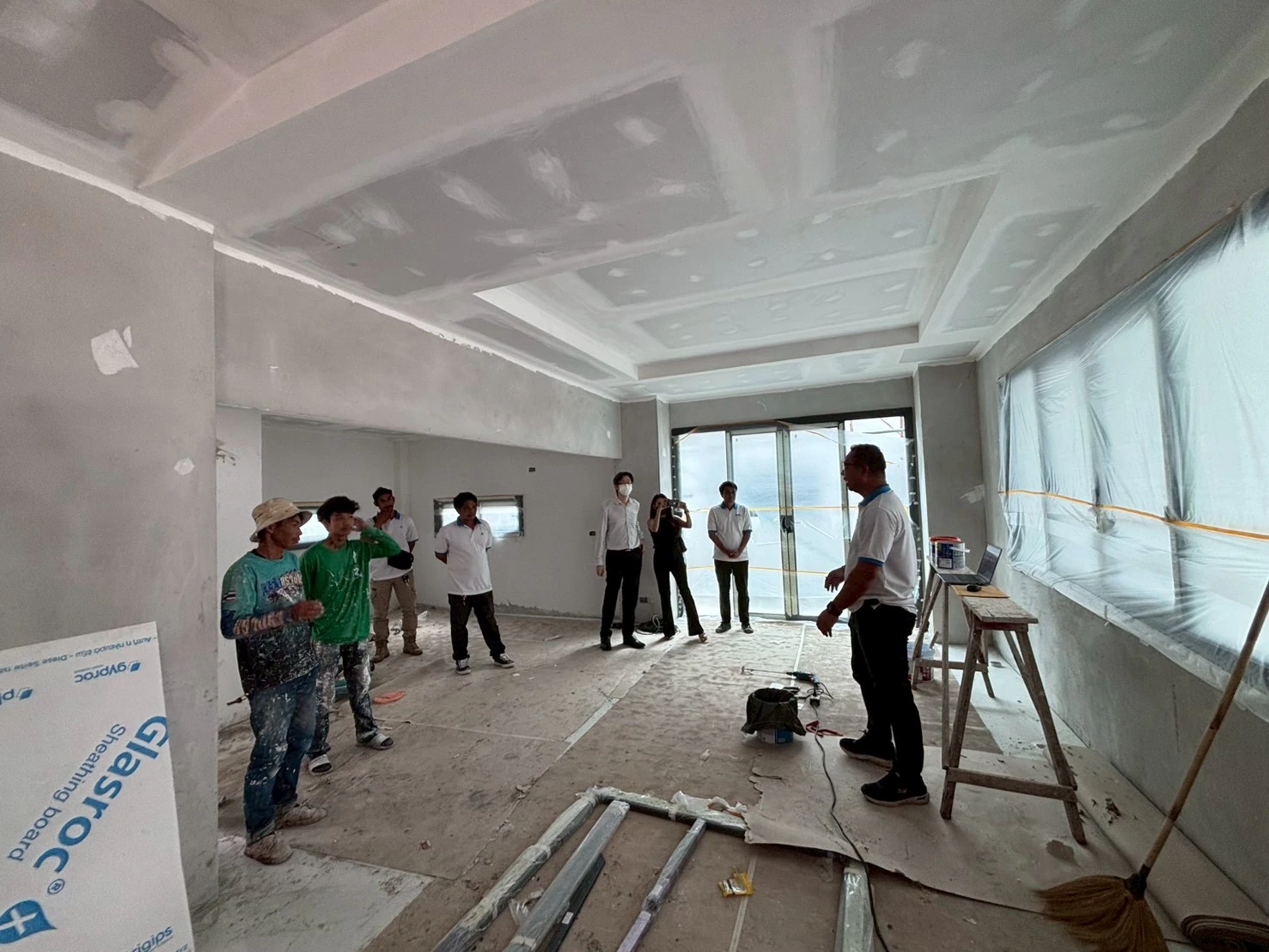
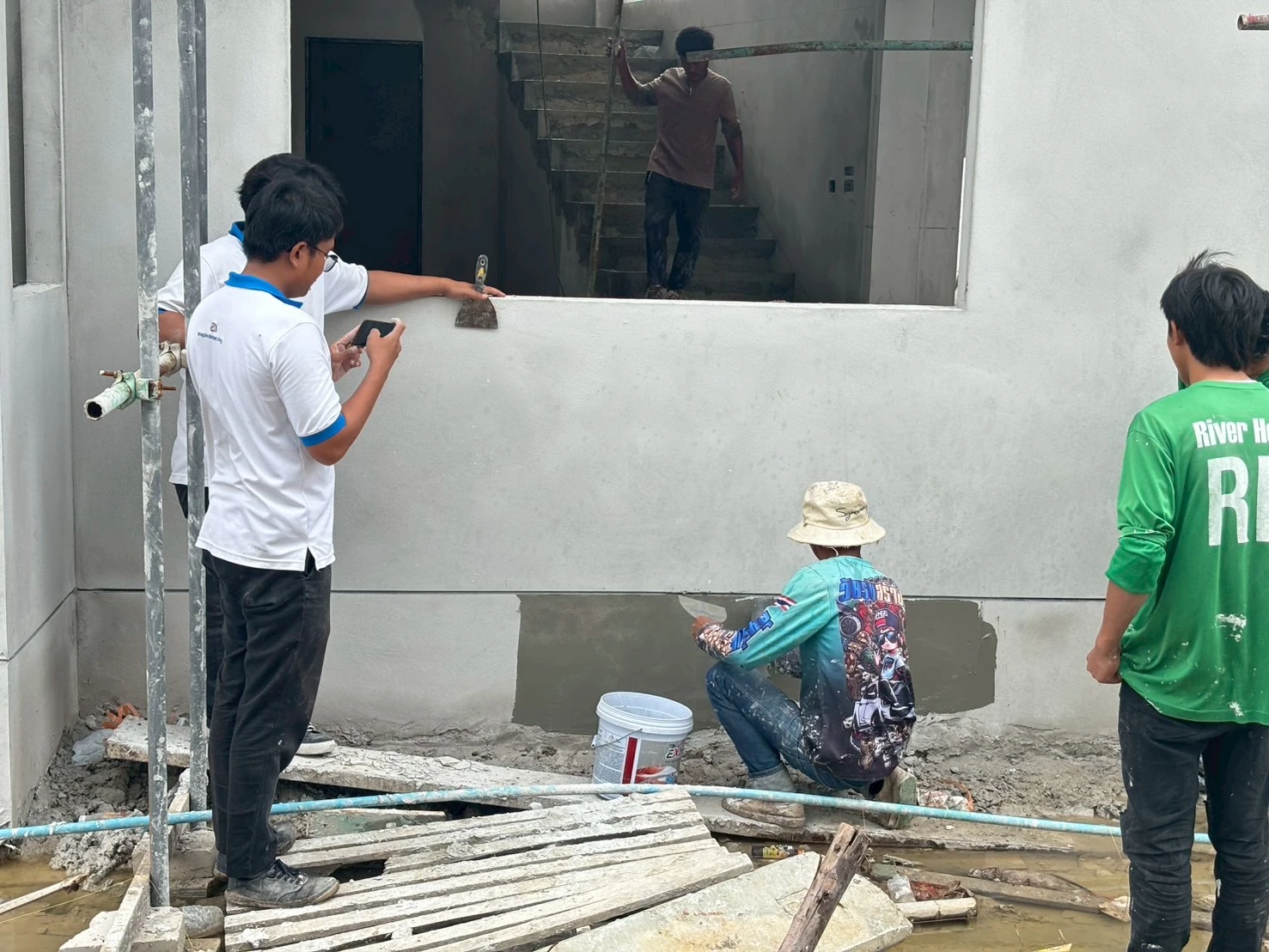
Skilled Labour Development Training
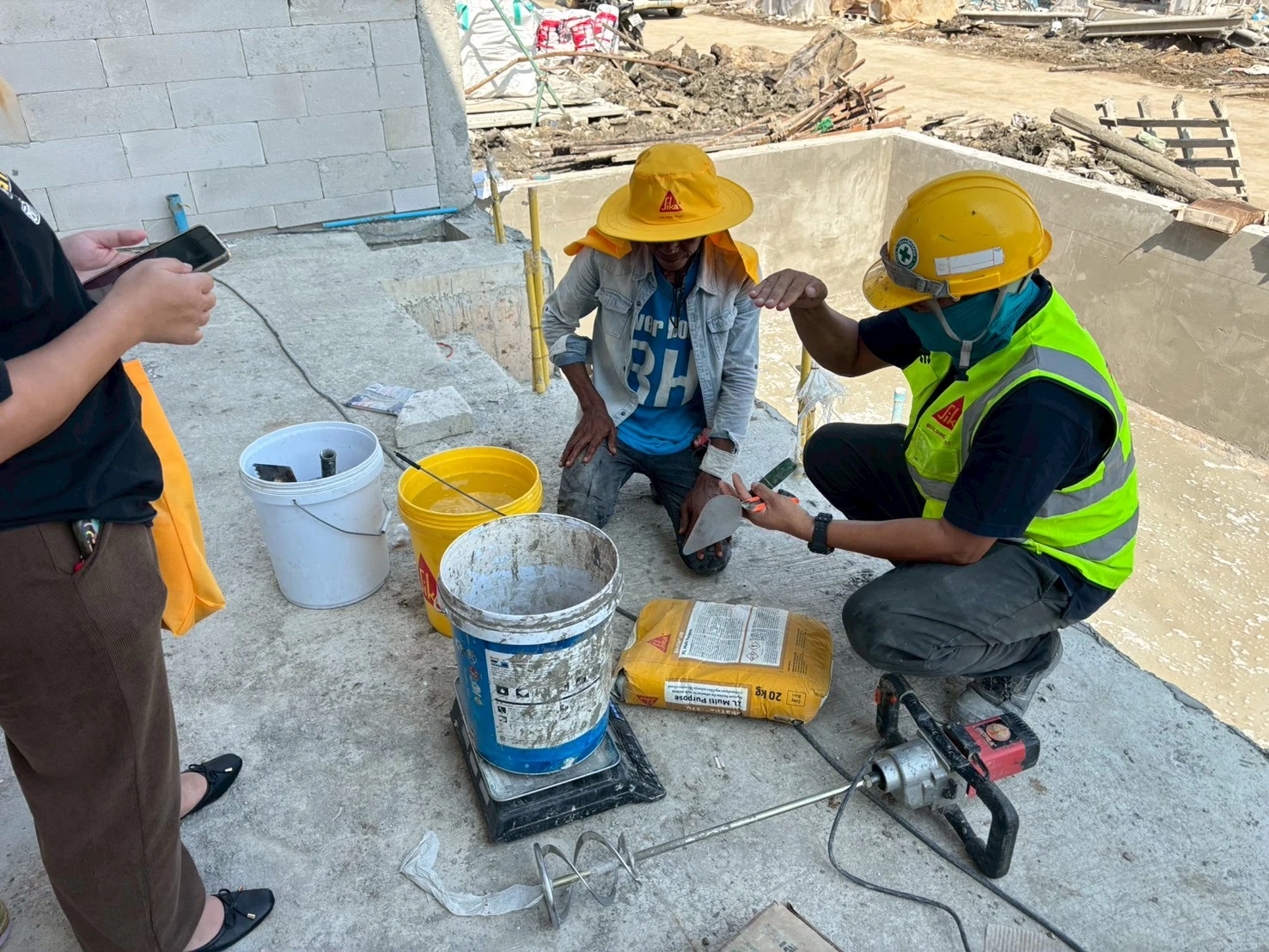
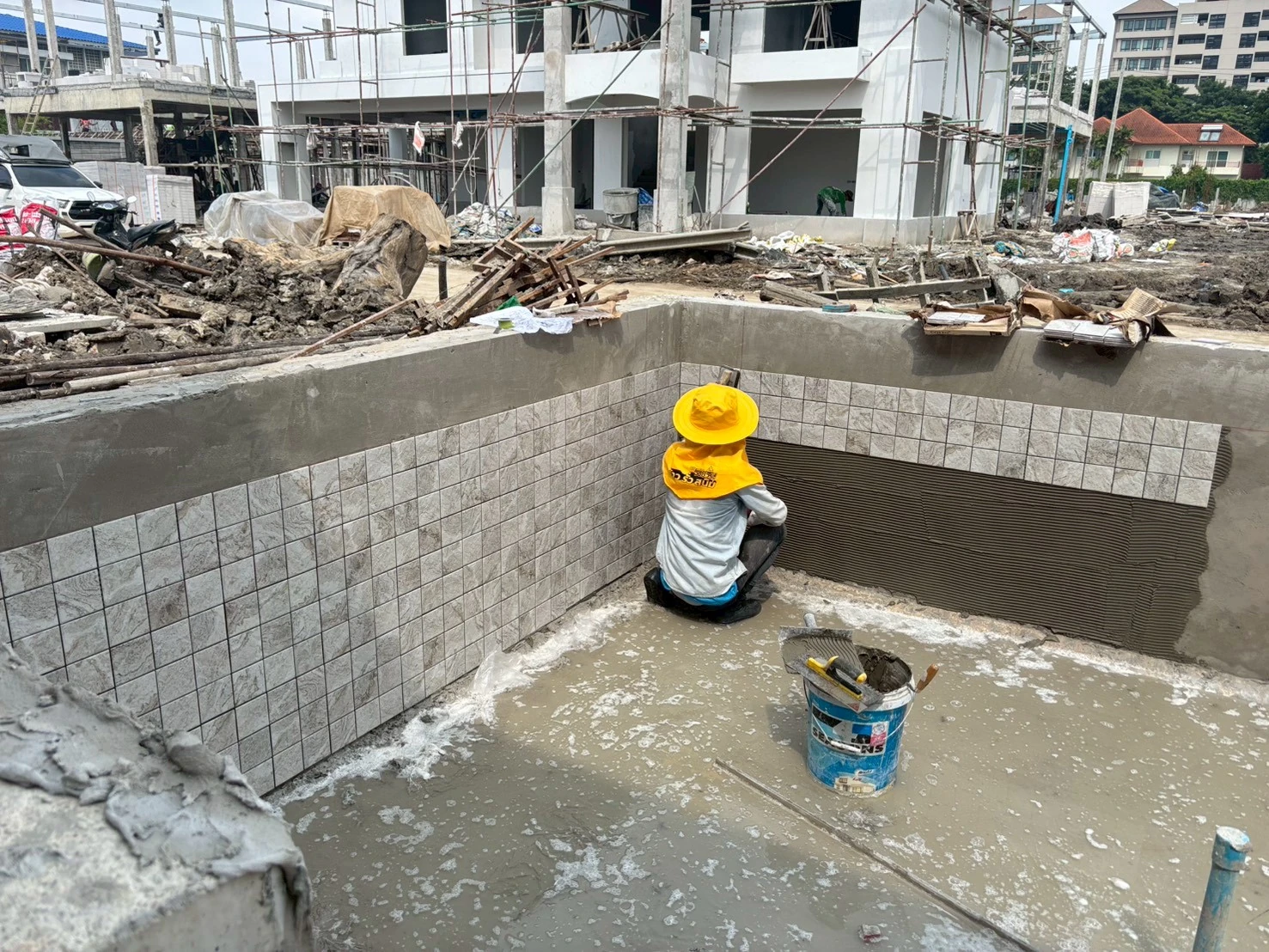
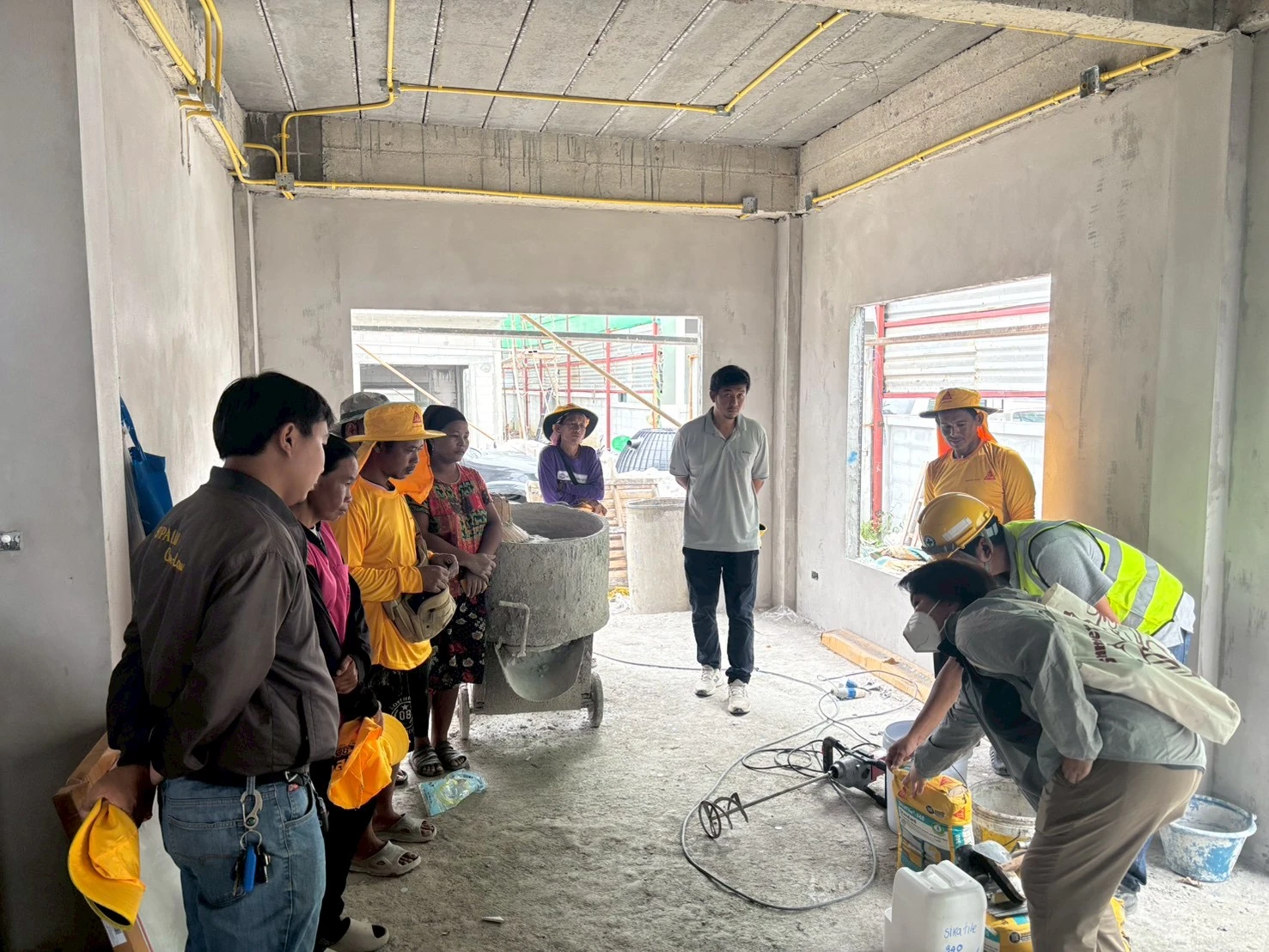
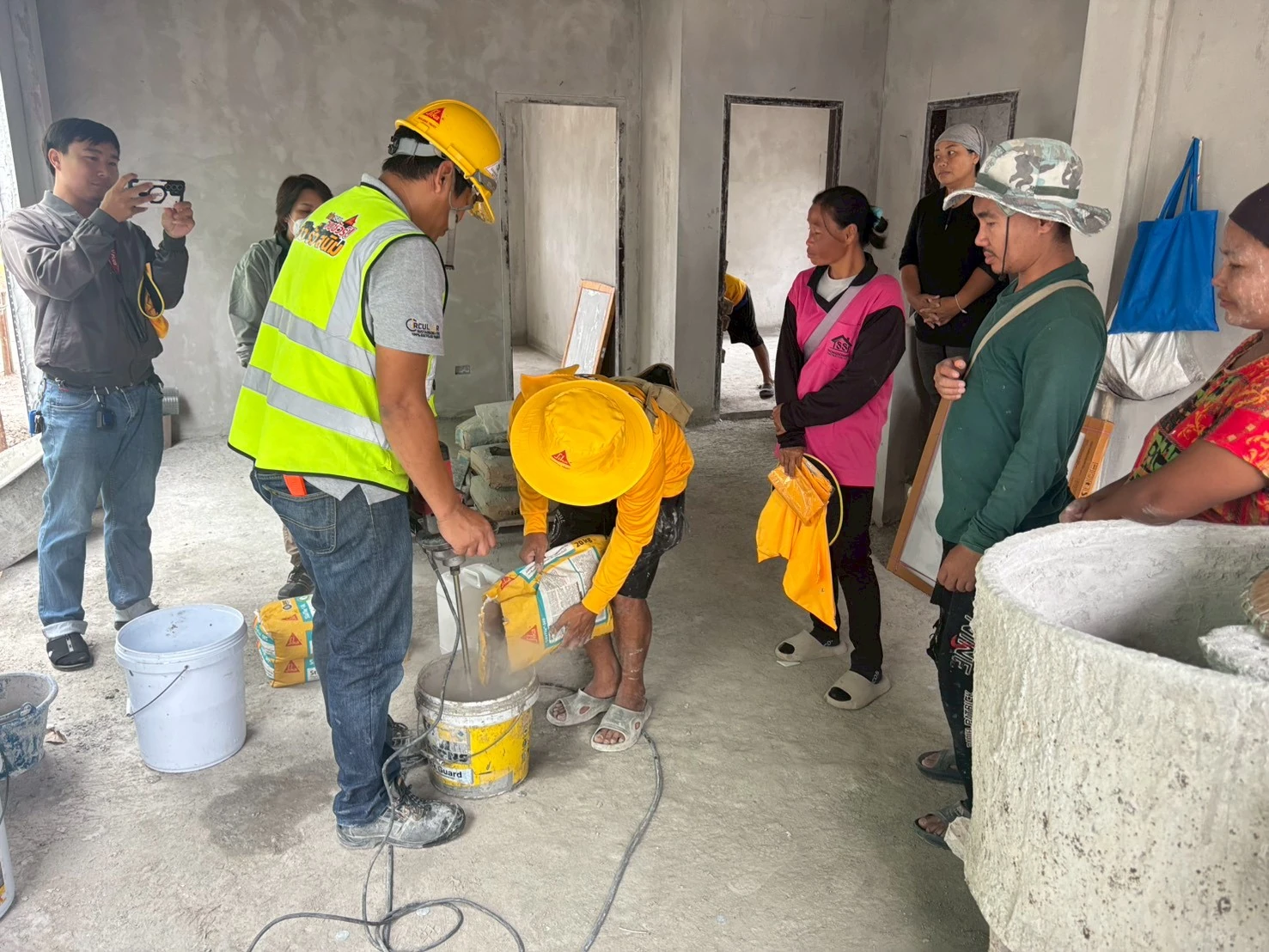
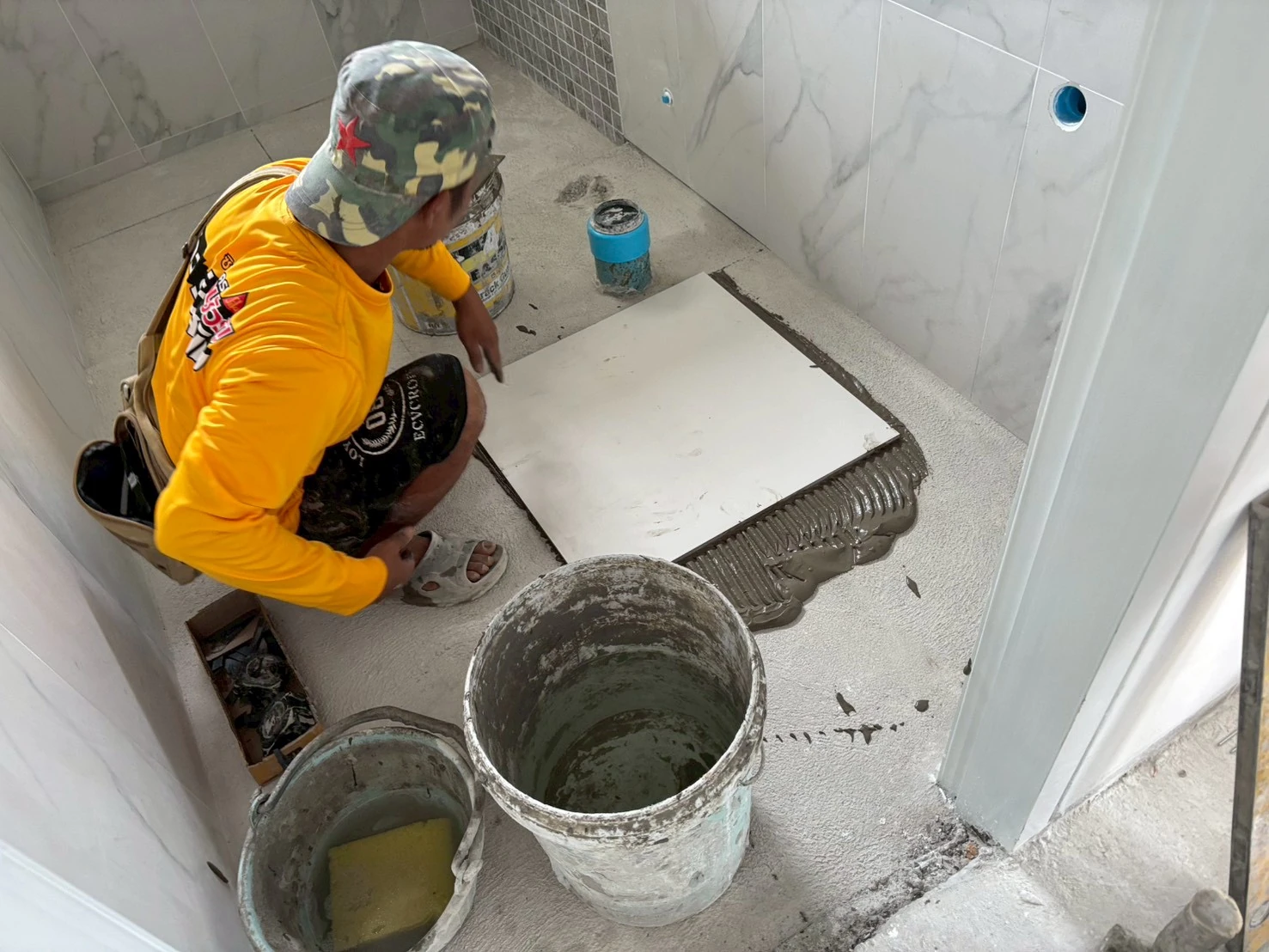
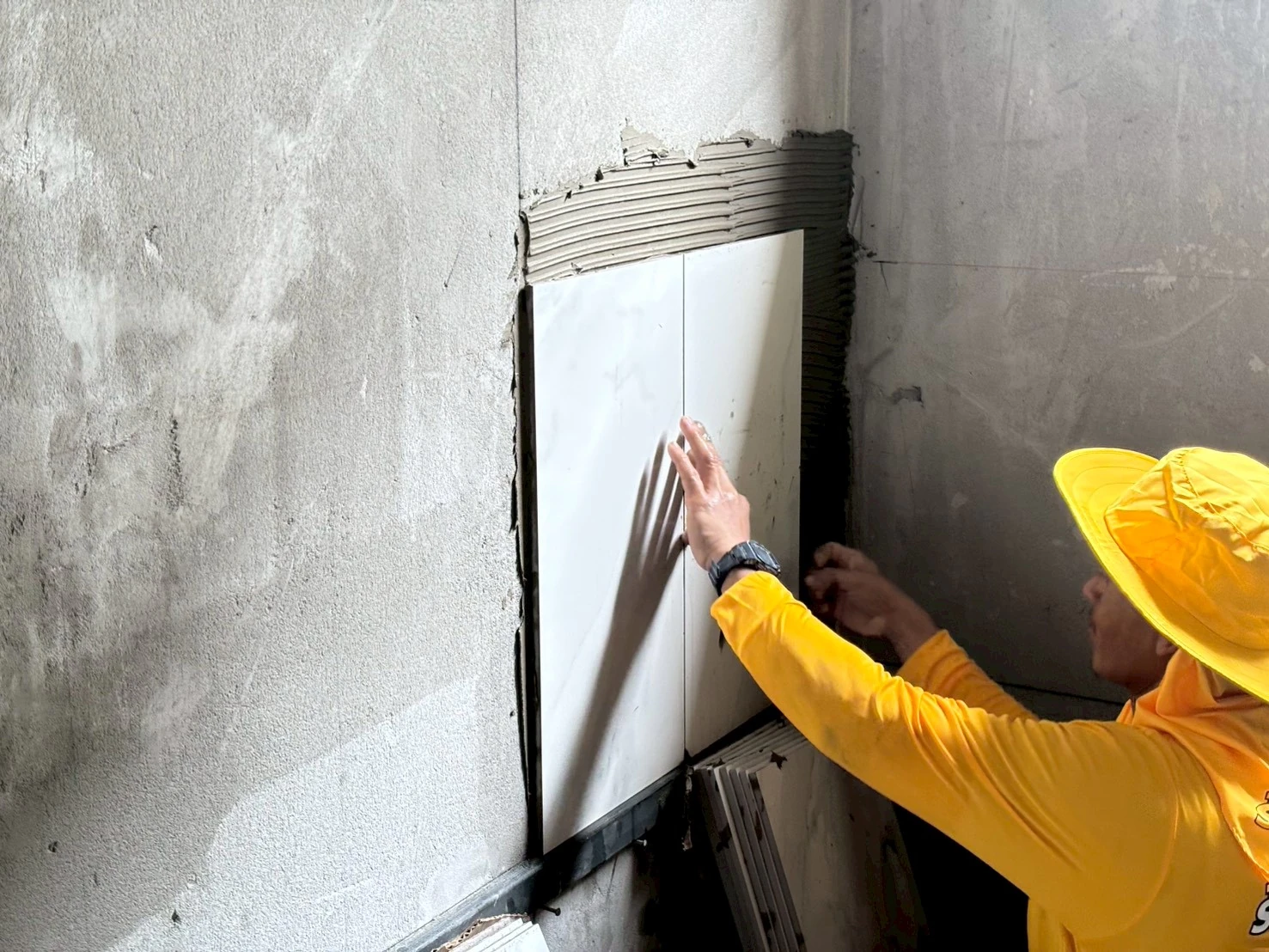
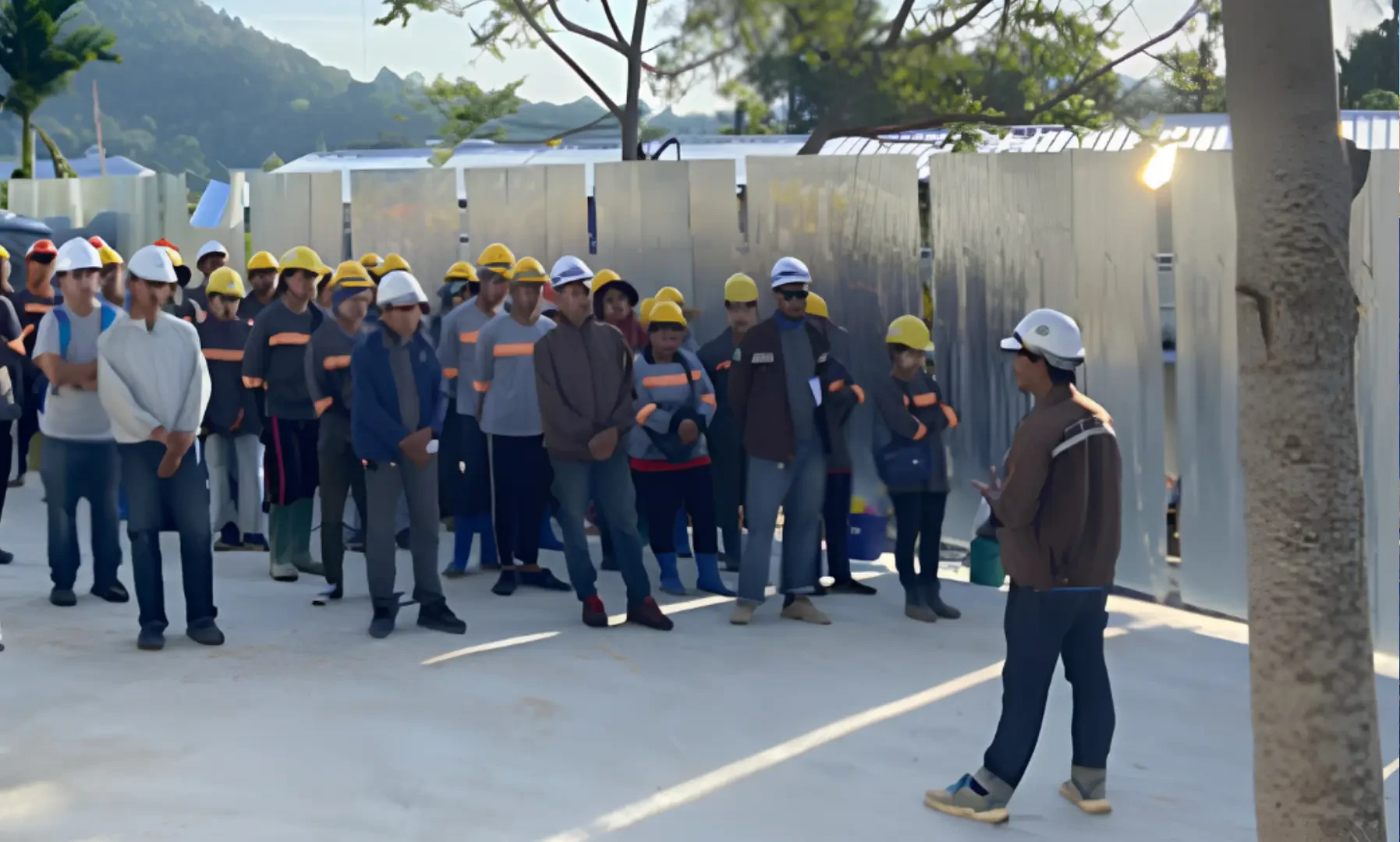
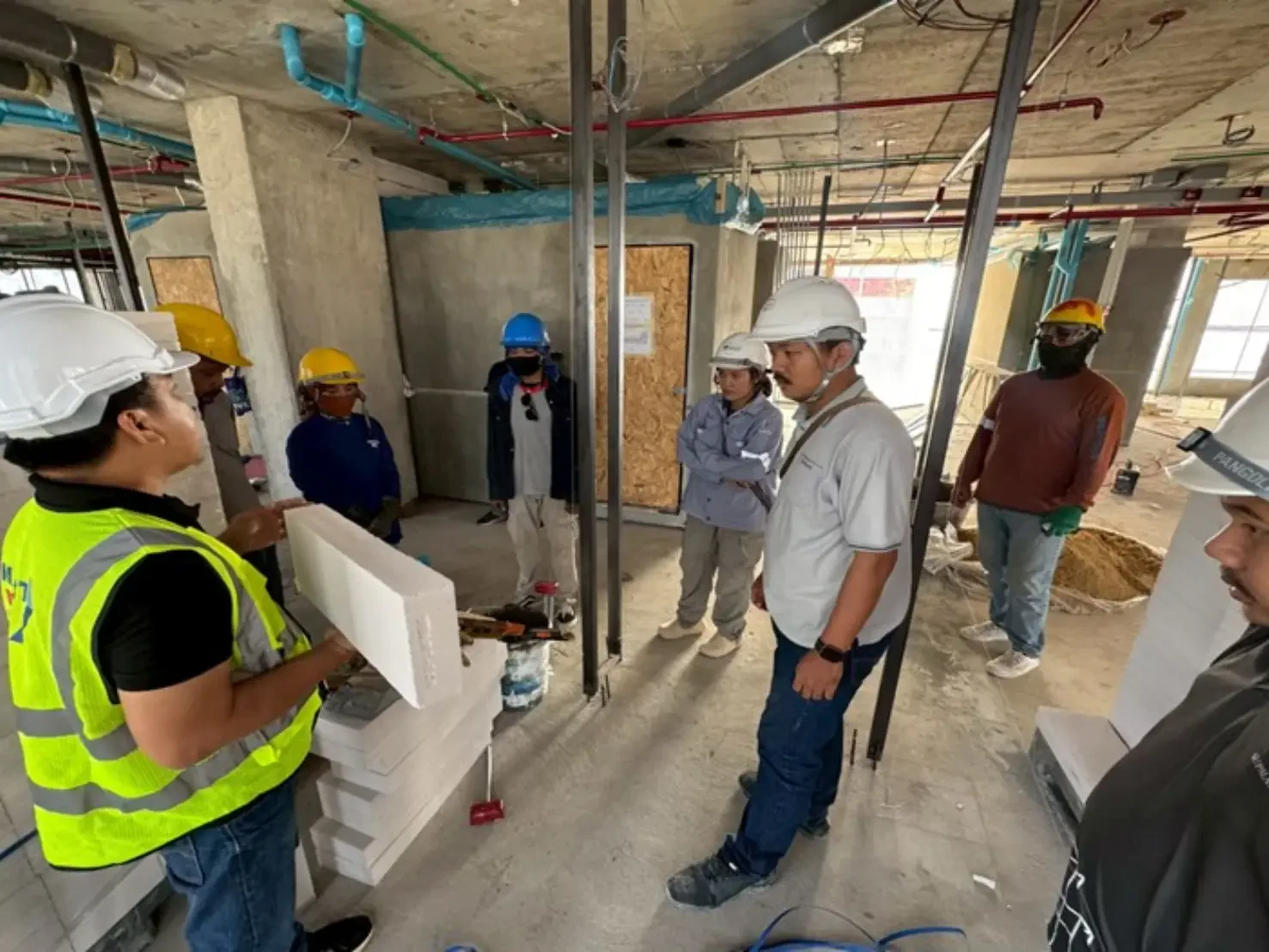
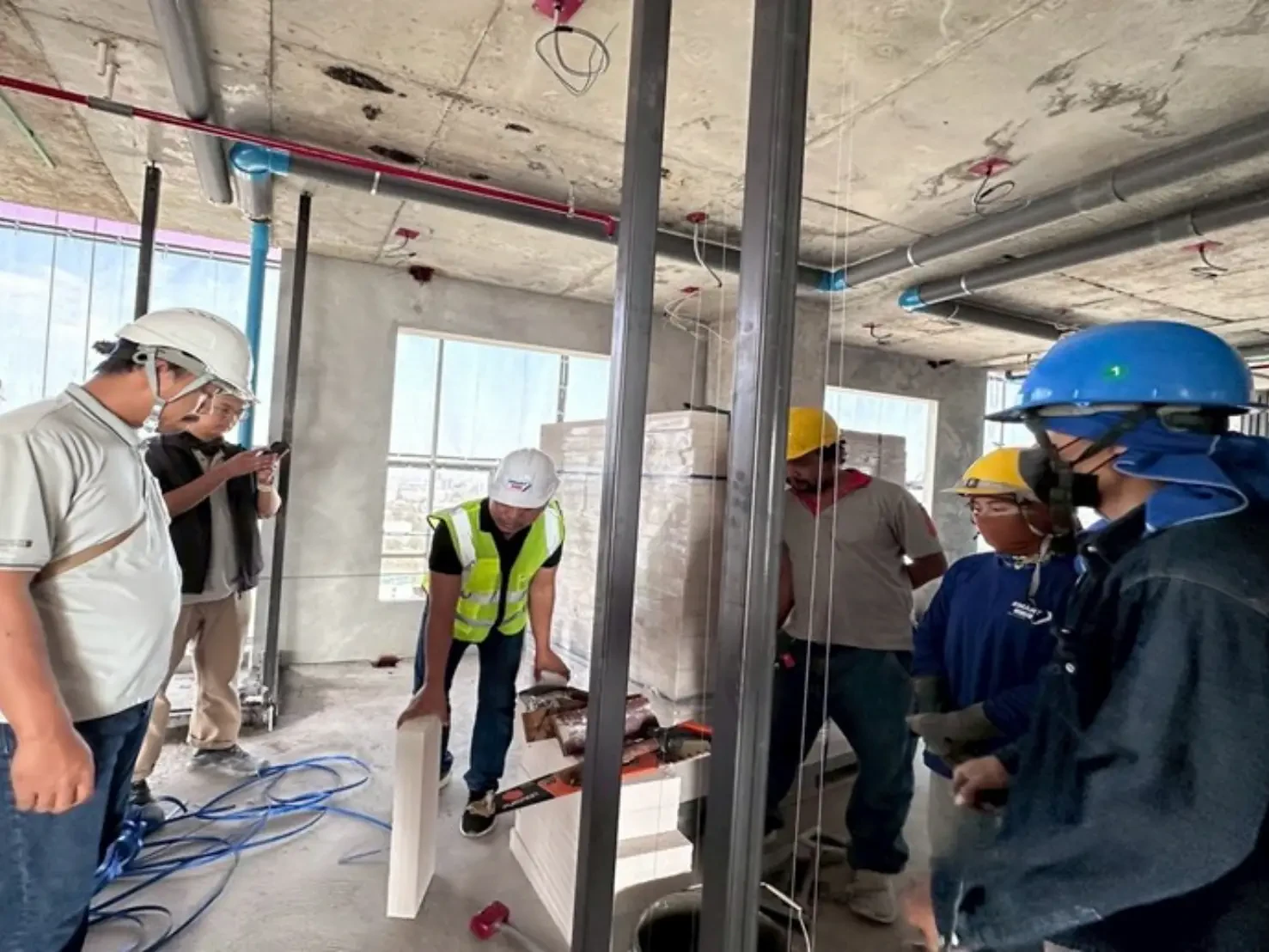
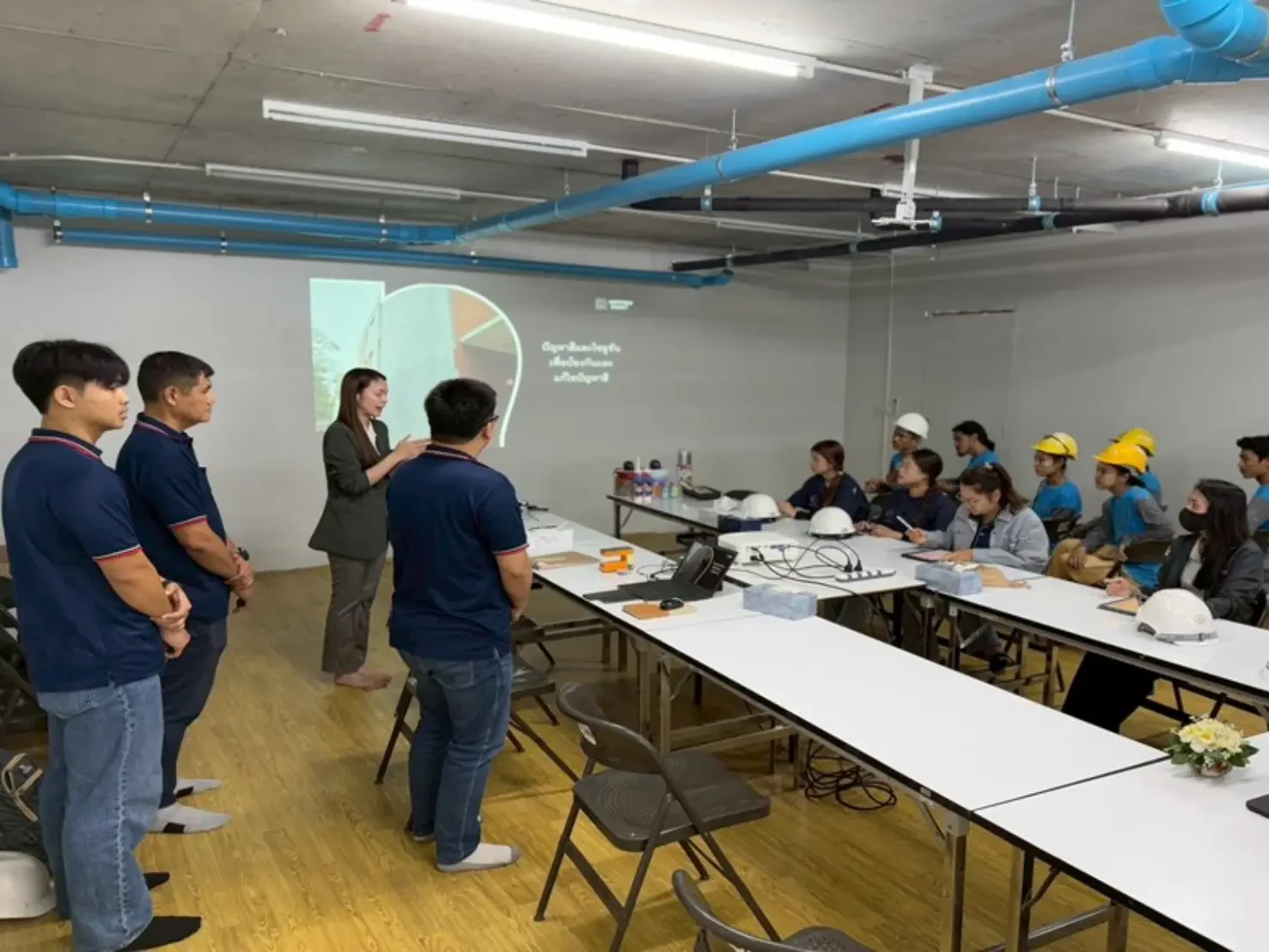
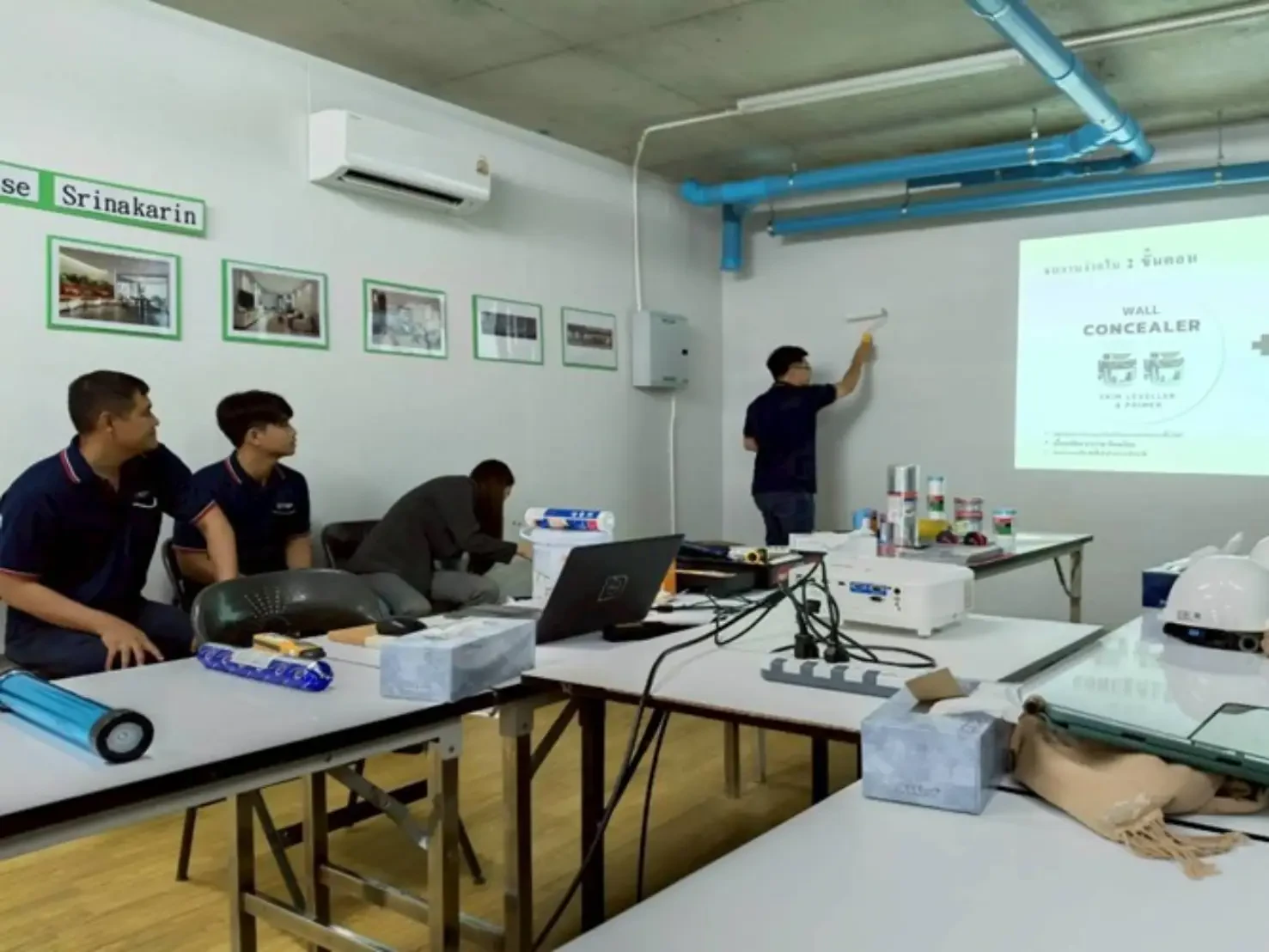
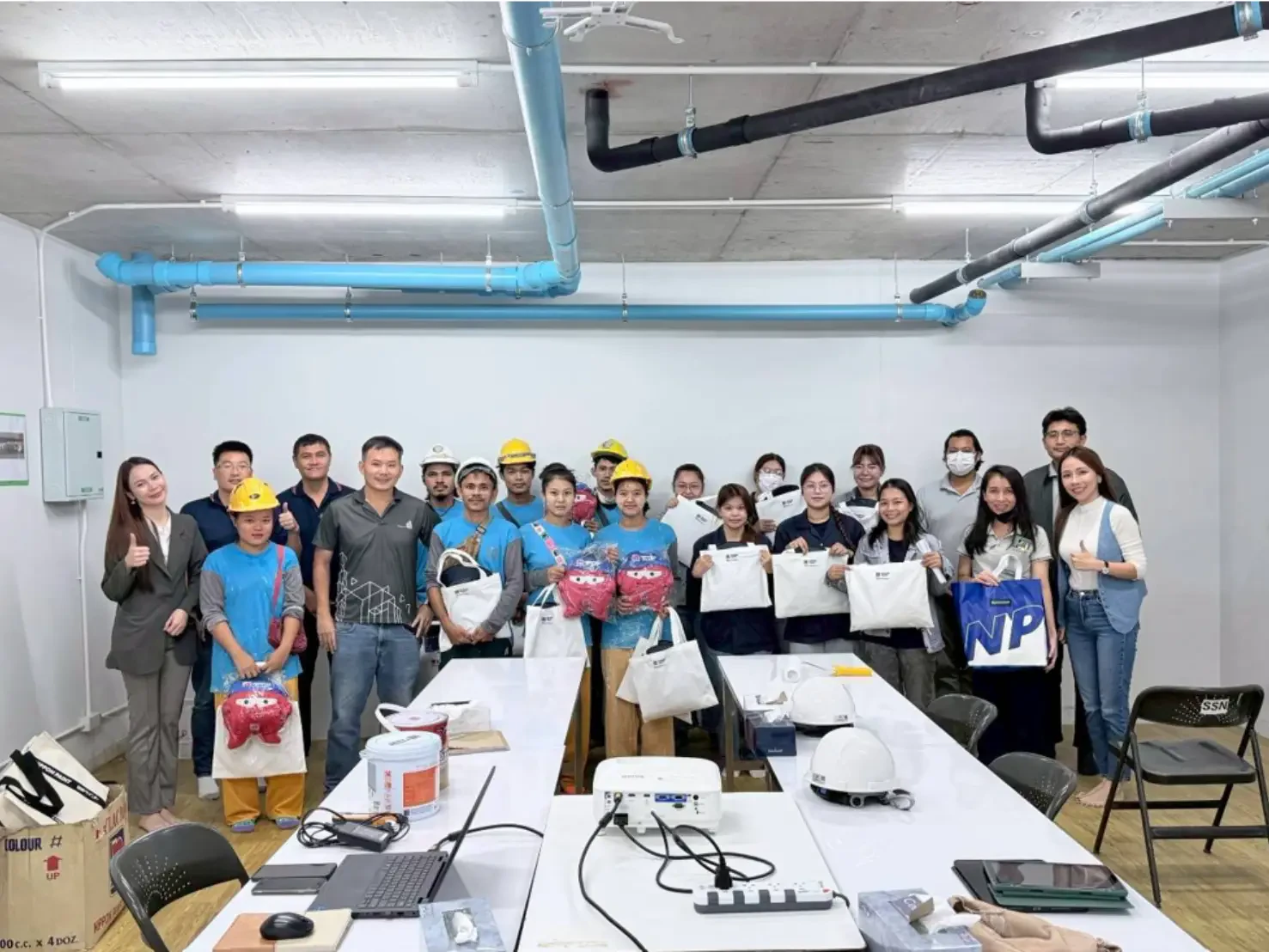
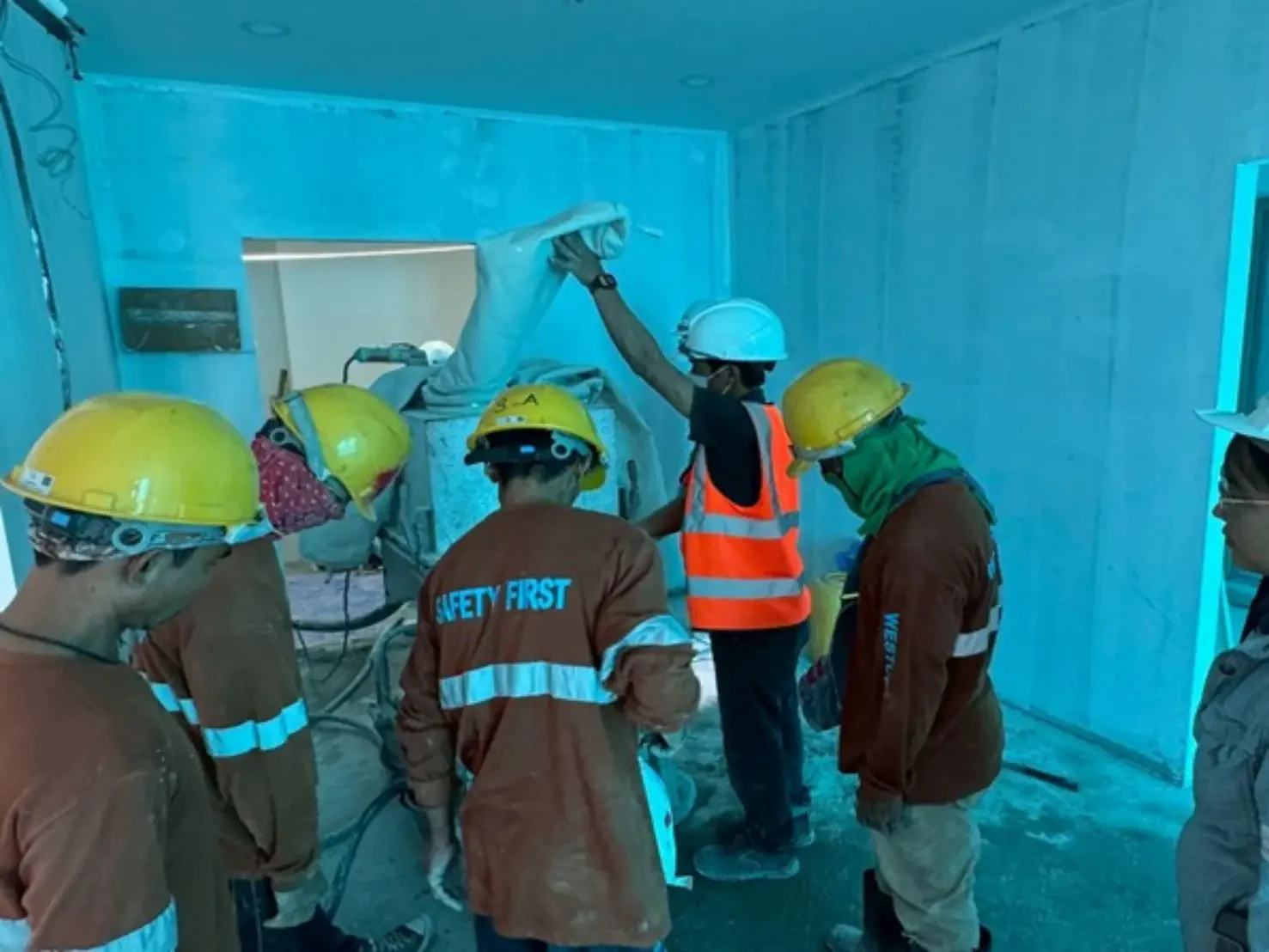
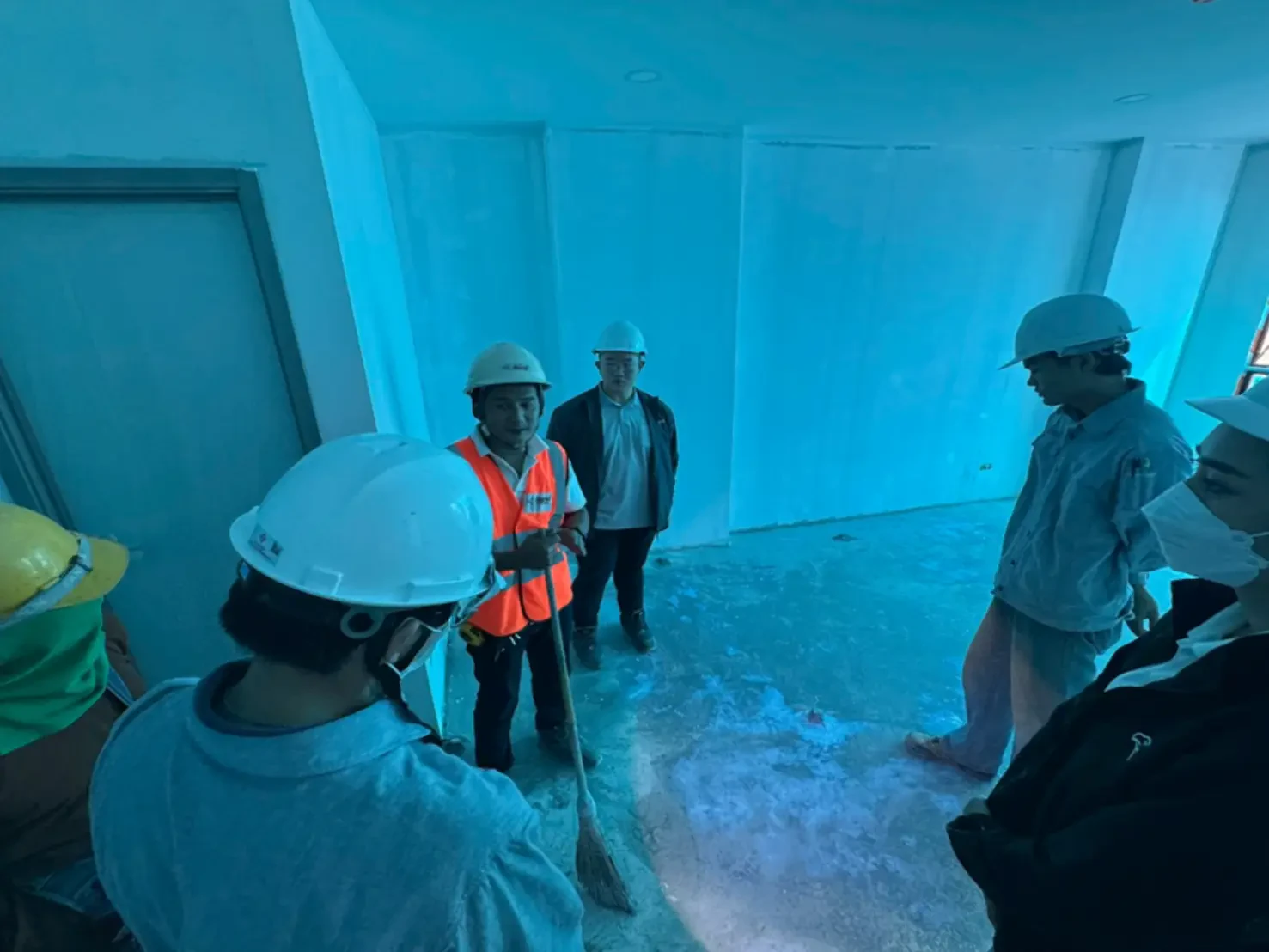
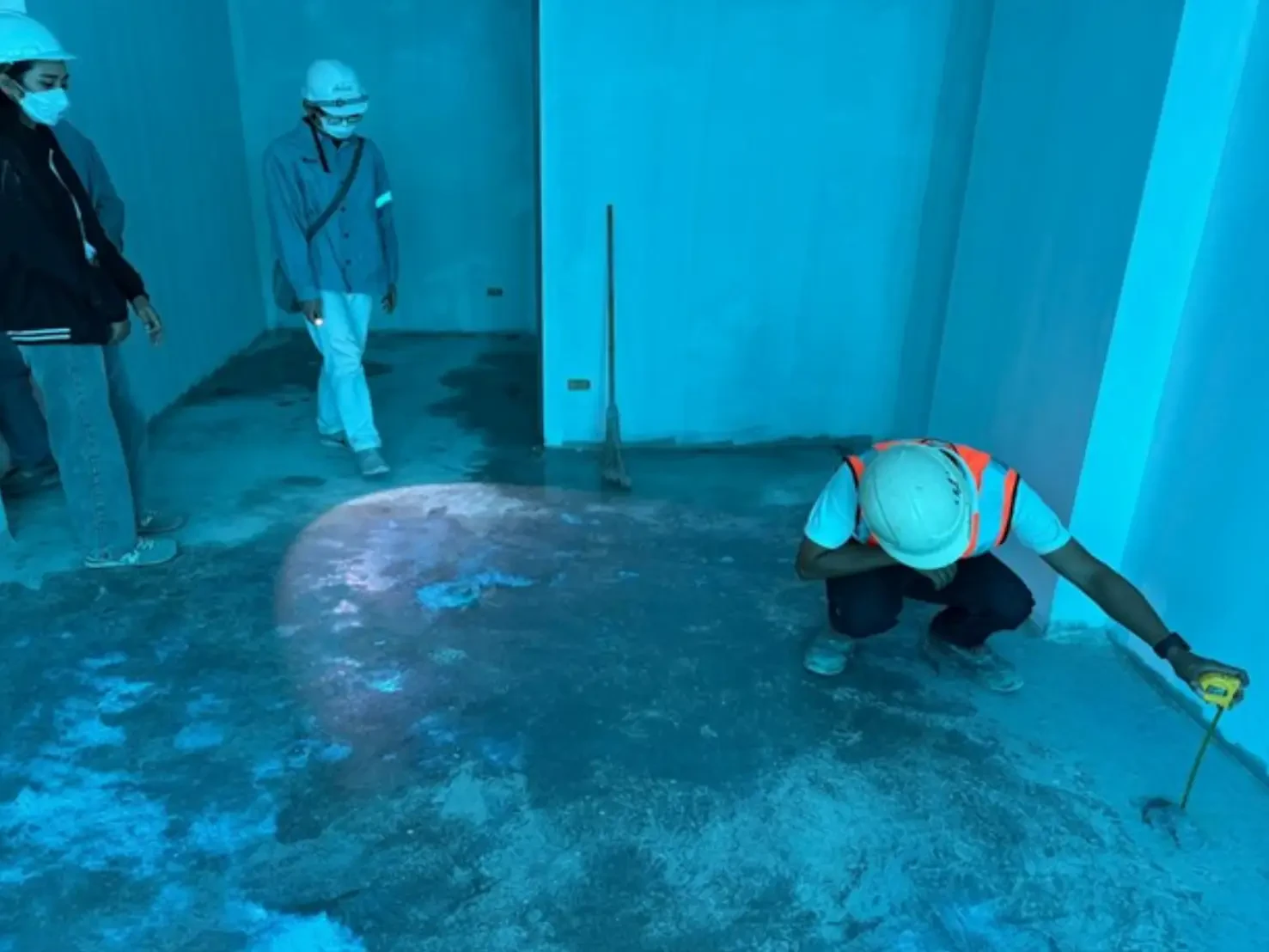
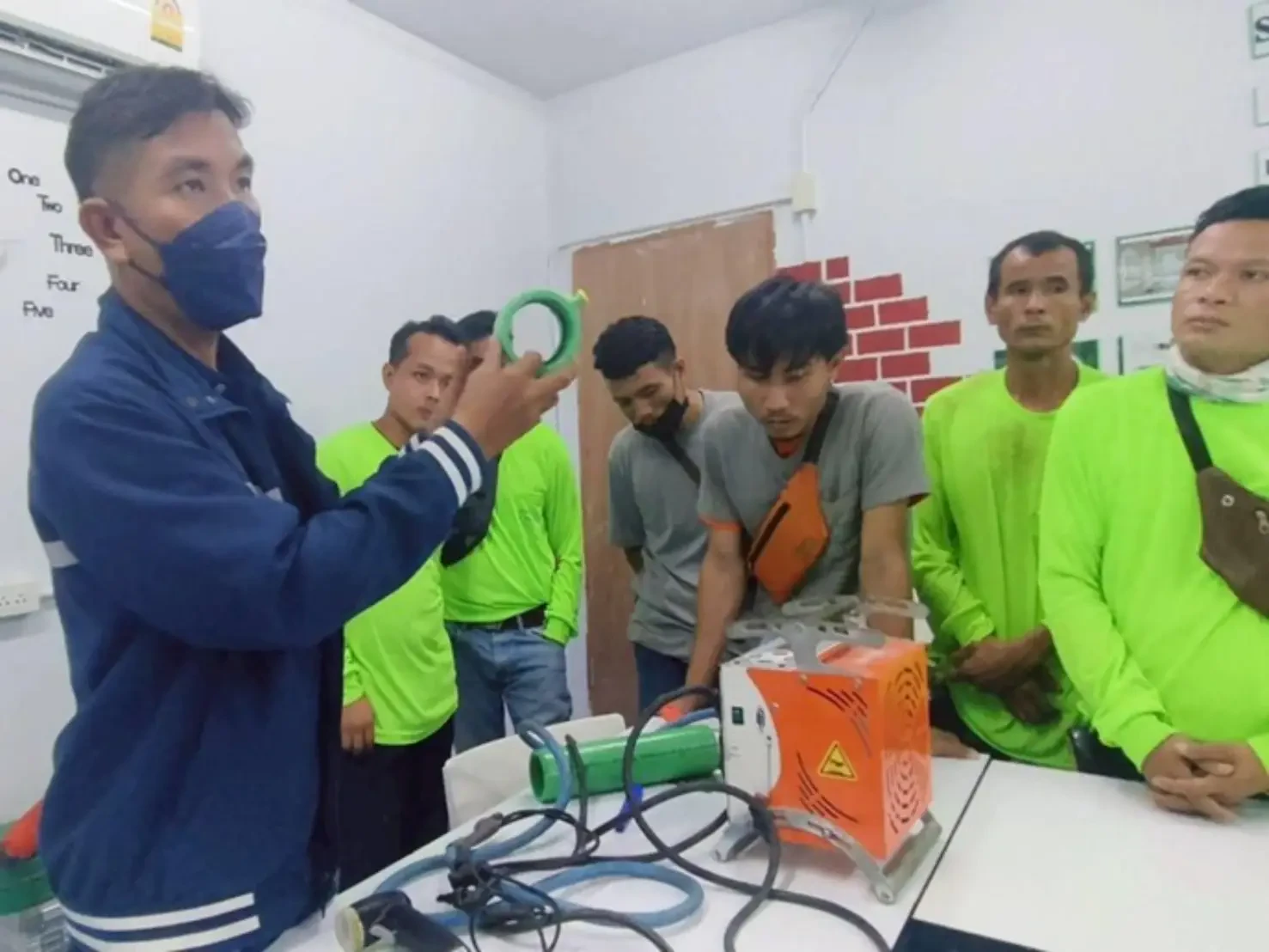
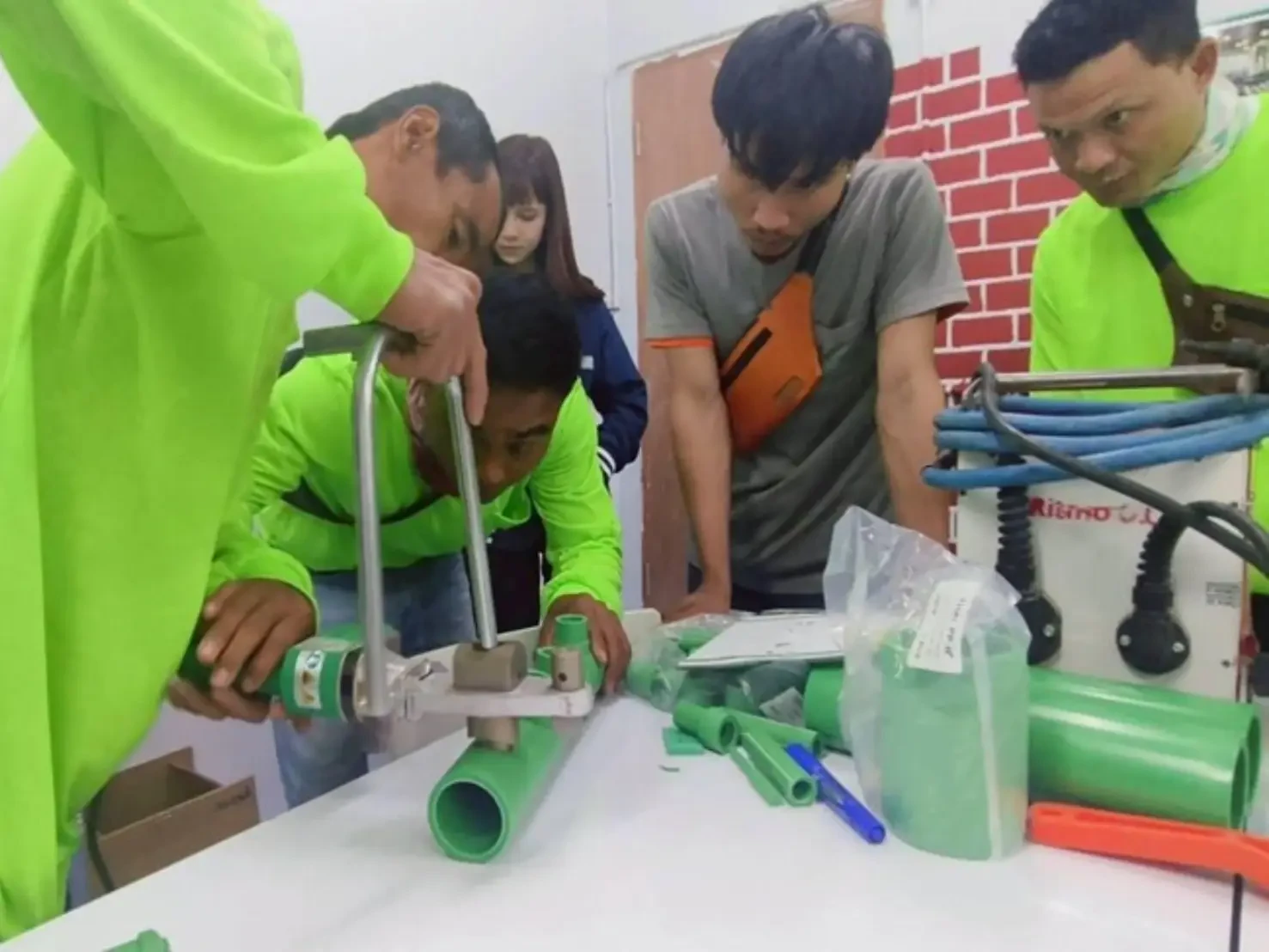
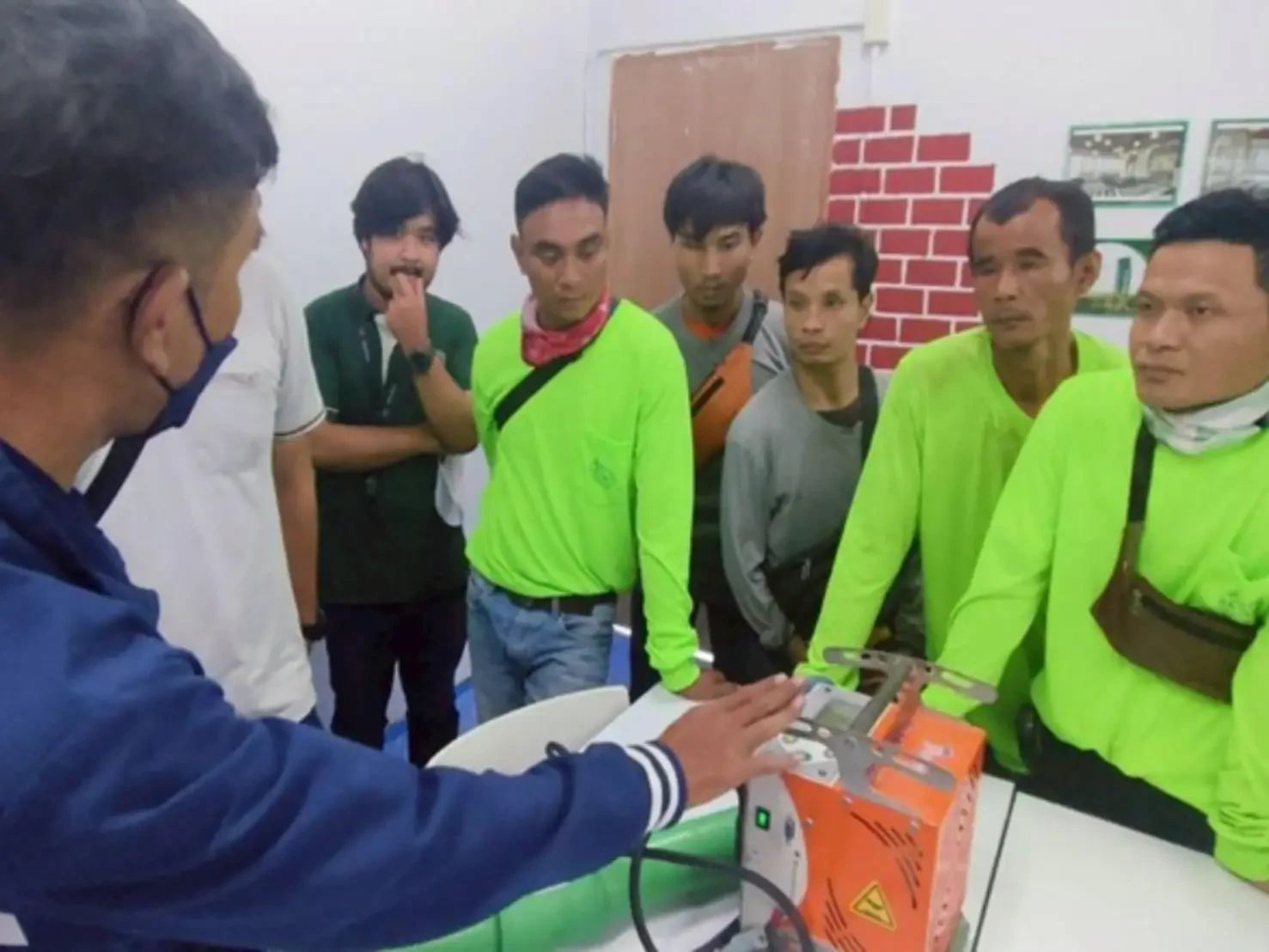
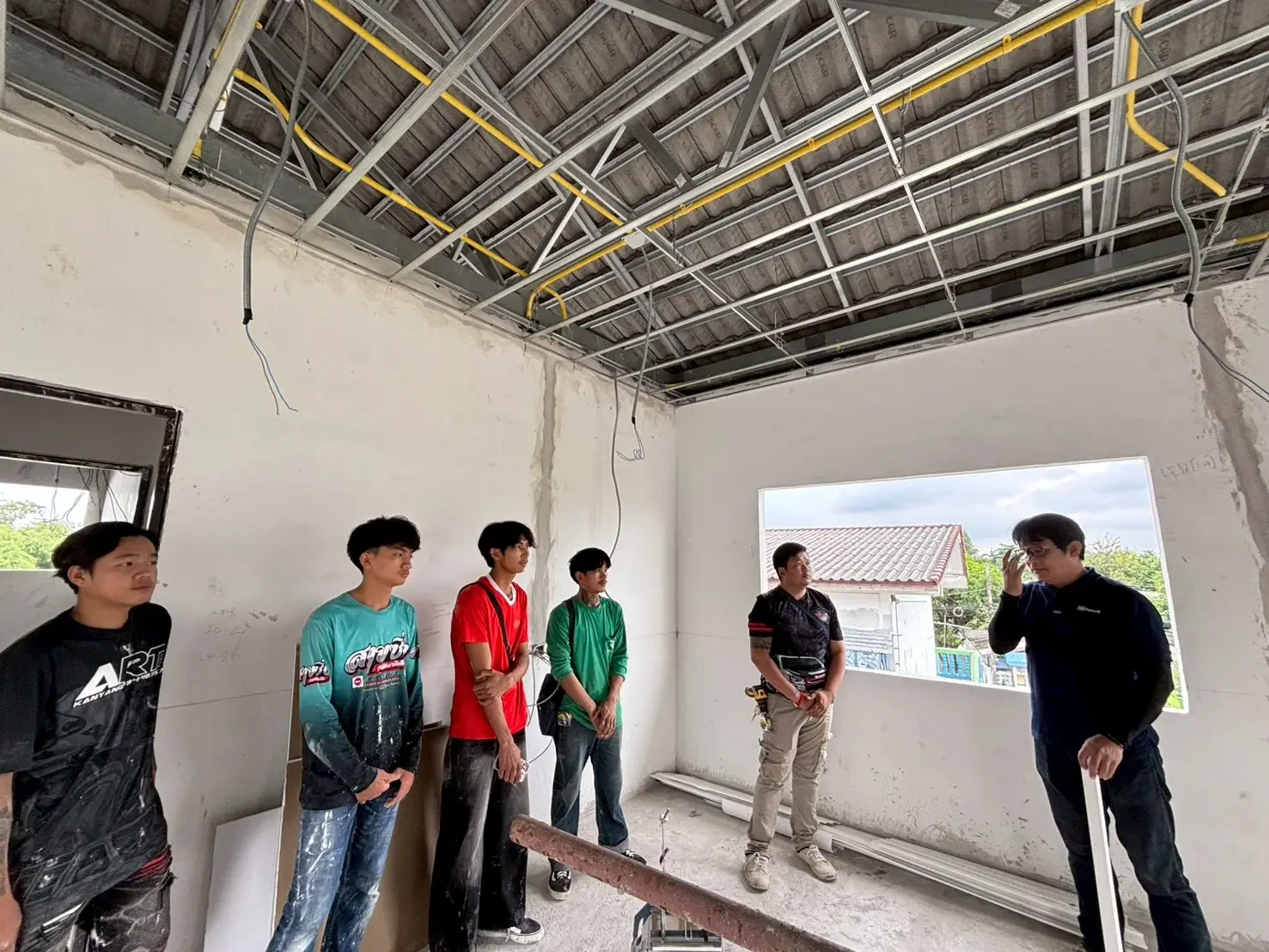
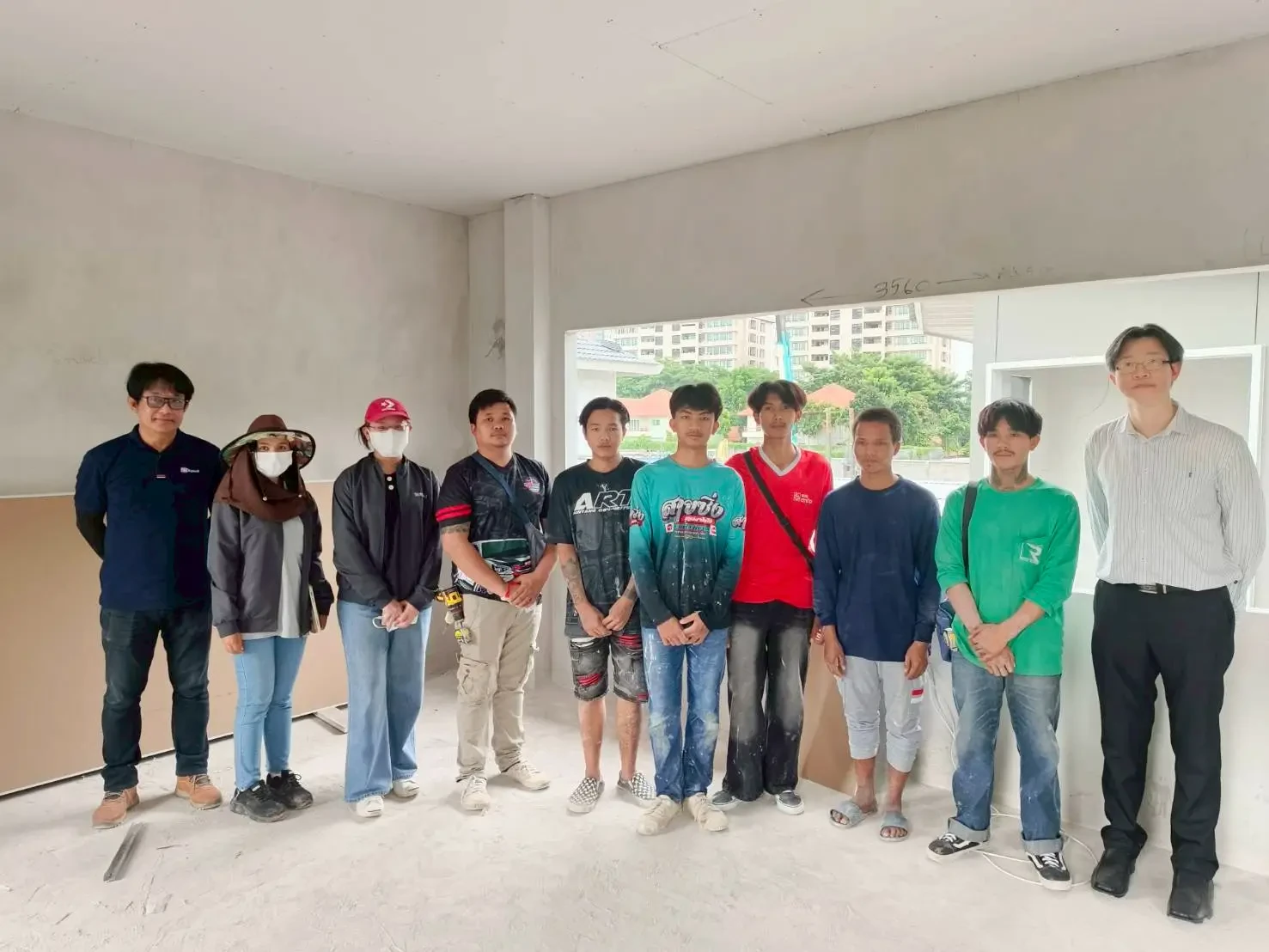
The Company promotes the development of skilled labour in construction projects by collaborating with manufacturers or suppliers to organize training on the installation of various materials and systems according to manufacturer standards. This aims to enhance construction quality and reduce risks from installation errors, such as:
High Rise Projects
Bricklaying work training
Painting work training
Floor leveling work training
Pipe welding training PPR
Low Rise Projects
Ceiling installation standard training
Exterior lower house painting training
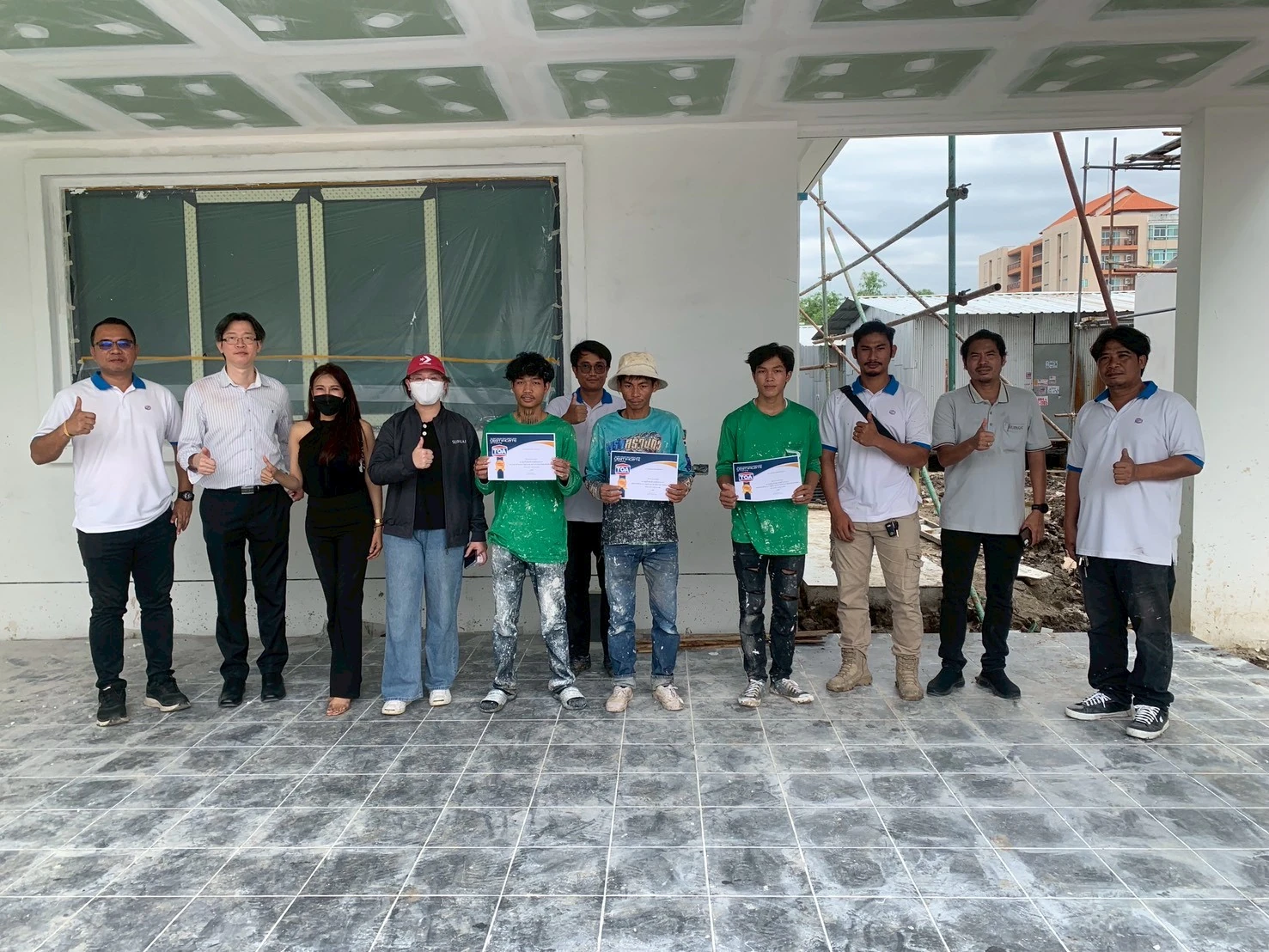
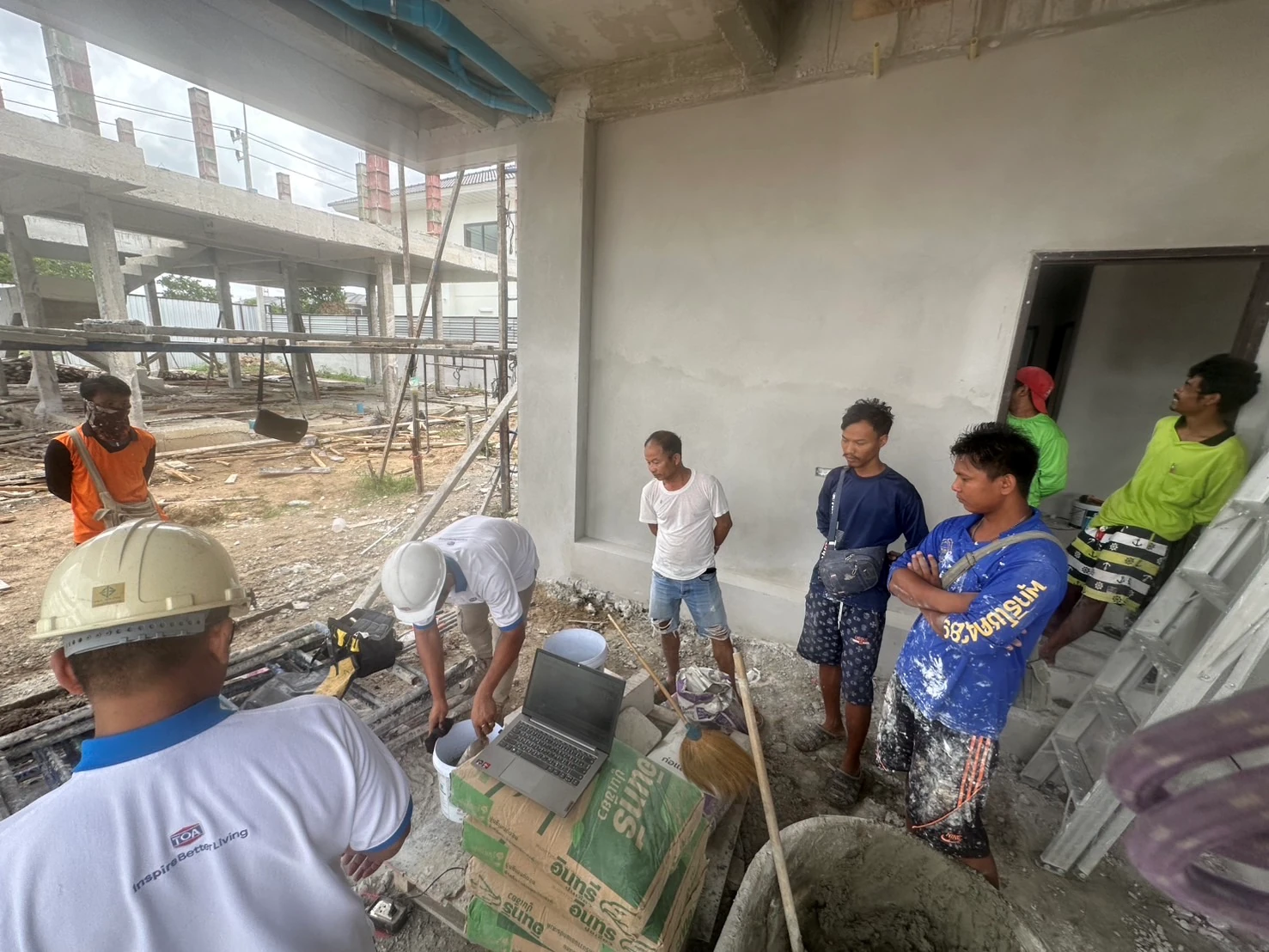
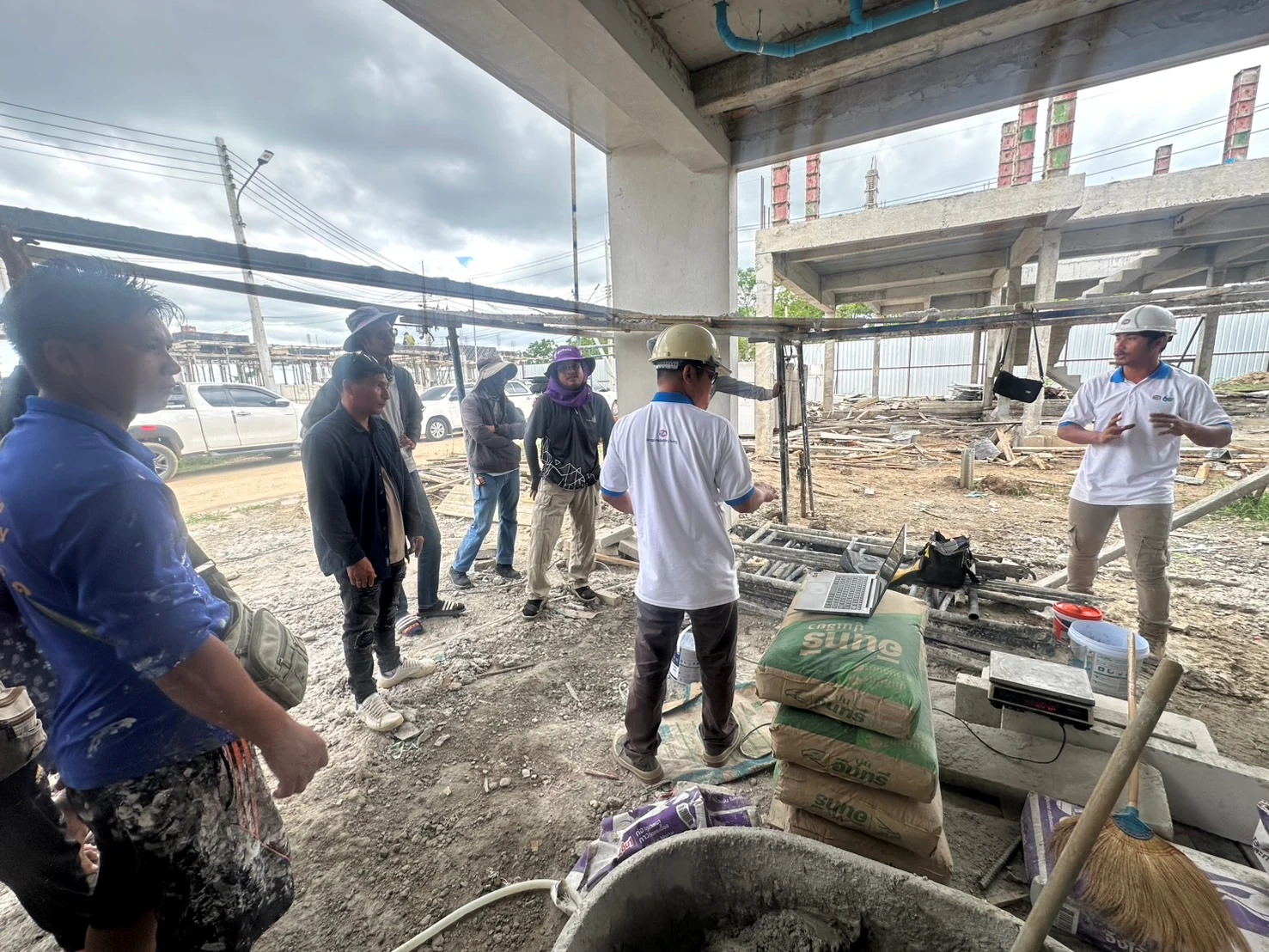
Tile laying standard training