Biodiversity Management and Nature-Related Risk Assessment
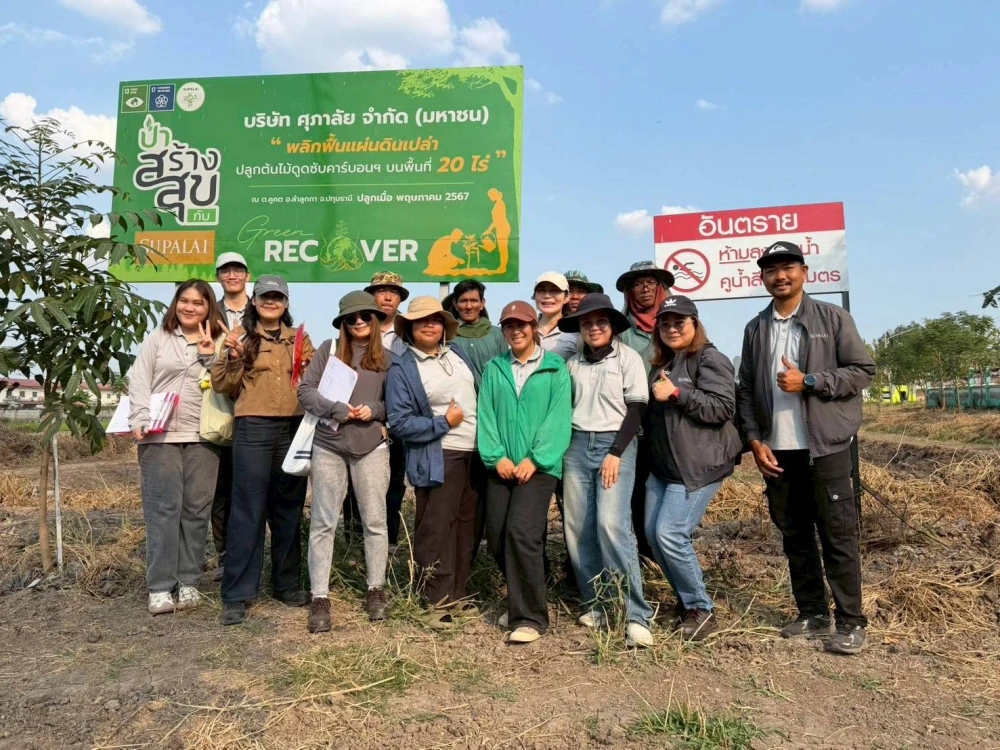
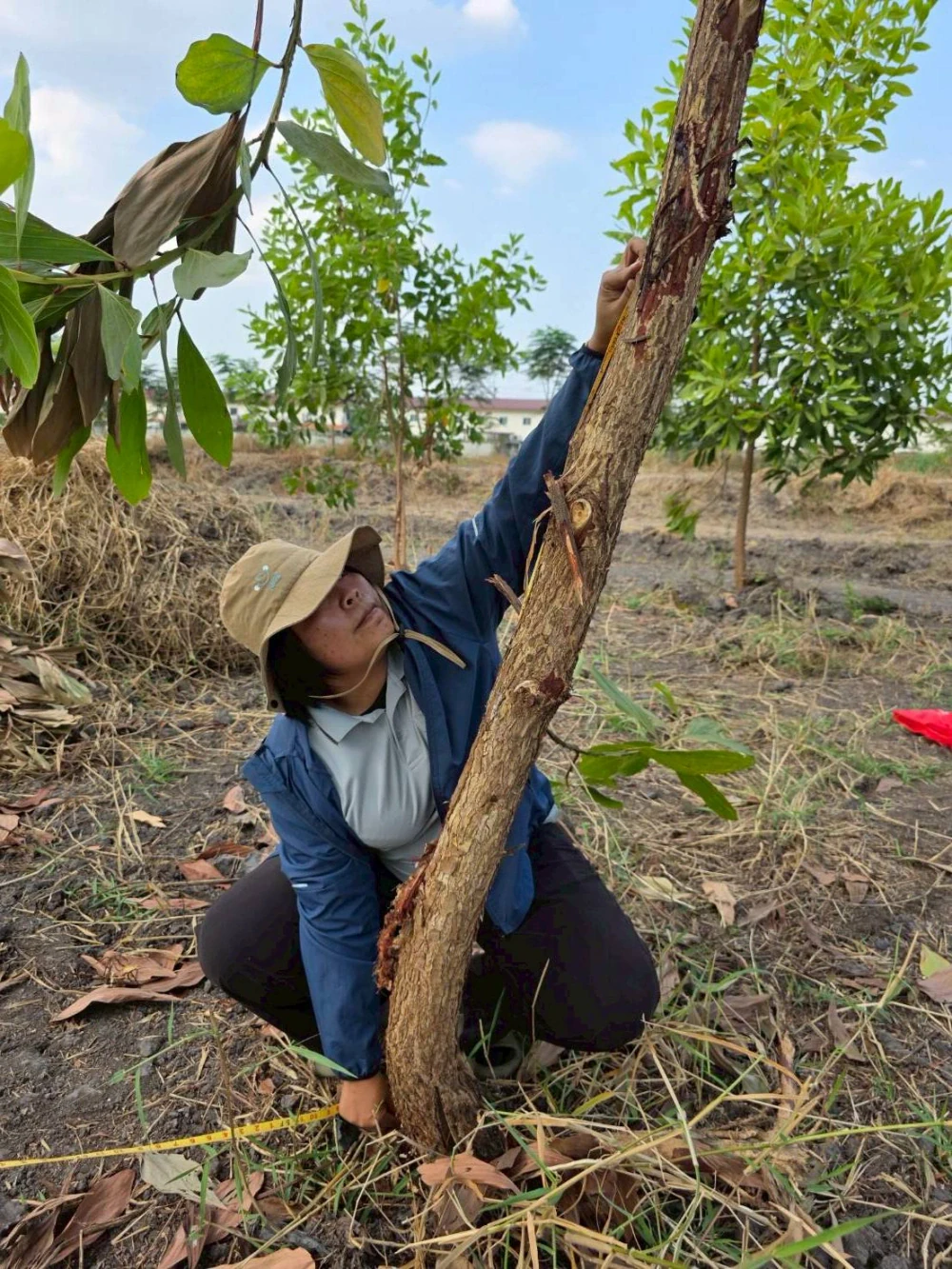
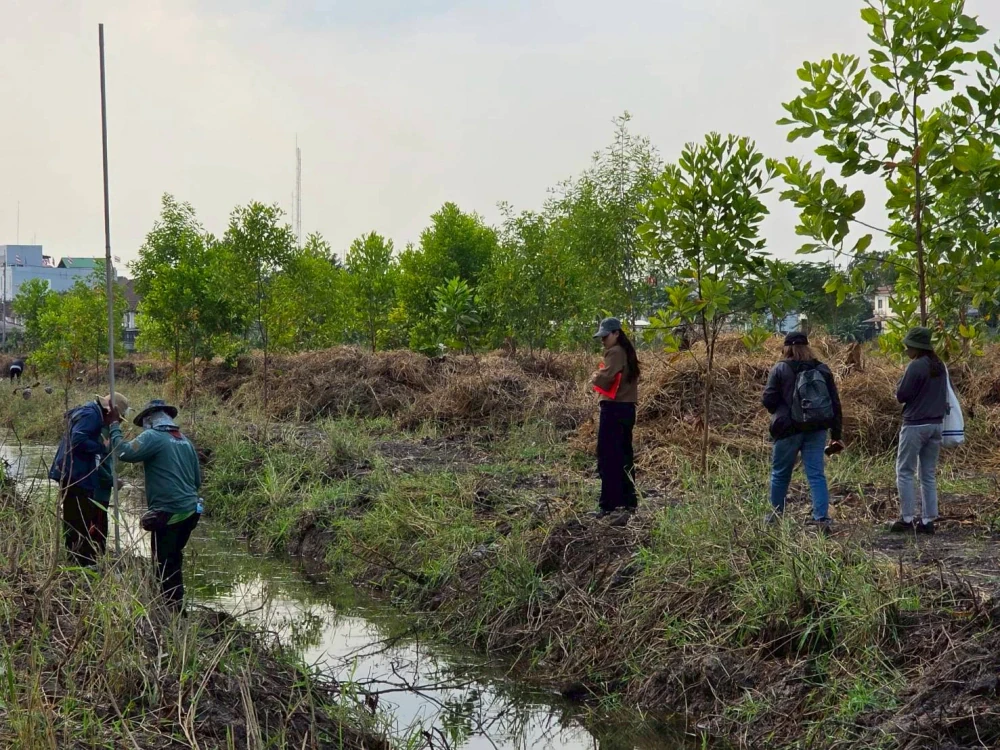
On 4 February 2026, the Company conducted a biodiversity baseline survey within a tree-planting area for carbon sequestration in Lam Sam Kaeo District, Pathum Thani Province, covering approximately 20 rai (3.2 hectares). The survey was carried out by the Sustainability Team in collaboration with the Community Relations Team as part of the Company’s environmental due diligence process to identify ecological sensitivity and the natural capital value of the area.
The survey identified plant and animal species within the project boundary, including the presence of water monitor lizards, an indicator species of semi-wetland ecosystems. This indicates that the area functions as an urban ecological habitat providing ecosystem services such as water retention and microclimate regulation. Based on the preliminary assessment, the site is classified as a modified habitat with moderate ecological value.
The Company conducted biodiversity impact screening covering risks related to land modification, habitat disturbance, and hydrological changes. Potential impacts include habitat fragmentation and temporary disturbance to wildlife movement corridors.
The Company will monitor biodiversity conditions annually using indicators such as species richness, vegetation density, and survival rate of retained trees.
The Company aims to achieve No Significant Biodiversity Loss within its reforestation areas under the Company’s control and integrates biodiversity considerations into its operations.
Ecological Findings After Planting
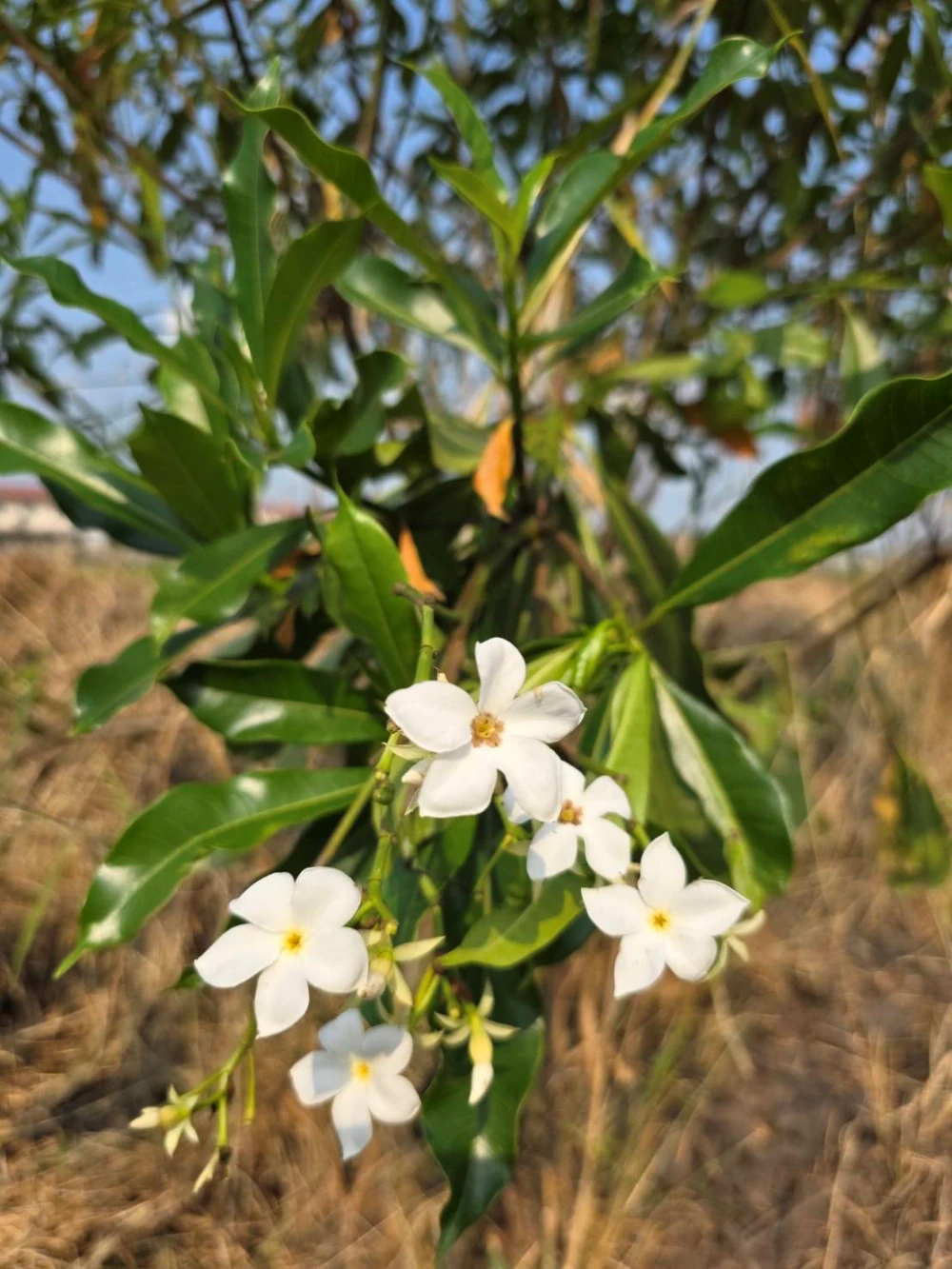
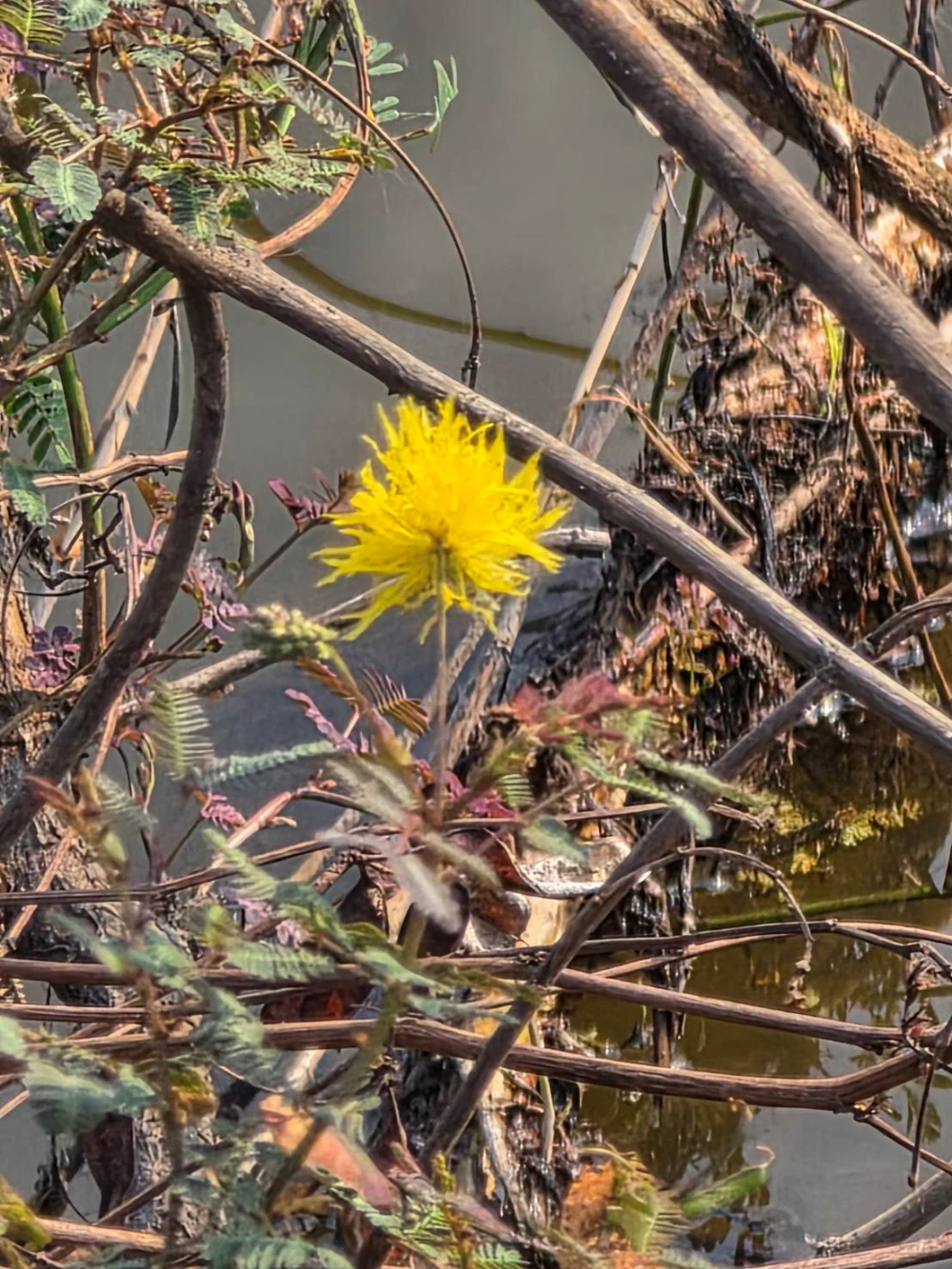
Following planting activities, the area originally contained 9 plant species, and an additional 5 species were subsequently identified, together with 13 animal species. Native vegetation such as Kachon-chob grass and Pak-Krachood, which typically grow in wetland environments, reflects natural environmental recovery and increasing biodiversity within the area.
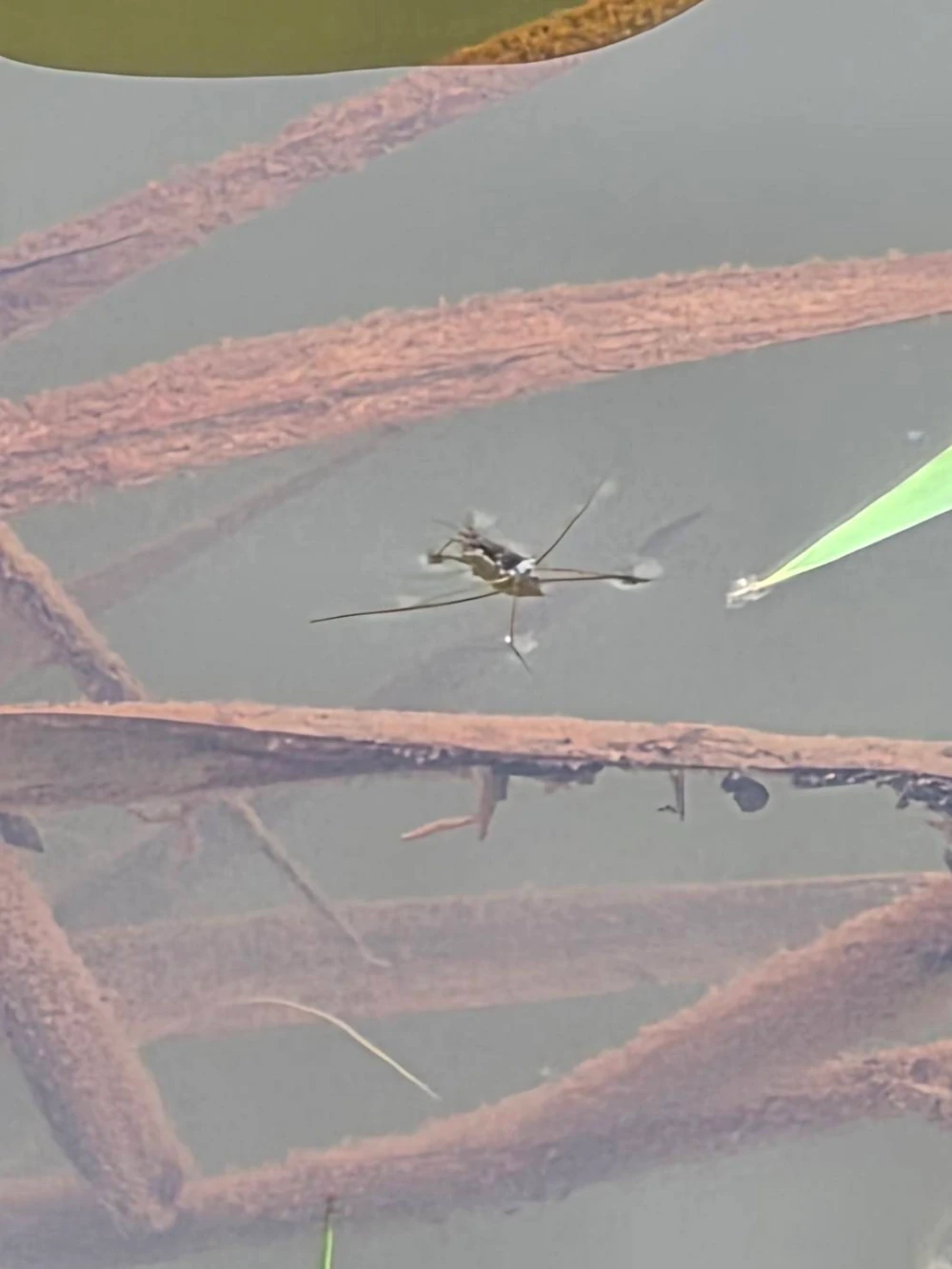
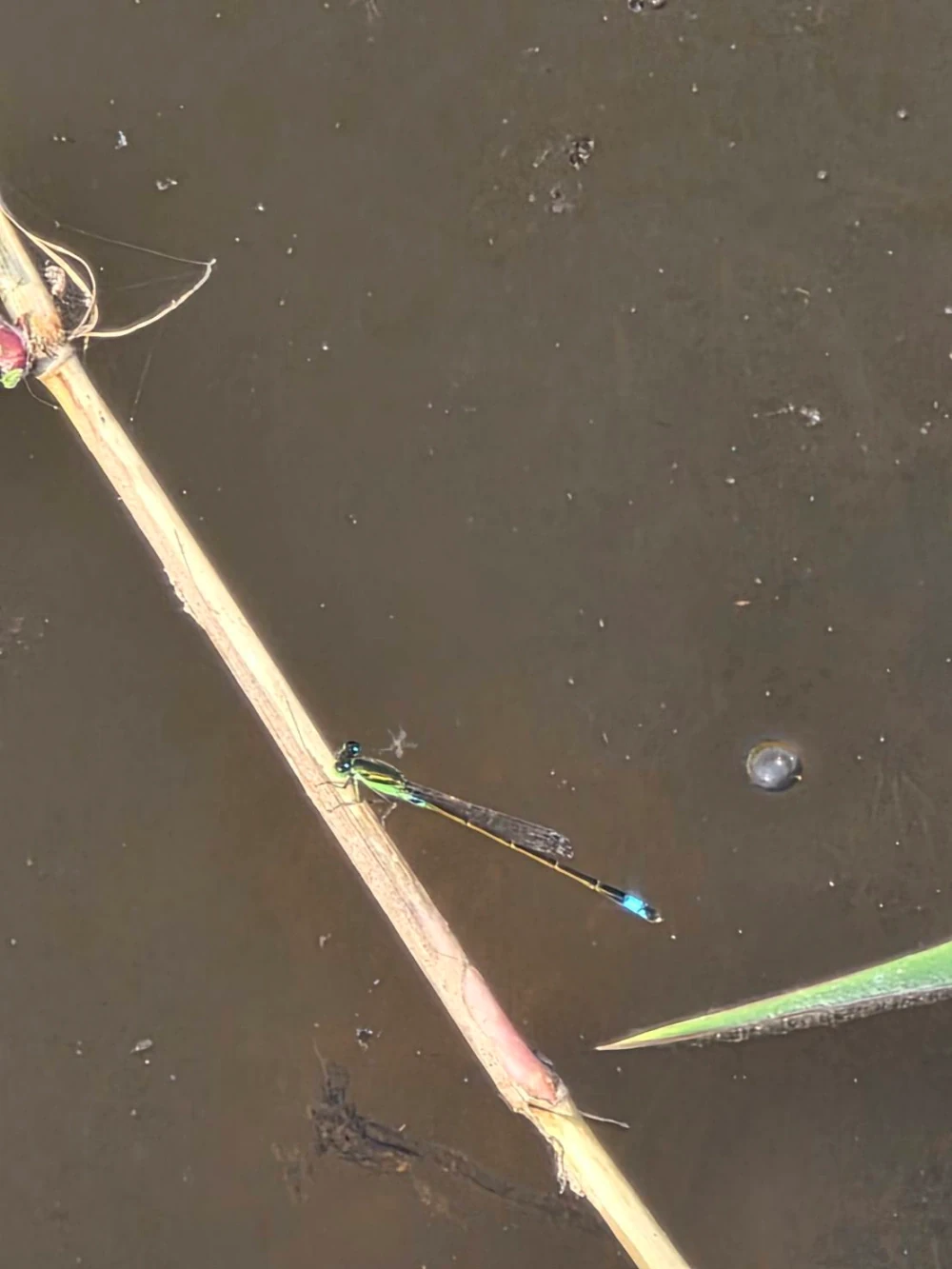
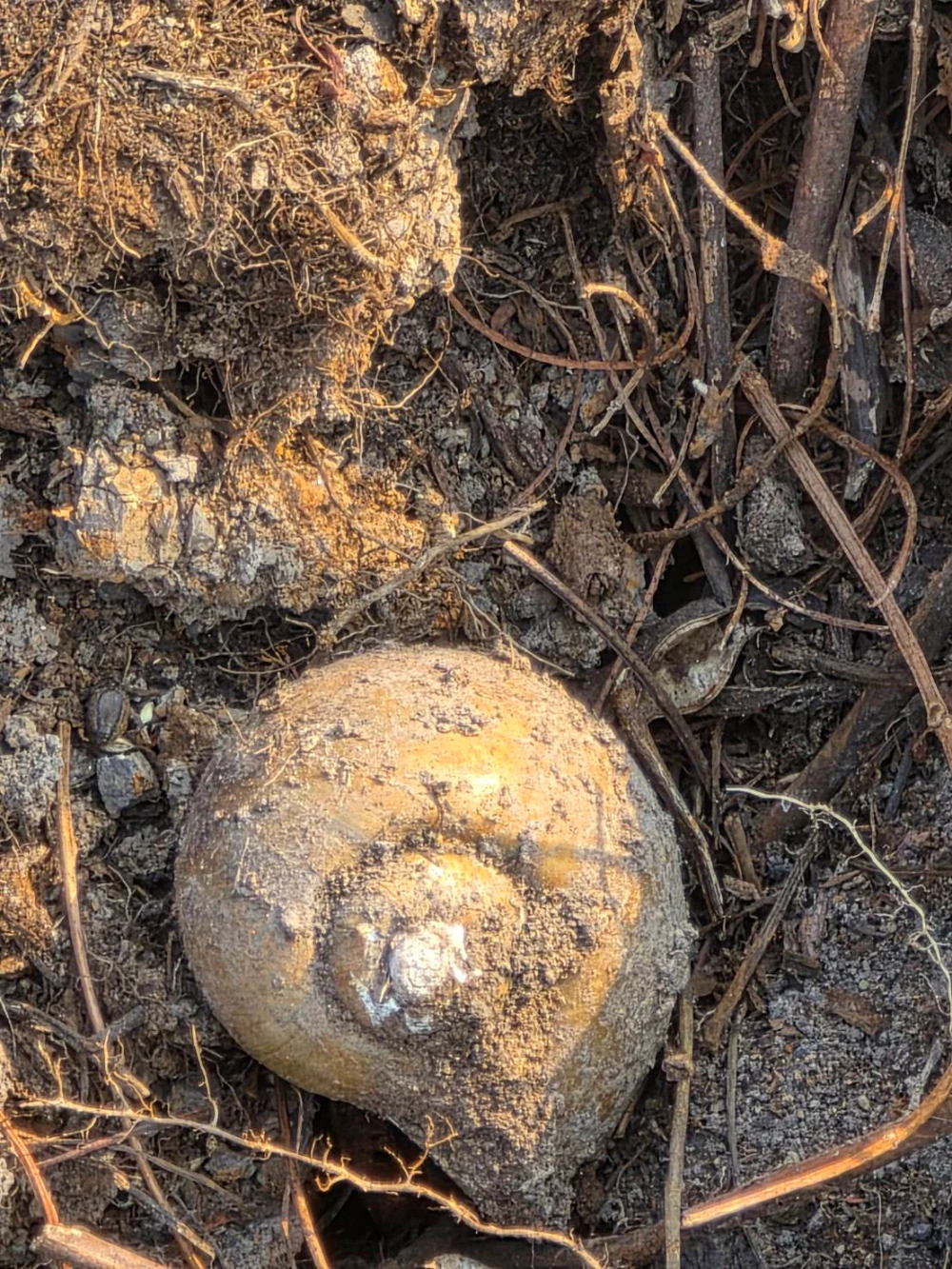
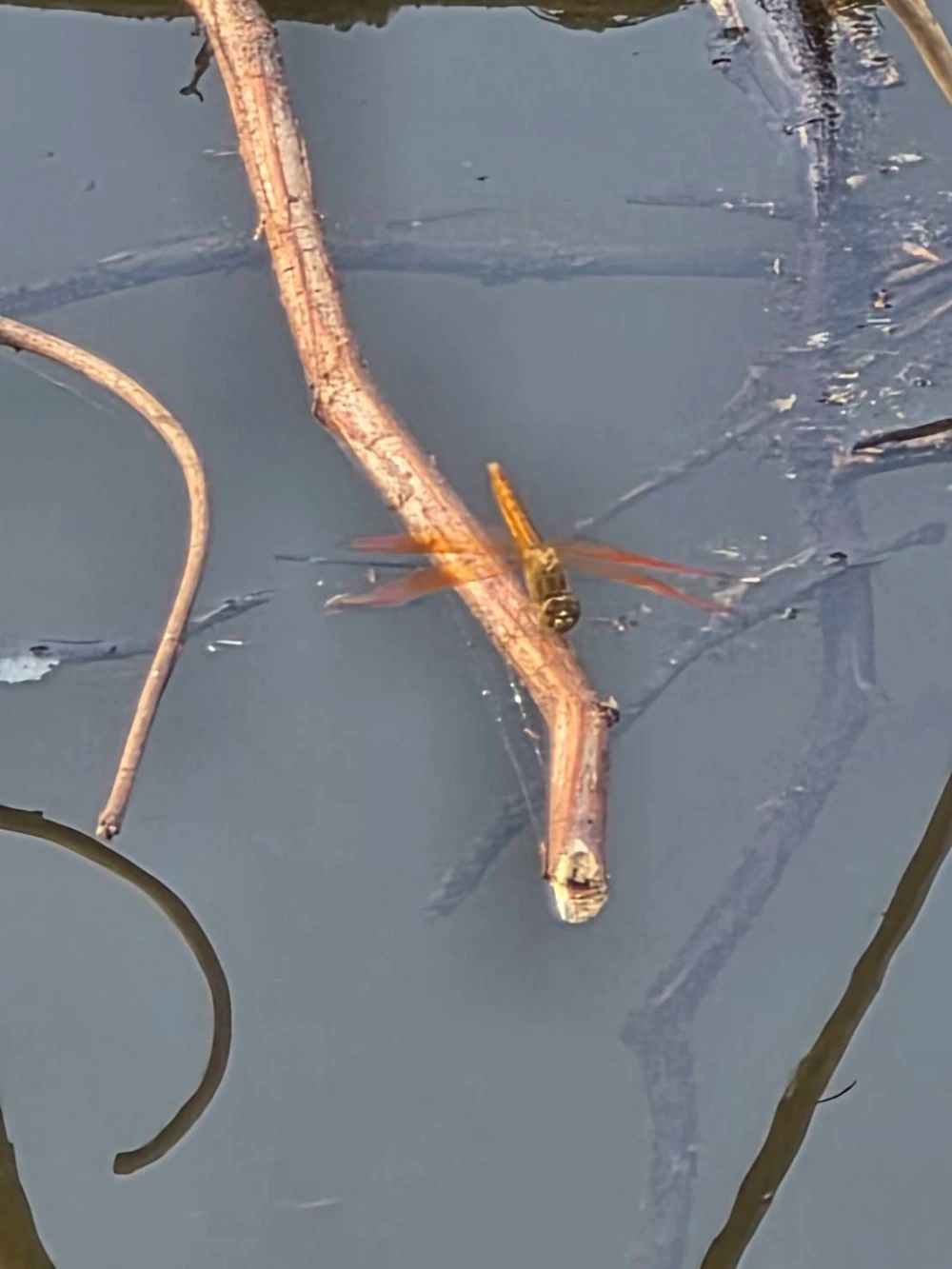
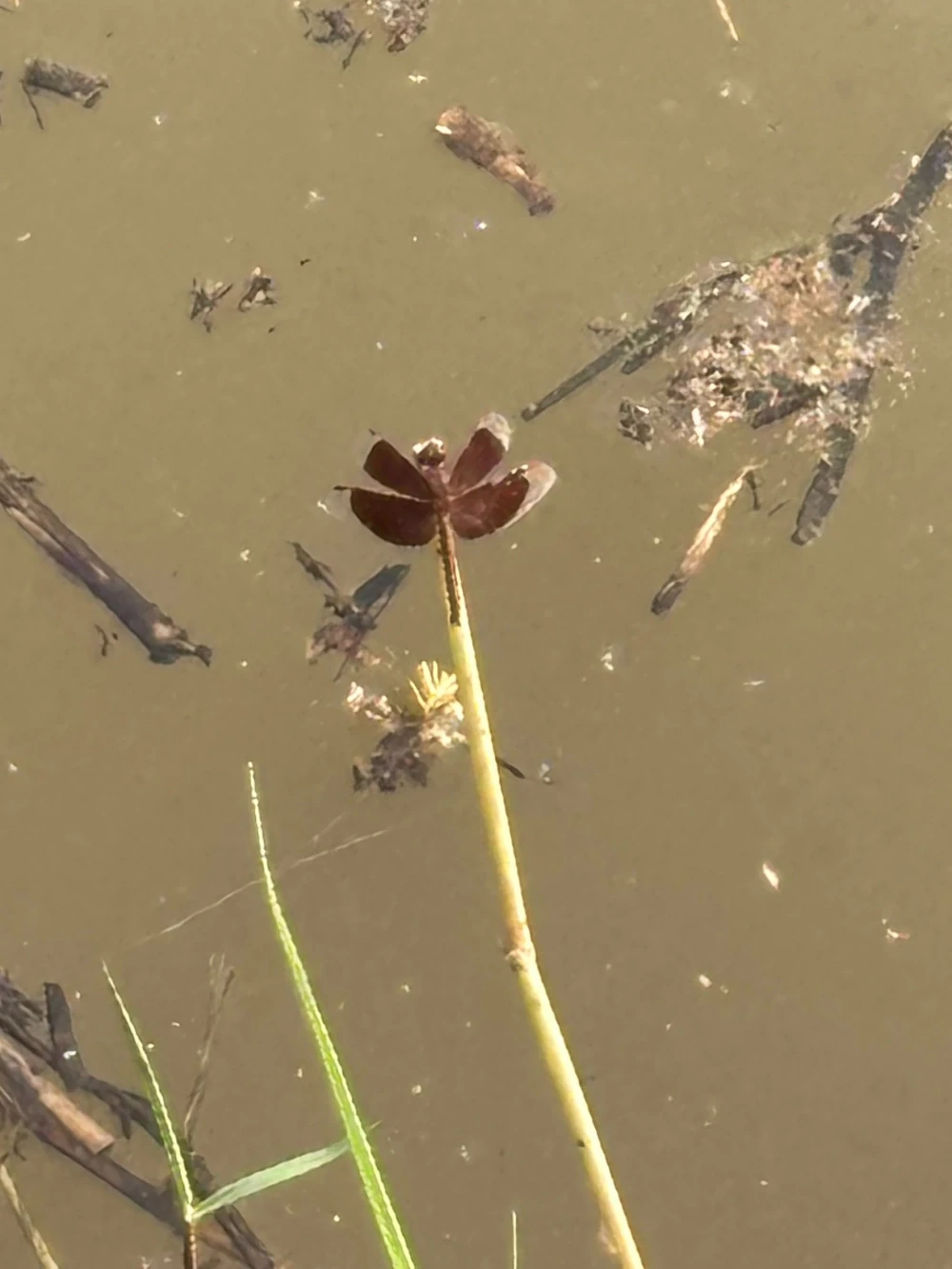
The presence of water monitor lizards, which indicate good water quality, together with freshwater snails and multiple dragonfly species — including skimmer dragonflies, damselflies, yellow marsh hawkers (male and female), and brown-winged marsh skimmers — demonstrates aquatic conditions suitable for the life cycles of aquatic and semi-aquatic organisms, particularly dragonflies that require clean water for egg laying and larval development.
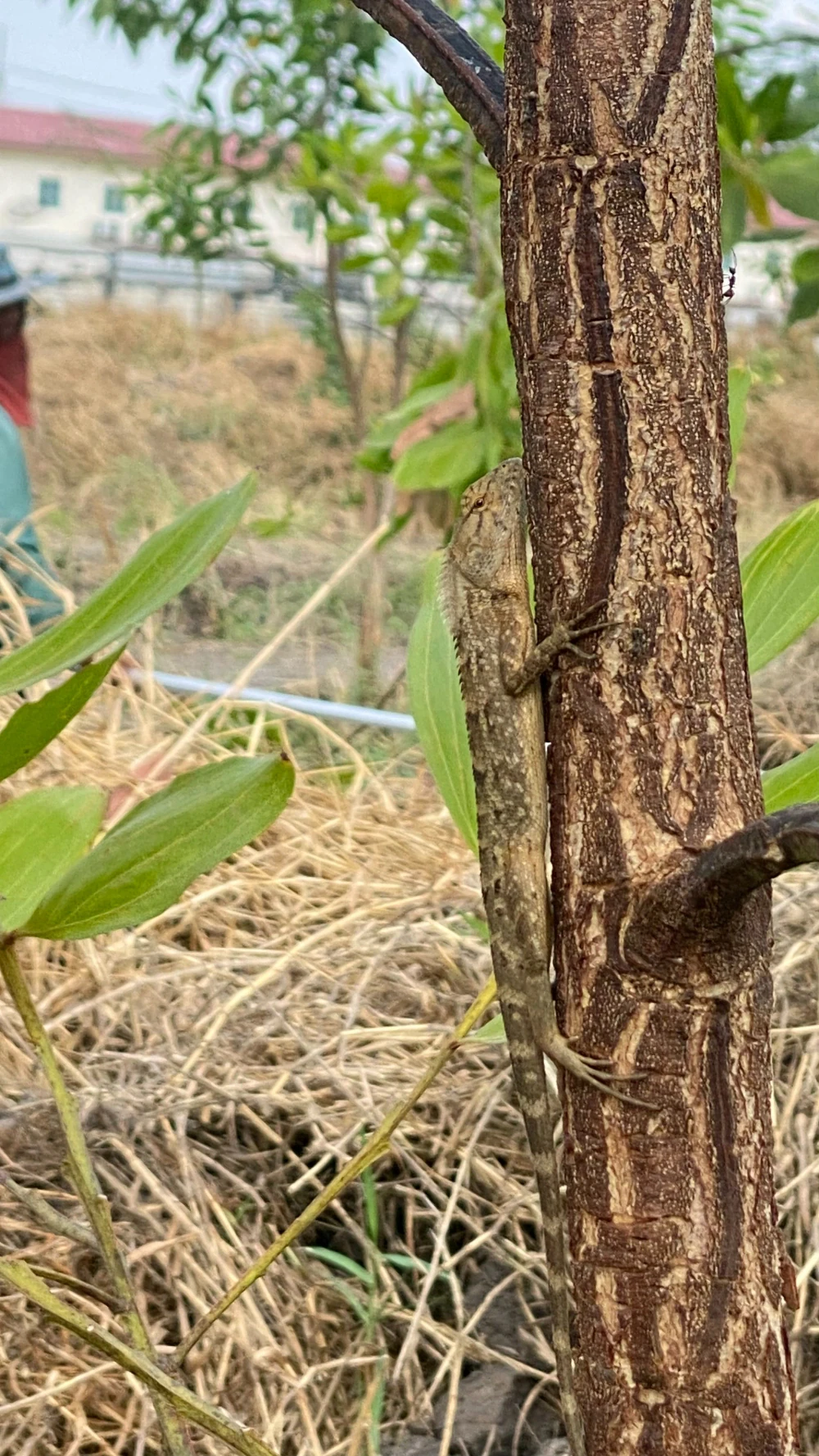
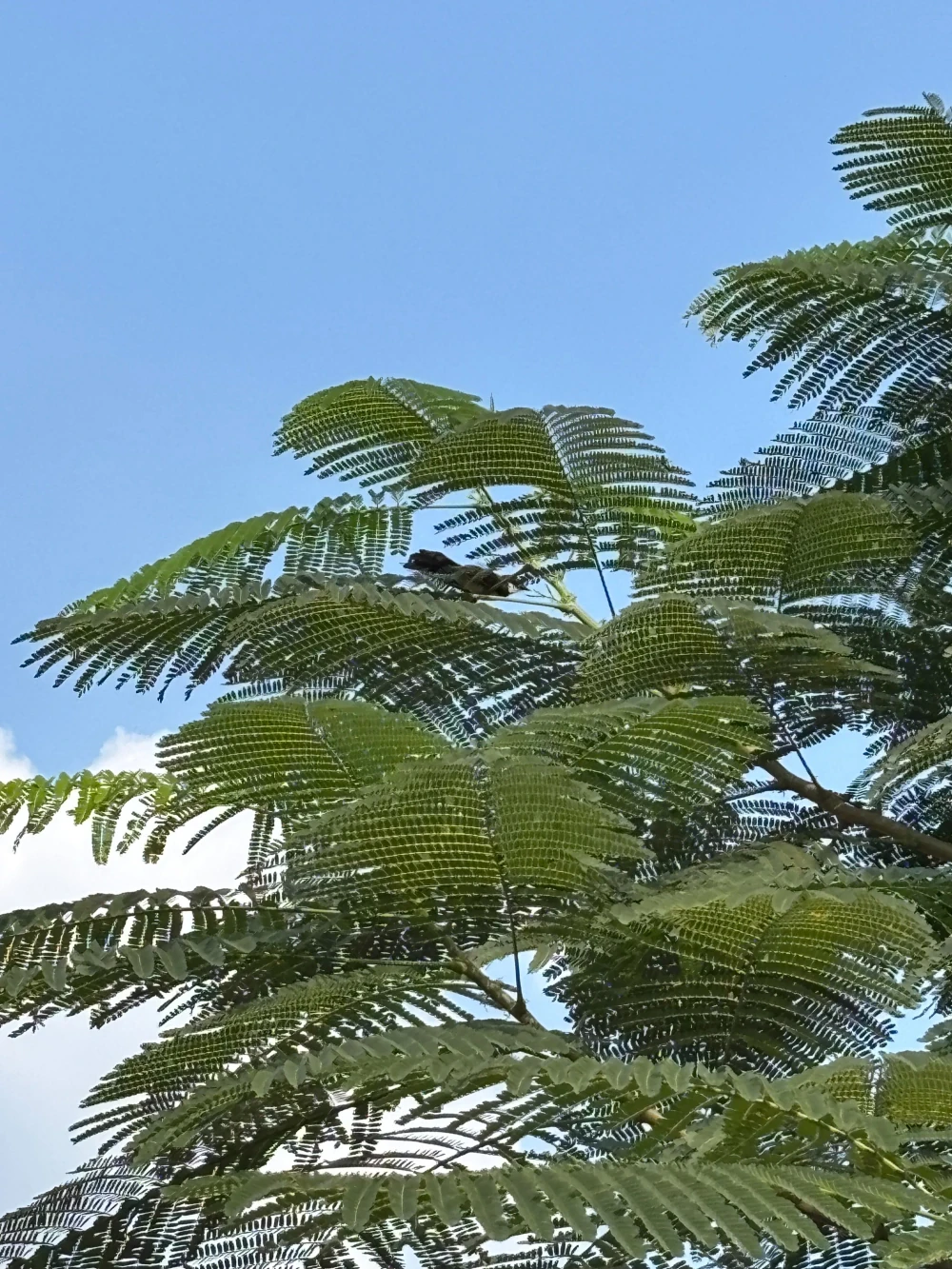
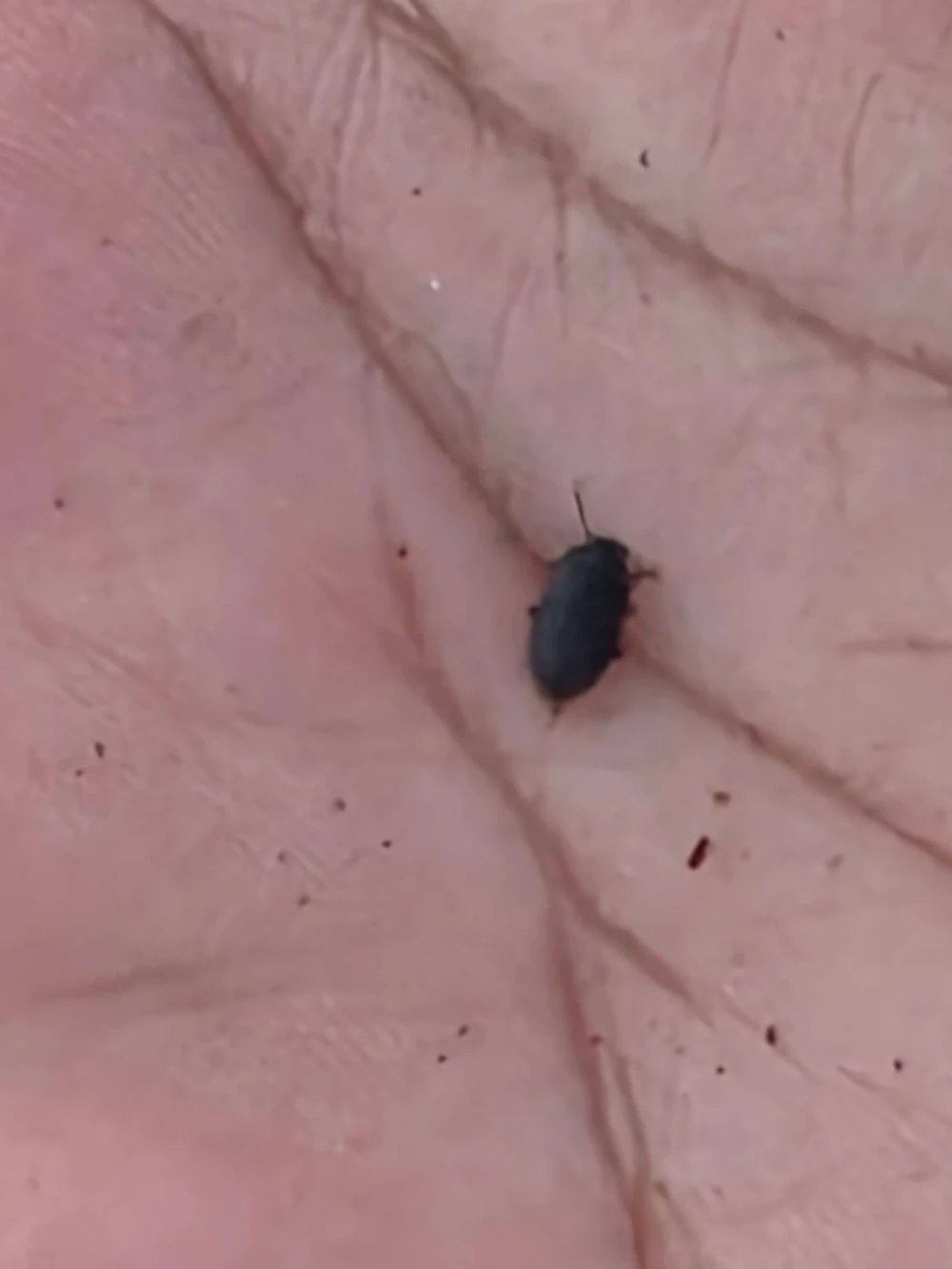
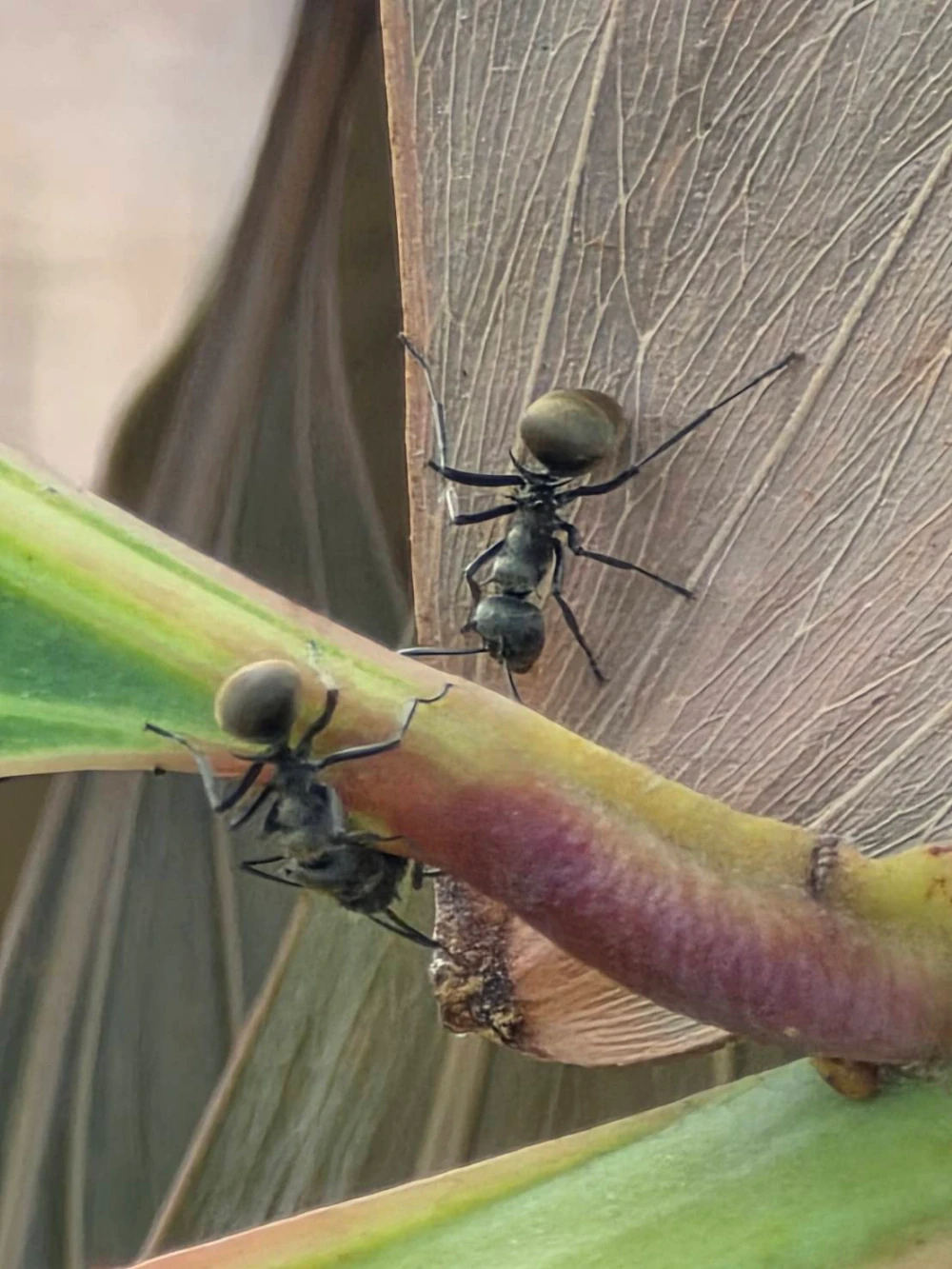
At the primary consumer level, various insects such as flea beetles and fire ants were found in association with host plants. Meanwhile, garden lizards and shrikes function as insect-eating predators, naturally controlling insect populations and indicating ecosystem balance.
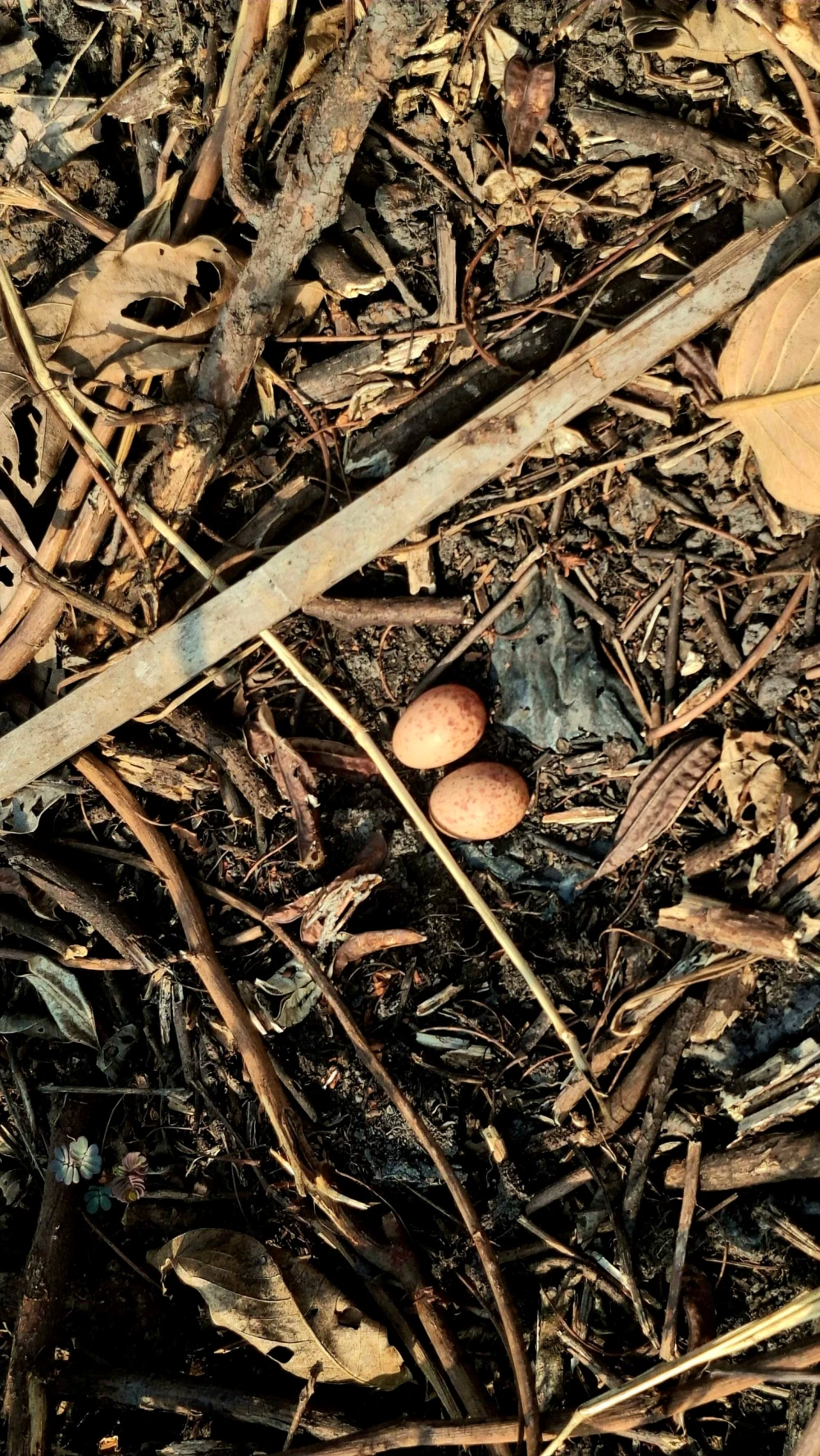
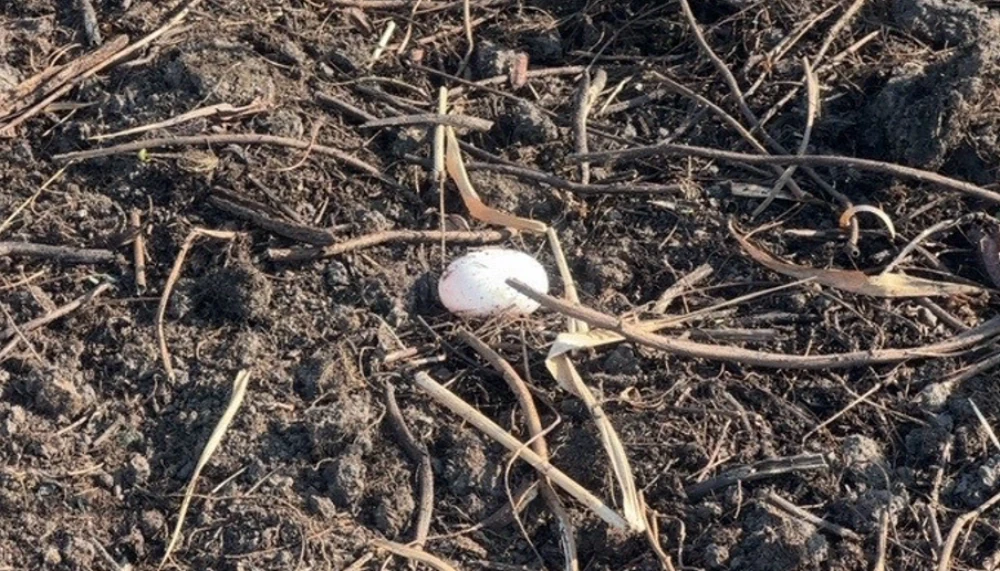
In addition, higher-level predators such as cobras were found, together with turtles and ground-nesting plover eggs, indicating food-web continuity, natural breeding behavior, and the use of the area as a feeding and resting habitat within an urban environment.
Overall, the area functions as an urban wetland habitat supporting key ecological processes, including pollination, natural pest control, nutrient cycling, and multi-level food-web interactions, reflecting ecosystem abundance and stability at the local level.
Governance and Capacity Building
Oversight of biodiversity management falls under the Corporate Governance and Sustainability Development Committee and is integrated into the Company’s environmental risk management framework.
The survey also forms part of the Company’s internal capacity-building program. Knowledge and methodologies for biodiversity data collection were transferred to relevant employees in order to enhance the Company’s systematic capability to assess and manage nature-related risks in future projects.
Gallery